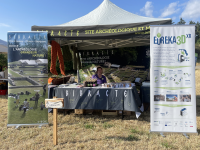


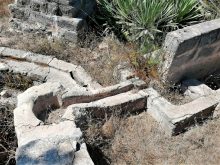
All images in this post courtesy of Promoter s.r.l
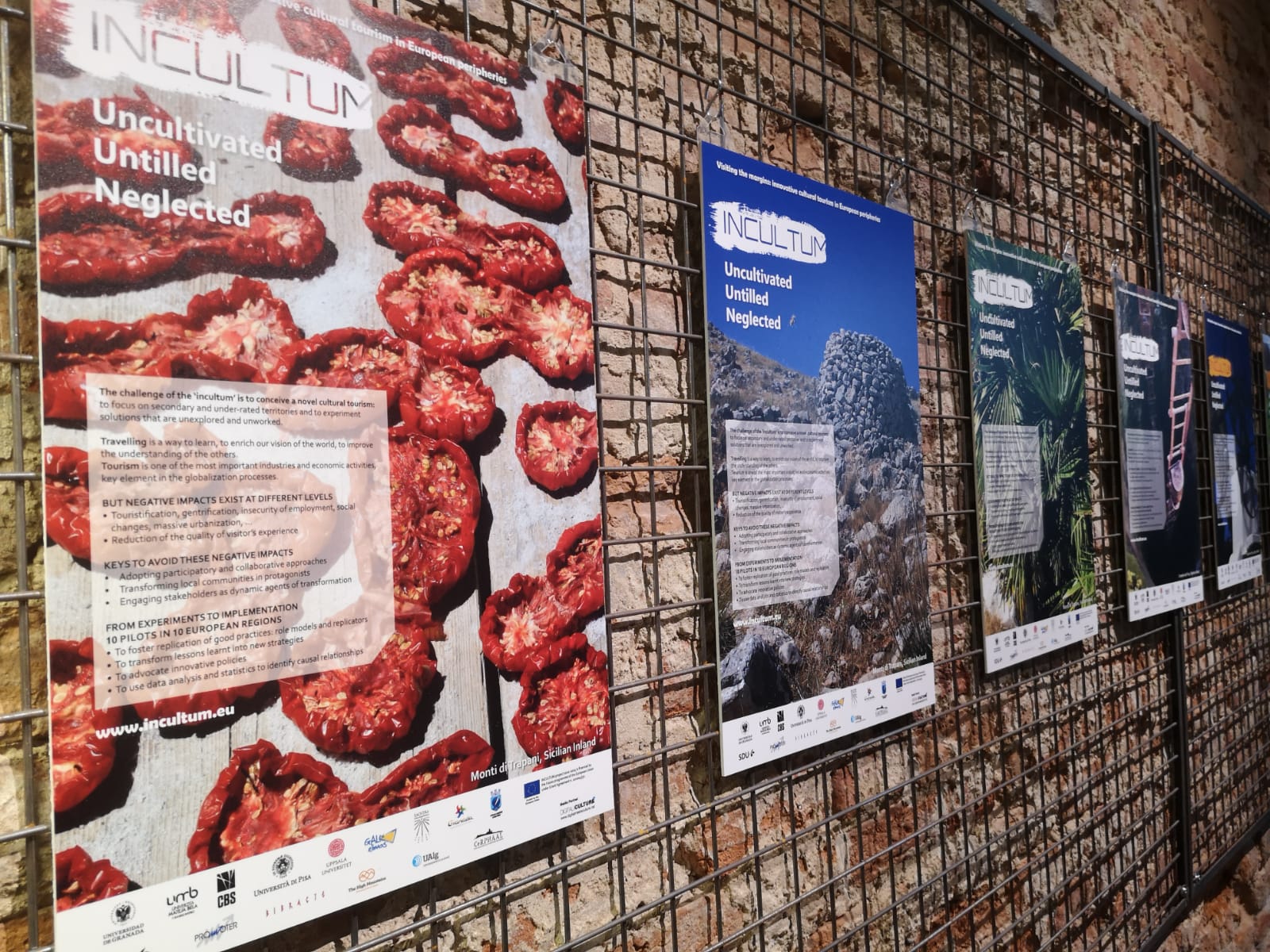
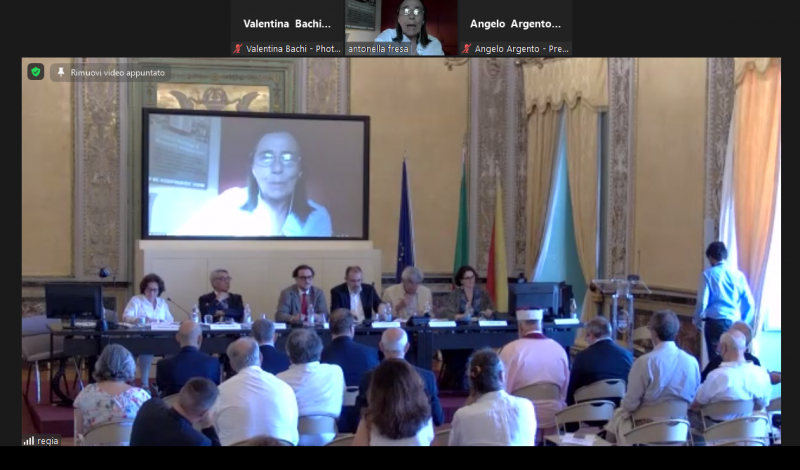 The INCULTUM Pilot set in Sicily organizes a high-level conference in Palermo, the Regional County Seat, to describe the work done so far in the area of Trapani, and to discuss with university experts and policy makers about strategies and actions for sustainable development of the Region.
The conference, in Italian language, was streamed live on the GAL Elimos online channels.
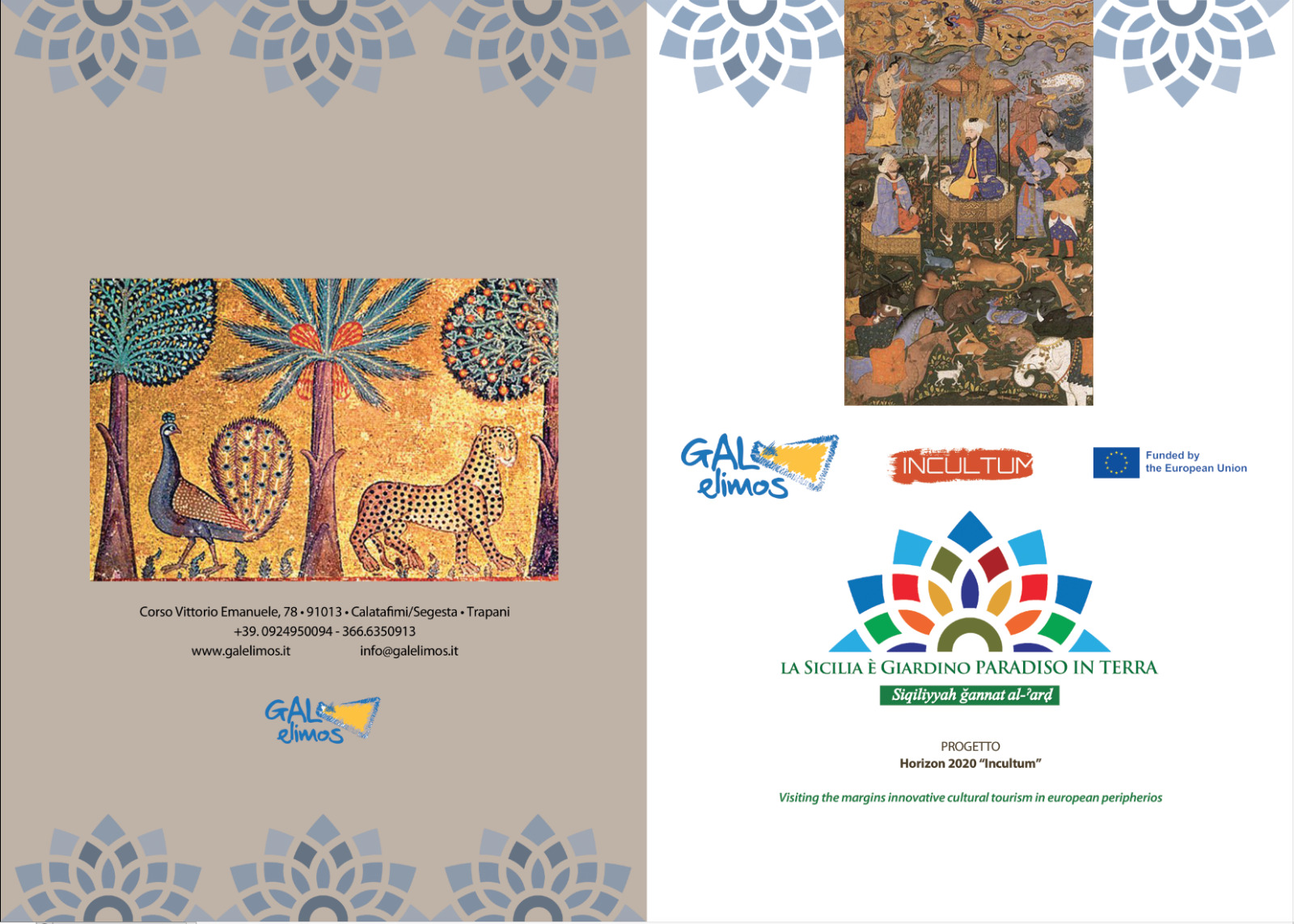
“Siqilliyyah ğannat al-ˀarḍ- La Sicilia è il Giardino Paradiso in Terra”
13th July 2022, h.15:30
Assemblea Regionale Siciliana – Sala gialla “Piersanti Mattarella”, P.zza del Parlamento, 1- Palermo
- On.le Gianfranco Miccichè – Presidente Assemblea Regionale Siciliana: Saluti istituzionali
- On.le Toni Scilla – Assessore Agricoltura, Sviluppo Rurale e Pesca: Il ruolo dei GAL come leva di sviluppo territoriale;
- Dott. Liborio Furco – Presidente GAL Elimos: La programmazione strategica del GAL Elimos per lo sviluppo locale, dal Next Generation EU al Green Deal;
- Dott.ssa Antonella Fresa – Network Coordinator, Promoter Srl, Pisa: “INCULTUM Visiting the margins: INnovative CULtural ToUrisM in European peripheries” – Programma HORIZON 2020 e la cooperazione tra pilot per una rinascita delle comunità rurali;
- Prof. Patrizia Spallino – Officina di Studi Medievali: L’unicum inestimabile della Sicilia islamica;
- Avv. Giada Lupo – Responsabile valorizzazione turistica e pubbliche relazioni INCULTUM- pilot GAL Elimos: L’itinerario “Siqilliyyah ğannat al-ˀarḍ- La Sicilia è il Giardino Paradiso in Terra”;
- Prof. Giuseppe Barbera – Ordinario Colture Arboree UNIPA, alberi, sistemi e paesaggi rurali del Mediterraneo: Il Giardino Paradiso islamico in Sicilia;
- Prof. Gioacchino Fazio – Associato Economia Applicata- Dipartimento di Scienze Economiche, Aziendali e Statistiche UNIPA; Resp. Terza Missione Public Engagement DSEAS; Coordinatore Osservatorio sulla Pesca, CEO- Founder “VISION”: Sviluppo blu, dalla prima palma all’ultimo ulivo;
- Dr. Toti Amato – Presidente OMCEO Palermo e Coordinatore Ordini dei Medici, Chirurghi e Odontoiatri di Sicilia; Consigliere FNOMCEO con delega rapporti esteri: Lo Stile di Vita mediterraneo- Patrimonio dell’Umanità e Faro di Futuro Sostenibile;
- Avv. Angelo Argento – Presidente Cultura Italiae: Reti di Cultura “mundi” e buoni SEMI;
- Conclusioni
Modera: Piero Messina (Digitrend).
Learn more about INCULTUM Pilot in Sicily
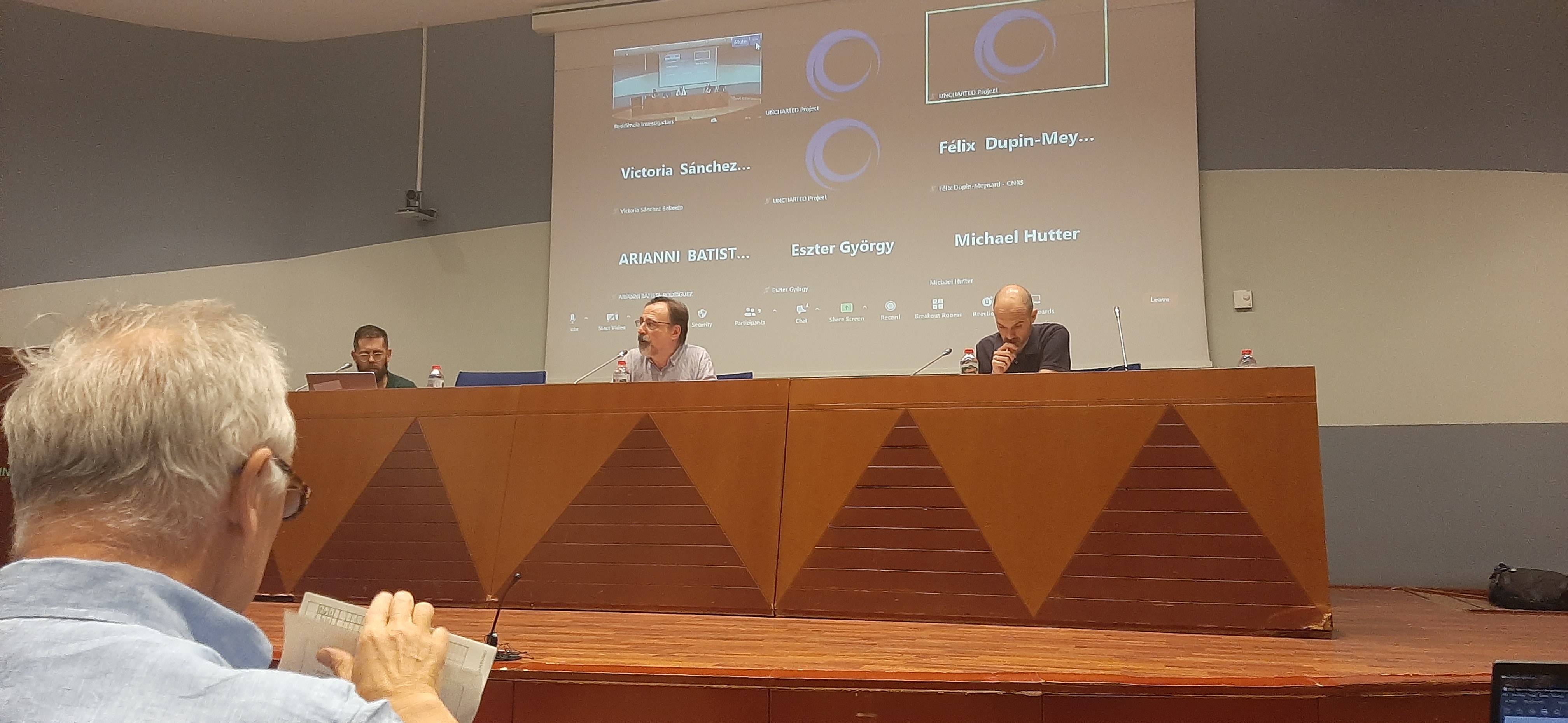
 Last May 2022 a new report was published by the European Commission to lay the groundwork for the preparation of the Cluster 2 WP Calls to support the European Collaborative Cloud for Cultural Heritage.
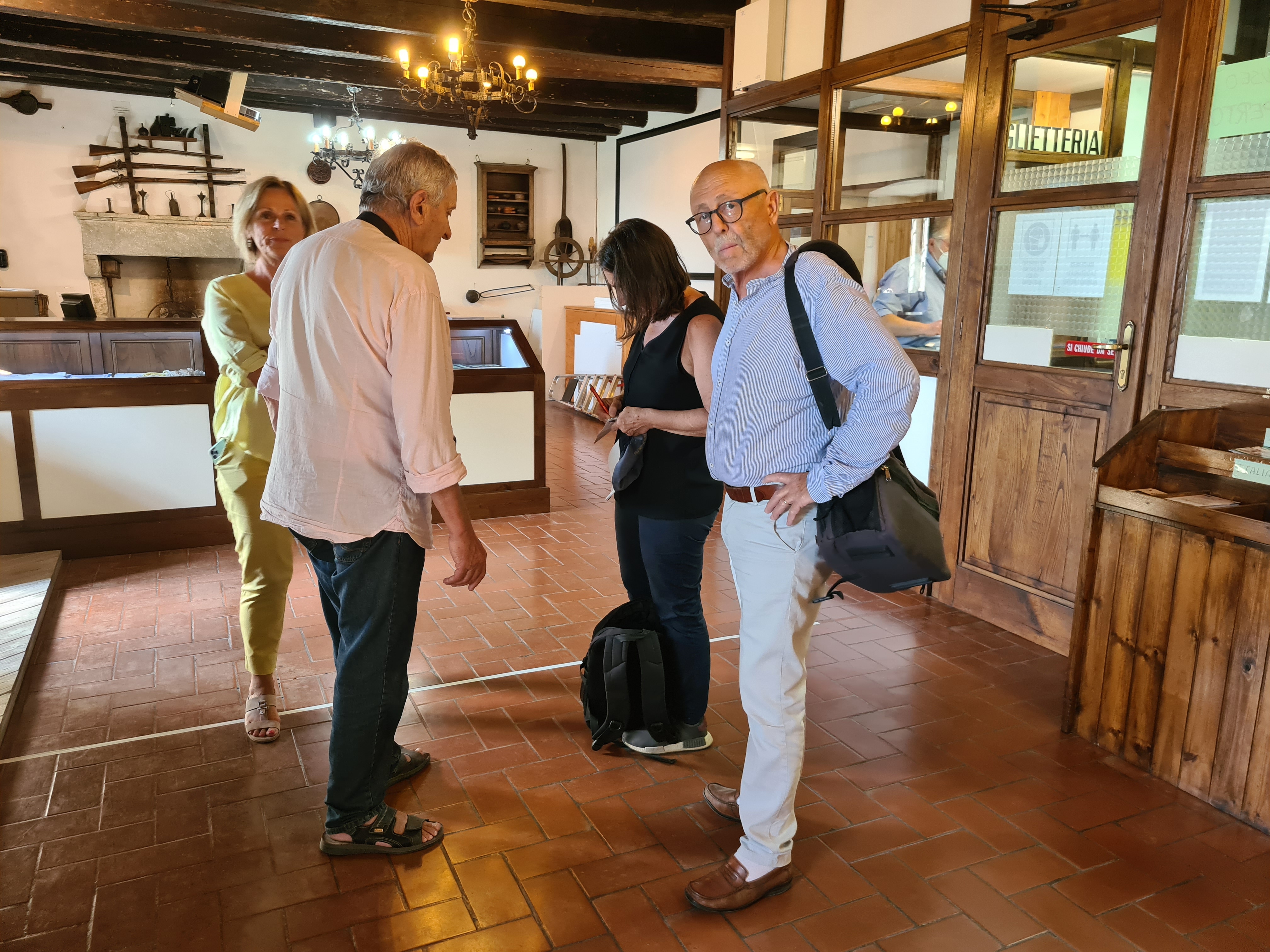
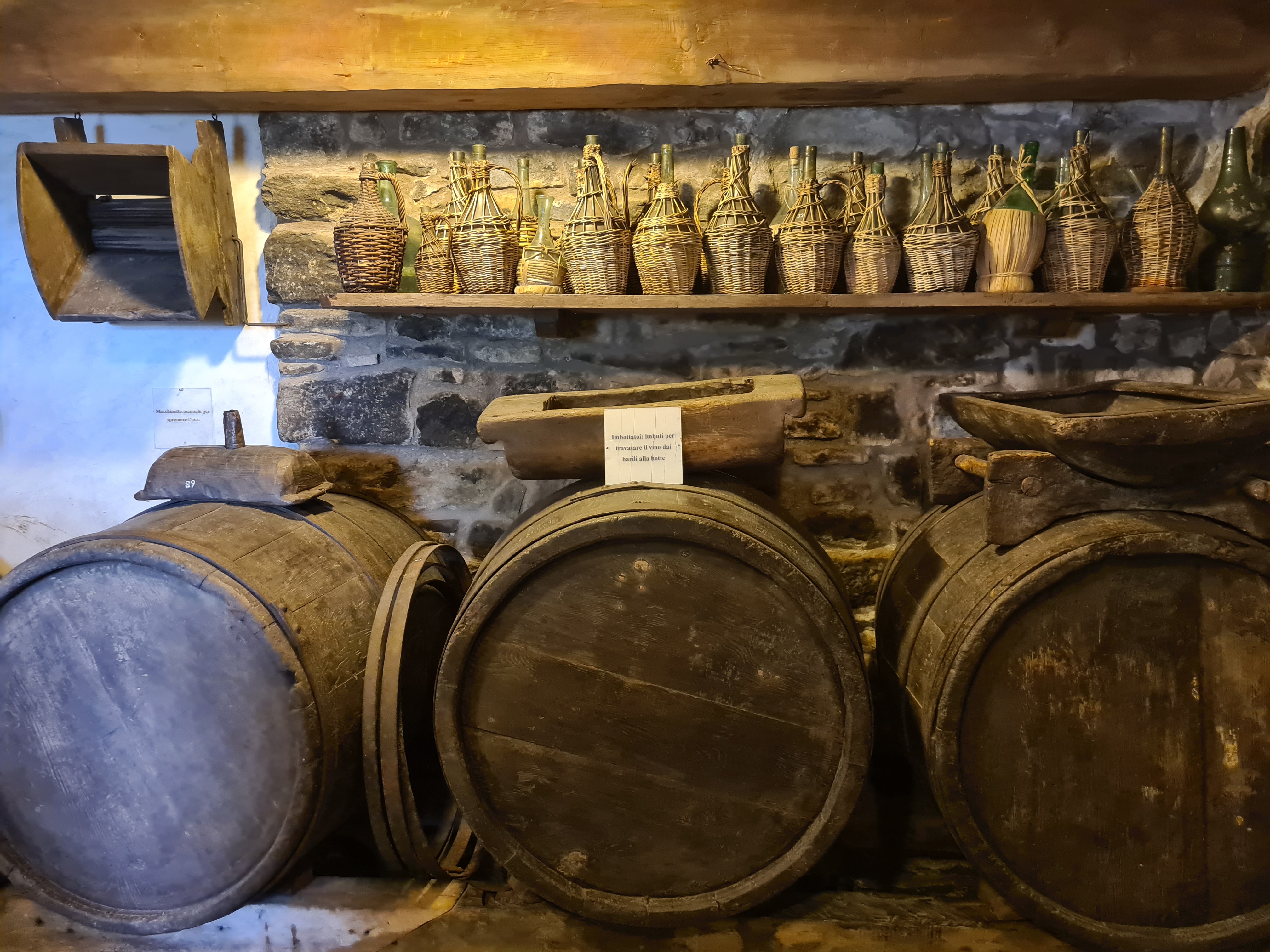
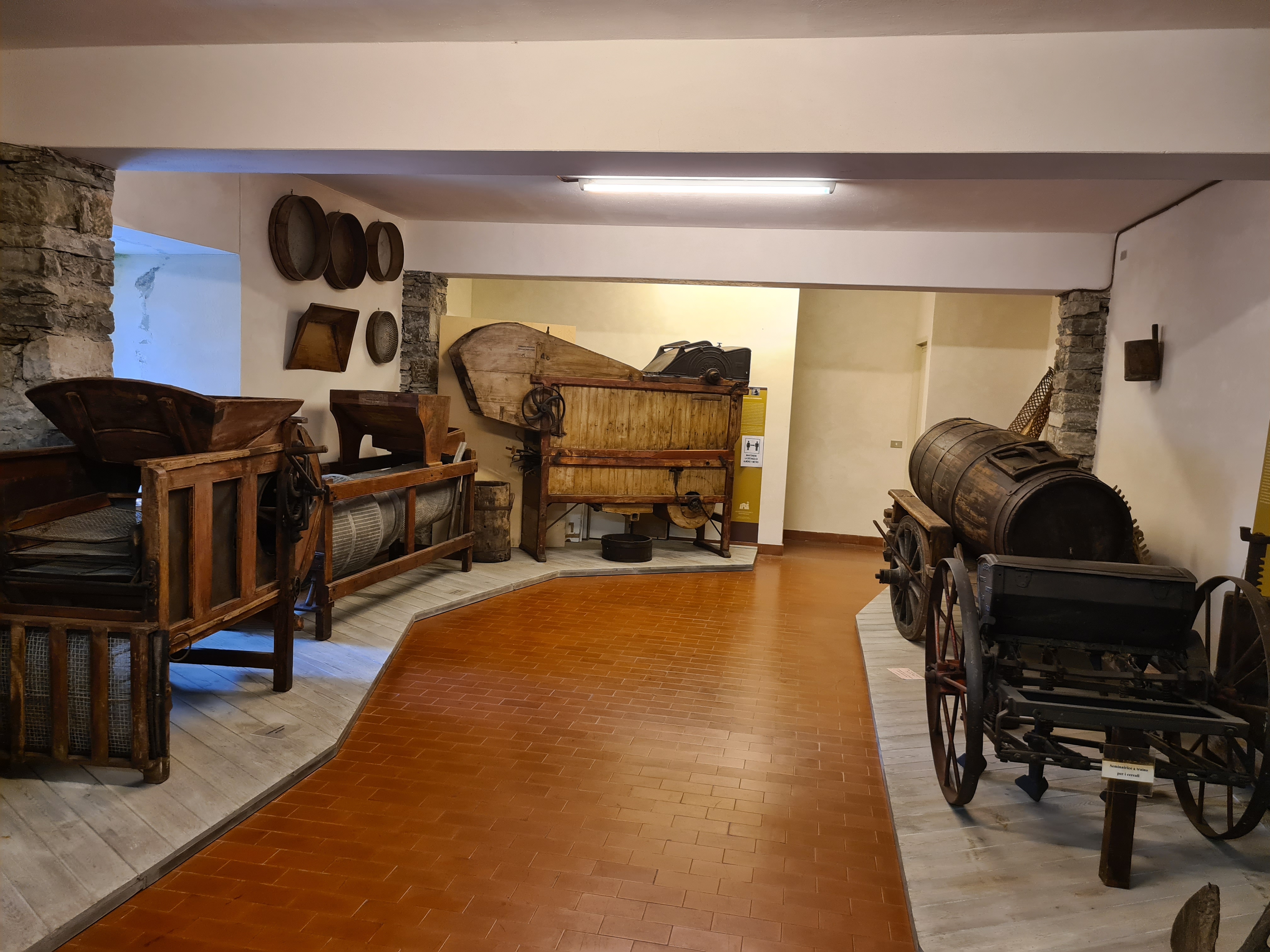
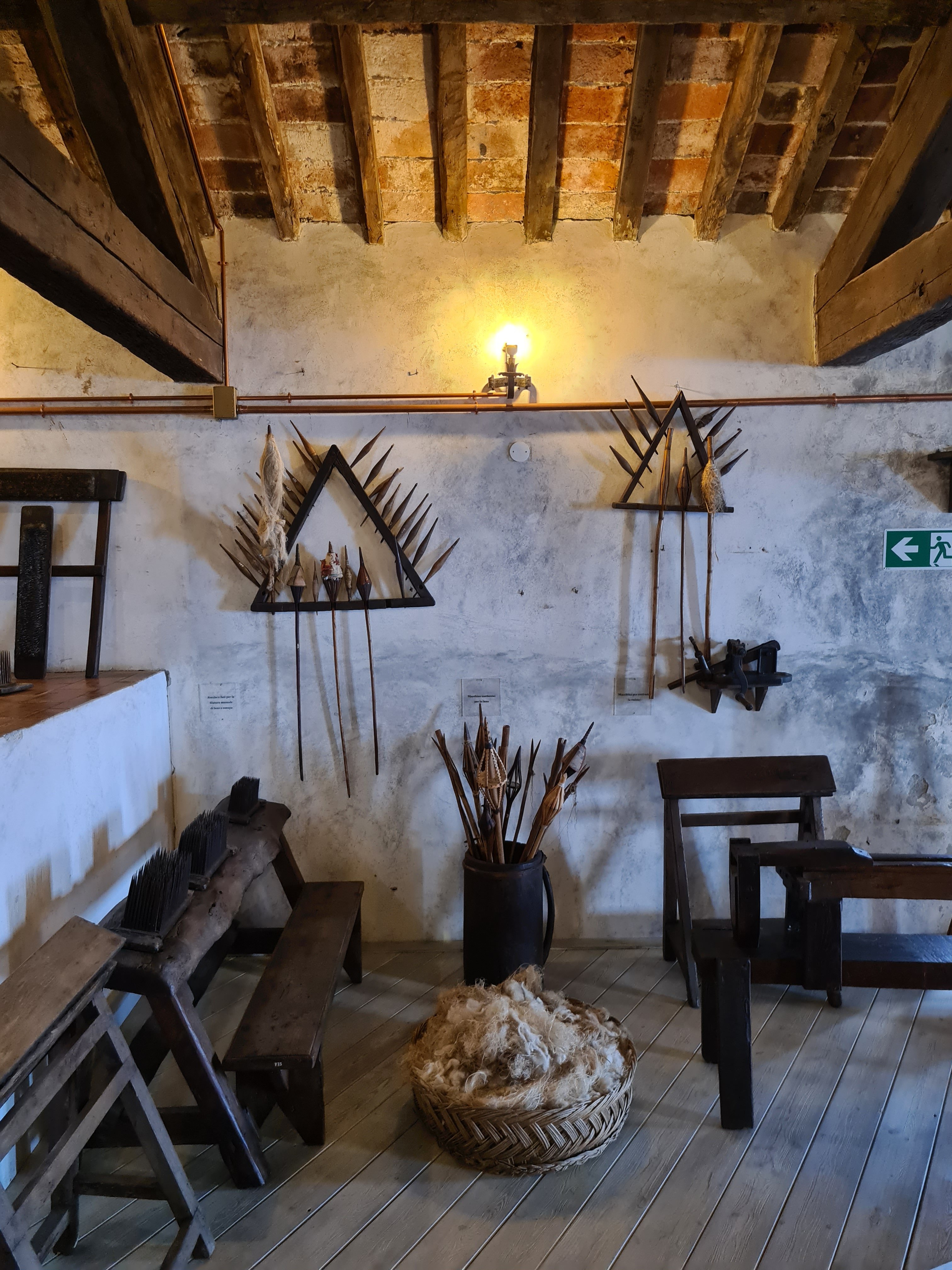
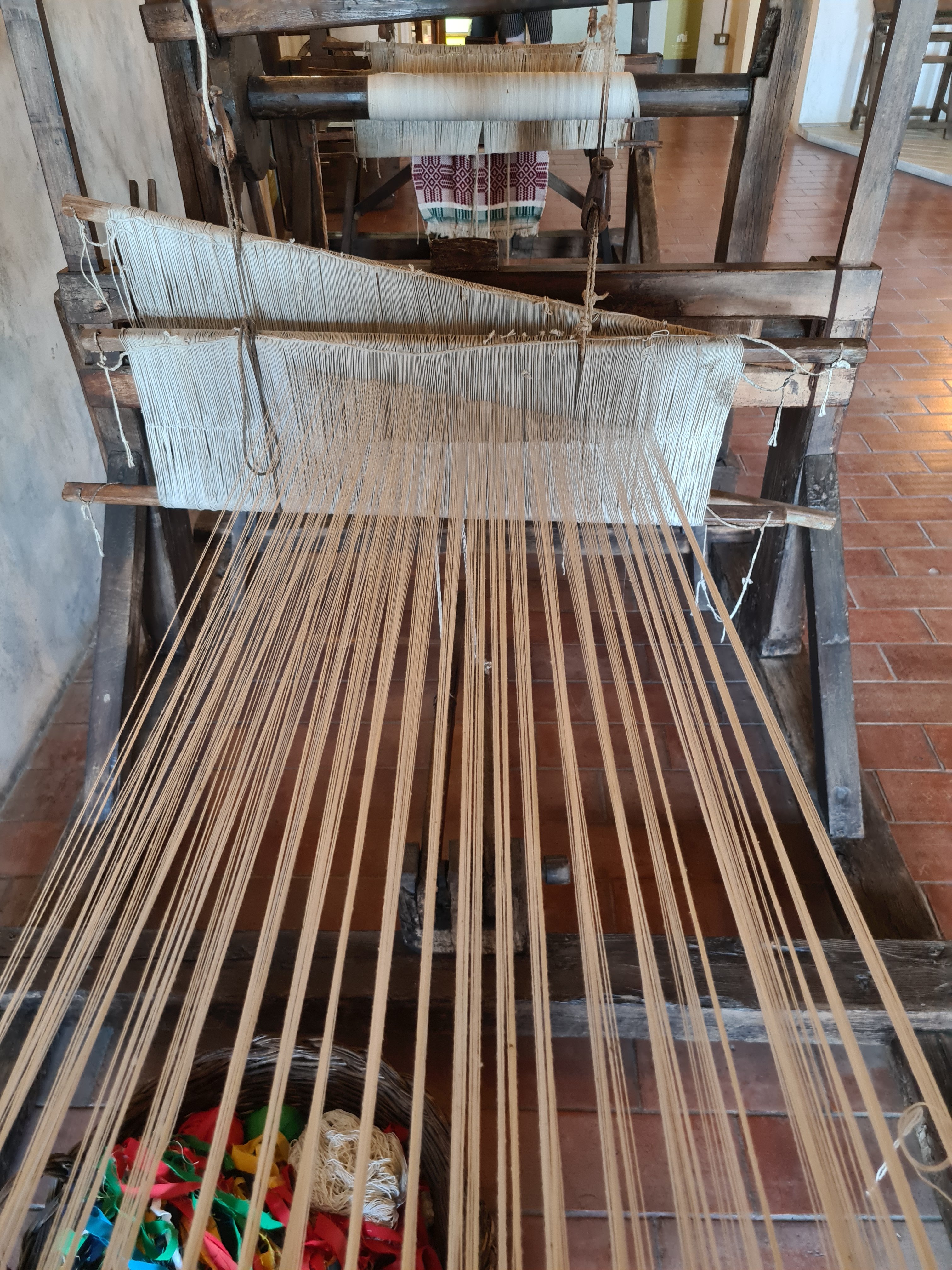
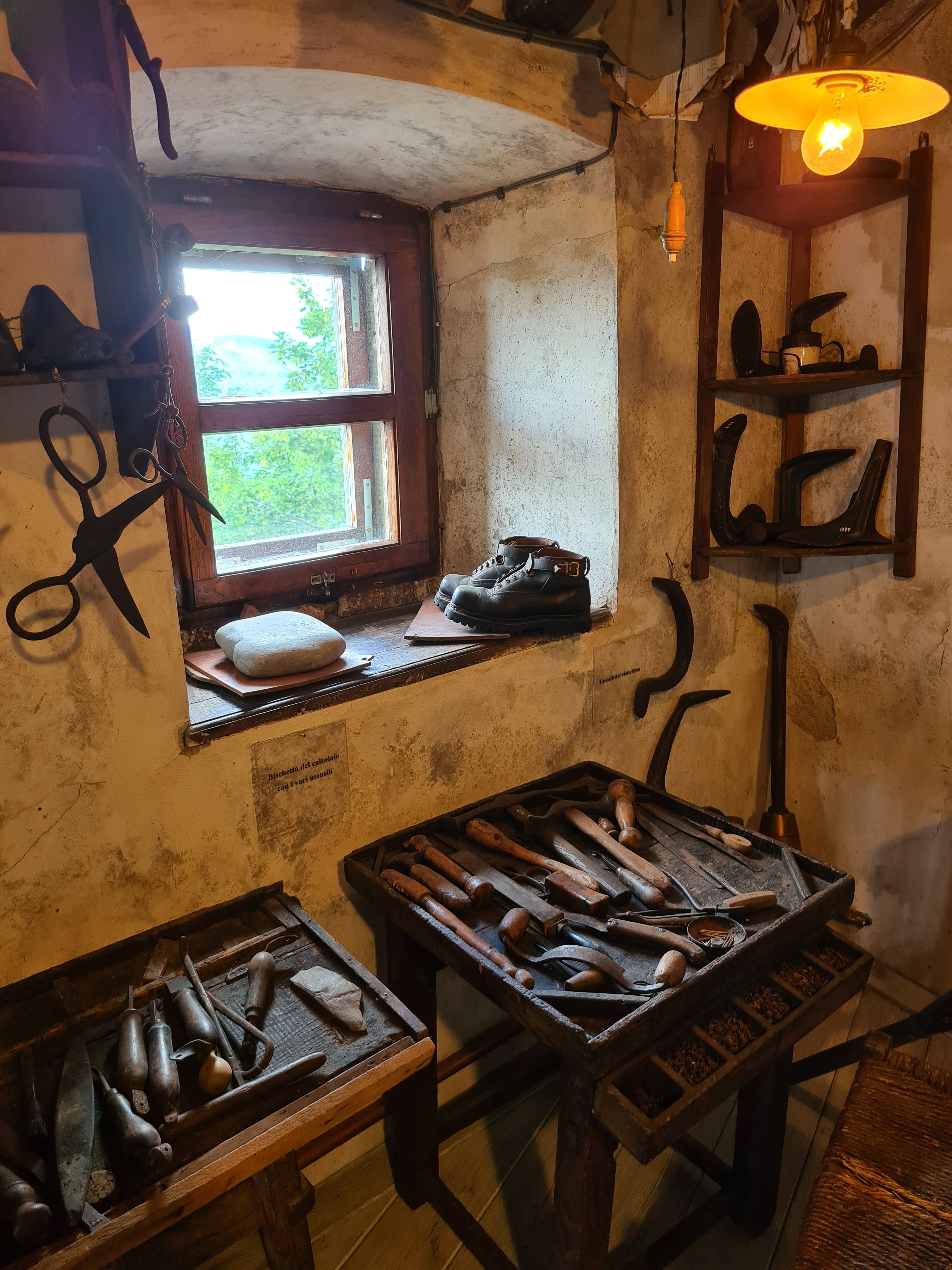
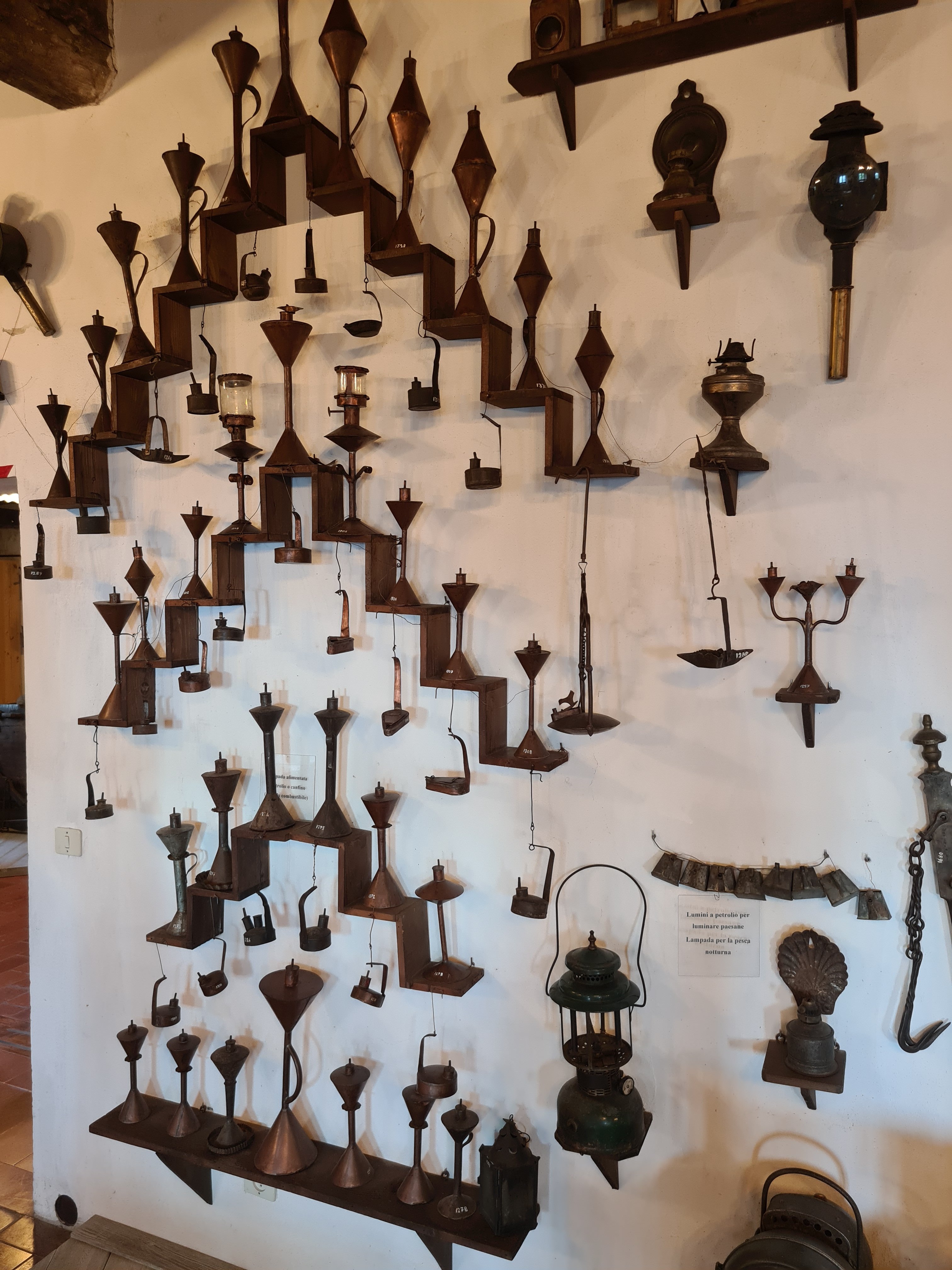
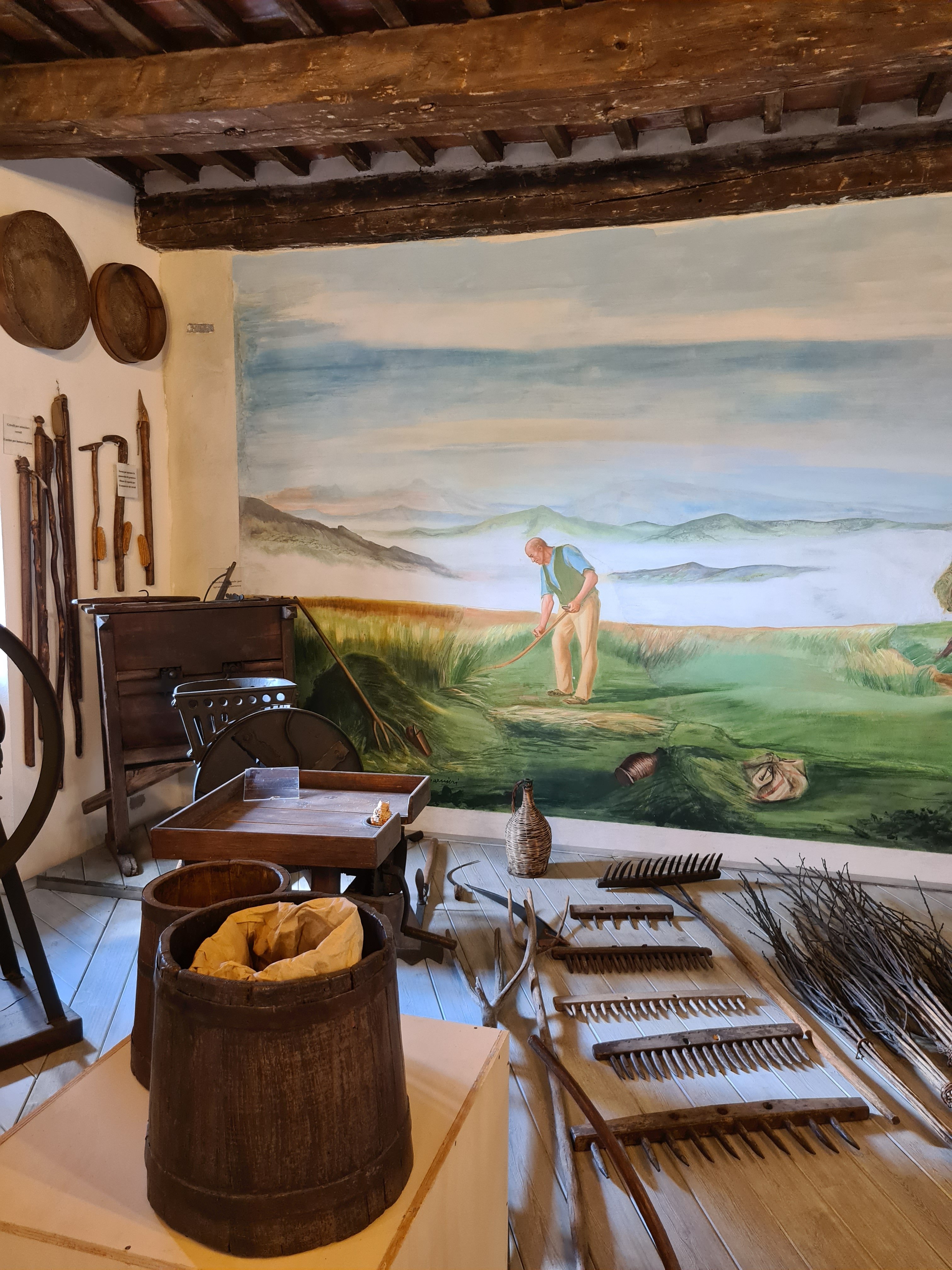
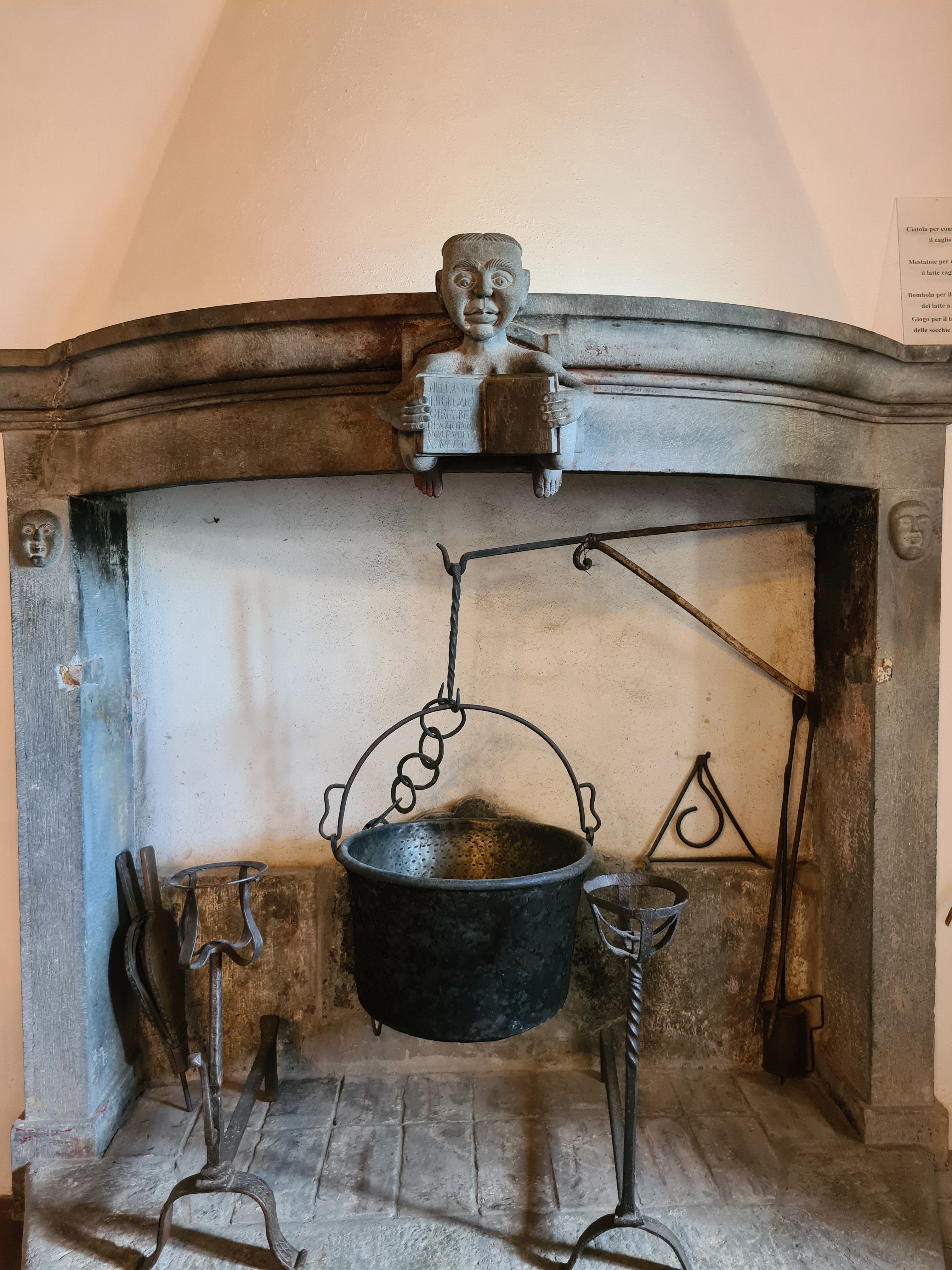
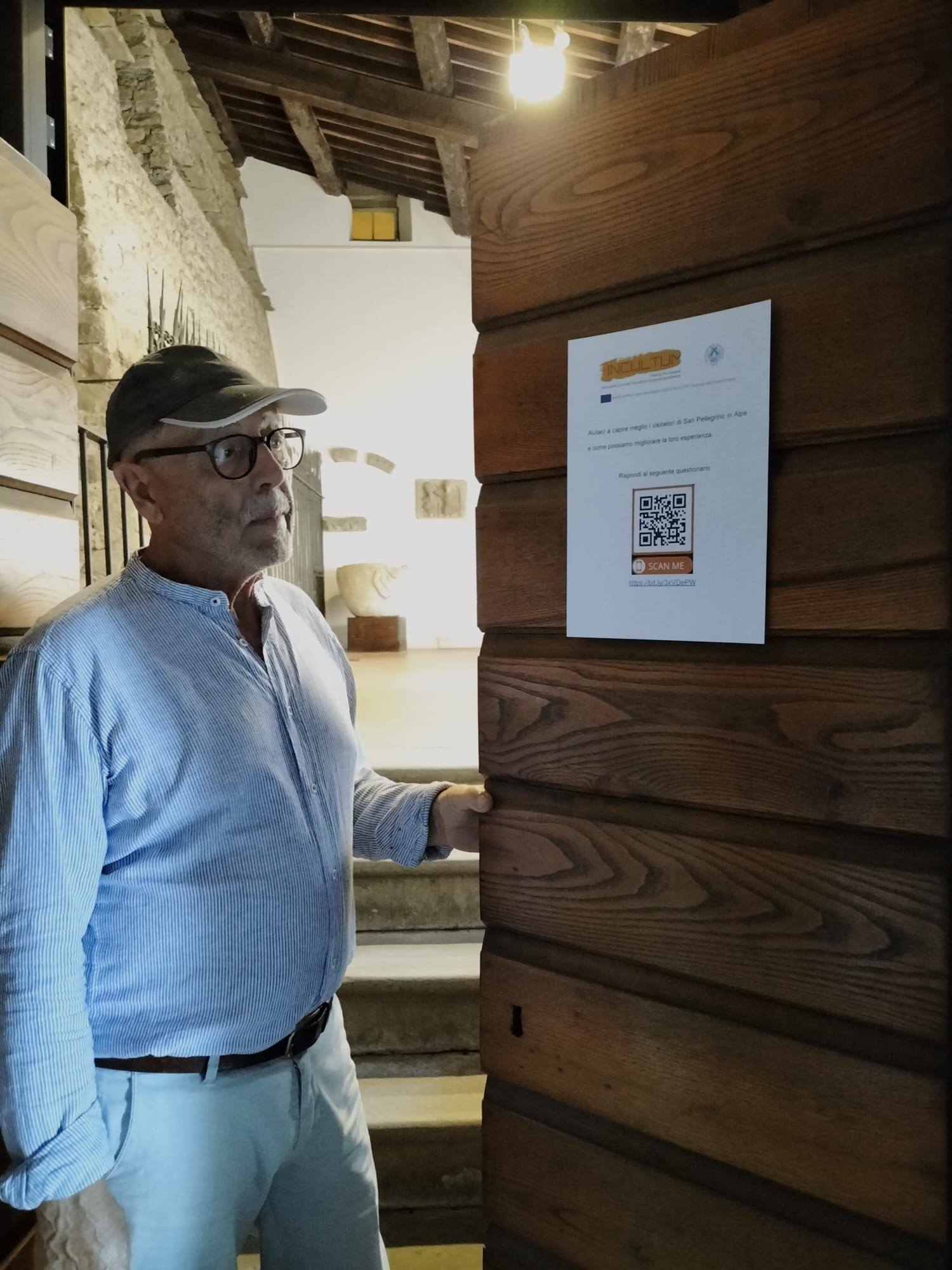
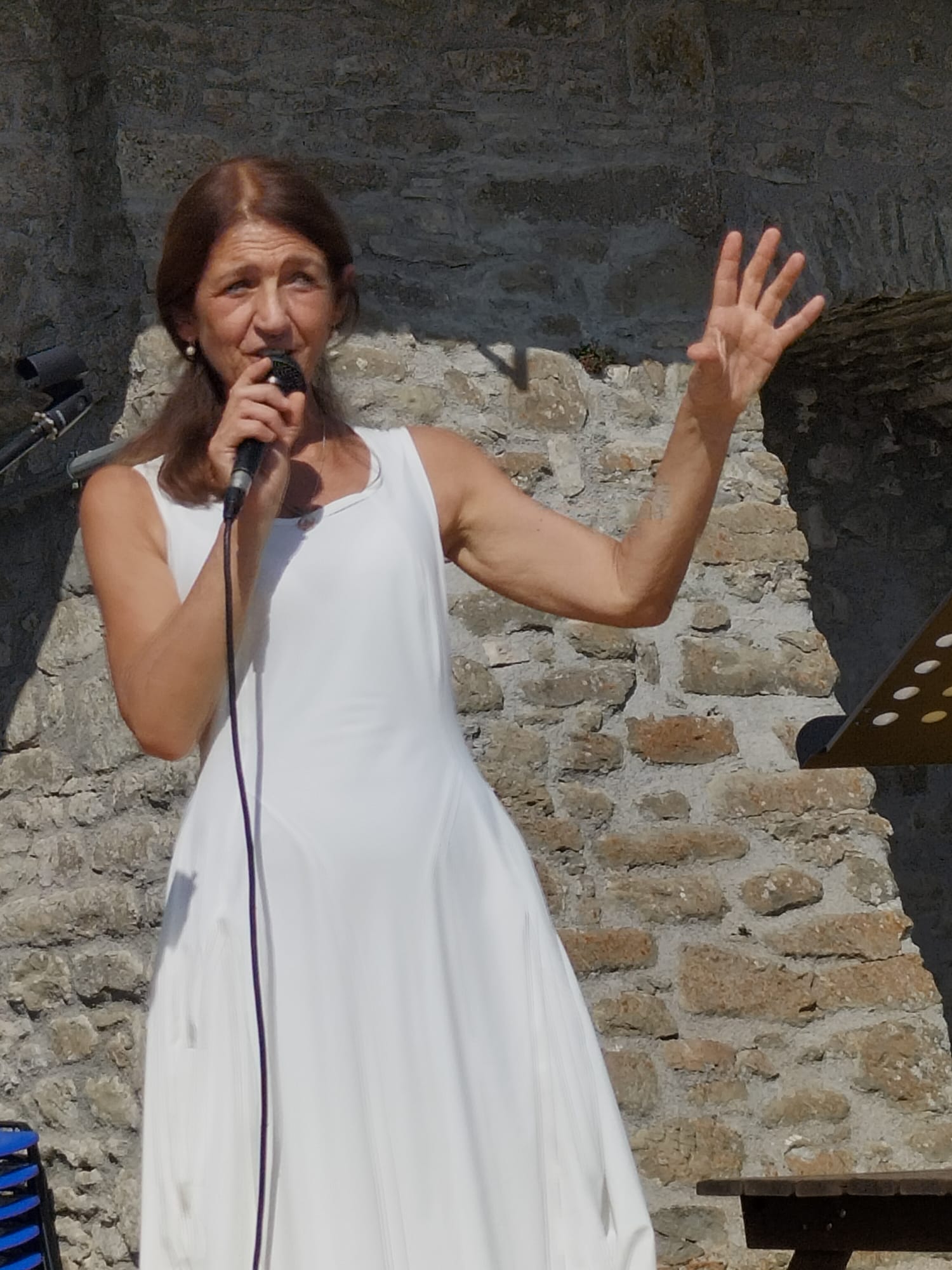
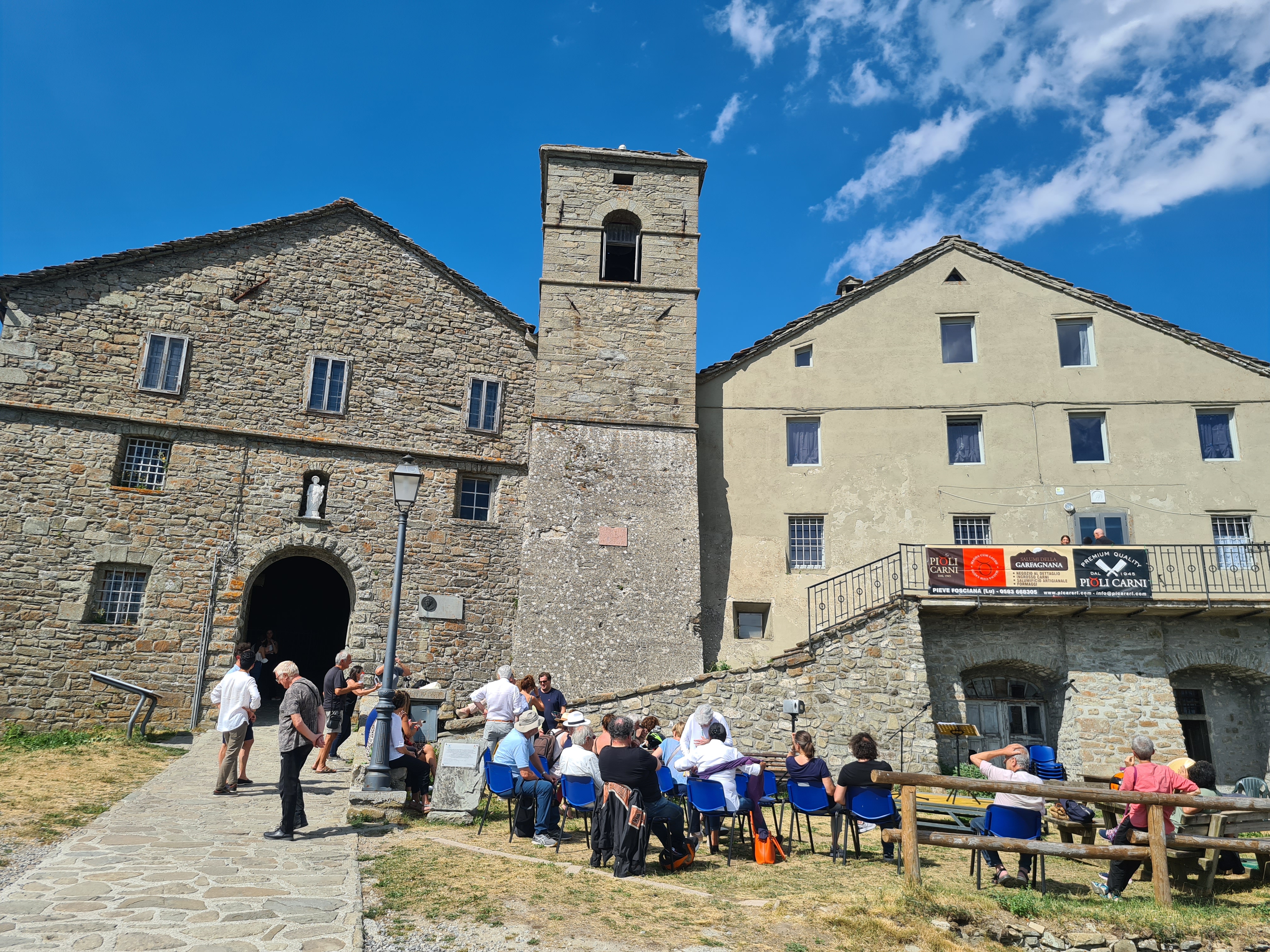
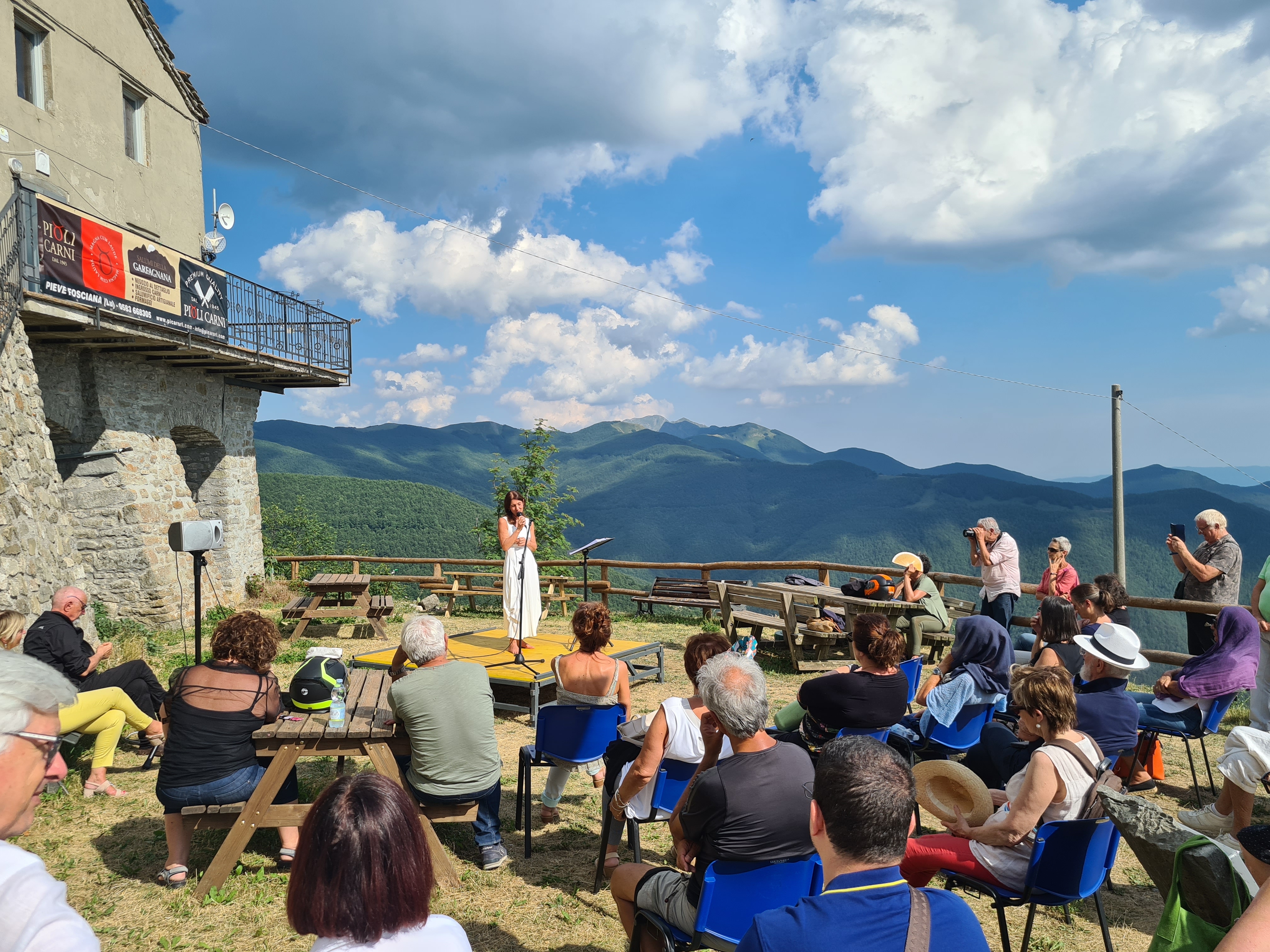
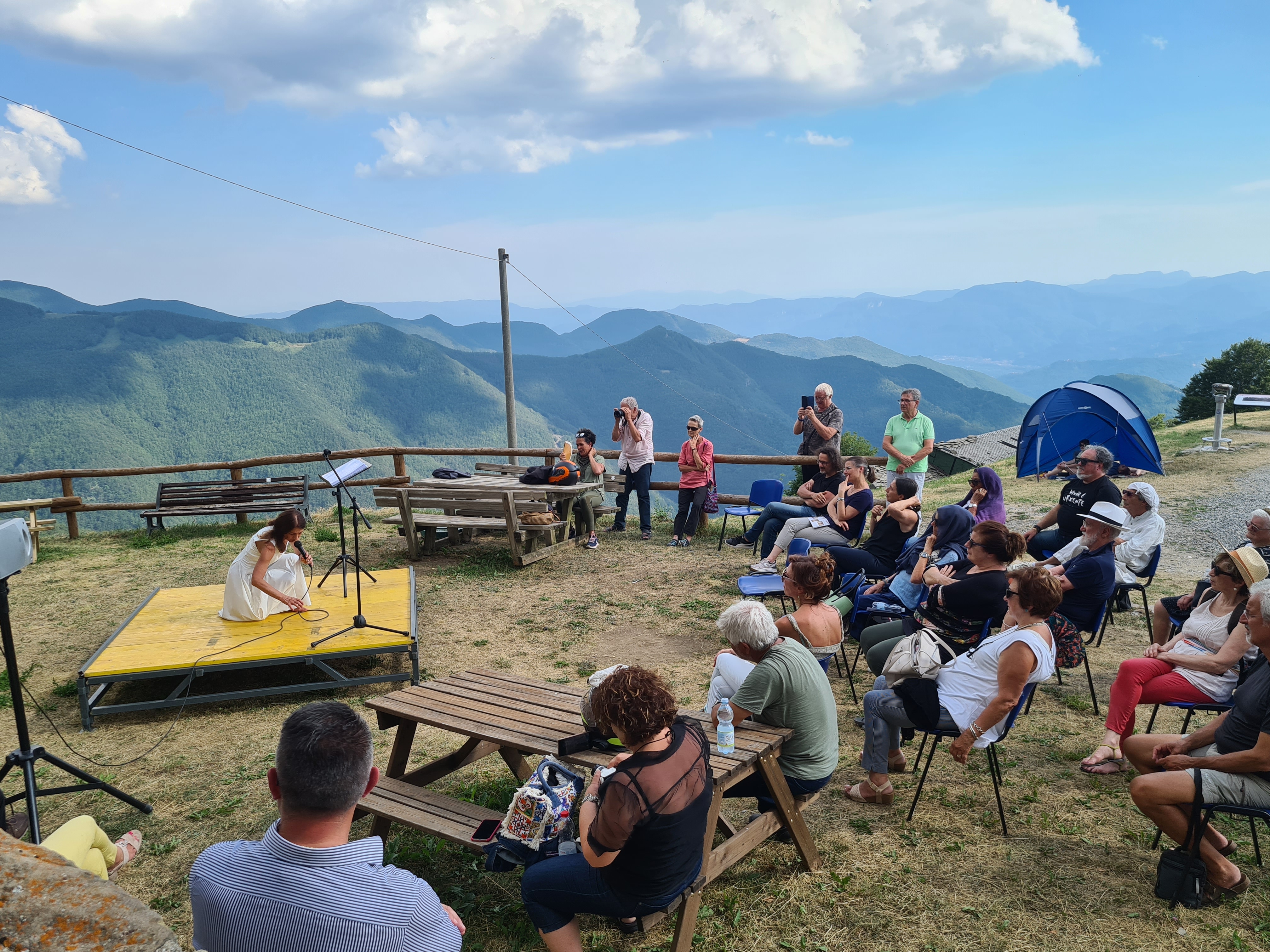
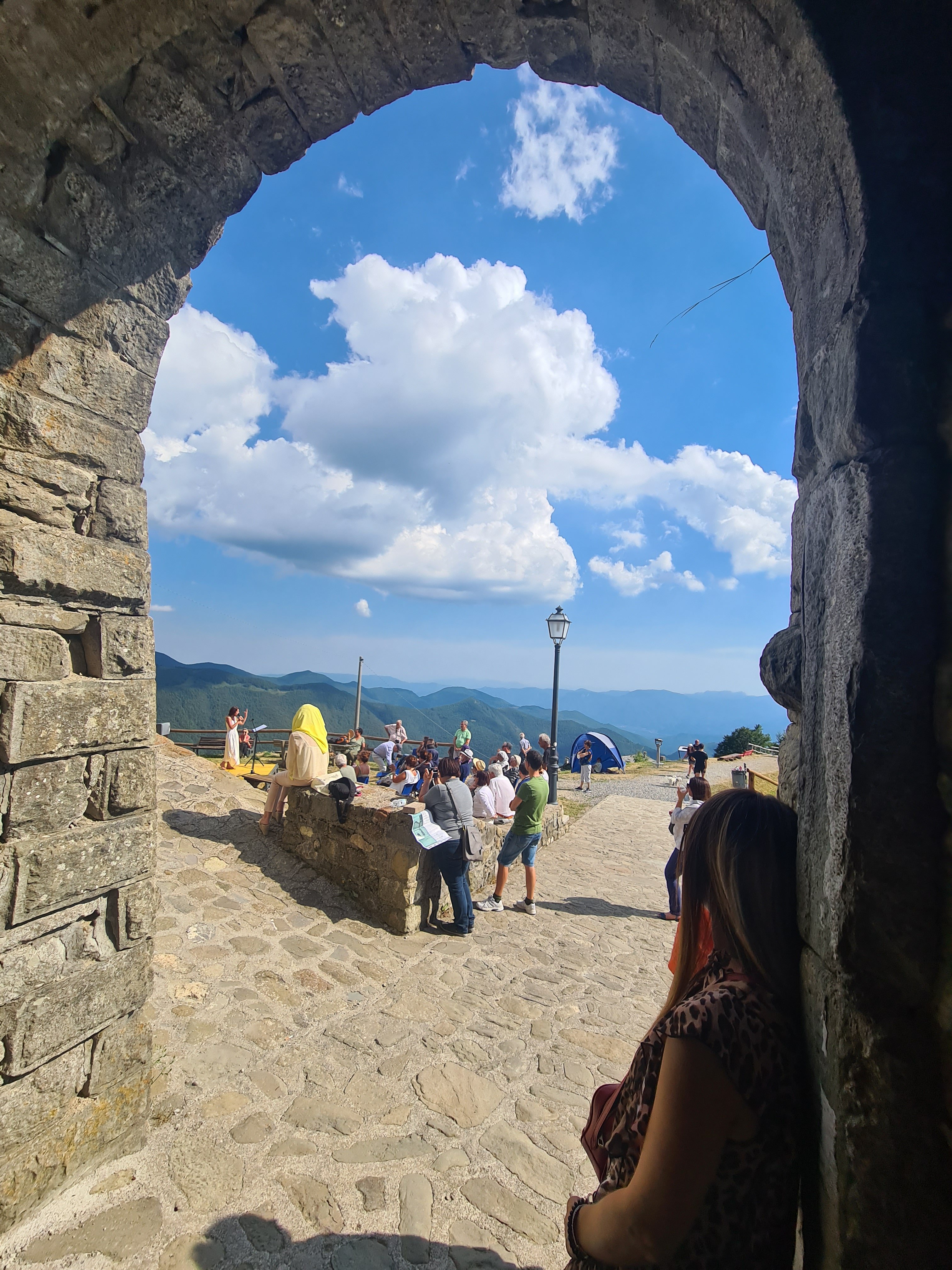
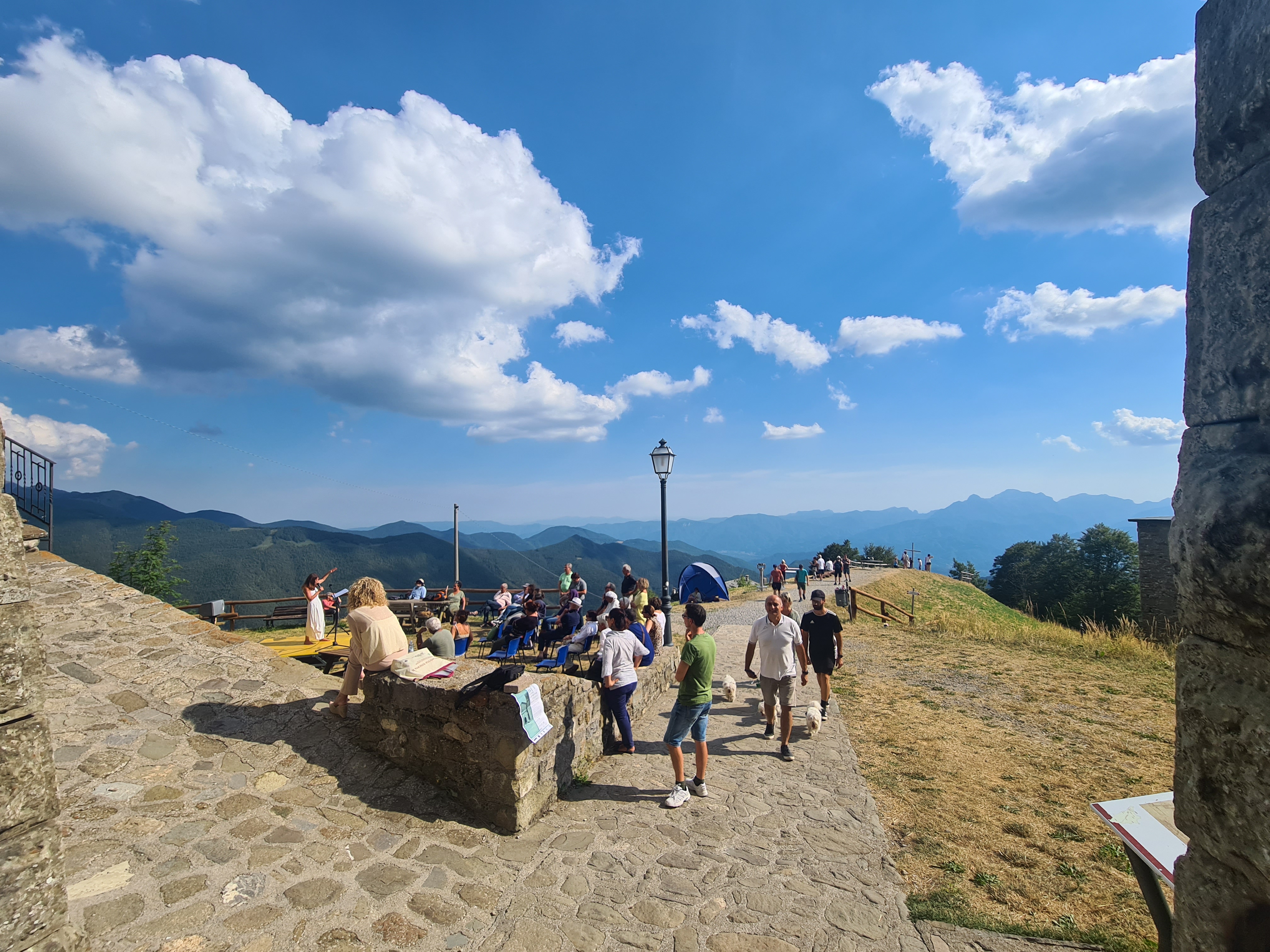
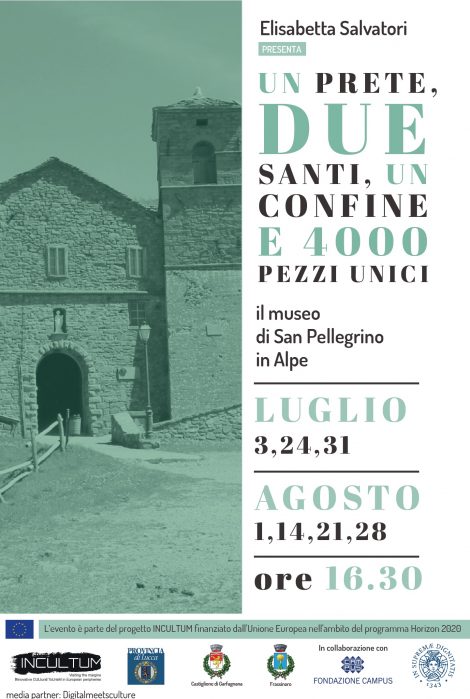 One of the Pilots of the INCULTUM project, aiming and empowering sustainable cultural tourism in peripheral areas with communities engagement, is coordinated by the University of Pisa and is set in the beautiful landscape of the Garfagnana in Tuscany. Crowned by a beautiful landscape, the small village of San Pellegrino in Alpe offers a varied touristic and cultural offer, including a small but very nice Ethnographic Museum.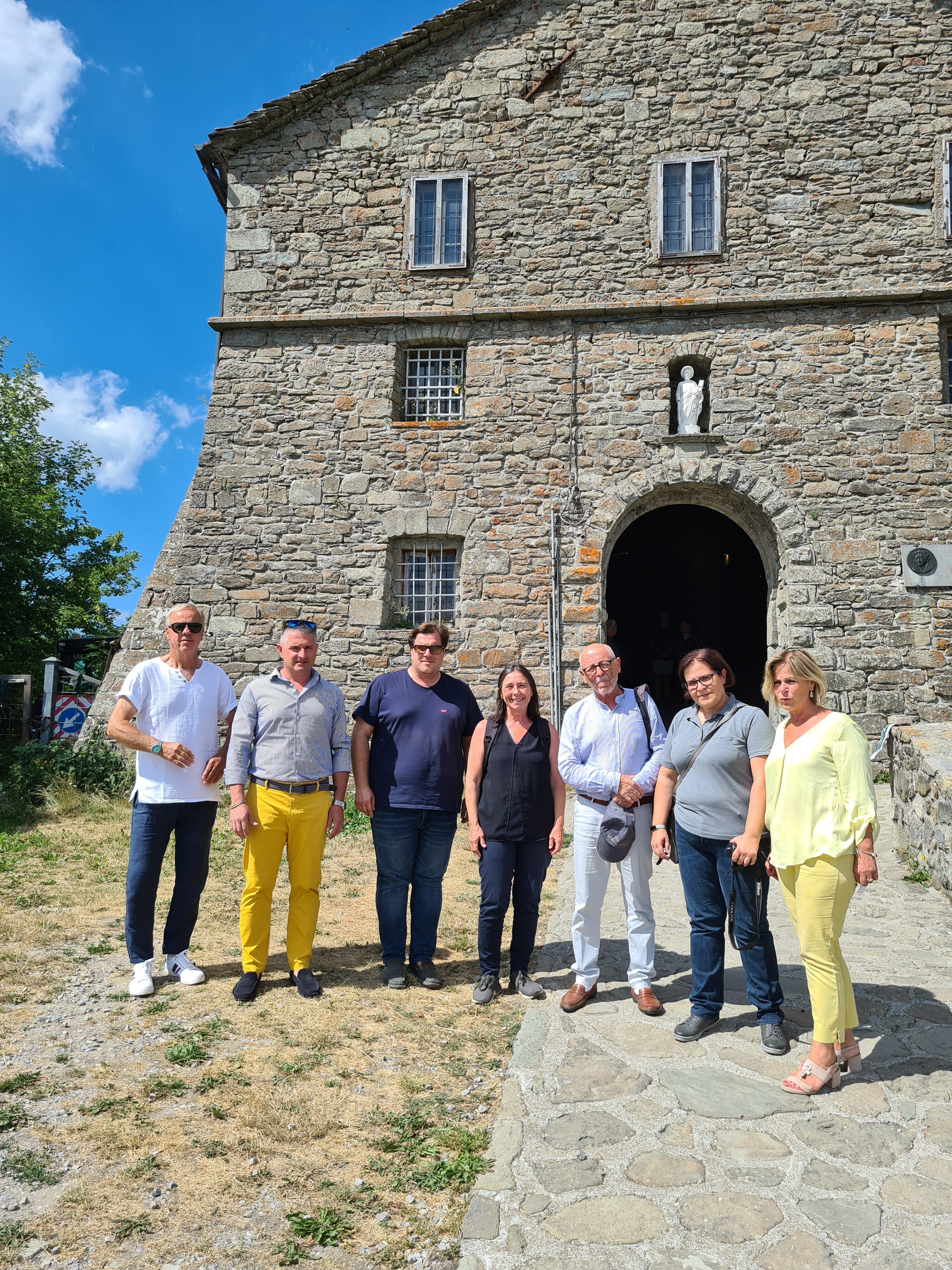
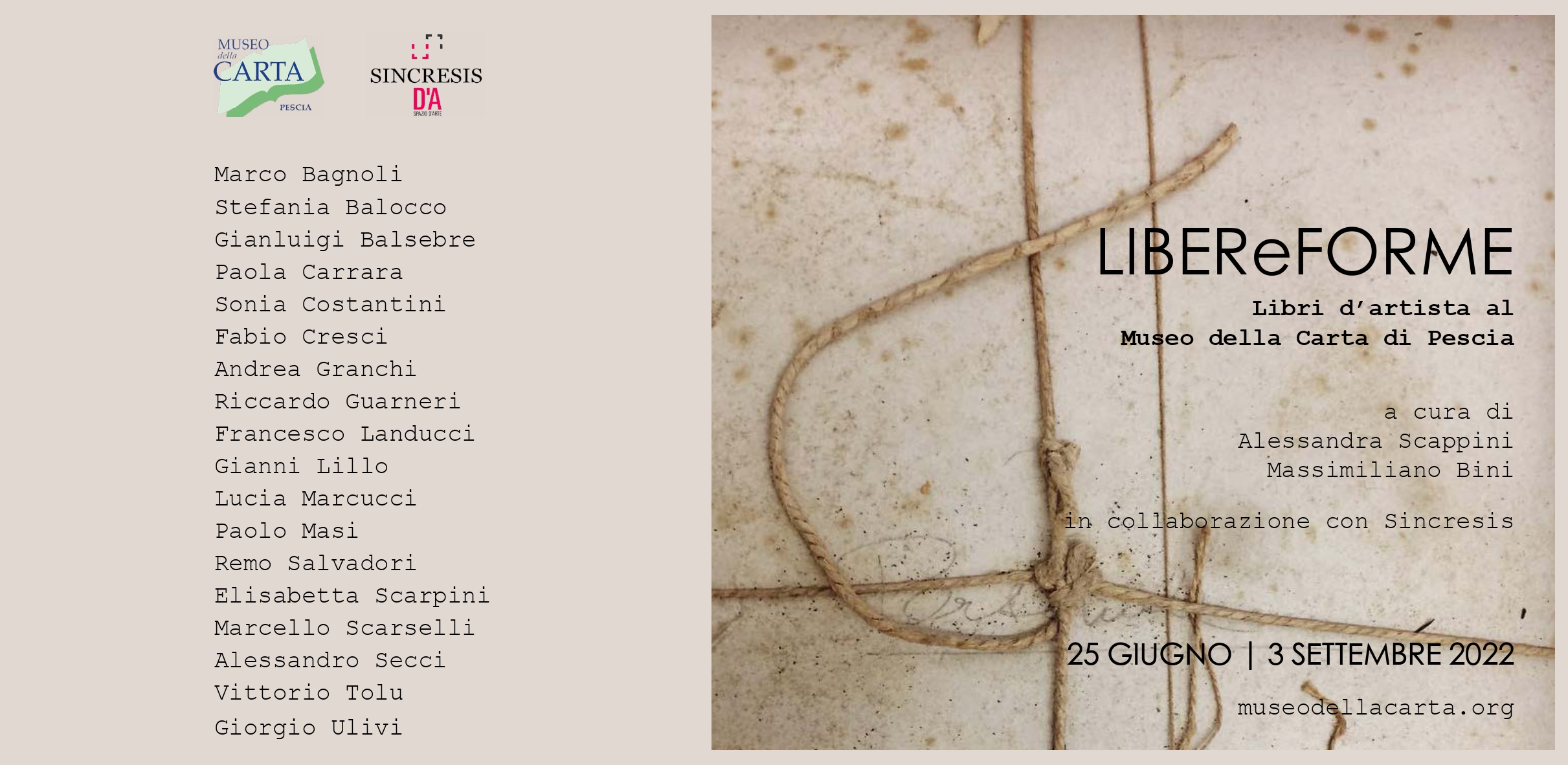 LIBEReFORME