

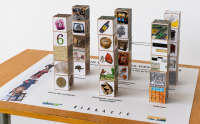
Developed by project partner Bibracte in the context of EUreka3D-XR, two Open Educational Resources (OER) on XR technologies and cultural heritage: “On the Shoulders of the Celts – How yesterday’s inventions have made today’s digital world possible“, a step-by-step guidance … Continue reading
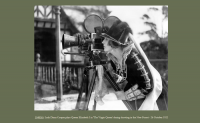
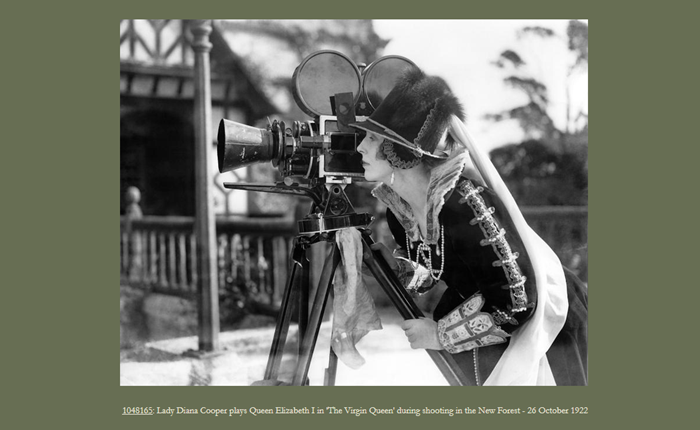
To mark the 2026 World Day for Audiovisual Heritage, prestigious British Archive TopFoto has organised an online event, “Topfoto: Past, Present and Future of Press Photography” online on Octber 27th. The event will explore how press photographs move from newsroom … Continue reading

On 12–13 November 2026, the JPEG Committee will organise the first JPEG Trust Summit at the Alan Turing Institute in London, bringing together international experts from cultural heritage, media, industry, government, academia and standardisation. Download the preliminary programme: JPEG Trust … Continue reading
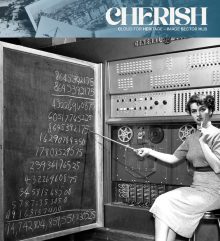
As cultural heritage increasingly moves into digital environments, professionals and organisations working with images and photographic collections face a range of challenges — from digitisation and data management to interoperability, access, reuse and the adoption of new technologies. In the context … Continue reading
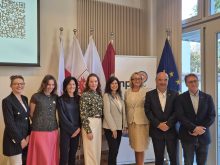
DIGICHer (Digitisation of the cultural heritage of minority communities for equity and renewed engagement), is an ambitious project funded by the European Union’s Horizon Europe programme. Running from February 2024 through to January 2027, DIGICHer focuses on the legal, political, … Continue reading
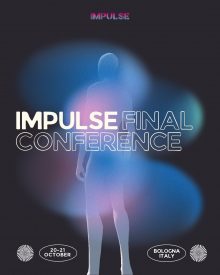
The IMPULSE — IMmersive digitisation: uPcycling cULtural heritage towards new reviving StratEgies project Final Conference marks the culmination of three years of collaboration, experimentation, and innovation at the intersection of cultural heritage, education, and immersive technologies. Hosted by the University … Continue reading

The final conference of the SECreTOUR project is taking place in Granada on 19-20 November 2026. The first day on 19/11 starts in the morning with the welcome messages delivered by the representatives of the Coordinator University of Granada, followed … Continue reading

Written by Igor Fomin, founder of MuseScope In May 1945 the Dutch painter Han van Meegeren was arrested in Amsterdam. A previously unknown Vermeer had turned up in the collection of Hermann Göring, and the sale was traced back to … Continue reading

CONFERENCE – Gipsoteca dell’Arte Antica | Piazza San Paolo all’Orto 20, Pisa Presentation of the NET Architecture Project – “Detox Land” Enrico Nieri and Anna Paola Fagioli illustrate the network of “Detox” urban areas in the city of Pisa, characterized … Continue reading
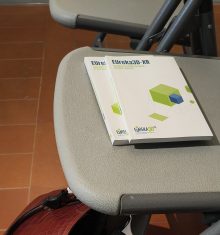
EUreka3D and EUreka3D-XR were presented by Project Coordinator Antonella Fresa at Digital Signs – Human and Artificial Intelligence for the arts and the creative industries of the third millennium symposium, hosted by the Museum of Graphic Arts in Pisa to discuss … Continue reading
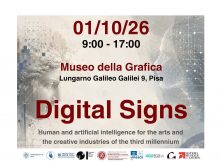
Starting from the sign as a foundational element of the creative act—its becoming meaning, writing, and structure—scholars from different disciplines, ranging from art history to design, from philosophy to mathematics, and from the natural sciences to astronomy, will explore AI … Continue reading
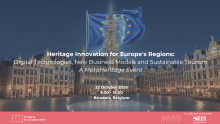
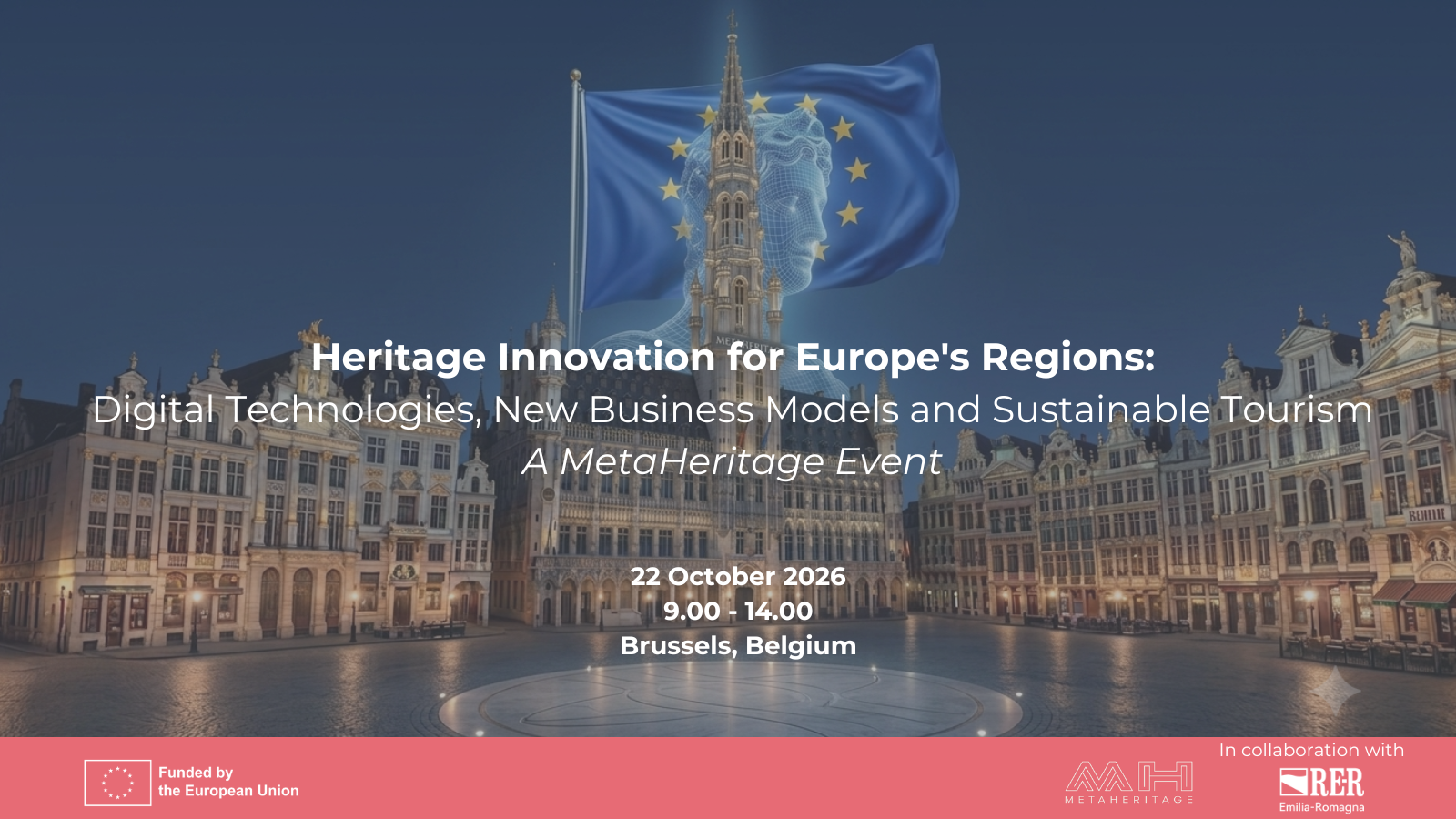
On October 22nd (9am-2pm)in Brussels, MetaHeritage will host its final event Under the title “Heritage Innovation for Europe’s Regions: Digital Technologies, New Business Models and Sustainable Tourism”, the event will bring together stakeholders from cultural heritage, digital innovation, tourism and … Continue reading