Next stop: Malmö Museum, in Malmö, Sweden from February 15 to June 7, 2020
Text by Caterina Sbrana.
Bologna, January 4.
Welcome to MAST Foundation (Arts, Experience and Technology), an international cultural and philanthropic institution that focuses on art, technology and innovation.
Welcome to Anthropocene, a multimedia exploration of the human footprint on Earth. For the first time in Europe an exhibition investigating the impact of man on our planet. 7 months of extension brought thousands of visitors to MAST. Anthropocene is an artistic, technological and human experience.
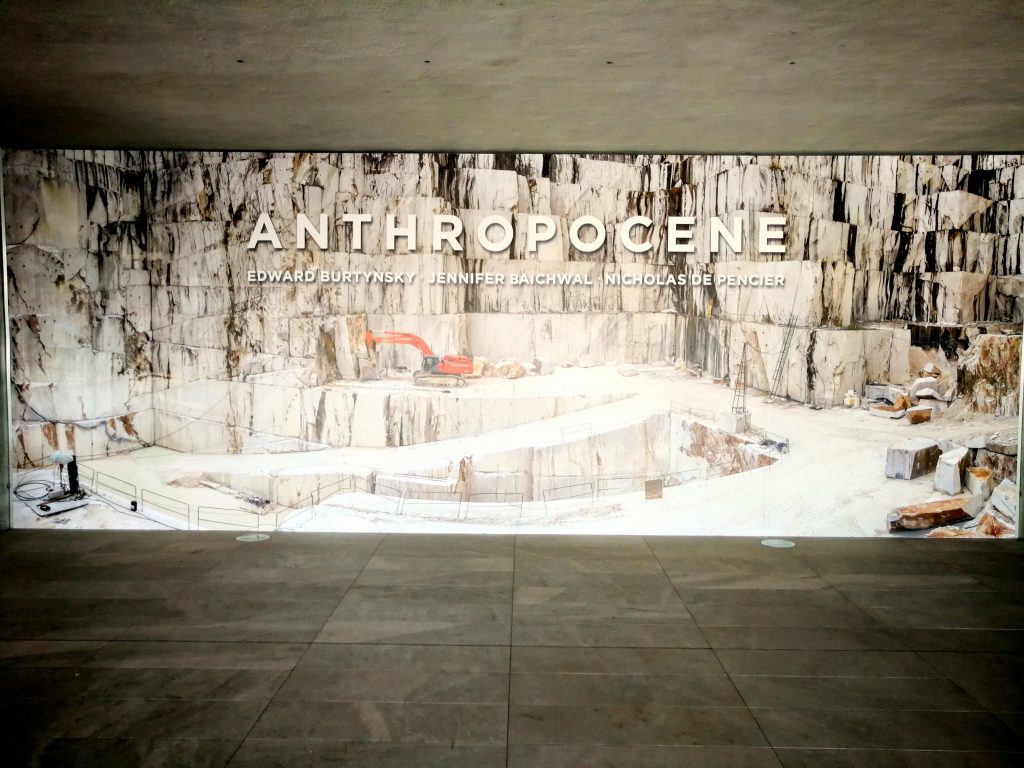
The photo at the entrance of the exhibition shows the work in the marble quarries of Carrara (ph. F. Sbrana)
The exhibition, whose next stop will be at the Malmö Museum, in Malmö, Sweden from February 15 to June 7, 2020, uses various expressive mediums: photographs, large-scale high-resolution murals, combining state-of-the-art photography and film techniques, film installations, augmented reality installations that recreate realistic-looking, near-to-scale 3D photorealistic models, on smartphones and tablets.
My first impression was to feel good. I felt like I was in a comfort zone and reason cannot be constituted by the dramatic photographs displayed, but by finding me among people with the same desire to know what Anthropocene Era represents. Each of those present was aware of the disasters that man is creating with his own hands, through urbanization, industrialization, mining, oceans acidification, climate change. The second impression has been an assessment on the involvement that interactive exhibitions have on visitors.
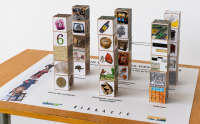
Symbol of the app AVARA
I felt, in the silence, in the words pronounced in a whisper, a concentration of emotions that the images, realized also through a sophisticated technology, determined on the visitors. I first downloaded for free on the Google Play the app AVARA on my smartphone and I began visiting the four sections of the exhibition.
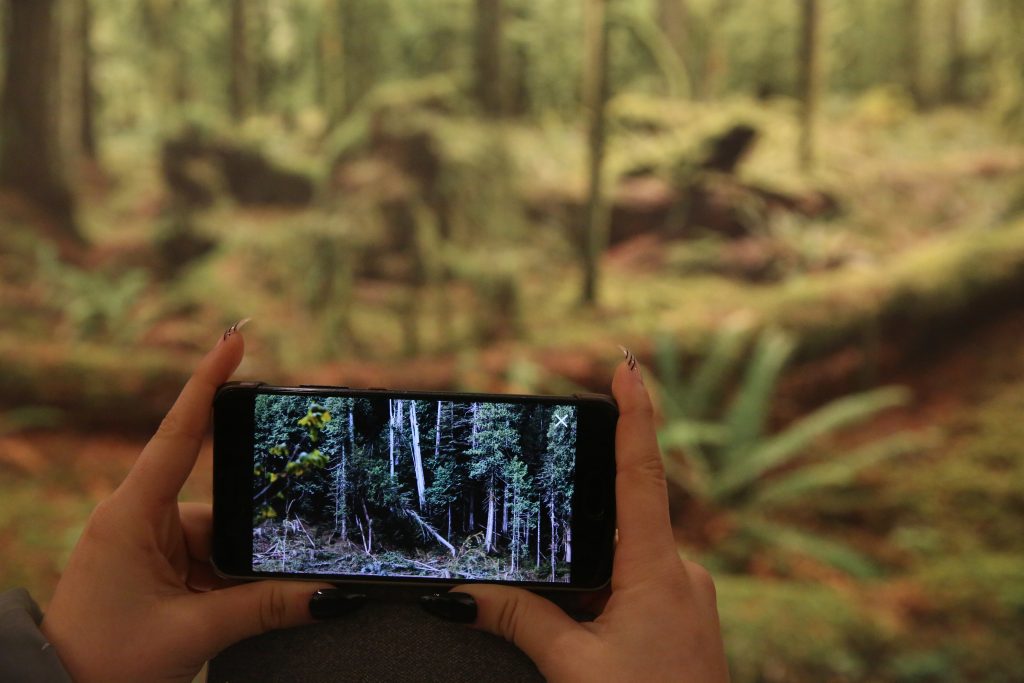
Thanks to the app AVARA you can activate the film showing the felling of dangerous trees, in Cathedral Grove forest, in Canada (ph. F. Sbrana)
Edward Burtynsky is the author of the 39 photographs in exposition; Jennifer Baichwal and Nicholas de Pencier of the films and immersive augmented reality installations.
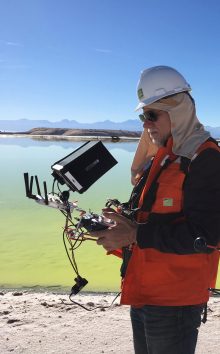
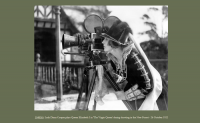
Edward Burtynsky on location at SQM lithium operation Chile (Photograph: Jim Panou, courtesy of Anthropocene Films Inc. © 2018)
In the photographs Burtynsky’s lens captures breakwater barriers, natural resource extraction processes and oil bunkering in the Niger Delta, deforestation, large transport infrastructures, climate change, lithium, copper and coal mines and many different forms of pollution.
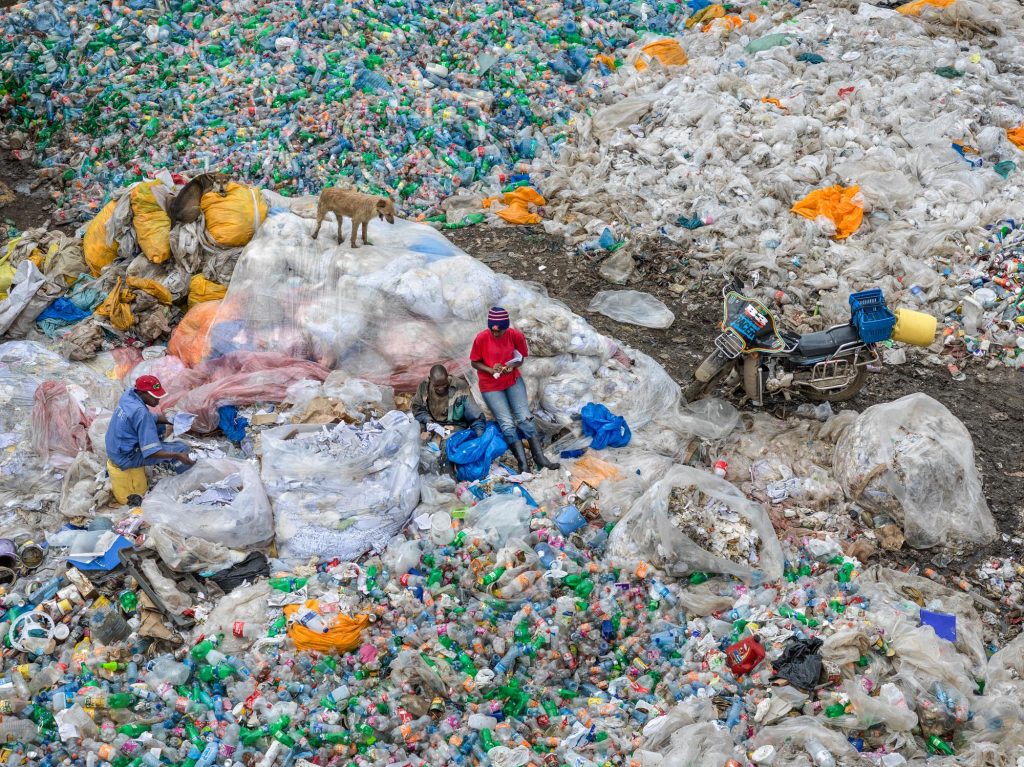
Dandora Landfill #3 Plastics Recycling Nairobi Kenya 2016 (photo © Edward Burtynsky, courtesy Admira Photography, Milan / Nicholas Metivier Gallery, Toronto)
The films prepared by Jennifer Baichwal and Nicholas de Pencier show the Gottard Base Tunnel in Switzerland, mega train transport of coal in Wyoming, USA; felling and explosion of dangerous trees in Cathedral Grove forest on Vancouver Island, Canada; the scale of industry in the mining town of Norilsk, Russia etc..
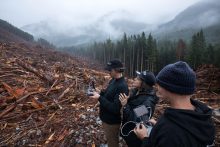
Nicholas de Pencier and Jennifer Baichwal Vancuver Island British Columbia (Photograph: TJ Watt,
courtesy of Anthropocene Films
Inc. © 2018)
Three HD film installations provide a detailed illustration of a phosphate mine in Florida, a Texas oil refinery and the Great Barrier Reef in Australia which has been subjected to severe coral bleaching. A high-resolution mural strikes me: the extraction process in the marble quarries of Carrara. My maternal grandfather was a “cavatore” (person working in marble quarries). I have seen marble quarries since I was little. Today part of the mountain is no longer there.
Another heartbreaking image is represented by the historic bonfire ordered by President Kenyatta, in Kenya, to burn the stacks of ivory tusks confiscated from poachers in 2016. 105 tonnes of ivory burned to stop illegal trafficking and killing elephants and rhinos. The video of the numerous piles of elephant tusks going up in smoke is something that cannot be forgotten.
Completing the exhibition is the documentary film Anthropocene: The Human Epoch, co-directed by the three artists and narrated by Academy Award-winning actress Alicia Vikander. I can only say that it was an unforgettable experience.
The project debuted in Canada, in September 2018 with the film Anthropocene: The Human Epoch. On September 28, 2018, the Art Gallery of Ontario (AGO) in Toronto and the National Gallery of Canada (NGC) in Ottawa presented simultaneous, complementary exhibitions of Anthropocene, in conjunction with Fondazione MAST, in Bologna, where the exhibition has been presented in the spring of 2019 for its European premiere.
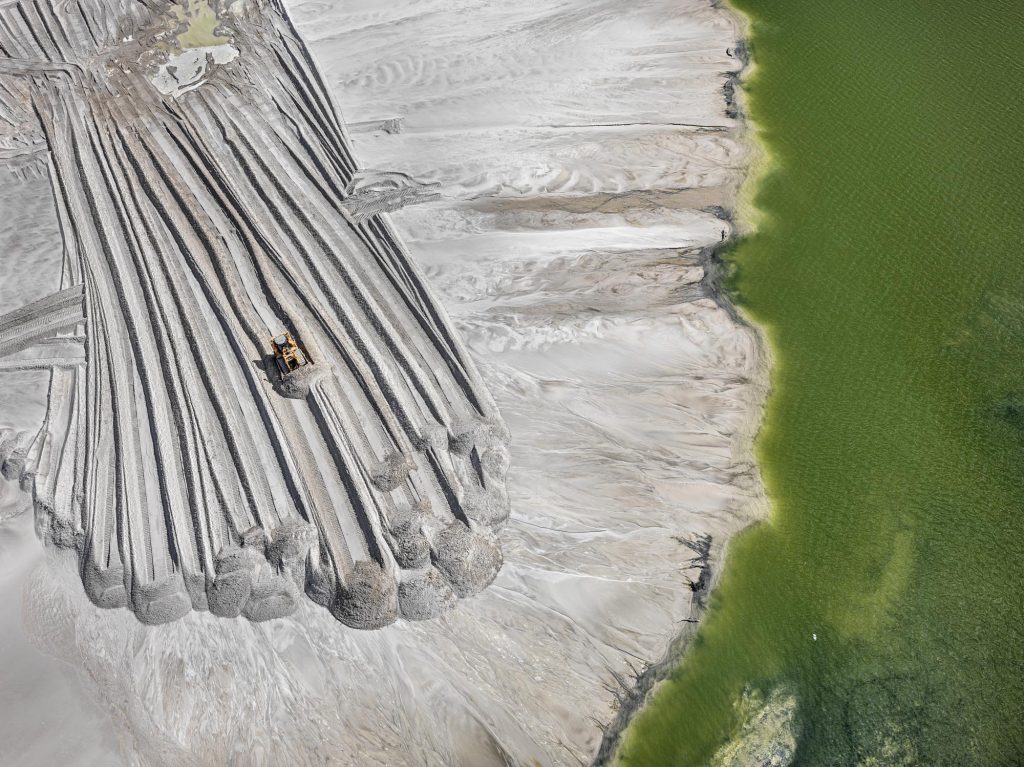
Phosphor Tailings Pond #4 Near Lakeland Florida USA 2012 (photo © Edward Burtynsky, courtesy Admira Photography, Milan / Nicholas Metivier Gallery, Toronto)
As I wrote above, the exhibition, which explores the effects of human activity on the planet, forms part of the artistic project of the Fondazione MAST, which, since 2013, has been investigating and reflecting upon the relationship between humankind and work through photo exhibition.
We thank the Fondazione MAST, in Bologna, for all information and photographic materials made available to us.
MAST: Via Speranza 42, Bologna, Italy
www.mast.org/about-us
www.anthropocene.mast.org
https://malmo.se/Uppleva-och-gora/Besoksmal/Malmo-Museer/Utstallningar/Kommande-utstallningar.html




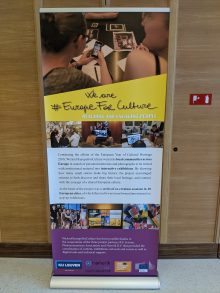
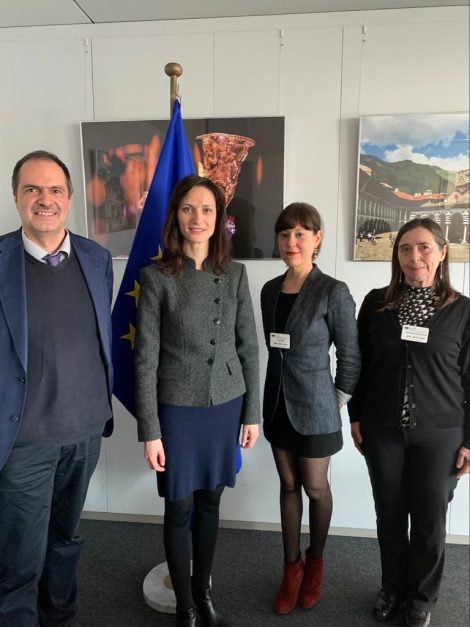 The project coordinators Fred Truyen, Antonella Fresa and Sofie Taes were received by the European Commissioner for Innovation, Research, Culture and Education, Youth and Sport Ms. Mariya Gabriel who expressed kind words and congratulations for the active engagement in the WeAre#EuropeForCulture project, “making sure that cultural heritage is accessible to all people”.
 ARCH is an European funded project led by Fraunhofer Institute for Intelligent Analysis and Information Systems IAIS (Germany) with participation of four European municipalities (Bratislava, Camerino, Hamburg, Valencia), research scientists, city network ICLEI and standardisation organisation DIN.
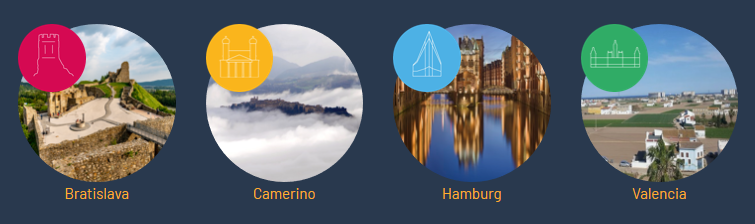 Camerino (Italy) was an important medieval city and has a rich and prestigious historic town centre. It was hit by devastating earthquake in 2016 that caused serious damage. Camerino is also at risk of hydrogeological events and heavy snow.
 The 1st February started a new EU project, UNCHARTED, focused on the valuation practices of the actors involved in cultural life.
 The 7th February will take place in Paris the first meeting to kick off all activities of the new EU project UNCHARTED.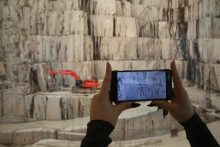
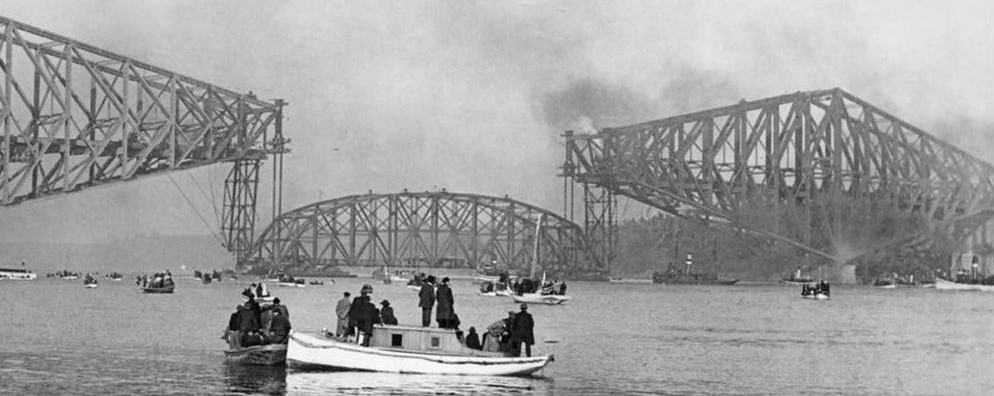 The Canada Research Chair in Urban Heritage of Université du Québec à Montréal, in collaboration with the Association québécoise pour le patrimoine industriel (Quebec association for industrial heritage) and with the support of Tourisme Montréal, will be hosting the 2021 TICCIH Congress in Montreal, from August 30th to September 4th, 2021.
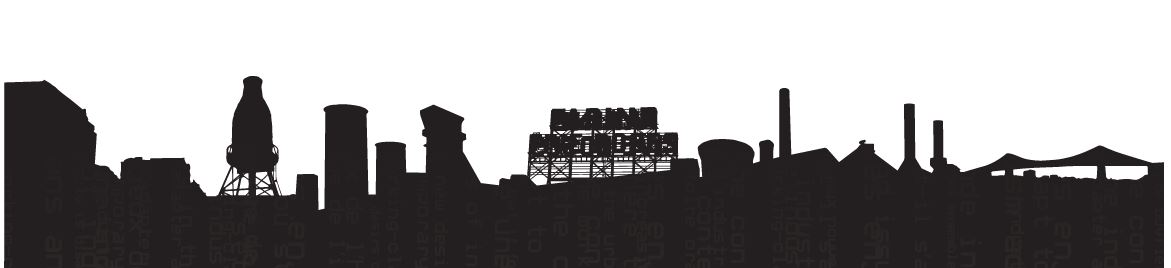 The deadline for the call for sessions and papers is January 31st 2020.
 The University of Rijeka, one of the largest and the most cosmopolitan city in the country, concurrently the 2020 European Capital of Culture, is pleased to welcome you to this three-day HERItage conference organized under the auspices of the Ministry of Science and Education of the Republic of Croatia and the European Commission as part of the Croatian Presidency of the Council of the European Union.
 The past 14th January,
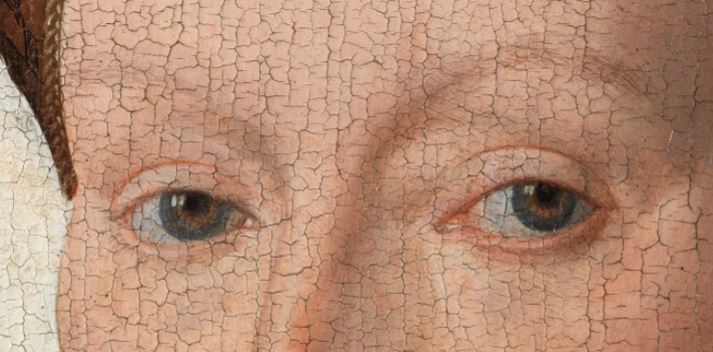
 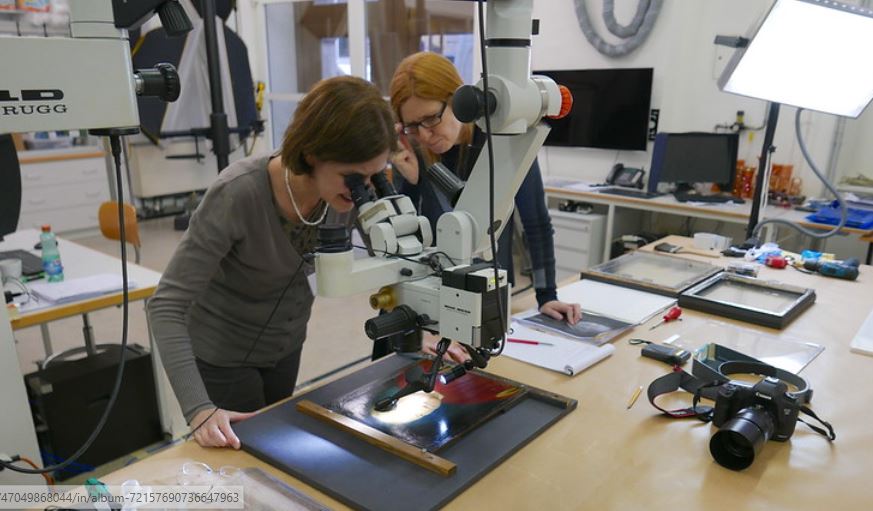 All this was made possible by the implementation of the VERONA (Van Eyck Research in OpeN Access) project, lunched by the The Centre for the Study of the Flemish Primitives at KIK-IRPA in order to study the creative process of Jan van Eyck (c. 1390-1441) and the different hands involved in the paintings of his workshop by using the same scientific imaging techniques.
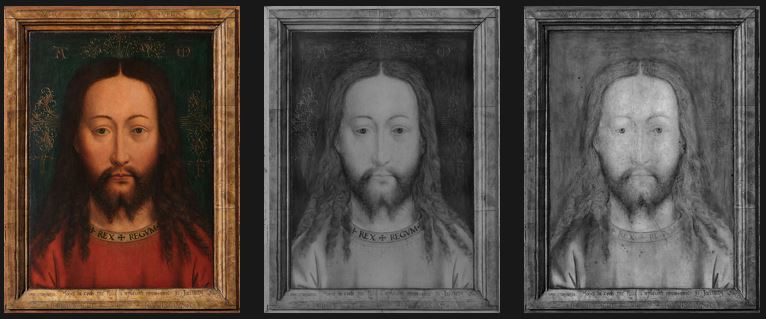 The digital portal will be a reference for comparative research on the work of Van Eyck. Researchers will be able to study for the first time the differences and similarities in the artist’s technique on the basis of the same comparative material.