

 For the last (full) week of September, 22nd – 26th, at Brighton Digital Festival, Wired Sussex will be coordinating Creative, Digital & IT Open Studios, an event which provides an opportunity for local businesses to lift the curtain on what goes on behind the scenes in the sector.
There lots of benefits to getting involved. As well as being a unique chance for the public, students, graduates and peers to see your business, the week provides:
- an amazing source of exposure and advertisement (not only will you be on Wired Sussex’ website, but also Brighton Digital Festival’s website, all of Wired Sussex’ printed media and shared via Wired Sussex’ social media)
- a great way to make contacts within the creative industry, to share knowledge and ideas
- an opportunity to collaborate with others
- a way to meet new friends in the sector
- Events can range from intimate to large-scale and can have any objective you’d like.
Last year they had some fantastic events take place, with 25 companies taking part and around 300 attendees.
Wired Sussex is a Brighton-based membership organisation for companies and freelancers operating in the digital, media and technology sector in Sussex, UK. Its goal is to support the (2500+) members in their quest to deliver innovation, creativity and growth and to enhance the reputation of this fast-growing regional cluster on the international stage.
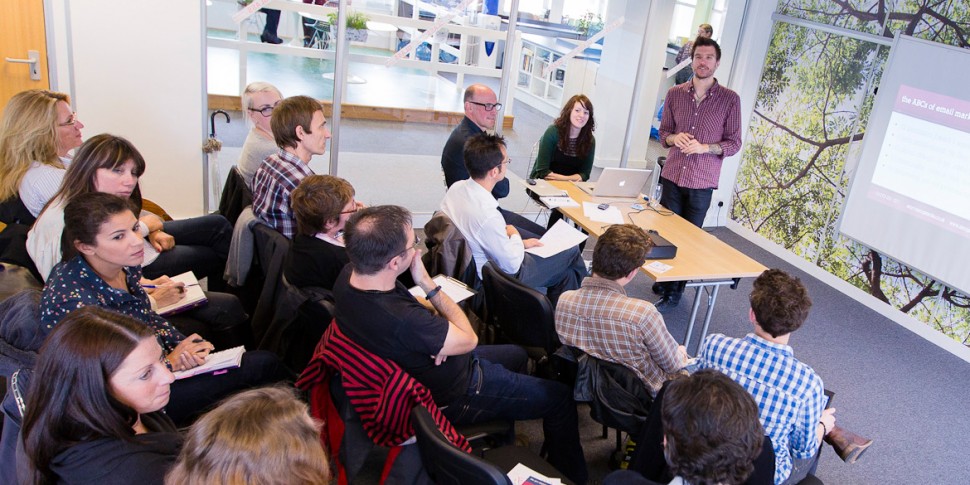
Wired Sussex IT Open Studios
Brighton Digital Festival is a community-driven grassroots festival celebrating digital arts and culture. Held throughout September (1st – 28th) in Brighton UK, BDF supports an expansive and diverse programme of events, exhibitions and conferences that are developed independently by organisers. It provides an exciting platform for a community led programme produced by a network of organisations from the arts and digital communities, alongside individuals who are passionate about digital culture.
Such open programme model has allowed the Brighton Digital Festival to showcase the richness and variety of what goes on across the City and beyond. The model also enables the festival programme to exist at a scale that would be otherwise impossible.
 In 2013, the Brighton Digital Festival drew an audience of over 41,000 people to 175 events held throughout September. The organisers are set to deliver another great festival programme for 2014 and are keen to continue growing the BDF community.
For more information visit BDF’s website and Wired Sussex’ website
If you’d like to get involved or you have any questions, please email events@wiredsussex.com

 PREFORMA (
 DAVID (

 them to the rest of the class.
 The CIVIC EPISTEMOLOGIES project is about the participation of citizens in research on cultural heritage and humanities. The project will last 16 months and it has received funding from the European Union’s Seventh Framework Programme for research, technological development and demonstration.
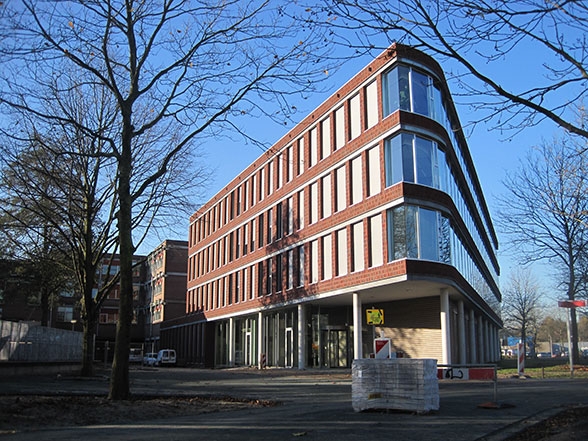



 Coventry University’s approach is in facts “Research Excellence with Impact” and in the years the University has earned a strong reputation for enterprise and innovation, which helped to secure the Times Higher Education “Entrepreneurial University of the Year” award in 2011 and the status as “Modern University of the Year” in 2014.