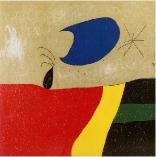
The smile of a tear, Joan Miro, 1973
An international symposium and a workshop about the forgotten shanty towns on Montjuïc opened a space of discussion on the subject of memorials from the perspective of art and contemporary thought.
With Collective Amnesia, it was explored the backside of a key concept of historiography in the last decades, namely “collective memory”, as formulated by Maurice Halbwachs. The “collective amnesia” can be considered to correspond to a formation that is generated in the wake of commemorations and memorials that declare themselves “official.” From Halbwachs’ perspective forgetting, like remembering, is a collective act. According to recent developments in the philosophy of history and contemporary thought, everything that is omitted from the past reveals much more about a given culture than what it registers as history and promotes as collective memory.
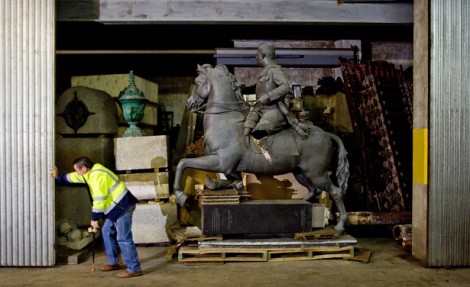
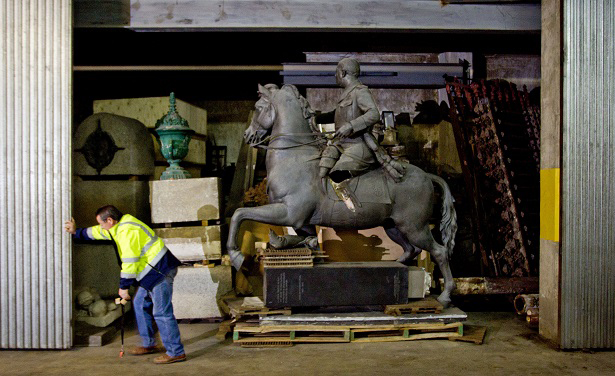
Via Favència municipal warehouse, Barcelona, 2011. Photo: Llibert Teixidó. © Llibert Teixidó / La Vanguardia.
Collective Amnesia is conceived as a space for discussion around the intersections that occur between artistic practice and historiography. With the symposium and the workshop, Fundació Miró offered opportunities to debate and collaborate with agents who come from different cultural sectors involved in experimental processes of knowledge production.
The symposium included the participation of experts coming from the fields of artistic practice, historiography and contemporary thought. The workshop, in turn, was focused on the Montjuïc slums, a specific case study directly linked with the site on which the Fundació Joan Miró sits. It is a side of things that the city of Barcelona has tried to forget even though they grew in the wake of what has been championed as the launching platform of urban development in 20th-century Barcelona: the hill of Montjuïc. For the workshop, Fundació Miró counts on the collaboration of a number of groups and organizations from Barcelona that are working on the recovery of the memory of this urban phenomenon.
International symposium:
Debate on Contemporary Memorial Culture
July 8 and 9, 4–8:30pm
Fundació Joan Miró’s Library
Speakers:
Miriam Basilio, Associate Professor of Art History and Museum Studies, NYU
Azul Blaseotto, visual artist, (La Dársena Platform) Buenos Aires
Oriol Fontdevila, curator and art critic
María Ruido, visual artist, researcher and cultural producer
Octavi Rofes, anthropologist, professor and Vice President of EINA, Barcelona
Joan Roca, historian and geographer; President of the Museu d’Història de la Ciutat de Barcelona (MUHBA)
Francisco Rubio, art mediator
Enzo Traverso, S. B. Winokur Professor in the Humanities, Cornell University, Ithaca, NY
Workshop in Montjuïc:
Exploring the Informal City
July 9–11, 10am–2pm
Fundació Joan Miró’s Espai Taller
Public Presentation of the workshop’s conclusions:
July 11, 6pm
Plaça del Mig, Can Clos (Barcelona)
With the collaboration of the Centre d’Estudis de Montjuïc, Lúa Coderch, Antonio Gagliano, Valeria Giacomoni, Grupo por el Cambio (Can Clos), Oriol Granados, Imma Jansana, Lola Lasurt, Taller de ficció, Mercè Tatjer, among others.
 Collective Amnesia is a collaborative project between the Fundació Joan Miró and Tricentenari BCN. It is part of Preventive Archaeology, an exhibition program at Espai 13, the Fundació’s project room for emerging artists.
Coordinated by Oriol Fontdevila and La Fundació
More information can be found at www.fundaciomiro-bcn.org
Attendance earns you one credit hour of an official degree from the UB (Universitat de Barcelona) and UOC (Universitat Oberta de Catalunya).
 RICHES on Twitter: #richesEU
RICHES on YouTube: www.youtube.com/richesEU




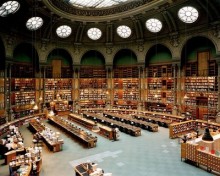
 The Succeed project is organising at Bibliothèque nationale de France (BnF) the conference “Succeed in digitisation. Spreading excellence”, to be held on November 28th, 2014.
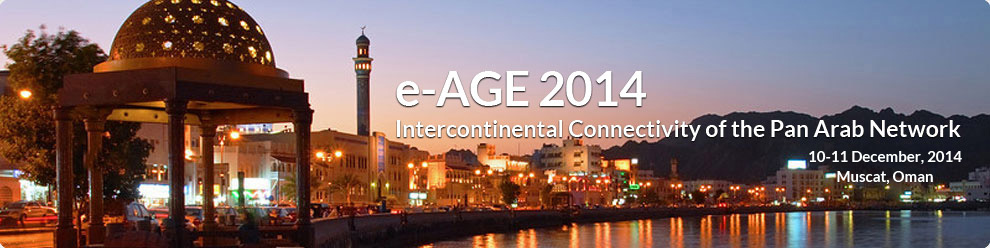
 In e-AGE 2014, the main theme was “Intercontinental Connectivity of the Pan Arab Network”. ASREN started concrete steps towards interconnecting researchers and academics across the Arab States by launching its first PoP in London Telicity and working with its partners on new PoPs in UAE, Egypt and the Maghreb region. ASREN is also supporting the development of NRENs in some Arab countries. ASREN aims to give special attention and more focus on users and how the e-Infrastructure can support their needs in terms of services and applications. More sessions are dedicated to the users to present their research and education activities and then to identify how these users can be better served by NRENs.
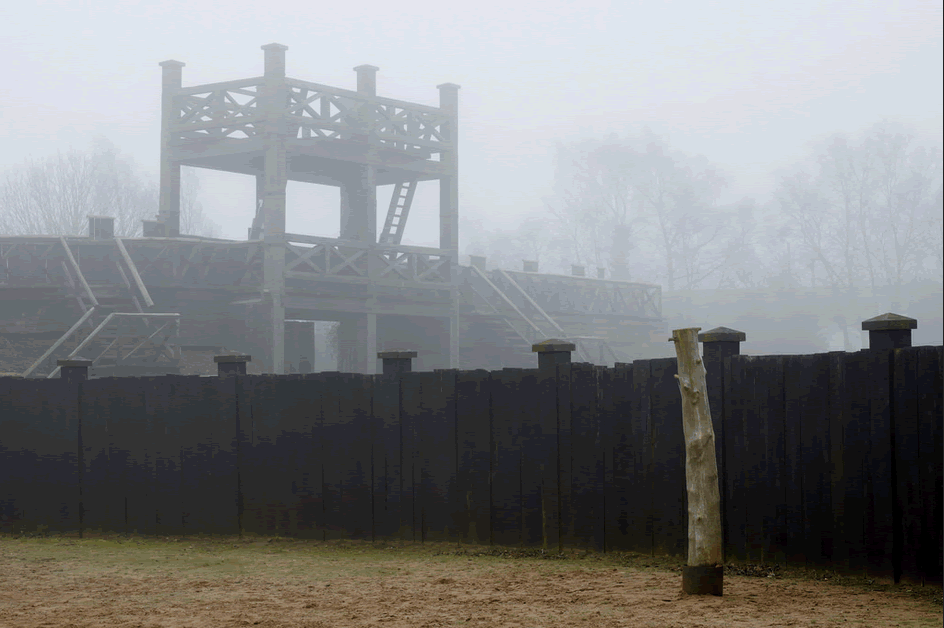
 Ludi Lunt is being organised by staff from the Lunt and its management team, who are working with a diverse group of local historians and hackathon experts to put this very special event together. They are now looking to recruit people with a range of skills to take part in the event, including historians, artists and illustrators, technologists, engineers, hackers, gamers, app-makers and coders, writers, performers, designers, social media whizzes, educational professionals and craftspeople, students – as well as anyone who feels that they have ideas to contribute to a weekend of innovation and creativity.
 In return for your efforts, you will have the unique opportunity to spend a weekend with other creative people at this amazing location, including camping, eating and working in the grounds of the Lunt. There will also be prizes for the best ideas generated over the course of the weekend, as well as the opportunity to be involved in the implementation of selected projects.
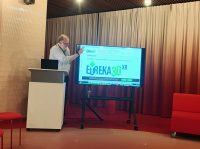
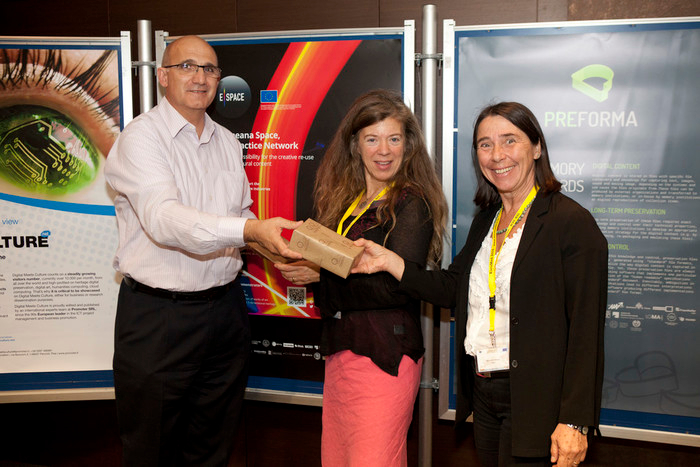
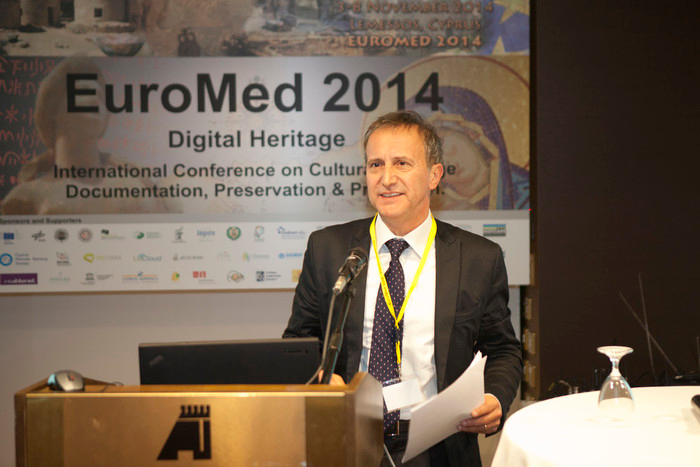
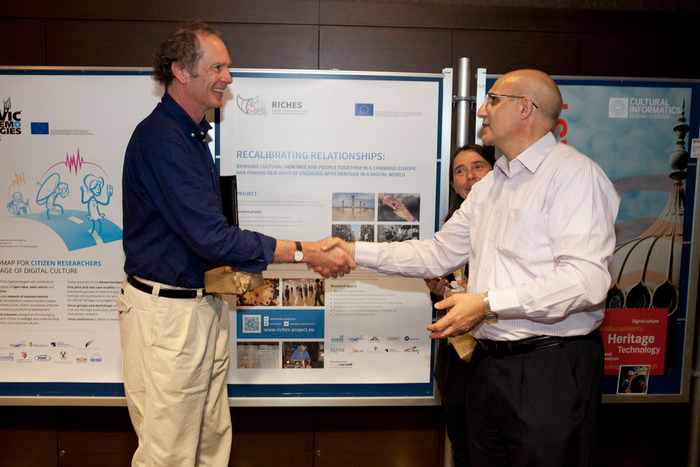
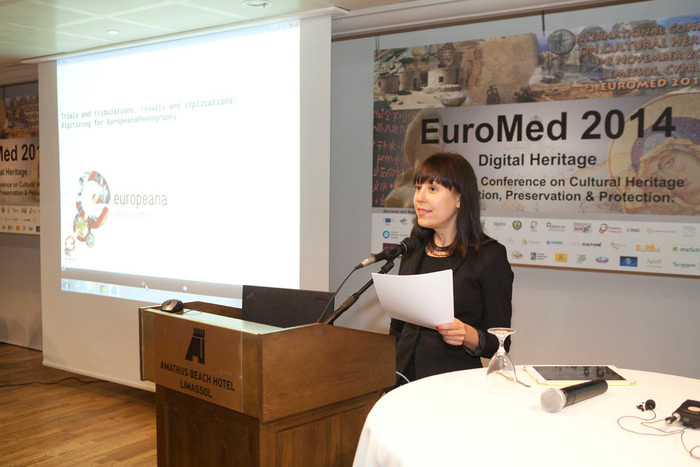
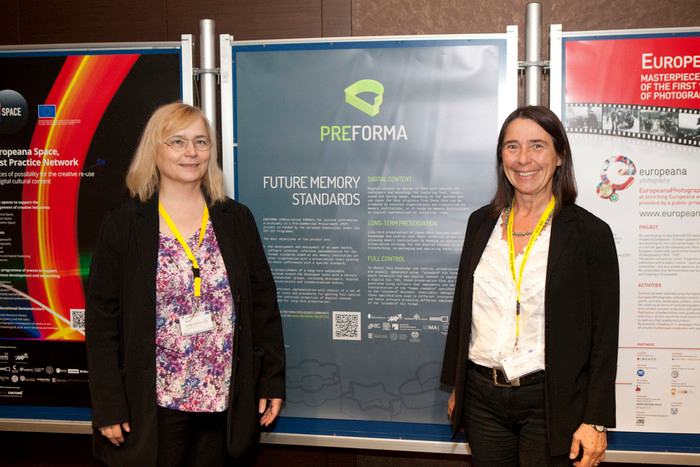
 A panel workshop to disseminate the latest achievements and to foster collaboration in the digital cultural heritage sector was organized by Promoter Srl on Novermber 3rd, 2014 in the framework of the important congress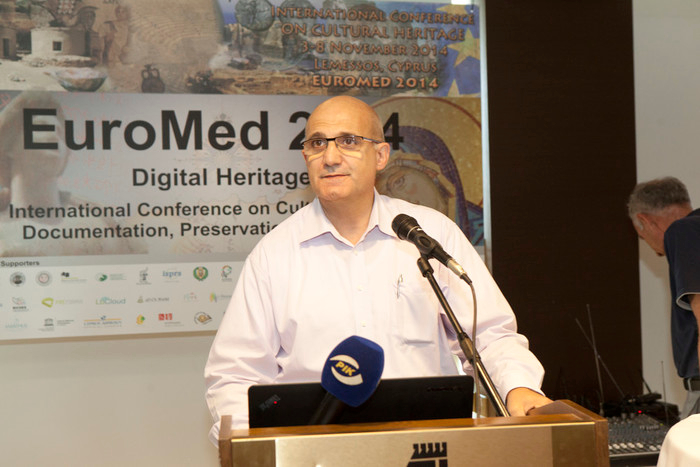
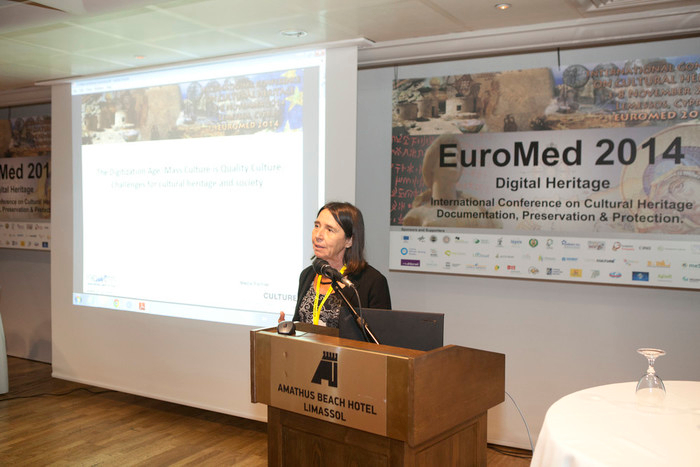
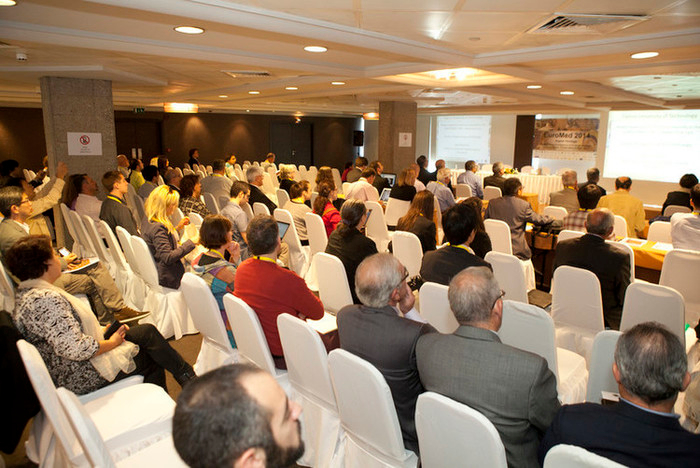
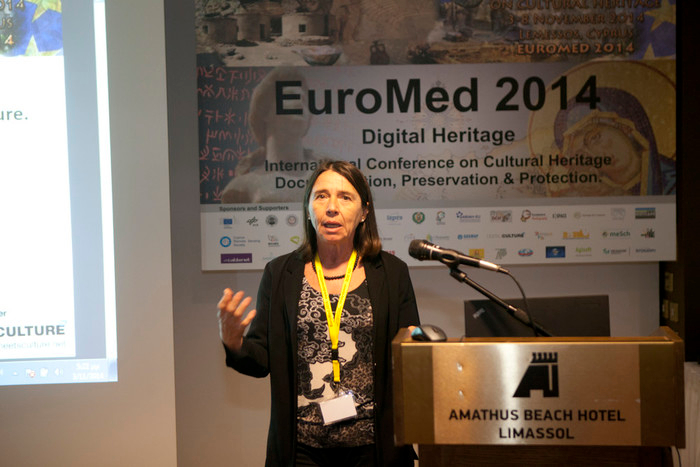
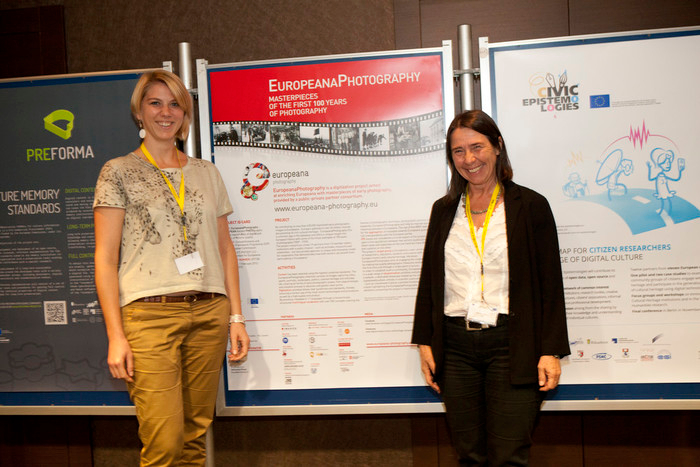
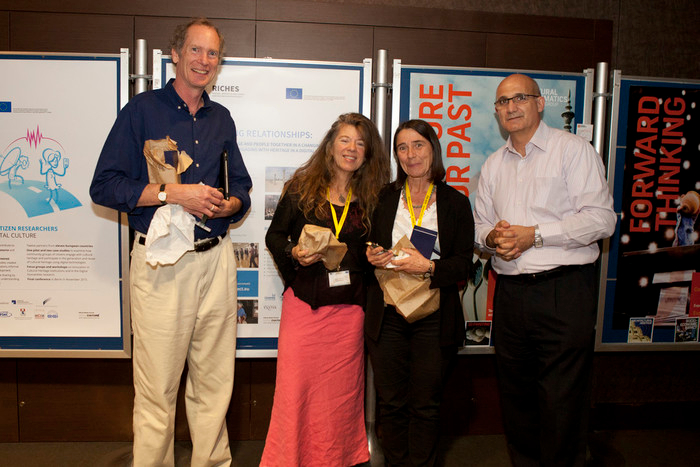
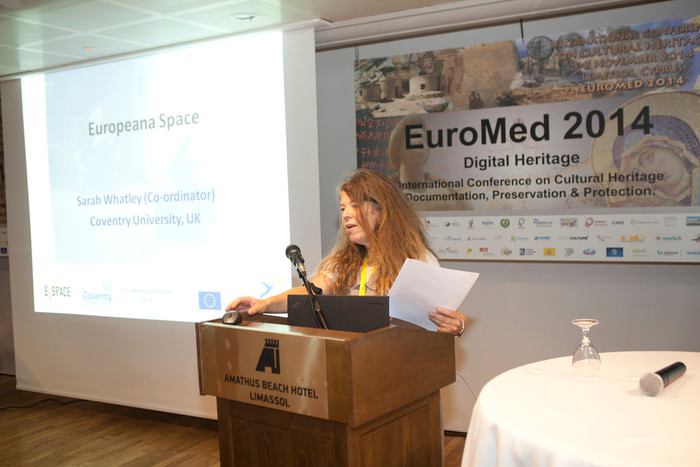
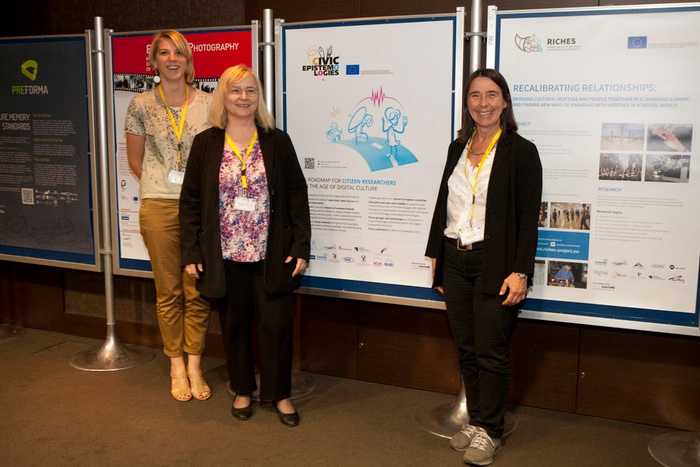
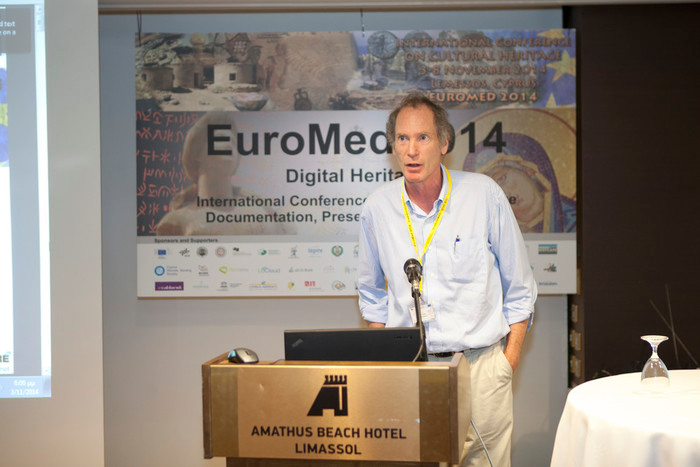
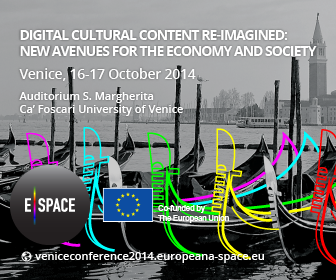 A rich program of speakers and creative sessions to build bridges between Cultural Institutions and Creative Industry.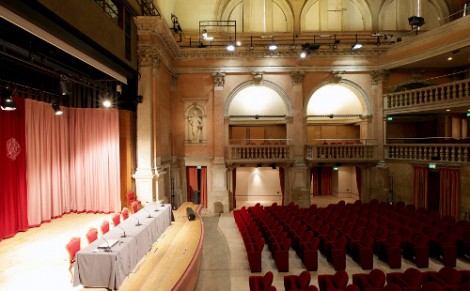
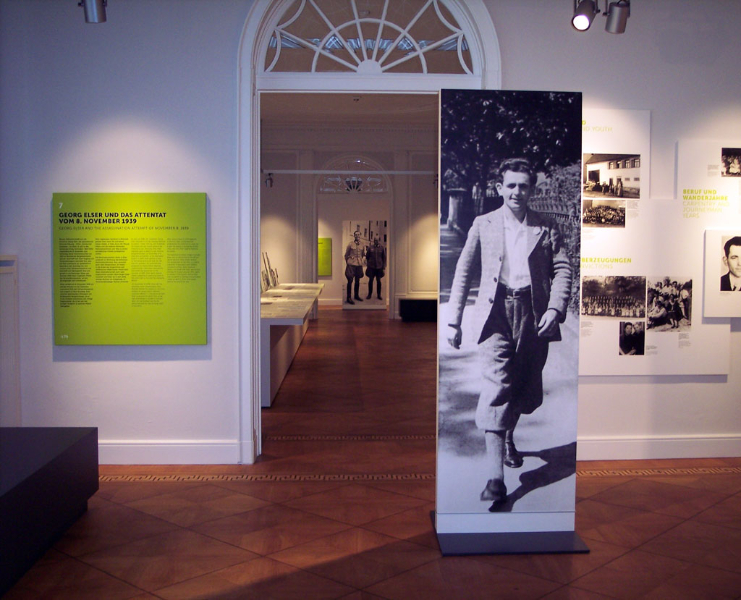
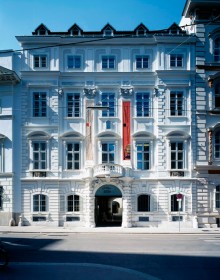
 After the success of last year’s workshop, we are delighted to announce the return of this training event organised by APARSEN and presented in collaboration with TIMBUS.
 The course is the second iteration of what will become a yearly event to be presented from 2015 by the Virtual Centre of Excellence developed out of APARSEN. It will bring together those at the forefront of digital preservation research and training, and it is intended for managers and staff already working in digital preservation. It assumes a working knowledge of existing standards like the Open Archival Information System (OAIS) as well as an understanding of how issues of preservation apply to their own institution.