Online training by Bibracte: workshop on designing geolocated tours using augmented reality using the AR Tour Experience tool

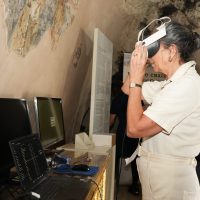
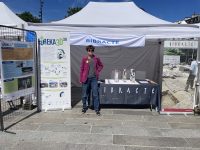
EUreka3D-XR project’s partner Bibracte has organized an onsite workshop focused on the AR Tour Experience tool developed within the project: Bibracte is inviting heritage, tourism or education professionals that want to enrich the experience of their audiences with immersive technologies.

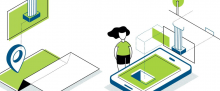
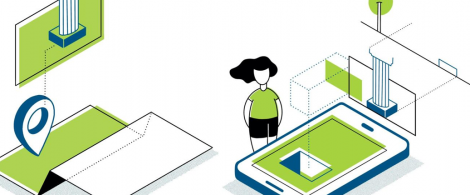
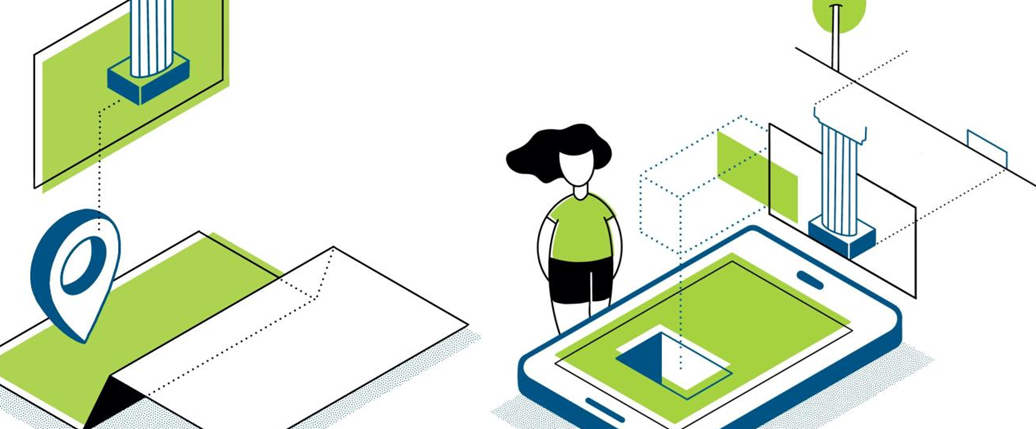
The workshop will allow participants to use the open-source tool, designed to allow users to create geolocated outdoor tours integrating 3D models displayed in augmented reality in the dedicated mobile application AR Tour Experience.

Programme:

  • Presentation of the AR Tour Builder tool
  • Guided creation of a mini-tour featuring two or three points of interest (POIs), conducted in the participants’ immediate physical environment
  • On-site testing of the tour using the AR Tour Experience application, individually or in pairs depending on available equipment
  • Discussion and feedback with the group.

Learn more about the event and register at this link<<<<


Explore all objects published on Europeana ingested through EUreka3D-XR

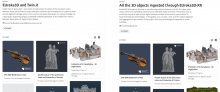
Starting today, it is possible to explore every single object that has been ingested on Europeana through EUreka3D-XR project.

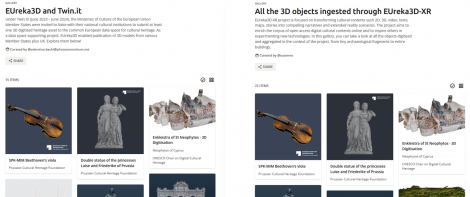
Produced by project coordinator Photoconsortium, two new galleries are now available on Europeana: one where all the 3D digitised, reconstructed and produced within EUreka3D-XR are grouped together, and a second one that focuses specifically on the work done in collaboration between EUreka3D and Twin it! (June 2023 – June 2024).

Explore the galleries:


Welcome Back to EUrope – #CultureForEurope and #EuropeForCulture in real action

The first #3D #CulturalHeritage object #3DforCulture harvested by Europeana.eu in the post- #BREXIT era from the UK, is now a reality.

https://unescochair-dch.net/Guildhall_Great_Hall

We are proud to celebrate a landmark achievement for European #DigitalCultural heritage, #CulturalDiplomacy and international collaboration.

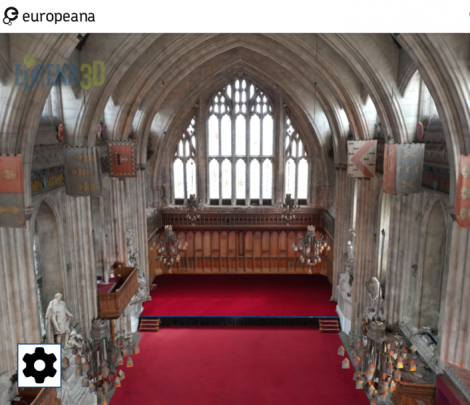
The magnificent Great Hall of the City of London Guildhall, London City of London Corporation: City View has become the first #3D #CulturalHeritage asset from the United Kingdom to be successfully harvested by #Europeana in the post-Brexit era, marking an important milestone in the renewed cultural and scientific collaboration between the United Kingdom and EUrope.

This achievement is far more than the digital documentation of an iconic historic space. It demonstrates that cultural heritage has the power to build bridges where borders exist, connecting people, institutions and nations through shared history, innovation and common values.

In 2023, the #XRchiving Consortium invited the Unesco Chair on Digital Cultural Heritage at the Cyprus University of Technology / Τεχνολογικό Πανεπιστήμιο Κύπρου to deliver a keynote address at the XRchiving Workshop: City of London Corporation: City View and the Future of the Virtual Past, hosted at King’s College London , marking the beginning of the twelve-month tenure of the newly elected Lord Mayor of the City of London, The Right Honourable Prof. Michael Mainelli. In his inaugural vision, the Lord Mayor highlighted the importance of culture not only as a driver of economic prosperity but also as a catalyst for intellectual growth and international collaboration. He introduced the inspiring concept of a new Digital Coffee House, an inclusive space where cultural heritage could connect people from different backgrounds, disciplines and cultures through curiosity, dialogue and the understanding that we have far more in common than that which divides us.

During the workshop session, “The United Kingdom & Europe – Re-forging Links,” we served as raconteur, presenting the evolving landscape of cultural heritage cooperation between the United Kingdom and Europe in the post-Brexit era. It was during this discussion that a visionary proposal first emerged: to digitally document the Great Hall of the City of London Guildhall and submit it as a guest contribution to Europeana and the European Commission’s #TwinIt initiative.

Although this could not be realised immediately, visionary ideas have a way of enduring. During the #EuroMed2026 #DigitalHeritage Summit, hosted by the Cyprus University of Technology, the concept was revisited and key stakeholders came together to transform the vision into a concrete international collaboration. The project demonstrated how the Great Hall could become part of the wider European digital cultural heritage ecosystem, reigniting the initiative.

Led with remarkable dedication by Tam McDonald (Cradle of English), and supported by Ronald Haynes (University of Cambridge and IIIF 3D), Thomas Flynn (Spatial Heritage Review), and the UNESCO Chair on Digital Cultural Heritage team , the project evolved into a truly international collaboration. The digitisation was successfully undertaken by King’s College London, Arts University Bournemouth, and the University of Cambridge at the end of 2025.

The resulting high-quality 3D model was successfully aggregated through the #EUreka3D #DataHub, developed within the European Commission-funded #EUreka3D and #EUreka3DXR projects in which UNESCO Chair on Digital Cultural Heritage at the Cyprus University of Technology was a Key partner As a result, the Great Hall has now entered the European digital cultural heritage ecosystem, ensuring its long-term preservation, interoperability, discoverability and reuse through Europeana.

This milestone represents more than technological excellence. It is a powerful example of what can be achieved through shared vision, trust, perseverance and international cooperation. It reaffirms that cultural heritage remains a common European legacy that transcends political boundaries and continues to unite researchers, institutions and citizens across Europe and beyond.

Congratulations to everyone who contributed to making this vision a reality. Together, we have demonstrated that collaboration, innovation and determination can transform an idea into a lasting contribution to Europe’s digital memory.

From a conversation in London to a European success story… from small acorns, great oaks grow.


3D, copyright and the public domain

A digitised 3D model is often seen as the end result of a digitisation project. But what happens next? Can you publish the model online? Can someone else use it in an XR application, educational game or virtual exhibition? And does creating a 3D model automatically create a new copyright?

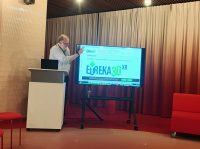
These were some of the central questions addressed by Ariadna Matas from Europeana Foundation during the second session of the Lifecycle of 3D Data in Cultural Heritage webinar series, organised by EUreka3D-XR.

If you work with 3D cultural heritage data or you would like to reuse existing 3D models, the recording is well worth watching, and a summary is provided below.

Watch the webinar recordings and download the presentations from the two sessions here: https://eureka3d.eu/lifecycle-3d-webinars/


3D digitisation

One of the key messages of the presentation is that digitising an object in 3D does not automatically create new rights.

Whether a 3D model is protected by copyright depends on the level of originality involved in its creation. If the purpose of the digitisation is to produce a faithful, technically accurate representation of an object or monument, there may be little room for the creative choices that copyright law generally requires.

This distinction is particularly important for cultural heritage institutions that wish to make their collections openly reusable. Europeana’s recent research into rights management for 3D models even suggests that many copyright claims currently attached to 3D models may not be legally justified.

→ 3D Models and Rights Management Report: https://pro.europeana.eu/post/3d-models-and-rights-management-report


Rights management

Another important takeaway is that copyright status and rights statements are not the same thing. Before digitising, publishing or reusing a 3D model, institutions should carefully determine:

  • whether the original object is still protected by copyright;
  • whether any neighbouring rights, contractual restrictions or image rights apply;
  • and which rights statement or licence most accurately reflects the legal (copyright) status.

Choosing the correct rights statement is essential for enabling lawful reuse, whether for research, education, tourism or innovative applications such as Extended Reality (XR).

To support this process, Europeana has developed a Rights Labelling Flowchart, which Ariadna presented in her presentation and that helps institutions determine the most appropriate rights statement.

→ Download the chart here (PDF)


Practical questions from the audience

One of the strengths of the webinar was the lively discussion with the online participants. The questions reflected many of the real-world challenges faced by cultural heritage institutions today:

  • What if the original object is in the public domain, but significant work was invested in producing the 3D model?
  • Can museums place restrictions on the commercial reuse of openly accessible 3D models?
  • How should AI-generated derivatives of 3D models be treated?

Rather than offering one-size-fits-all answers, Ariadna emphasised that copyright assessment should become part of the planning process of every digitisation project. Clear documentation, good rights management and transparent licensing not only reduce legal uncertainty but also maximise the value and reuse potential of digital heritage collections.


Continue learning

If this webinar sparked your interest, you can dive deeper into the topic through the self-paced Europeana Academy course “How to select an accurate rights statement”, also developed by Ariadna Matas.

The course explores the topic of rights statements in much greater depth, using practical examples specifically aimed at cultural heritage professionals.

→ You can find the course here: https://europeana.moocit.fr/courses/course-v1:europeana+ELF03+2023_Q2/about


eu emblemThis guide has been created within the framework of EUreka3D – an EU project co-funded by the European Union (grant no. 101100685).


A Code of Excellence in Friendship, Cooperation and Achievement

Photo courtesy of EUreka3D-XR consortium and CUT (Pambos Charalambous)

“To accomplish great things, we must not only act, but also dream; not only plan, but also believe and respect!”
by Anatole France

This timeless reflection perfectly captures the spirit of our long-standing collaboration with MiraLab in  Geneva. Over many years, our partnership has been built not only on scientific excellence and technological innovation, but also on mutual trust, friendship, shared values, and a common vision to push the boundaries of what is possible.

True partnerships are not measured solely by publications, projects or technological achievements. They are defined by the people behind them; their commitment, creativity, perseverance and belief that together they can transform ambitious ideas into reality.

Our collaboration with the exceptional MiraLab team has become a remarkable example of how excellence in research flourishes when expertise is combined with trust, openness and a shared passion for innovation. Together, we dared to dream beyond conventional approaches, and together we transformed that dream into reality.

The result was something unprecedented: the conception, development and successful implementation of a unique pilot scenario that, to the best of our knowledge, had never before been realised anywhere in the world.

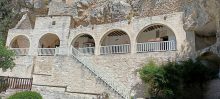
For the first time in history, Artificial Intelligence, Extended Reality (XR), and Digital Cultural Heritage converged to create an extraordinary immersive experience: bringing Saint Neophytos back to his nearly one-thousand-year-old home – the Enkleistra (Hermitage) that he established almost a millennium ago. Through this groundbreaking digital revival, visitors were able to experience history in an entirely new way; not simply by observing the past, but by engaging with one of Cyprus’ greatest spiritual figures as if he were welcoming them back into his sacred home.

This pioneering achievement attracted international attention, with Euronews highlighting the story under the memorable theme:

When Saint Neophytos Returns to His 1,000-Year-Old Home.”

The impact of this collaboration extended even further. Building upon this successful pilot, the Enkleistra (Hermitage) of Saint Neophytos was selected as Cyprus’ representative contribution to the TwinIT – Part II Campaign, organised during the Cyprus Presidency of the Council of the European Union. Today, this exceptional monument stands as one of the representative digital memory objects of Cyprus, preserving and showcasing the country’s rich cultural and spiritual heritage within the European digital ecosystem. It represents not only an outstanding monument but also a symbol of Cyprus’ commitment to safeguarding, digitising and sharing its cultural memory with Europe and the world.

This achievement perfectly illustrates the evolution from digital documentation to digital remembrance—where monuments become living carriers of collective memory through advanced technologies, high-quality 3D digitisation, artificial intelligence and immersive storytelling.

The project demonstrated that digital heritage is no longer limited to documenting monuments or preserving artefacts. It has evolved into a powerful medium for reconnecting humanity with its collective memory, allowing cultural heritage to communicate, educate and inspire future generations through immersive and intelligent experiences.

This success belongs to every member of the MiraLab team and to everyone who believed that innovation is born where imagination meets scientific excellence. It stands as proof that enduring friendships and trusted collaborations can achieve what once seemed impossible. Therefore, our sincere gratitude goes to the outstanding researchers, developers and visionaries at MiraLab. Their scientific excellence, creativity and unwavering commitment transformed an ambitious vision into a world-first achievement, demonstrating that when trust, friendship and complementary expertise come together, barriers disappear and history is made.

May this partnership continue to inspire future generations of researchers and innovators, reminding us that the greatest achievements are never the work of individuals alone; they are the result of shared vision, mutual respect and the courage to dream together.

Together, we did not simply develop an innovative technological demonstration: we created a new paradigm for preserving, communicating and experiencing cultural heritage. Together, we transformed MEMORY into a living experience. Together, we made history.

eu emblemEUreka3D-XR project is co-financed by the Digital Europe Programme of the European Union.


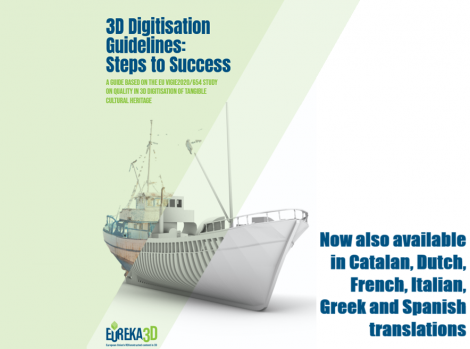
3D Digitisation Guidelines translated into multiple languages by EUreka3D-XR

3D Digitisation Guidelines: Steps to Success was designed and produced within the  to help anyone on their 3D digitisation journey. It is specifically aimed at Cultural Heritage professionals who are considering, or in the middle of, digitising their cultural heritage collections using three dimensional models. It outlines and simplifies the recommended standards highlighted in the EU VIGIE Study 2020/654 (Study on quality in 3D digitisation of tangible cultural heritage, published April 2022) and written in response to the EU recommendation (EU 2021/1970 on a common European data space for cultural heritage, published November 2021) for Member States to digitise all moments and sites at risk in 3D by 2030.

Now, the Guidelines are available in six additional languages:

  • Catalan
  • Dutch
  • French
  • Greek
  • Italian
  • Spanish

They all can be found and downloaded free of charge on the dedicated page on the project’s website: https://eureka3d.eu/3d-digitisation-guidelines/


eu emblemThis guide has been created within the framework of EUreka3D – an EU project co-funded by the European Union (grant no. 101100685).


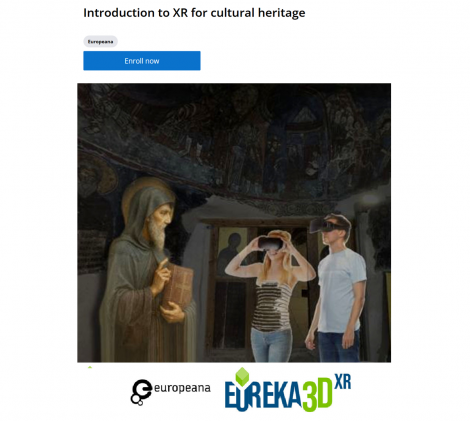
Introduction to XR for cultural heritage


After months of careful development in collaboration with Europeana.eu, EUreka3D-XR project has just released a new self paced course on Europeana Academy, titled Introduction to XR for cultural heritage.

Extended Reality (XR) is creating new opportunities for museums, archives, libraries, archaeological sites and other cultural heritage organisations to present, interpret, and share heritage in engaging ways. By combining high-quality digital assets with immersive technologies, XR can help audiences explore lost monuments, visualise hidden archaeological remains, interact with virtual guides, and experience cultural heritage beyond the limitations of traditional interpretation.

This introductory course provides a foundation for understanding XR and its applications in cultural heritage. You will explore the core concepts of Extended Reality, discover why XR matters for heritage, and become familiar with the EUreka3D-XR ecosystem and the tools that support the creation of XR experiences.

Start exploring XR potential by taking your first steps with Introduction to XR for cultural heritage (BETA version): find the link here<<<<


eu emblemEUreka3D-XR project is co-financed by the Digital Europe Programme of the European Union.


CEPIC and Photoconsortium Selected Among 20 Successful Projects in the ECHOES Cascading Grants Call with CHERISH Initiative

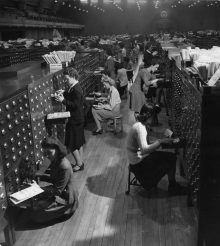
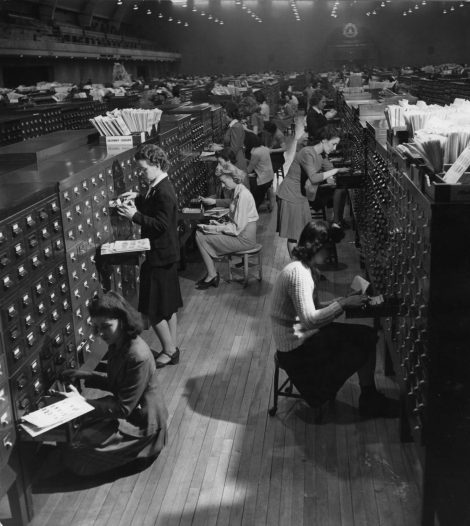
image courtesy of TopFoto Image Archive – Inside the vast FBI halls girls work through a million fingerprints a year stored in filing cabinets in the Identification Division of the Federal Bureau of Investigation (FBI) located at the DC Armory in Washington DC, United States. Civil files are never consulted in crime cases. 4 February 1944

CEPIC and Photoconsortium are pleased to announce that their joint project, CHERISH (Cloud for HERitage – Image Sector Hub), has been selected for funding under the ECHOES Cascading Grants Call. CHERISH is one of only 20 projects, reflecting the project’s strong potential to contribute to the digital transformation of Europe’s cultural heritage sector.

While significant advances have been made in the digitisation of photographic collections, many archives, photo libraries, including press agencies—particularly smaller organisations—continue to face challenges related to emerging technologies such as 3D, Extended Reality (XR), and Artificial Intelligence (AI), as well as limited resources and uneven digital skills.

CHERISH seeks to tackle this issue.

Led jointly by CEPIC and Photoconsortium, CHERISH is a 15-month initiative starting in June 2026 designed to accelerate the adoption of digital tools across Europe’s photographic and image heritage community access the opportunities offered by the European Collaborative Cloud for Cultural Heritage (ECCCH).

CHERISH draws on the extensive, complementary European networks of CEPIC and Photoconsortium to engage with a geographically diverse community of photo libraries, photographic heritage collections and press photo agencies. This is a sector which is currently underrepresented within the ECHOES ecosystem.

CHERISH will conduct a major survey amongst heritage collection professionals and based on its results deliver multilingual users’ guidelines and conduct a series of webinars and training workshops. The ultimate goal is to increase awareness of ECHOES tools and services, strengthen digital competencies, improve professional practices, and foster collaboration across Europe’s image heritage sector.

The project results will be featured at major industry events, notably CEPIC 2027 and Photoconsortium annual event 2027.

“We are delighted that CHERISH has been selected among such a competitive field of proposals,” says project coordinator Sylvie Fodor. “Cultural institutions should cherish their unique photographic assets, while gaining access to advanced, affordable cloud resources and tools that enhance their preservation and curation role.”

About CEPIC

CEPIC is the international trade association representing organisations active in the visual media licensing industry, including picture agencies, photo libraries, and archives. Through advocacy, networking, and industry leadership, CEPIC supports the sustainable development of the image sector across Europe and beyond.

About Photoconsortium

Photoconsortium is an international non-profit association dedicated to promoting and enhancing access to photographic cultural heritage. Through collaborative projects, research, and capacity-building activities, Photoconsortium supports the digital transformation and visibility of photographic collections across Europe.

About ECHOES

CHERISH project has received support through a cascading grant from ECHOES, which is funded by the European Union under Grant Agreement No. 101157364, with the support of UK Research and Innovation (UKRI) under the UK Government’s Horizon Europe funding guarantee No. 10110142 and No. 10110466.

For further information about CHERISH, CEPIC, and Photoconsortium, please contact:

cherish@cepic.org / https://www.photoconsortium.net/cherish/ / info@photoconsortium.net


echoes logo


‘Europe for Culture, Culture for Europe’

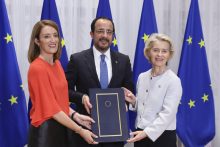
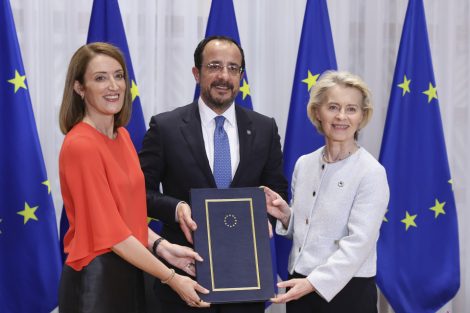
Signing ceremony for Joint Declaration “Europe for Culture – Culture for Europe”. img. courtesy: European Union.
For the first time in EU history, the three EU institutions signed a joint declaration reaffirming the EU’s role in protecting cultural and linguistic diversity and integrating cultural considerations across all EU policies, while respecting national competencies.

The institutions set out their commitment to placing culture at the heart of the European project by protecting and promoting artistic freedom, cultural diversity, inclusion and fair conditions for artists. Furthermore, they pledge to support the cultural and creative sectors by encouraging funding, innovation and capacity building, as well as by promoting Europe’s role as a global cultural and creative leader.

The Joint Declaration is the first deliverable of the Culture Compass for Europe, launched last year and acting as an anchor for culture within the next EU long-term budget for 2028-2034.


Twelve core principles

The commitments laid down in the declaration are organised around twelve overarching principles. Some of the principles focus on support for artists and cultural professionals and include pledges to protect artistic freedom of expression, promote fair pay and decent working conditions while respecting the role and autonomy of the social partners, and foster an ethical, human-centric and rights-based approach to the use of artificial intelligence.

Other principles in the joint declaration are aimed at fostering broader access to culture and to the cultural and creative professions, particularly for young, vulnerable or marginalised persons. They include commitments to enhancing inclusive access to culture, promoting arts education, and strengthening support for young artists and those from disadvantaged backgrounds.

The social and environmental benefits of culture are highlighted in the declaration. They are reflected in commitments to promote the positive effects of culture on health and wellbeing, harness the potential of culture to foster regional development, including through sustainable tourism, and stress the importance of culture in policy responses to ecological challenges.

The declaration also seeks to promote the EU’s cultural and linguistic diversity. Moreover, the three institutions commit to protecting Europe’s cultural heritage, including by using digital technologies to foster its preservation.
Text provided by the Council of the European Union’s website. Read the original post.

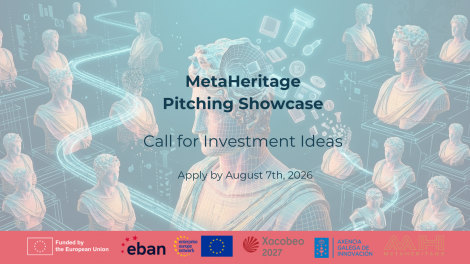
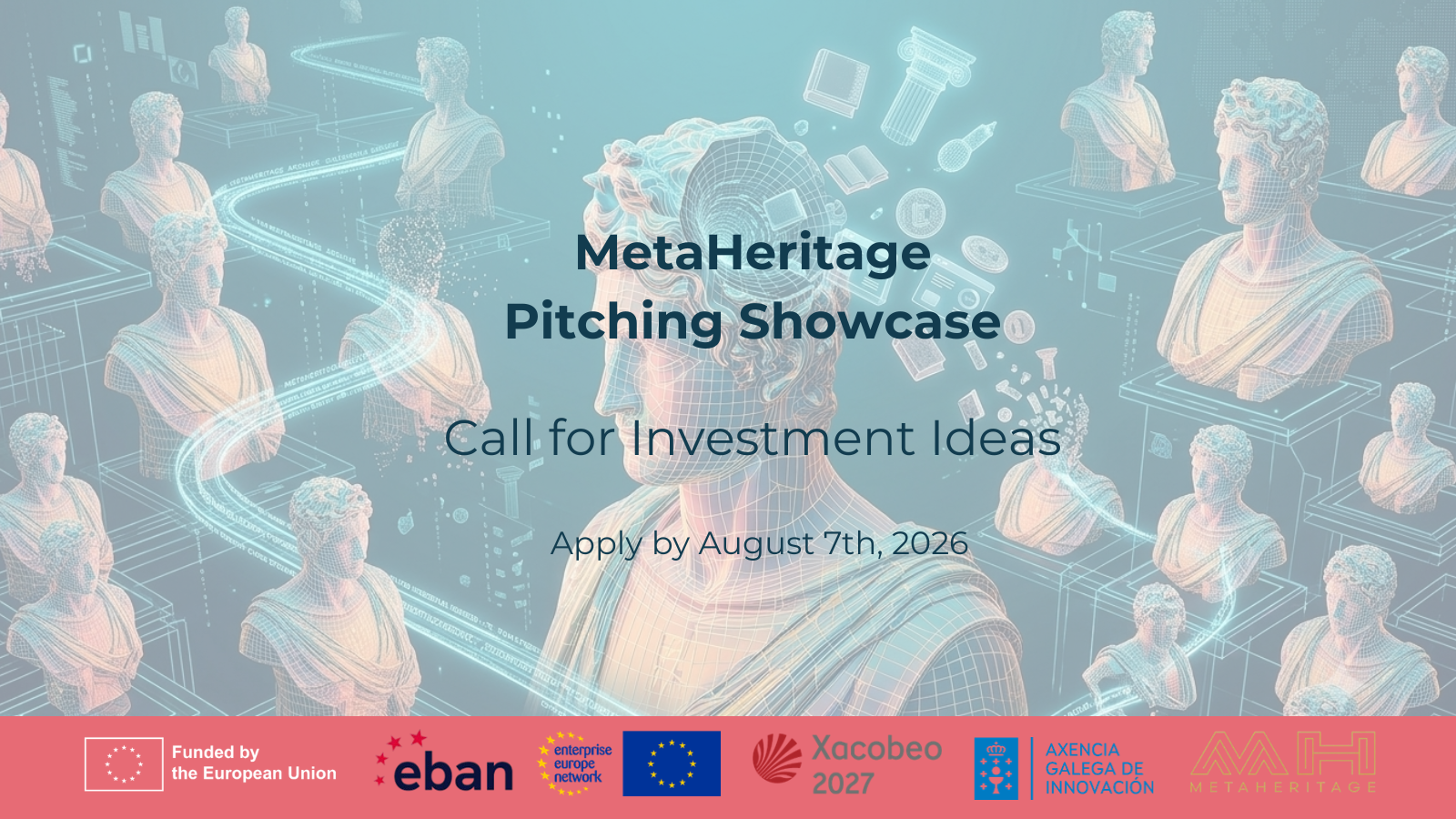
MetaHeritage Pitching Showcase – Call for Investment Ideas in Digital Heritage, Immersive Technologies and Cultural Tourism

MetaHeritage is inviting innovators from across Europe and beyond to apply for its Pitching Showcase: Call for Investment Ideas in Digital Heritage, Immersive Technologies and Cultural Tourism.

The initiative aims to identify and highlight promising solutions at the intersection of culture, technology, and creativity. It supports selected ideas by increasing their visibility, strengthening their investment readiness, and connecting them with relevant stakeholders across Europe.

The call welcomes ideas that use digital technologies to transform how cultural heritage is preserved, interpreted, experienced, and promoted, including solutions based on immersive technologies such as virtual reality, augmented reality, and mixed reality, as well as digital twins, metaverse applications, artificial intelligence, smart tourism platforms, and interactive storytelling tools.

The initiative also encourages sustainable cultural tourism models, digital heritage services, and innovative visitor engagement approaches that strengthen connections between cultural institutions, local communities, and audiences.

Applications are open to startups and SMEs, research institutions and universities, cultural organisations, museums, tourism bodies, technology providers, public authorities, and cross-sector partnerships.

Applicants selected through the call will be invited to present their projects during the online MetaHeritage Pitching Showcase.

Key dates

  • Application deadline: 7 August 2026
  • Online Pitching Showcase: 5 October 2026

Learn more at this link<<<<

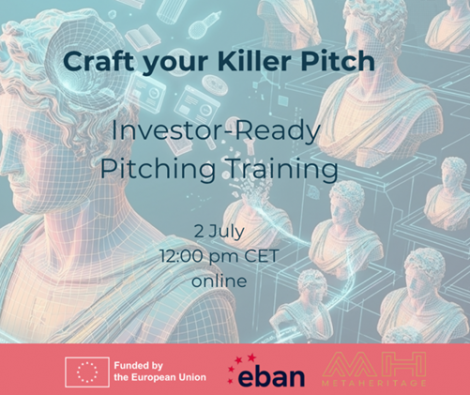
To craft a perfect suitable pitch, MetaHeritage organized a training session called “Craft Your Killer Pitch: Investor-Ready Pitching Training” on July 2nd to gain practical insights into building compelling pitches, understanding investor expectations, and strengthening their investor-readiness skills. More information and registration are available here.