

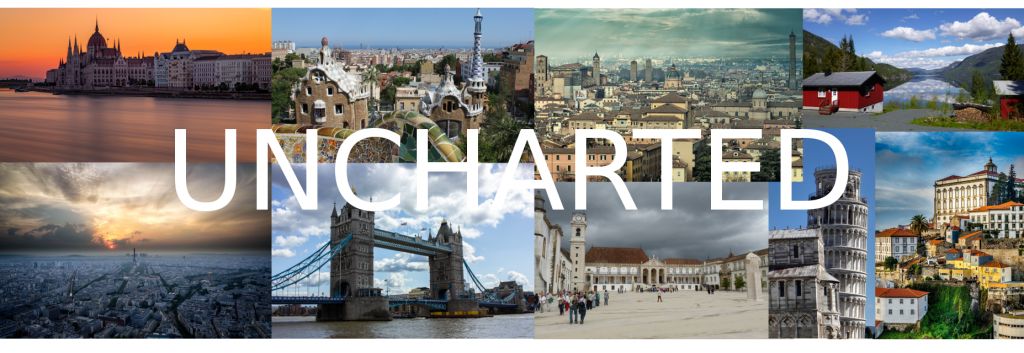
 The 7th February will take place in Paris the first meeting to kick off all activities of the new EU project UNCHARTED.
This is a four years project Coordinated by the University of Barcelona, focused on the valuation practices of the actors involved in cultural life.
It aims to define the social values associated with culture, their configuration and the political impulse that these values could deliver to the society.
These values will be studied in four fundamental arenas of cultural practice:
- cultural participation in live arts and culture;
- cultural participation through media;
- cultural production and heritage management;
- cultural administration.
The main objectives of the project are:
1. to provide a broader vision of the value of culture in Europe
2. to identify and contextualize the emergence and configuration of cultural values in Europe
3. to co-create new conceptual and methodological tools to understand, evaluate, measure and improve statistical data for capturing the plurality of values of culture
4. to give tools and systematic guidelines for the reorientation of cultural policy in a pluralistic sense.
The UNCHARTED Project is multidisciplinary to address a wide range of aspects and perspectives of the plural value of culture in different contexts and sectors.
Its consortium comprises 10 partners, 9 of them are academic and one is a SME successfully active for many years in the sector:
1. Universitat de Barcelona (Coordination)
2. Eötvös Loránd University of Budapest
3. University of Coimbra
4. University of Bologna
5. Telemark Research Institute
6. CNRS
7. University of Porto
8. Goldsmiths, University of London
9. University Paris 8
10. Promoter srl
The activity is organized into eight work packages:
WP 1: Understanding the societal value of culture
WP 2: Identifying the emergence of values of culture
WP 3: Measuring and imagining
WP 4: Analyzing political intervention and impact
WP 5: Experimental demonstrations.
WP6: Communication and Dissemination
WP 7: Project Management
WP 8: Ethics requirements
Further information: https://uncharted-culture.eu/


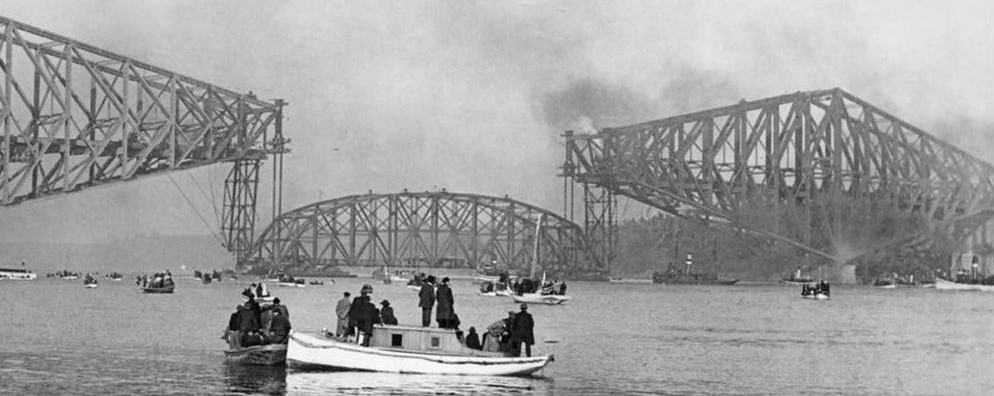 The Canada Research Chair in Urban Heritage of Université du Québec à Montréal, in collaboration with the Association québécoise pour le patrimoine industriel (Quebec association for industrial heritage) and with the support of Tourisme Montréal, will be hosting the 2021 TICCIH Congress in Montreal, from August 30th to September 4th, 2021.
 The deadline for the call for sessions and papers is January 31st 2020.
 The University of Rijeka, one of the largest and the most cosmopolitan city in the country, concurrently the 2020 European Capital of Culture, is pleased to welcome you to this three-day HERItage conference organized under the auspices of the Ministry of Science and Education of the Republic of Croatia and the European Commission as part of the Croatian Presidency of the Council of the European Union.
 The past 14th January,
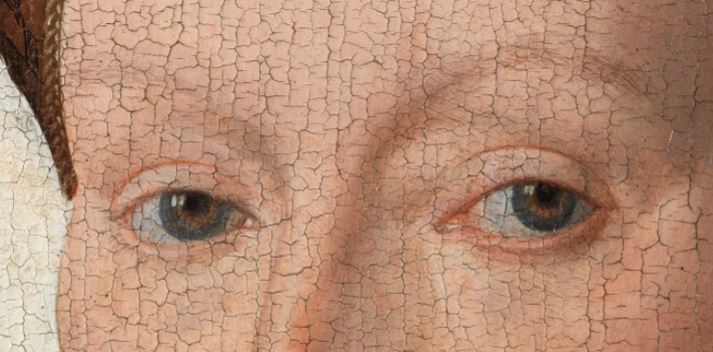
 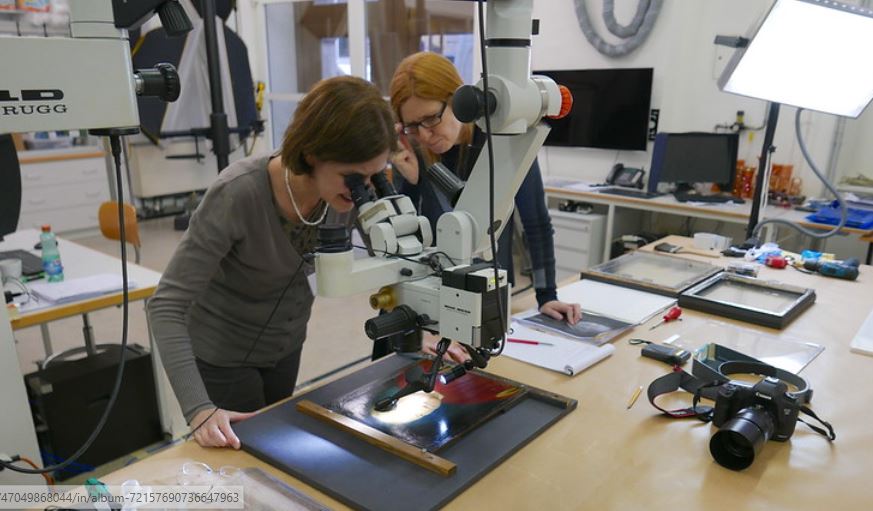 All this was made possible by the implementation of the VERONA (Van Eyck Research in OpeN Access) project, lunched by the The Centre for the Study of the Flemish Primitives at KIK-IRPA in order to study the creative process of Jan van Eyck (c. 1390-1441) and the different hands involved in the paintings of his workshop by using the same scientific imaging techniques.
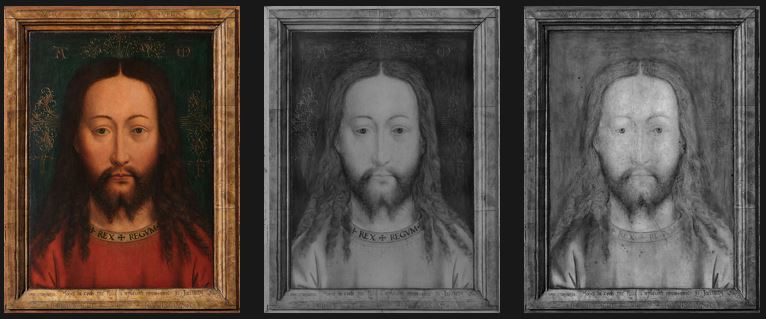 The digital portal will be a reference for comparative research on the work of Van Eyck. Researchers will be able to study for the first time the differences and similarities in the artist’s technique on the basis of the same comparative material.
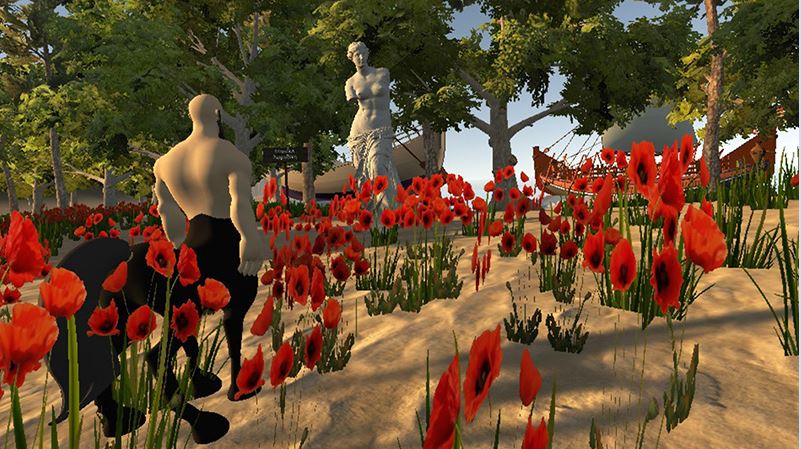

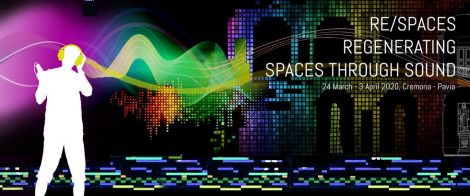
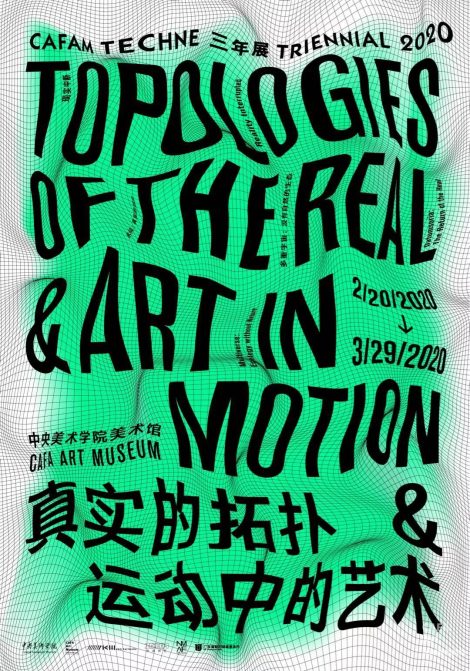 CAFA Art Museum (CAFAM) is delighted to announce the opening of the inaugural edition of the CAFAM Techne Triennial, which takes place in Beijing from Feb 20 through March 29, 2020, and is curated by ZHANG Ga, CAFAM Consulting Curator and CAFA Distinguished Professor.