

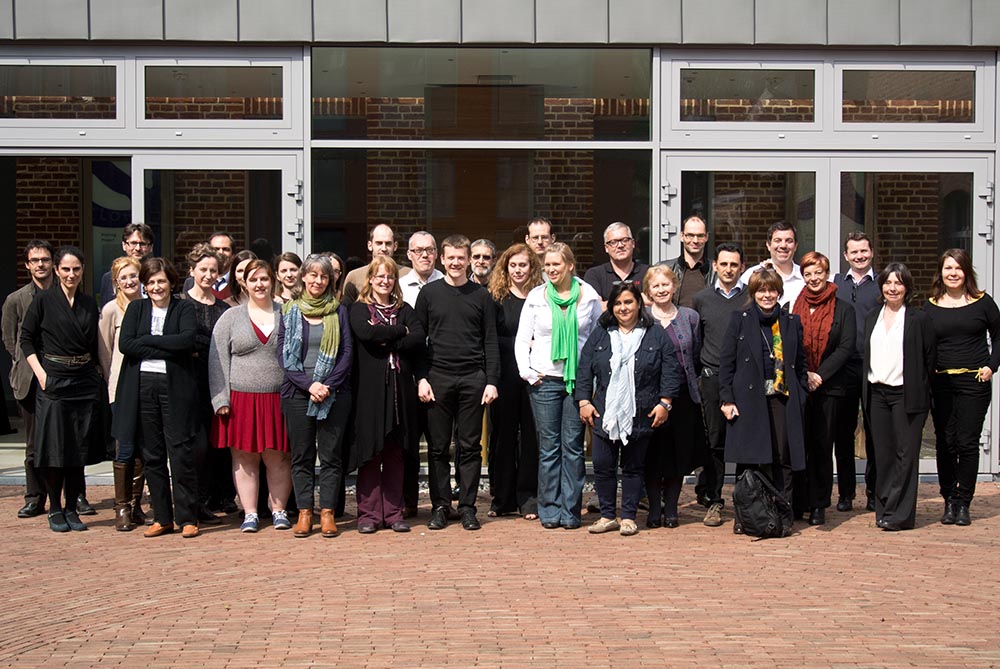
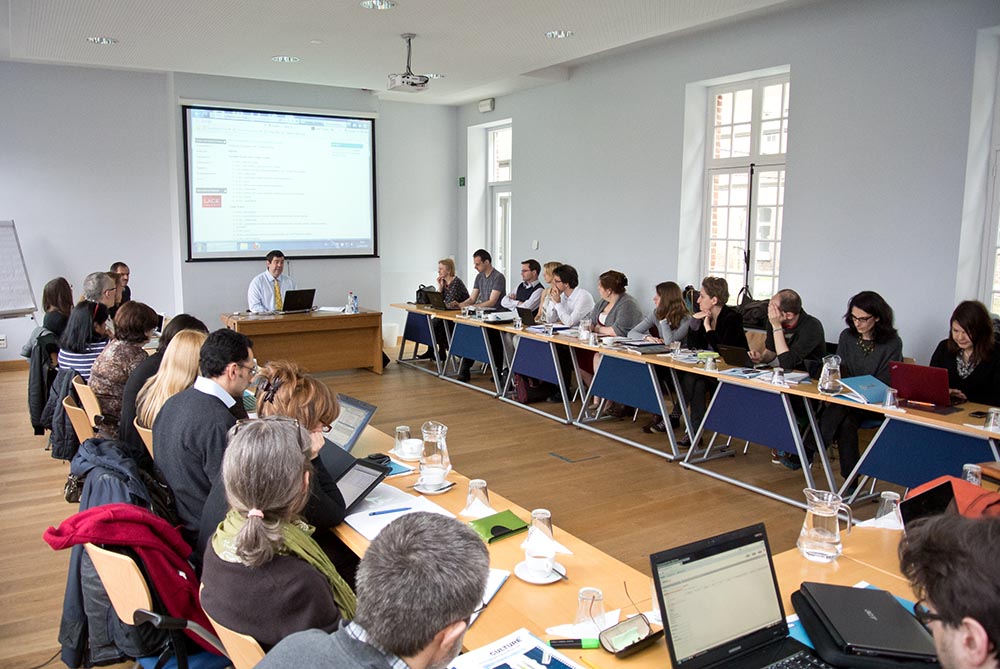
Just after Easter time, the EuropeanaPhotography people were pleasantly hosted by the ancient Catholic University of Leuven to discuss and agree about the themes and the collections that are going to be digitized and added to Europeana digital library.
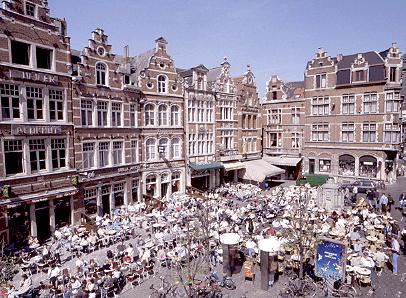
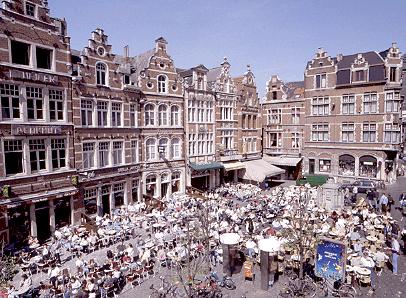
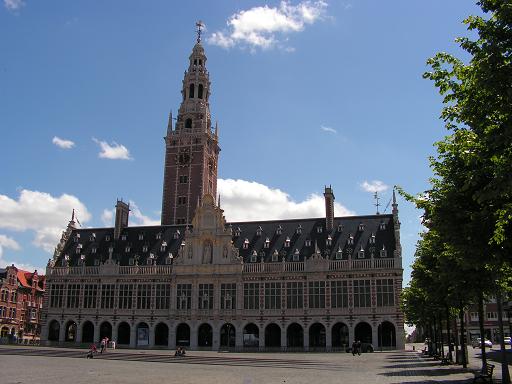
Leuven - Oude Markt
When we arrived, the weather was sunny and cloudy at the same time, and occasionally a thin rain occurred for a while; approaching the town from the airport, a glorious full size, deep colored rainbow was shining in front of us: we all thought that Professor Fred Truyen – our host from KU Leuven – really knows how to make people feel welcome!
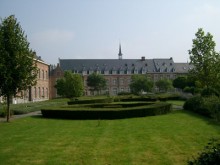
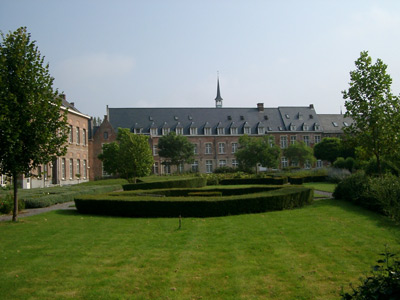
Leuven was almost desert, we supposed because of Easter holiday that took most of the University students back home. It is a gracious, charming town with an ancient history (the University was founded in 1425!); and the meeting place, an Irish monastery turned into a congress centre, had maintained the fascinating atmosphere of a peaceful place. The inner garden, particularly, is still a poetic view.
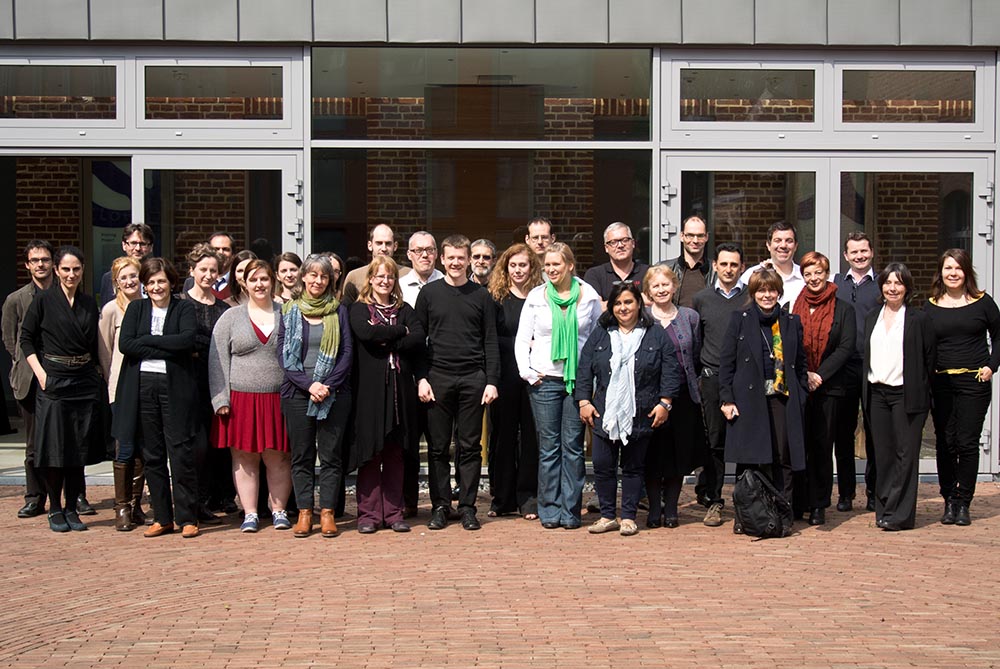
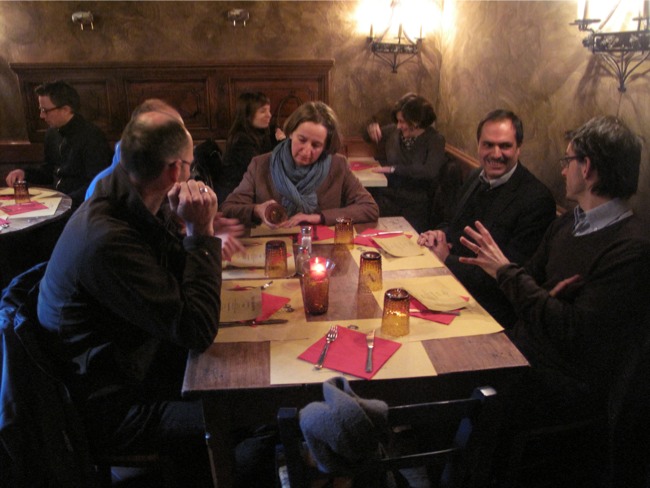
But there had been not much time for enjoying the place, as they were 2 very intense days, during which the partners had the possibility to shake hands each other again, to discuss widely about their collections and to define several, important aspects about content themes and technical indexing issues. The meeting was chaired by Professor Truyen.
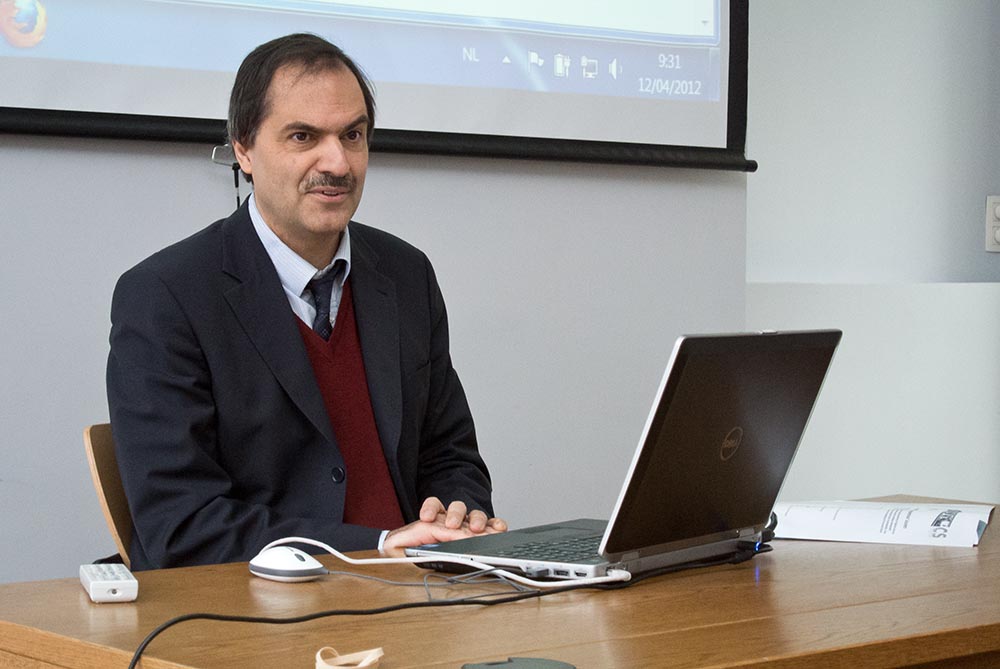
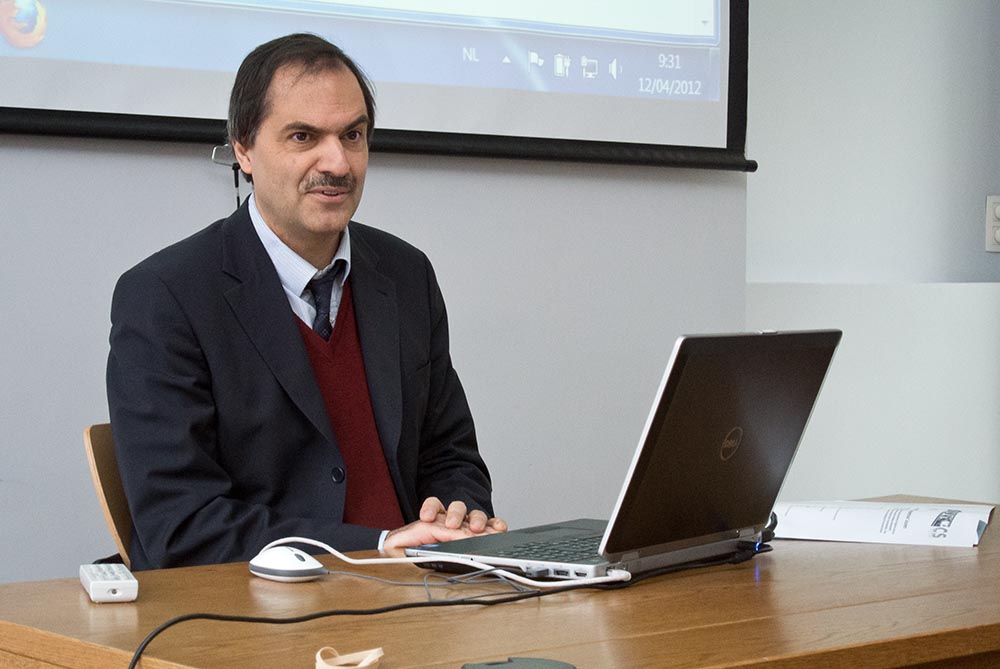
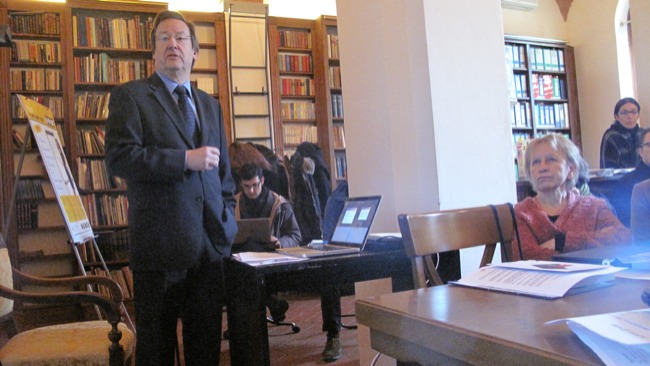
professor Fred Truyen - KU Leuven
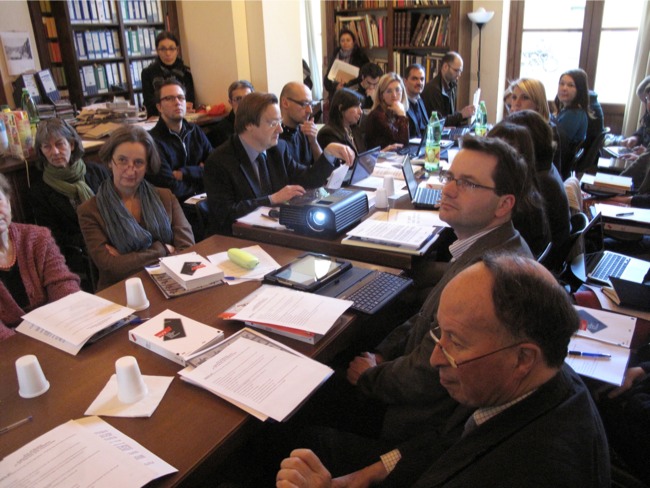
In such a friendly gathering, each partner presented the collections that are going to be digitized within EuropeanaPhotography project, with the aim to represent the richness and value of the content that this project is adding to Europeana.
The partners represent both historical photographic archives and press archives, so that it is indeed evident that Photography as itself comes from the big names (famous photographers) and reporters (who may also remain unknown).
Other partners showed other aspects of photography: in fact the collections own both commercial photos (that were taken to be sold) and personal photos (that were taken by amateurs for their own pleasure and family memories).
Within the EuropeanaPhotography project, the selection process wishes to identify the masterpieces that are the evidence of:
- History of photography
- History of Europe
- History of photographic techniques
Prof. Jan Baetens from the KU Leuven Faculty of Arts, department of Literature and Culture, had offered guidance to the discussion and several stings about the idea of selection – in the sense that a masterpiece should represent the icon of an archive – and the opposite concept of contextualization – that makes difficult to choose a single piece within a large collection.
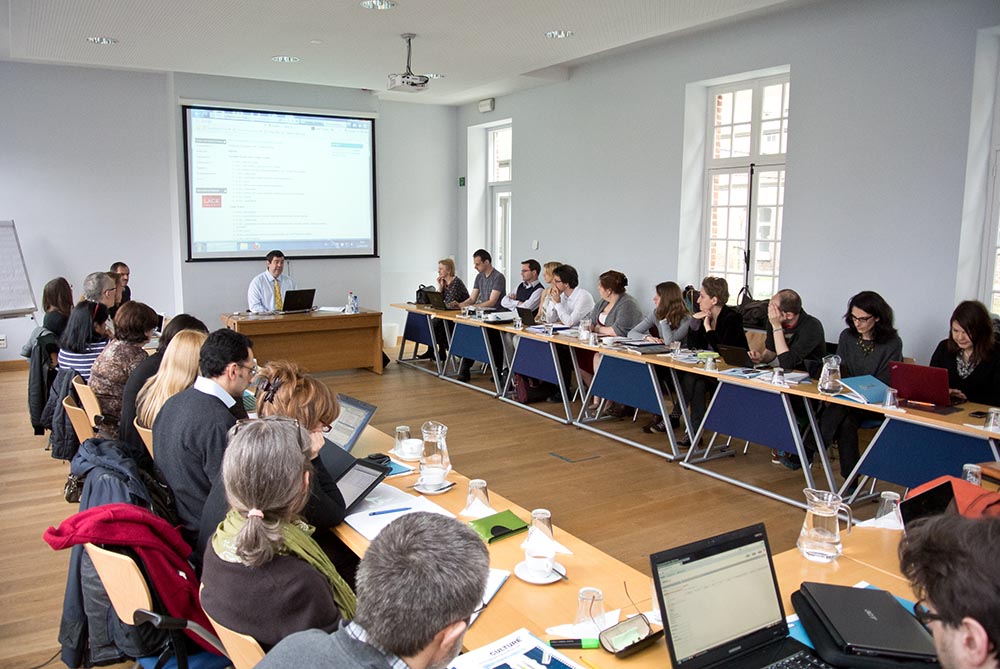
Andrea de Polo talking to the partners
Other issues for discussion concerned the technology achievements that stung the photographic medium to change accordingly; the real and essential meaning of a photo; the concept of “Great photography”, which is somehow misleading, as it may change as years pass by – and today’s big names could be completely forgotten in 20 years.
The so-called “small” partners had the possibility to show how important and peculiar they are, as they offer a different material from the “big” photographic archives.
Among the others, it is worth to mention the following:
- MHF Museum of History of Photography of Poland will provide images that are selected on anthropological basis, coming from amateurs or semiprofessionals. They will provide aerial photography, and photos of travels, leisure time, sports of ordinary people. Also they will provide photos of evolving technologies as for example medicine equipment and tools.
- Arbejdermuseet (Workers’ Museum) of Denmark is not providing artistic photography but the evidence of workers’ conditions that changed so radically during that historical period.
- Theater Institute of Bratislava is offering visual documents of costumes and scenography. Theater had been an important cultural device for the Slovak society.
- KU LEUVEN will provide images that had been used for teaching art history and archaeology. They are important because they are the witness of objects that may not exist anymore, and offer a view about teaching.
- Lithuanian Art Museums have very various images and very different contents, dating back from the Russian empire times. They show portrait, city-life architecture and monuments, country landscapes, historical events, and a good witness of the Manor culture (the ancient nobility).
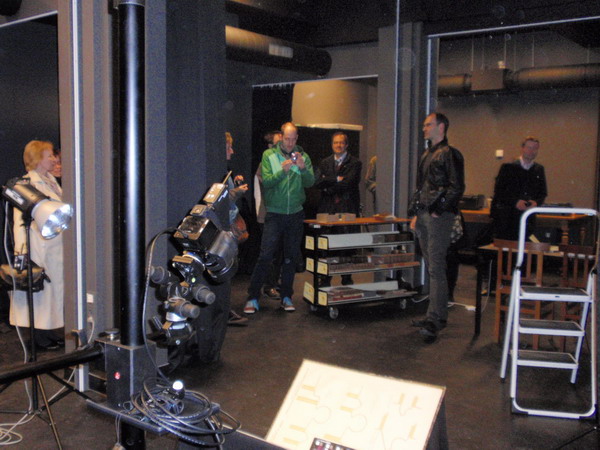
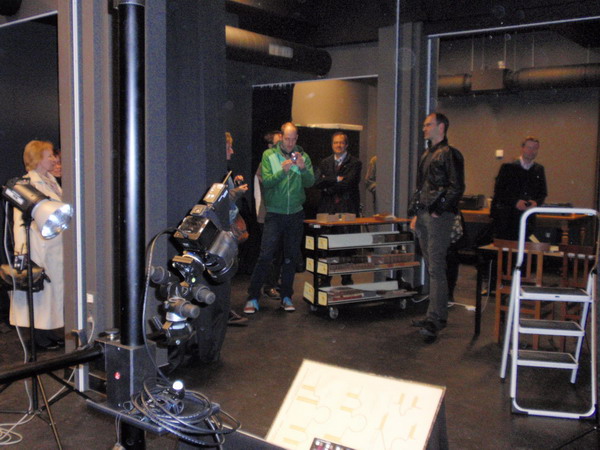
Alamire digital lab
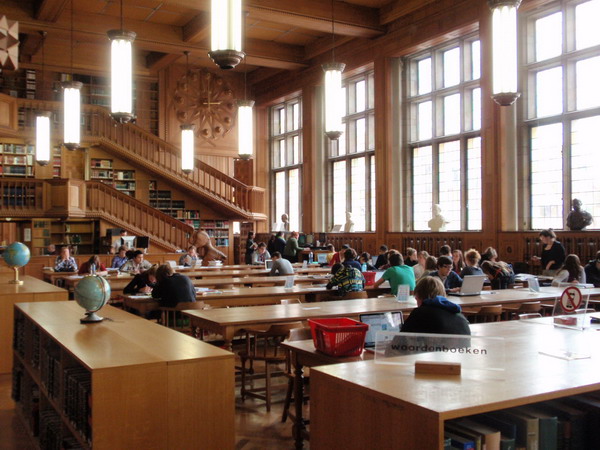
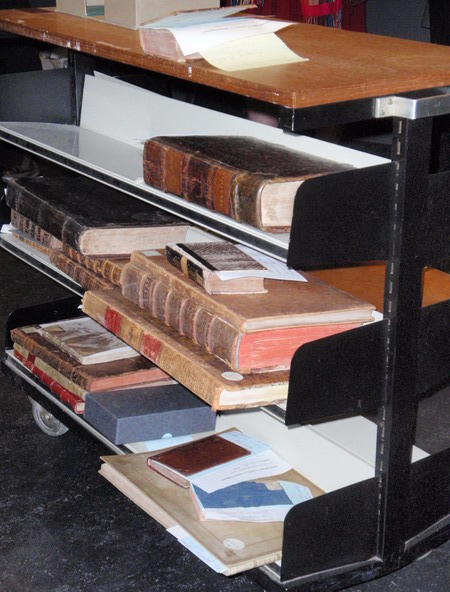
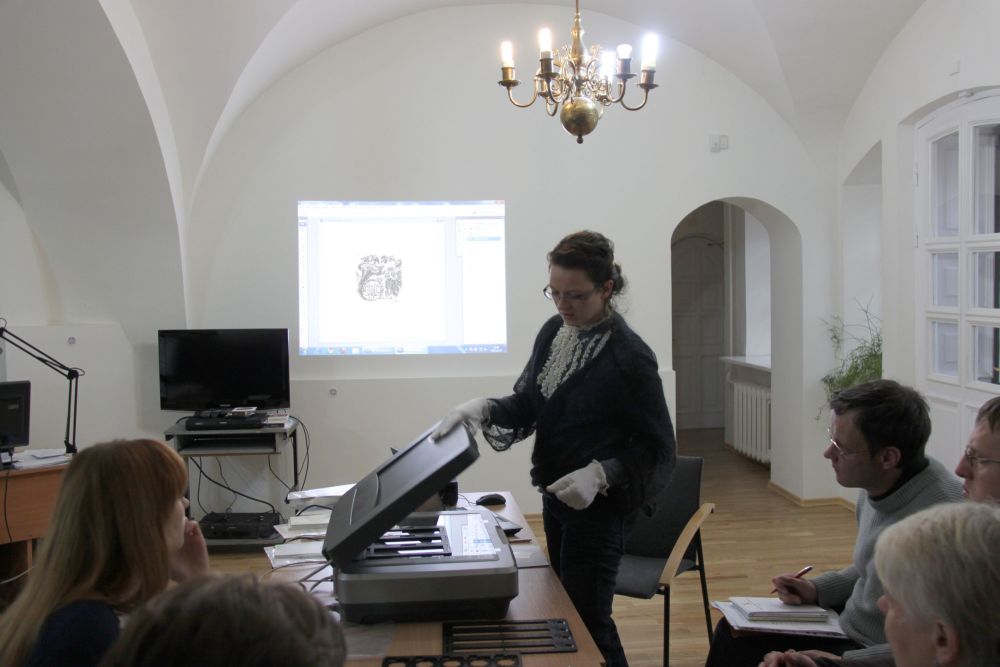
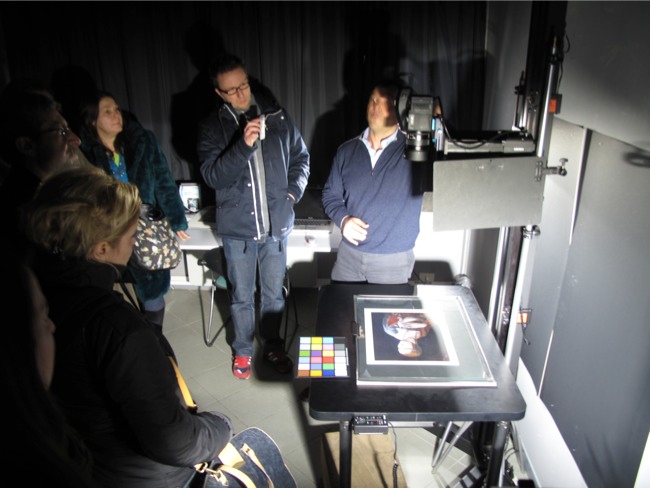
With such a busy time, the 2 days passed swiftly. After the end of the seminar, our hosts took us to visit the beautiful University Library, and the Alamire Digital Lab, provided with PhaseOne technology and other advanced tools. An interesting description of the digitization workflow officially concluded the meeting, but – for those who had to wait the flight schedule – a few time left permitted a nice walk in the town.
Next appointment for EuropeanaPhotography project is end of May in Girona, for the digitization workshop: it is going to be a very technical meeting which will provide the partners tutoring and teaching about the digitization process.
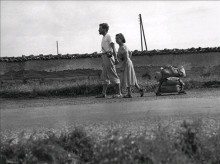

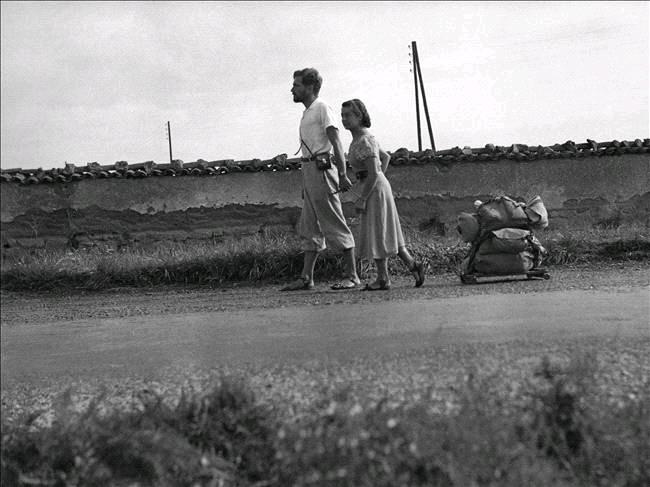
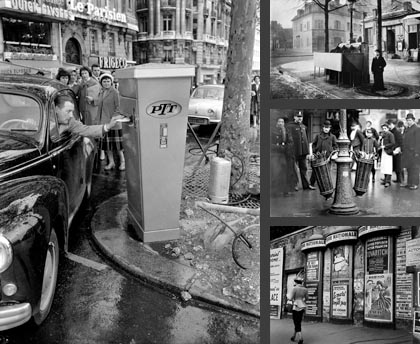
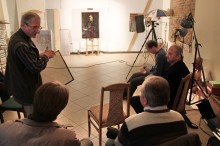
 Lithuanian museums caught the digitisation train rather late comparing with the rest of Europe. Therefore now they try hard to come up with it and present Europe’s audience with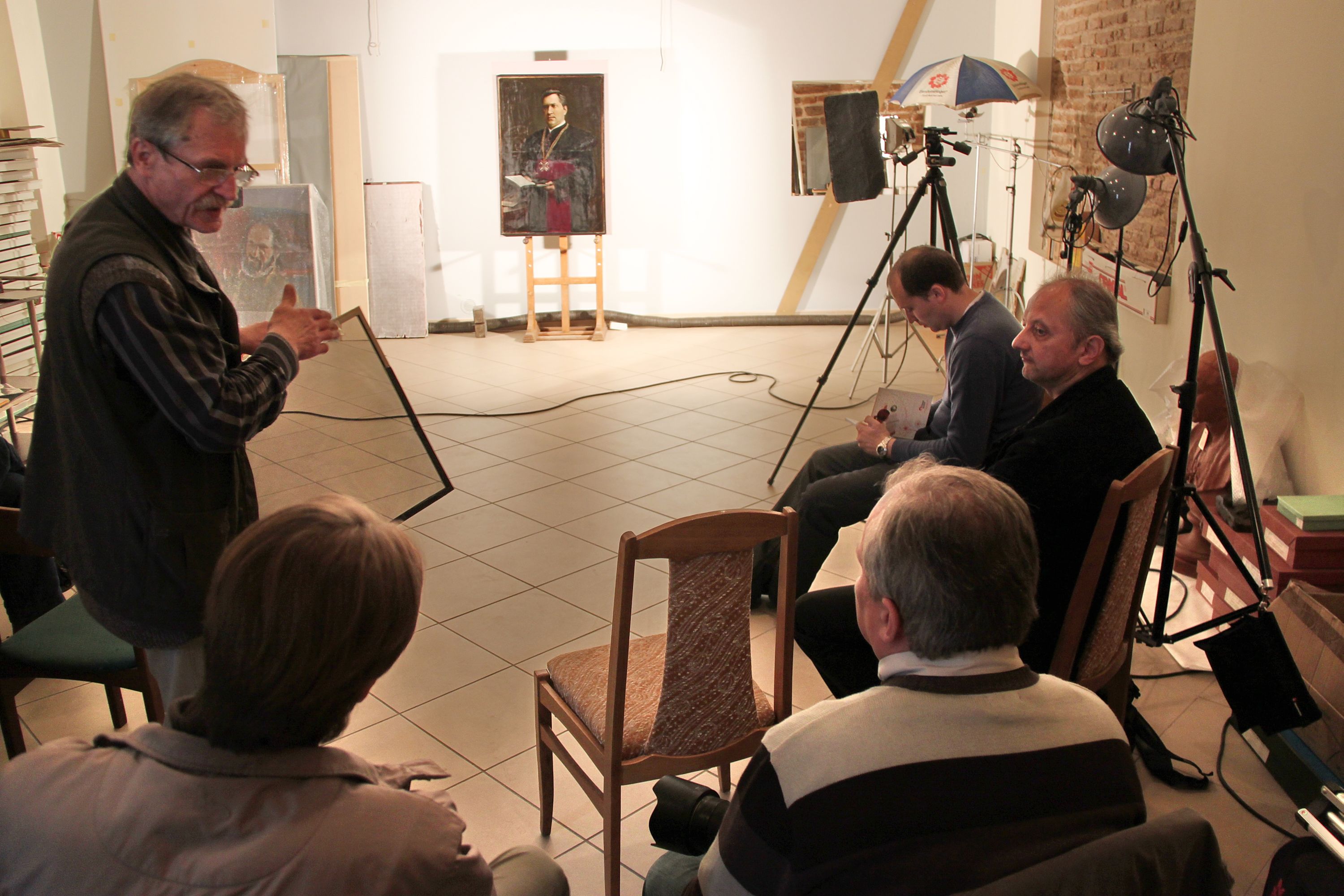



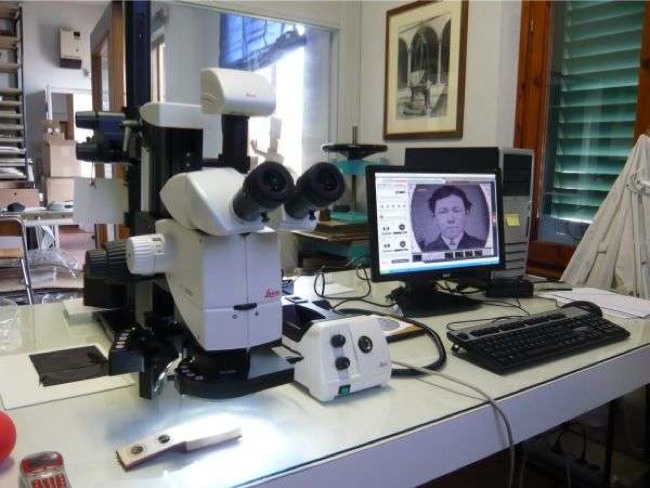
 A freezing cold Firenze welcomed with northern winds and a couple of snowflakes the beginning of EuropeanaPhotography project.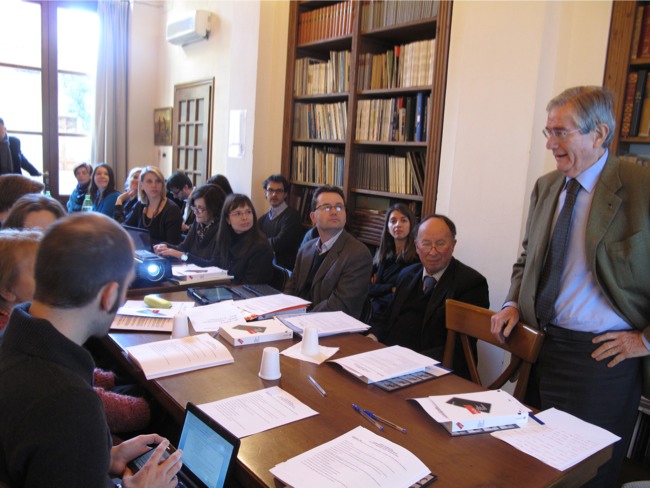
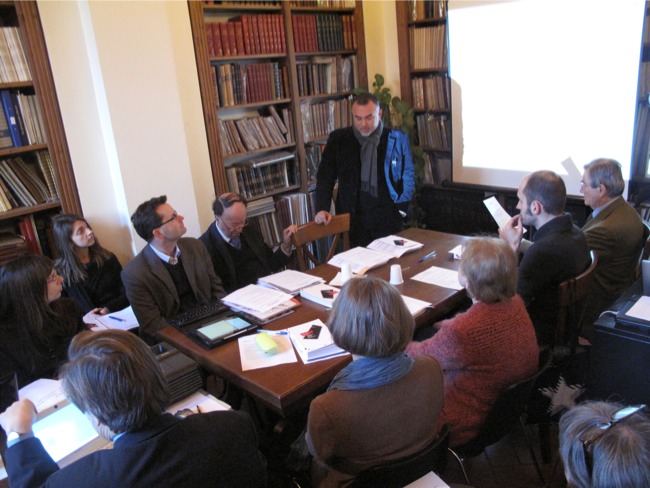
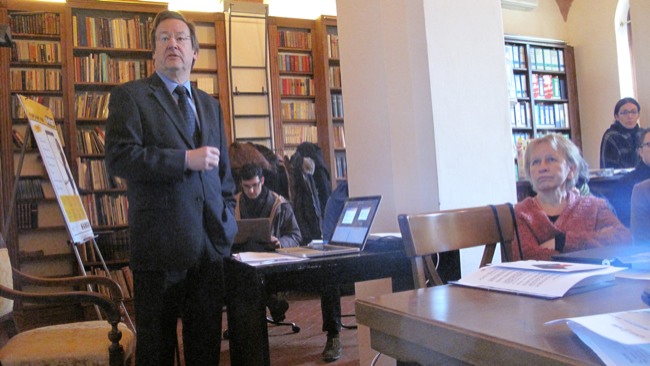
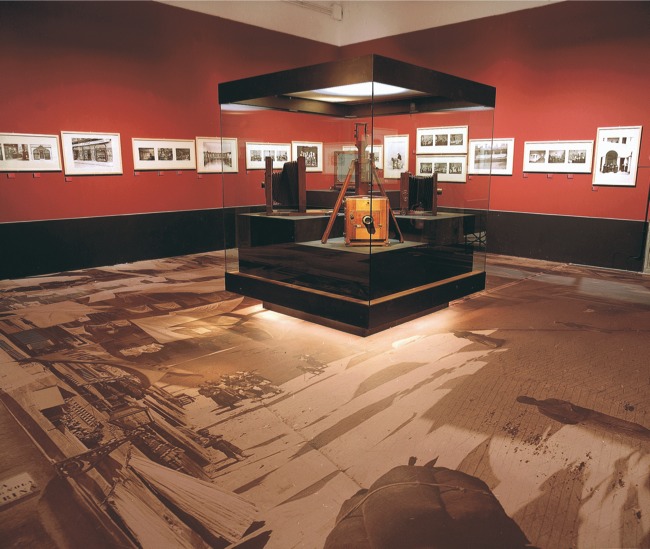
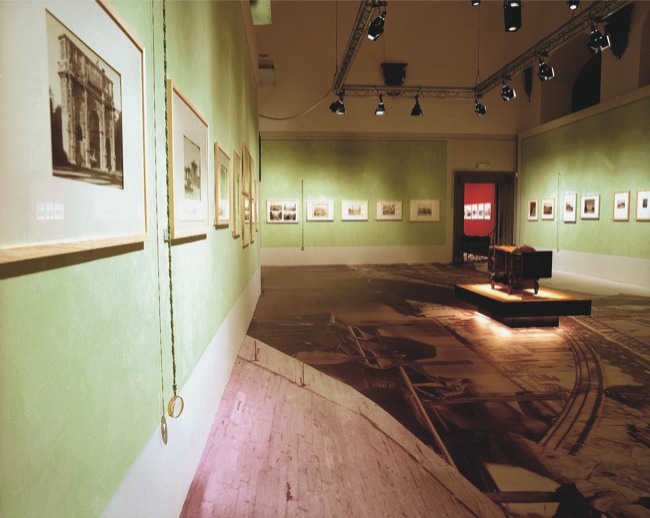
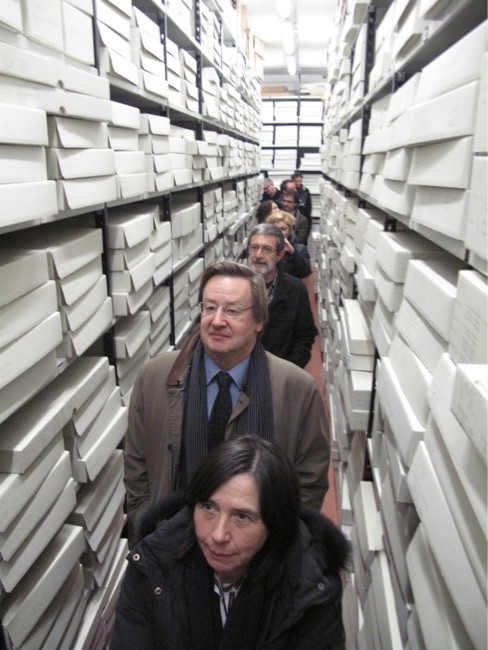
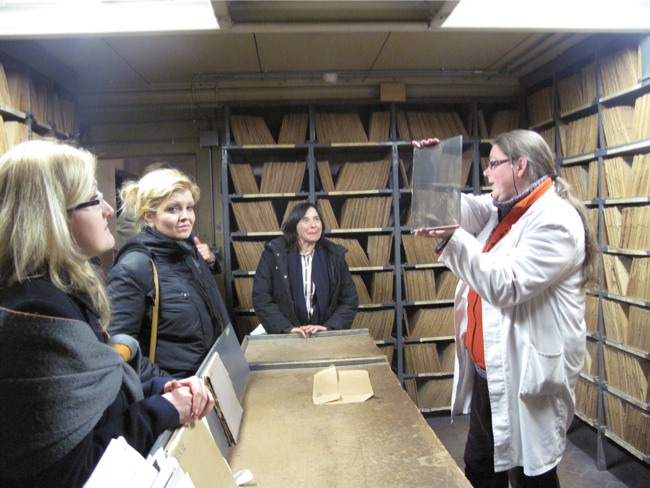
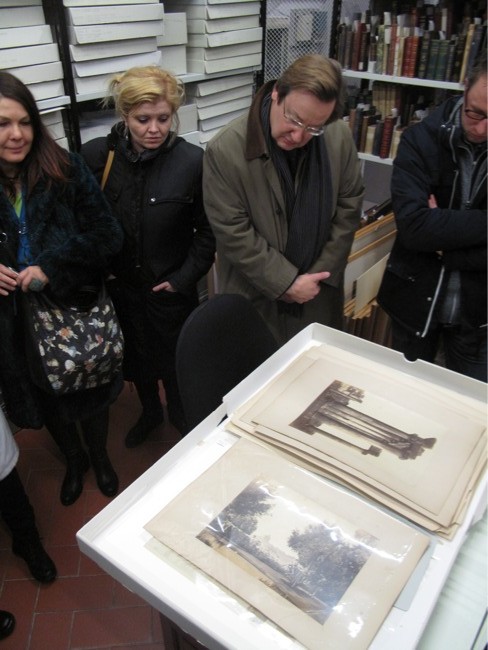
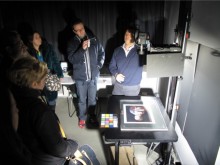 During the 2-days meeting, Alinari 24 Ore invited the partners to a very interesting and exclusive tour of its palace with an overview of their advanced digitizing systems (80 MegaPixel technology from Leaf / Phase One) and the top moments of visiting the Archive of ancient photographs and the incredible glass-plates negative collection, plus the visit to the ArtPrintworks explaining the original, artisanal printing process.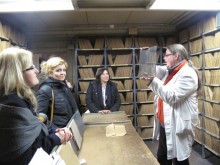
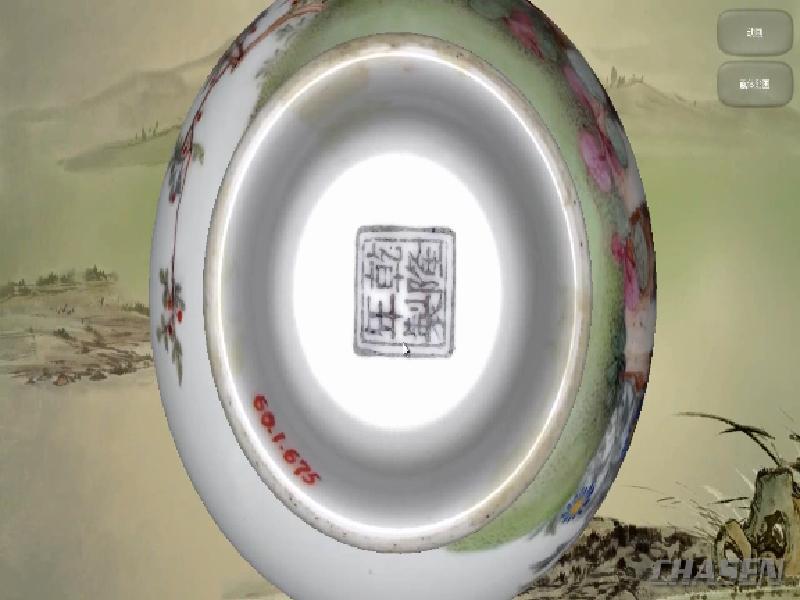
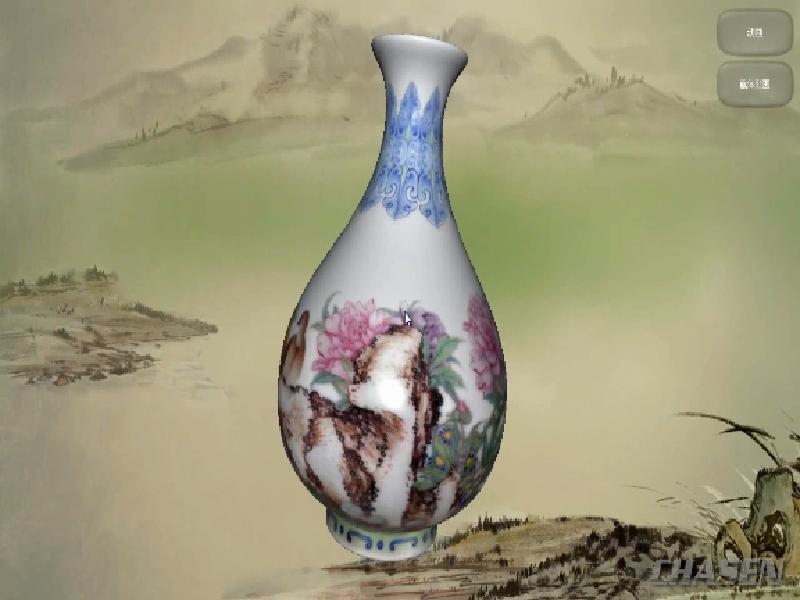
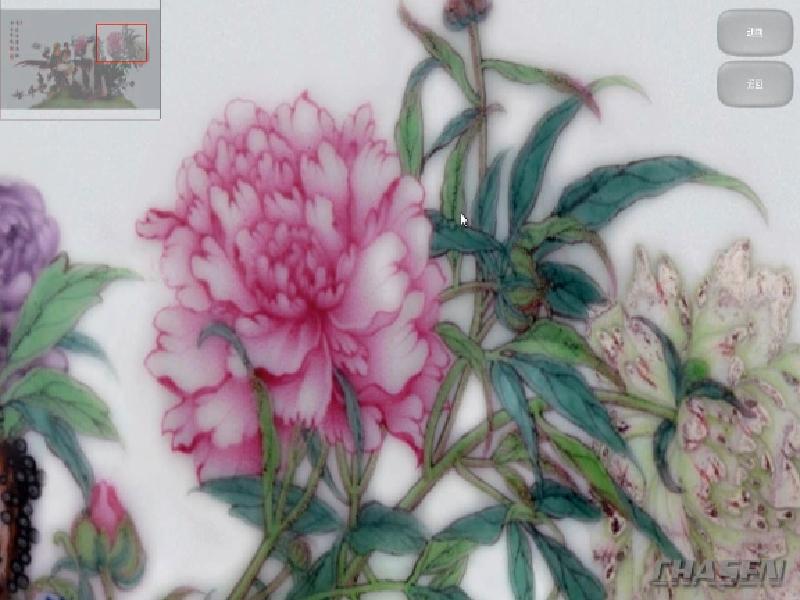
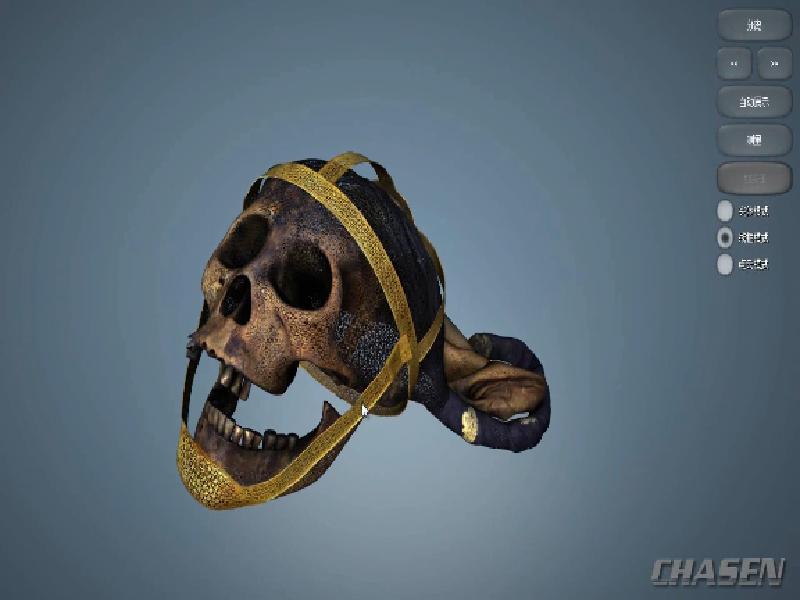
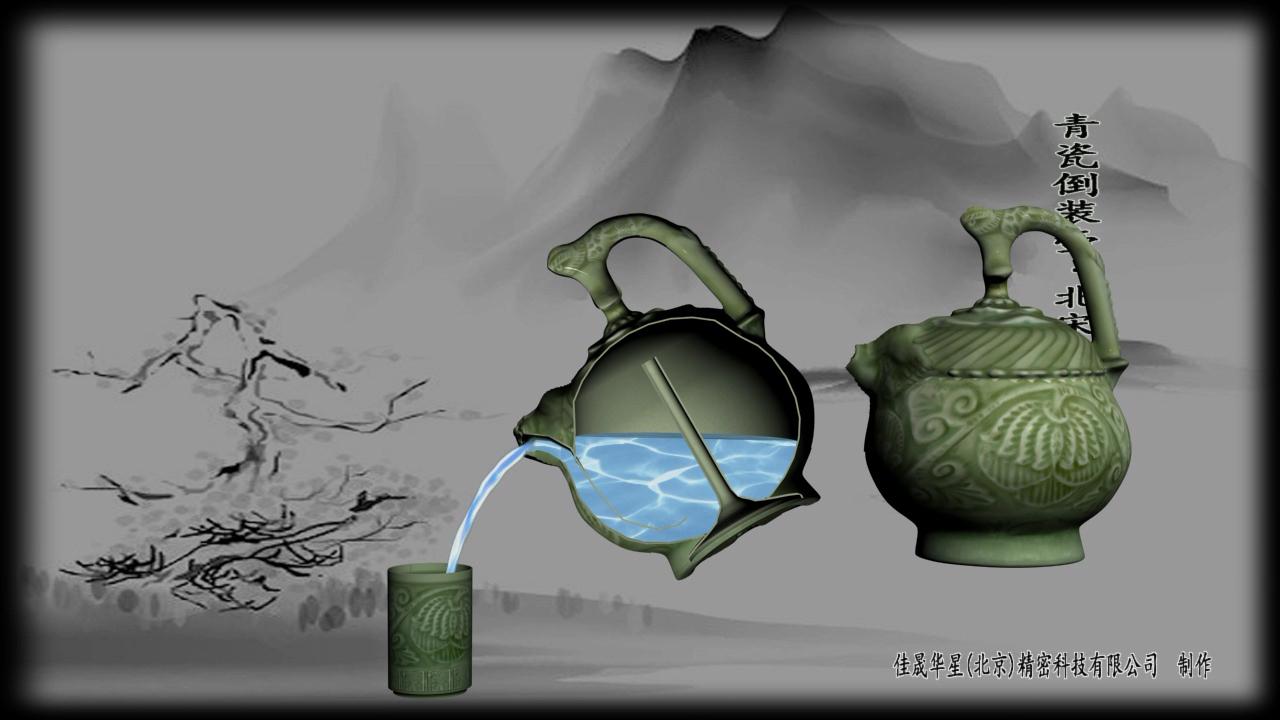
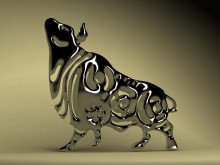
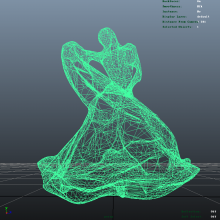 Situ Xiaochun, art consultant of digitalmeetsculture and member of NIO art studio is exceptionally telling about himself and his concept of art in an interesting paper about digital creation. It is an artist’s point of view regarding the impact of digital technologies on creative process and inspiration. Xiaochun performs with the digital tools as a mean and as a source for his artistic path, and in this paper we hear his voice about exploring both ways for digital creating, provided with many images of his artworks and explanation of their artistic process and intentions.