

text by Caterina Sbrana.
“Na na na heyana, Hahiyaha naha ..”
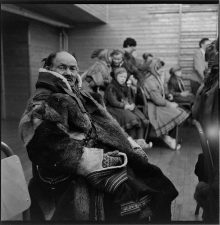
This is how Frozen, the Walt Disney movie directed by Chris Buck and Jennifer Lee, begins. The film has no relevance to the National Archives of Norway but who wrote the opening music, Vuelie, is the Norwegian musician Frode Fjellheim, who inserts the Joik into the song. By doing research on Joik popular music, I have deepened, through this extraordinary archive, the Sami culture. Joik is the Sami folk music, one of the oldest traditional songs in Europe. It has particular vocal characteristics and it is performed as a dedication to a person or an animal. While in the mid-fifties of the twentieth century, the Joik was long condemned as a sinner and it was forbidden to use it in schools in the Sami area, today many young artists include Joik as an element in contemporary music. But this is not the most important topic. The Sami music was the pretext to tell you about this extraordinary photographic archive which, as I wrote, I discovered almost by chance.
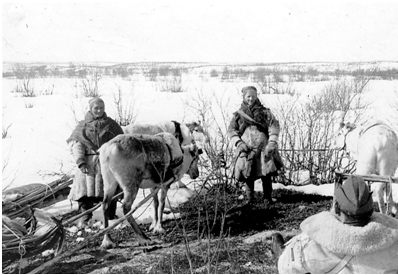
Two reindeer Sami on Finnmarksvidda. The photograph comes from an album donated to the National Archive by Nurse Marie Lysnes. In the spring of 1945, she participated in the creation of a field hospital in Finnmark. Lysnes documented her stay in Finnmark through texts and images.
On the National Archives Digital Photo Archive, I found over 200 photographs depicting the daily life of the Sami people with the capture of reindeer, the festivals, the construction of sleds. Photos of the mid-20th century and contemporary ones.
As the project staff says, the National Archives use the Digital Archives as a channel to publish parts of their archive material, primarily that which is in highest demand. On the Digital Archives internet site, most of these source materials are open to all for searching and browsing. The Digital Archives present archive documents in digital form and are free to use and open to all; they are built around the notion that archive users should be able to access as much source material as possible, from one location, presented through a common search system and user interface.
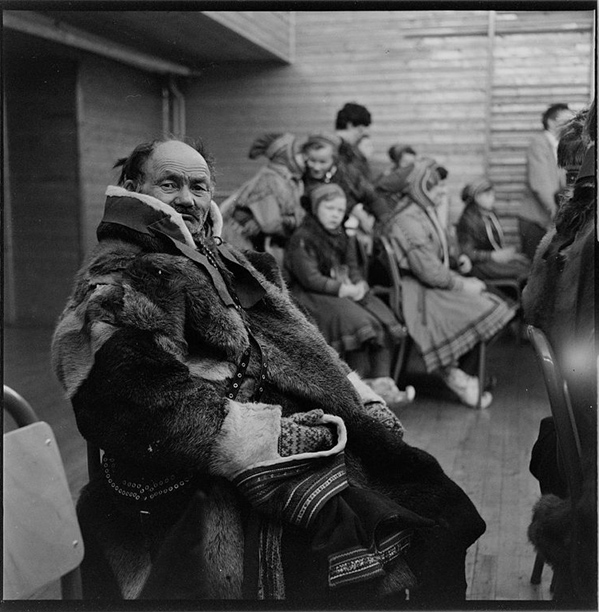
Samelandsmøte, 1962. Photo taken on the occasion of a sightseeing trip to Finnmark for Billedbladet-ORA
From the home page of the Norwegian Digital arkivet, clicking on the National Archives Digital Photo Archive we are returned to the page “Fotoweb 8.0” from which you can start the historical-photographic search.
We find out that the photographs “originate from different archives, both private and commercial, as well as organisations and public sector entities. Some of the photos are taken by professional photographers, others by amateur photographers and individuals”.
I suggest you to read the instructions of the creators of the digital archive before beginning the research: in the middle of the page a search box allows you to write a free-text necessary to find a particular photo. The photographs include the information which has been provided in the archives themselves, are categorized geographically by region and country. “Identification of featured individuals is a time consuming process and for this reason, many photos will contain little or no such information, even if it could have been of great interest”.
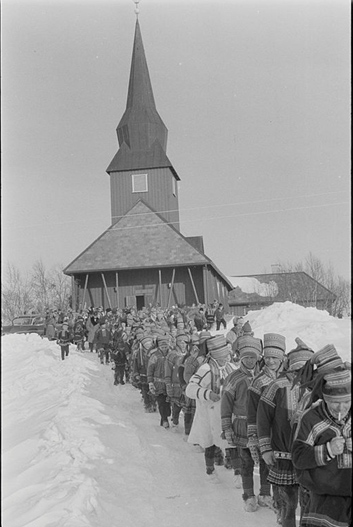
Photo taken on the occasion of a Sami wedding; approximate dating 1962; maker Klaeboe, Lasse
People, institutions, as well as organizations can create his own albums, by registering a user account as volunteers in the photo archives. The group of experts working in Digital Archives has set as a rule the usability of the digitized material, and this means that it can be published for free usage on all pages.
The majority of photos in the National Archives Digital Photo Archive can be used freely, and without restriction, but some are restricted for commercial use. Every picture in the photo archives has a tab which says “Rules for reuse”, where we can find the usage rules that particular picture.”Rules for reuse” explains whether a picture is in the public domain; and if not, which licensing conditions apply.
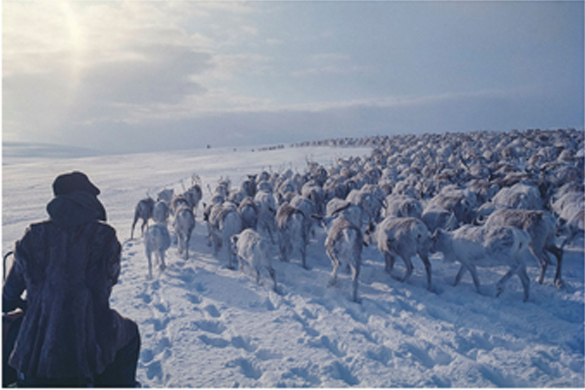
A shepherd of reindeer. Photo by Koji Tsuda, taken from Samisk arkiv, 1974-1986
A few months ago, in September 2019, other Norwegian archives outside of the National Archives will be offered the opportunity to upload and publish their scanned archive material online on the Digital Archives.
I can assure you that in this digital archive we find photographs of extraordinary beauty and interest not only in the field of historical research.
Shortly, I’m going to show you a series of beautiful black and white photographs, from the middle of the twentieth century preserved at the Borgarsyssel Museum, Sarpsborg, and now digitized, concerning daily life and much more.
It’s in front of everyone how much digital technology allows a large number of people access to cultural resources. The researchers themselves claim that the Digital Archives are built around the notion that archive users should be able to access as much source material as possible, from one location, presented through a common search system and user interface.
https://www.digitalarkivet.no/en/
https://foto.digitalarkivet.no/fotoweb/
https://foto.digitalarkivet.no/fotoweb/archives/5001-Historiske-foto/

 Professionals and organizations involved in preservation, management and valorisation of Komani, of other heritage sites in the Drin Valley, Albania and the Balkan region as well as relevant speakers with an important experience in preservation of Balkans heritage are invites to join this three-and-a-half day exchange workshop about heritage sites sustainable management in the Balkans, based on case studies and shared experiences.
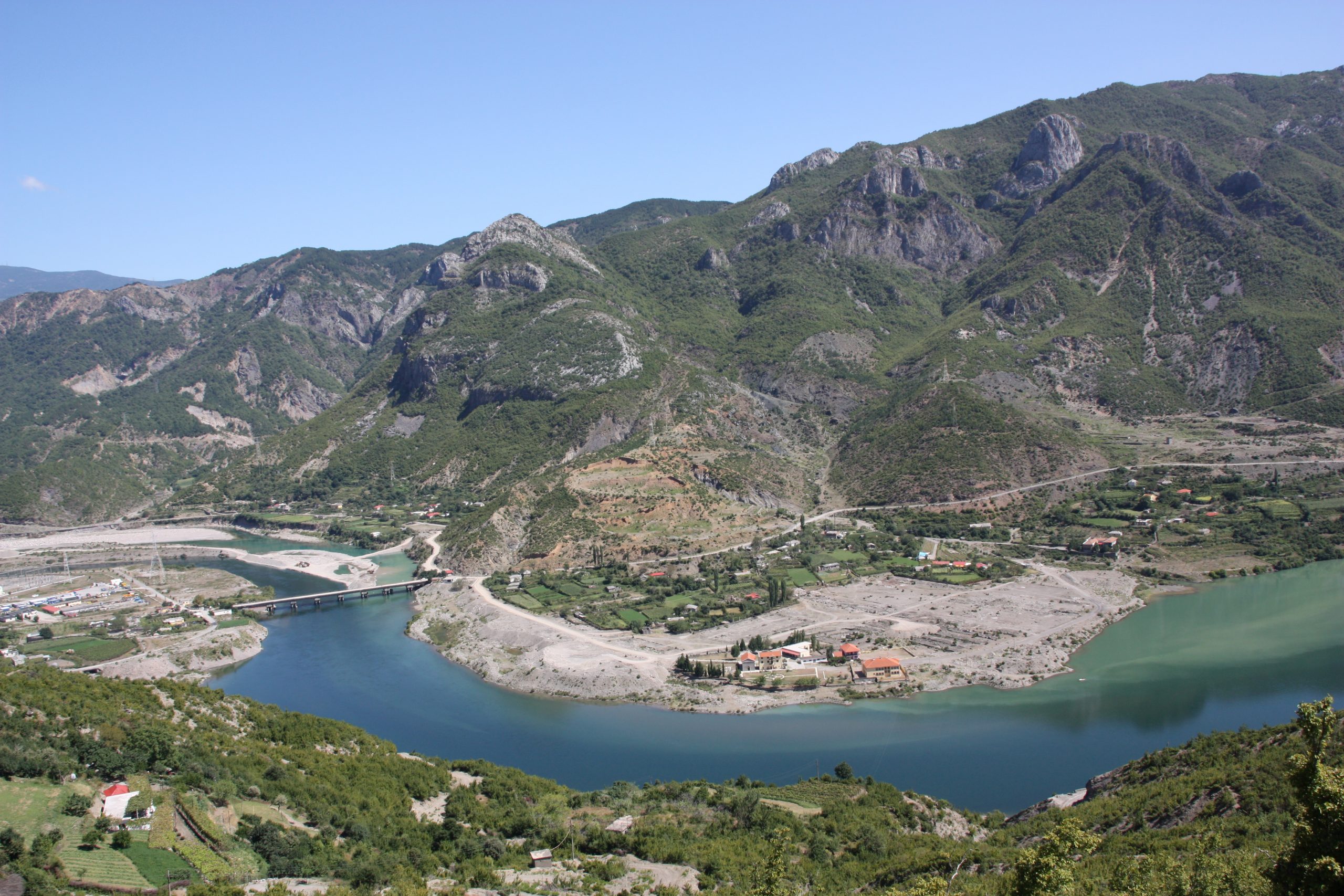 The municipality of Vau i Dejës is committed to a project to create a regional natural park in order to enhance the diversity of Komani heritage resources (landscape, archaeology, vernacular heritage, etc.). Based on Komani case study and on the Grands Sites de France approach, the workshop intends to feed discussion about integrated management of heritage areas. It will also discuss the experience acquired within the Grands Sites de France national policy (coordination between preserving heritage value of sites and managing tourist flows, stimulating a socio-economic impact on the area, urban sprawl, etc.).







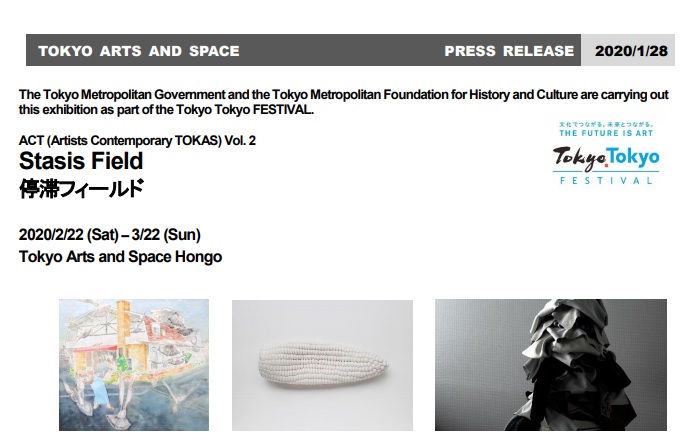 Tokyo Arts and Space (TOKAS) has supported artists in a multi-career-stage and continuously supportive program through endeavors such as open call exhibitions, exhibitions of contemporary artists, and international fellowships. In the Artists Contemporary TOKAS (ACT) series launched in 2018, exhibitions will be held to introduce artists who are worthy of attention now, centered on those that have taken part in TOKAS programs. Introduced at this second installment, titled ”Stasis Field,” are works by three artists/pairs: TANAKA Shusuke, HIROSE Nana & NAGATANI Kazuma, WATANABE Go.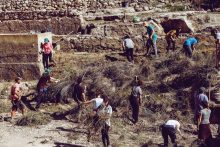
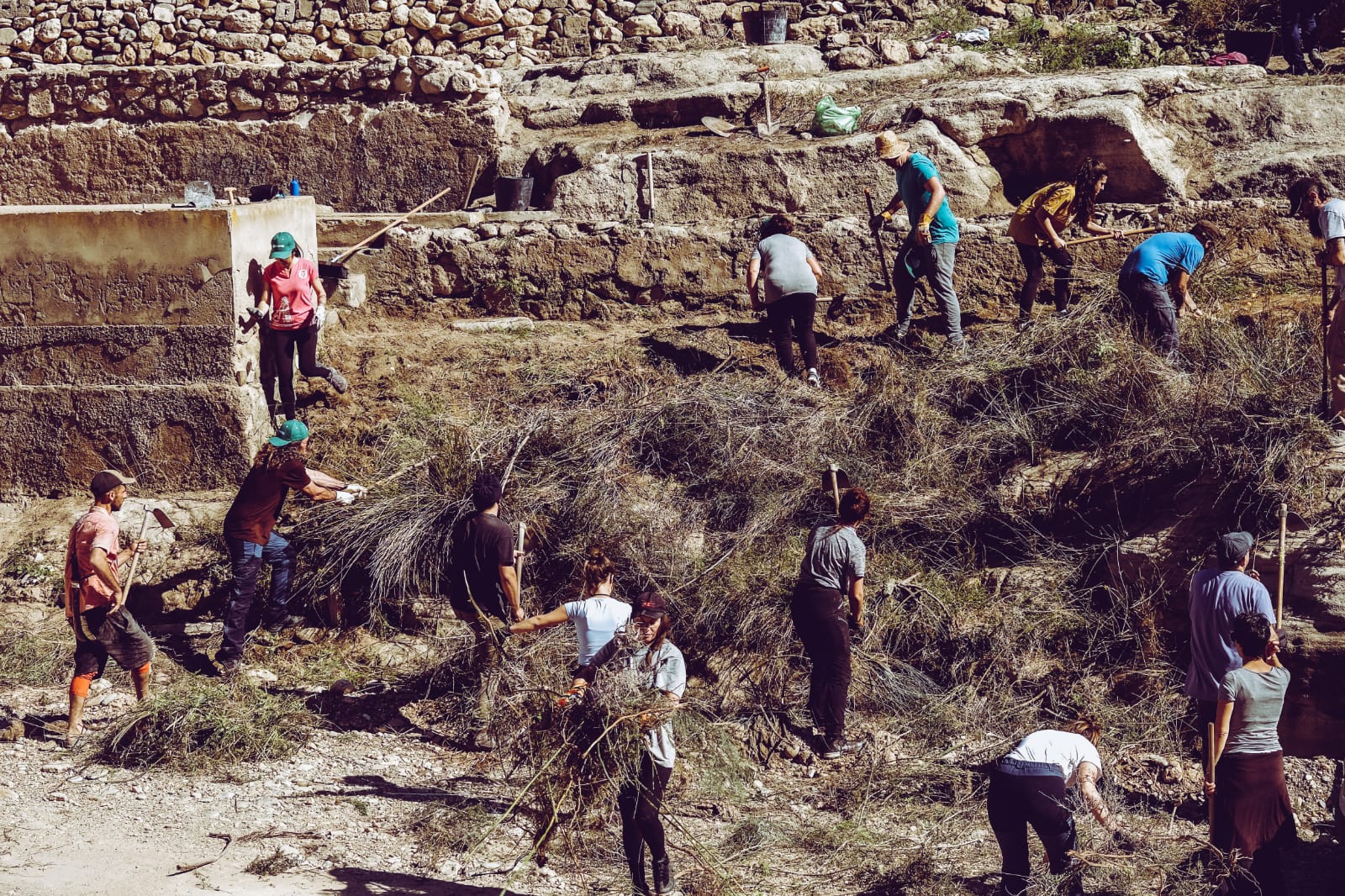 Saturday 15 February 2020 in Sorbas, Almería (Spain), MEMOLab, REACH project and local associations had collaborate in the cleanliness of Fuente de los Caños.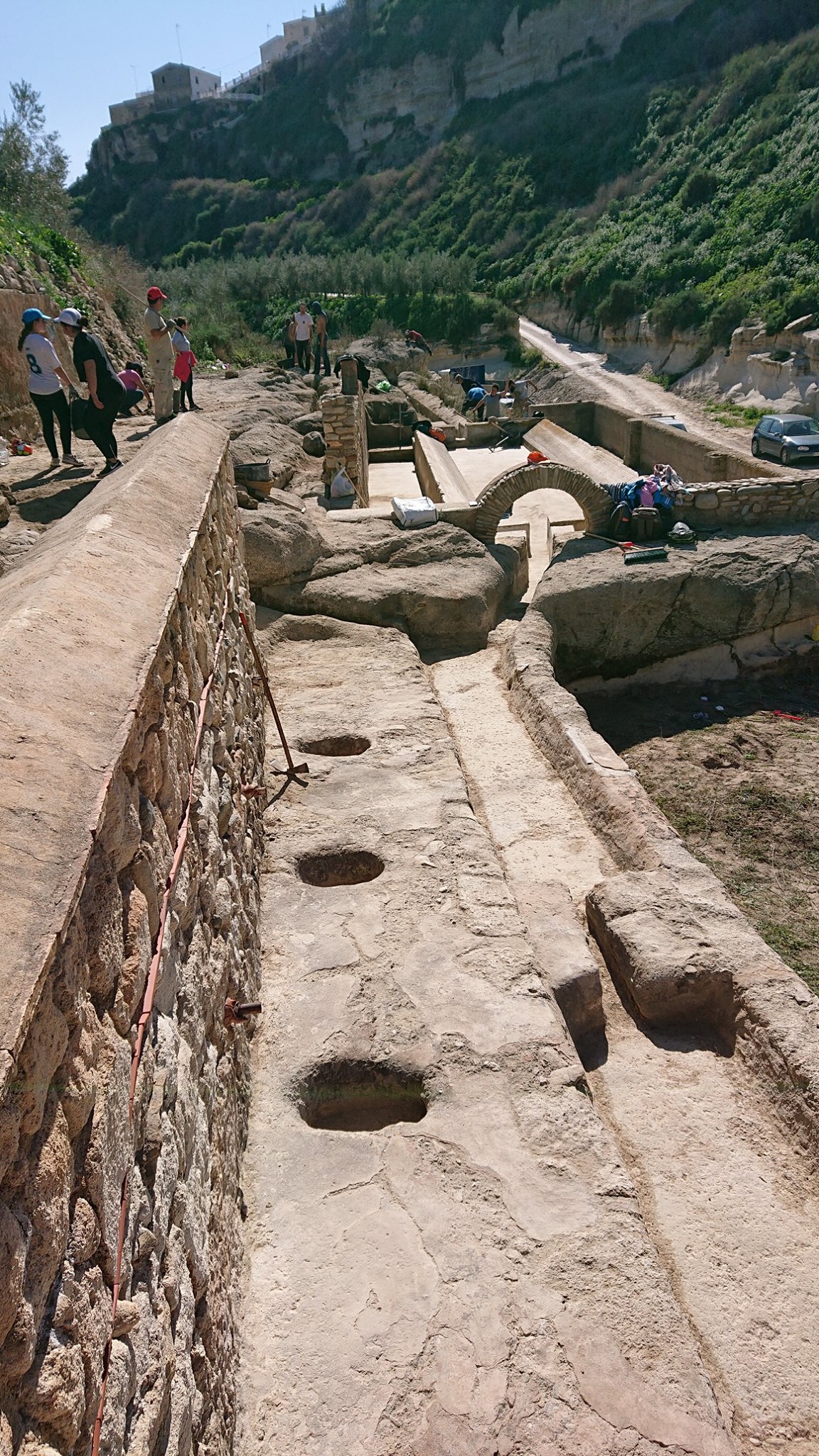

 Last 19 February, Dr György Eszter, interviewed by the “HALLGATOI MAGAZINE” reported her direct experience in carrying on the case study of the minority heritage pilot within the REACH project.