

Time Machine Connect 2026 (September 30, Aarhus) brings together the Time Machine Organisation (TMO) and EIT Culture & Creativity communities in Aarhus to explore how cultural heritage data, digital technologies and creative expertise can come together to create new opportunities … Continue reading
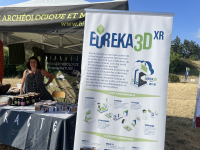
This Gallic archaeology festival takes place every year at the Gergovie oppidum, the very place where the Gauls famously resisted the Roman invaders. Around 300 people visited the Bibracte stand, where they could discover the EUreka3D-XR project. Nearly 150 visitors … Continue reading

EUreka3D-XR project’s partner Bibracte has organized an onsite workshop focused on the AR Tour Experience tool developed within the project: Bibracte is inviting heritage, tourism or education professionals that want to enrich the experience of their audiences with immersive technologies. … Continue reading
Area: digital heritage
After the success of the 2016 edition, with over 150 attendees from all over the world and over 50 presentations, the PDF Days Europe 2017 will be held in Berlin again, giving visitors plenty of opportunity to learn about the applications and benefits of PDF, PDF/A, PDF/UA and more. Across two days, you’ll be able to choose from German- and English- language presentations, user reports and workshops in order to assemble your own personal package of PDF knowledge. Continue reading

The IS&T Archiving Conference brings together an international community of imaging experts and technicians as well as curators, managers, and researchers from libraries, archives, museums, records management repositories, information technology institutions, and commercial enterprises to explore and discuss the field of digitization of cultural heritage and archiving. Continue reading
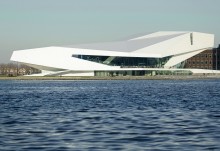
The Reel Thing addresses current thinking and most advanced practical examples of progress in the field of preservation, restoration and media conservation. A special 40th edition of the ongoing technical symposium will take place in Amsterdam on May 28-30, 2017, in conjunction with the EYE International Conference 2017. The event, organised in cooperation with with EYE Filmmuseum Amsterdam and the Association of Moving Image Archivists, will focus on the wide range of critical issues facing archivists, technicians, asset managers and curators of image and sound in the current media/digital landscape. Continue reading
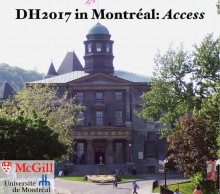
Co-organised by McGill University and the Université de Montréal, Digital Humanities 2017 (DH2017) will take place August 8-11, 2017 in downtown Montréal, Canada on the campus of McGill University. This is the premiere annual conference of the international Alliance of Digital Humanities Organizations (ADHO). The theme of DH2017 is “Access/Accès”. Continue reading

The IFLA World Library and Information Congress is the international flagship professional and trade event for the library and information services sector. It brings together over 3,500 participants from more than 120 countries, sets the international agenda for the profession and offers opportunities for networking and professional development to all delegates. The 83rd World Library and Information Congress, entitled ‘Libraries. Solidarity. Society’ will take place in Wrocław, Poland, from 19-25 August 2017. Continue reading
Organised by CODATA-Germany, the German National Committee on Data for Science and Technology of the International Council for Science, the DCH2017 International Conference will take place in Berlin, at the National Library, on August 30 – September 01, 2017. The conference focuses on providing key messages relating to the impact of new technologies and processes on cultural heritage. Continue reading

The International Association of Sound and Audiovisual Archives 48th Annual Conference will be hosted on 17-22 September 2017 by the Ethnological Museum in Berlin. IASA 2017 Conference theme is ‘Integration and Innovation: Bringing Workflows and Formats Together in the Digital Era’ and everyone engaged in or curious about the discovery, care, preservation and dissemination of our sound and audiovisual heritage is invited to join. Continue reading
EUDAT is embarking on its third year with an even stronger focus on communities, services (both existing and new), training and collaboration. Continue reading

iPRES is the major international conference on the preservation and long-term management of digital materials. The iPRES 2017 hosted by Kyoto University will contribute to promotion of researches and development of technologies and services of digital preservation. Following the success of the previous conferences, the iPRES 2017 will serve as an international forum for the global community of digital preservation. Continue reading
Following the successful workshops organised in Stockholm, Berlin and Padua, the PREFORMA project invites all the members of the digital preservation community to attend the PREFORMA International Conference – Shaping our future memory standards, which will be held in Tallinn … Continue reading