


For the first time in EU history, the three EU institutions signed a joint declaration reaffirming the EU’s role in protecting cultural and linguistic diversity and integrating cultural considerations across all EU policies, while respecting national competencies. The institutions set … Continue reading
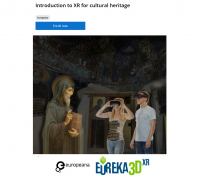
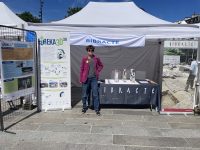
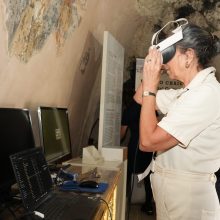
After months of careful development in collaboration with Europeana.eu, EUreka3D-XR project has just released a new self paced course on Europeana Academy, titled Introduction to XR for cultural heritage. Extended Reality (XR) is creating new opportunities for museums, archives, … Continue reading
Tag: Linked Open data
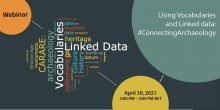
This webinar explores some of the ways that cultural heritage institutions can use controlled vocabularies and Linked Data to improve the discoverability of their content in Europeana. Three speakers will give short presentations after which there will be time for … Continue reading
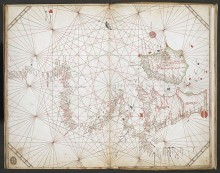
The current issue of EuropeanaTech Insight newsletter is solely dedicated to the Pelagios community and was done in close collaboration with the Pelagios team. Pelagios is a community and infrastructure for Linked Open Geodata in the Humanities, which means that … Continue reading
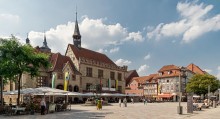
The 2019 International Image Interoperability Framework (IIIF) Conference will be held in the week of the 24th to 28th of June in Göttingen, hosted by the University of Göttingen / Göttingen State and University Library. The Conference is intended for … Continue reading
The Open Data and Ontologies for Cultural Heritage (ODOCH) aims at bringing together researchers in Semantic Web and Digital Humanities to discuss results and experiences on the design, development and use of ontology-based information systems for Cultural Heritage (Linked) Open … Continue reading
There is an unprecedented amount of data on the Web today. However, this data is only as useful as its quality allows it to be. Data Quality is an important topic in companies and organizations that use and/or disseminate large … Continue reading
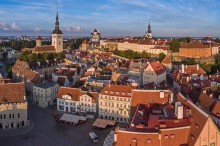
Submission deadline: July 10th, 2017 Proceedings will be published in Springer CCIS series AIM AND SCOPE Cultural Heritage collections are essential knowledge infrastructures that provide a solid representation of the historical background of human communities. These knowledge infrastructures are constructed from and … Continue reading
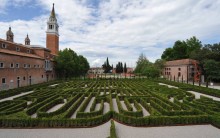
The Fourth International Linked Open Data in Libraries, Archives and Museums (LODLAM) summit will be held in Venice, Italy, at the Fondazione Cini June 28-29 , 2017. LODLAM stands for Linked Open Data in Libraries, Archives and Museums. Linked data is a … Continue reading
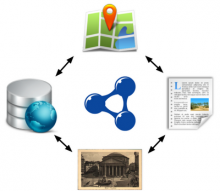
EAGLE (the Europeana network of Ancient Greek and Latin Epigraphy) joins Pelagios, a collective projects which aims to help introduce Linked Open Data goodness into online resources that refer to places in the historic past. By joining Pelagios, EAGLE will be able to connect with other major online projects about the Ancient World and make its data accessible to other aggregator and LOD projects. Continue reading

Linked Heritage demonstrated the publication of Linked Data to the digital cultural heritage community, including the establishment of a linked data server which delivers our metadata as linked data triples. To identify the most effective way for the cultural heritage sector to create, manage and apply permanent identifiers. Continue reading