

 Graz University of Technology in Austria pursues top teaching and research and many of its branches are involved in EU projects. It also co-operates with partner universities and extra-university facilities within the framework of international networks.
The Knowledge Management Institute (KMI), which is involved in the CULTURA project under the acronym TUG, is one of in total eight institutes of the Faculty of Computer Science.
The main interests of TUG in CULTURA are centred on evaluation and adaptivity. Regarding evaluation a main task of TUG is the elaboration and refinement of a sound methodological framework for the evaluation of the CULTURA core intelligent services and adaptive user community environment for the realisation of adaptive cultural experiences. This includes methodologies of user-centred evaluation as well as the investigation of the scientific soundness of the theoretical approaches underlying adaptivity in CULTURA (Social Network Analysis, Natural Language Processing).

Beside the core-activity related to project progress and achievements, the TUG team is doing a very important work of dissemination. Very recently, in particular, CULTURA was represented in 2 very valuable workshops (German language) related to humanities.
First event was the interdisciplinary symposium ‘Bairisch-österreichische Dialektkulturen vor 1800‘, which was organised by the Dialect Cultures project in conjunction with the ‘Humanities Day’ at the University of Graz, 20-21 June 2013. In this occasion Alexander Nussbaumer discussed about CULTURA as an example research environment for digital cultural heritage collections. During the symposium, the attention was focused on dialect culture, with reference to potential further development and evaluation of the Dialect Cultures database.
Shortly after this event, there was another valuable lecture at the University, in cooperation with the Center for Information Modelling in the Humanities, on 25 June 2013; CULTURA was presented during in an introductory lecture on basics of information technology for humanities. The two digital collections used in CULTURA (1641 Depositions and IPSA collection) were introduced and both instances of the CULTURA environment were demonstrated as a showcase for information modeling in the humanities.
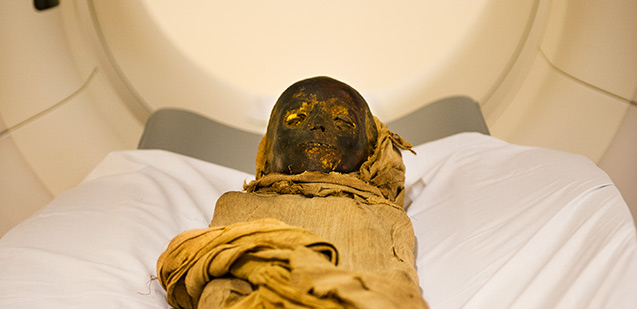
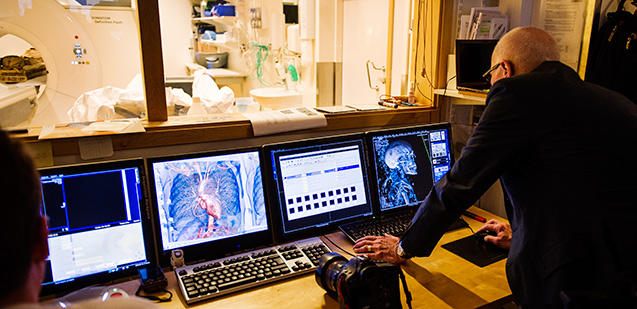
 Medelhavsmuseet – the Museum of Mediterranean and Near Eastern Antiquities in Stockholm will digitally place human mummies on a virtual autopsy table. The work is taking place in advance of a new exhibition on Egypt, which is due to open in 2014 at Medelhavsmuseet.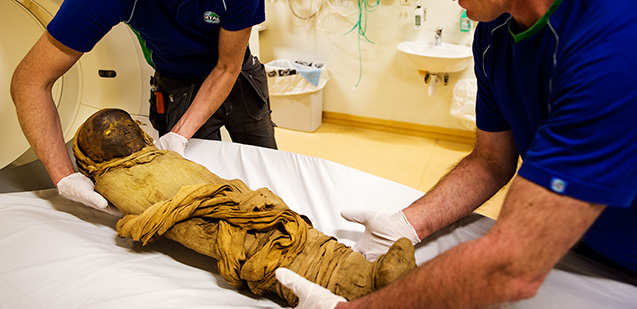
 Introduction:
 In the framework of EuropeanaPhotography, an on-line support service and a blog was recently implemented by University of Patras, developed according to the partner’s needs and now available for anyone interested or in need for a specialized support.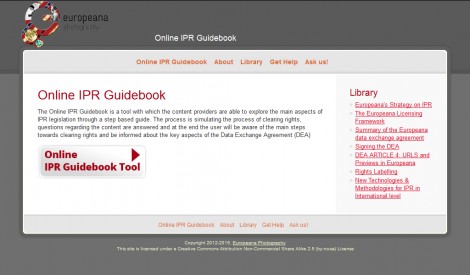

 This new book Geocoded Digital Cultural Content, edited by Franc J. Zakrajsek and Vlasta Vodeb (with a foreword curated by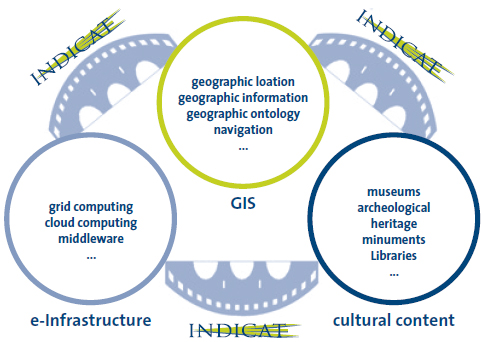

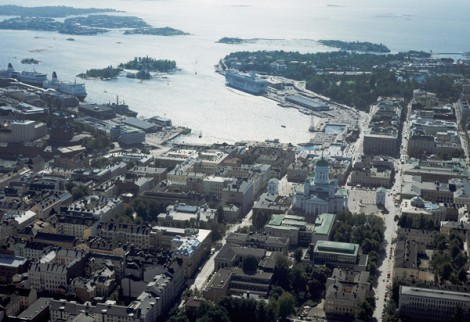 TERENA and SURFnet has organized the second VAMP workshop on September 30th & October 1st, 2013 in Helsinki, Finland.