

 iPRES is held on a rotating basis between Asia/Oceania, North America and Europe.
In November 2015, the School of Information and Library Science and the Odum Institute for Research in Social Science at the University of North Carolina at Chapel Hill will co-present the 12th International Conference on Digital Preservation. This premier event brings together key theorists, researchers and practitioners to explore the latest trends, innovations, policies and practices in digital preservation.
iPRES2015 draws participants from around the world and from leading institutions, projects and initiatives currently working in this domain. The last time this meeting was held in the United States was in October of 2009 in San Francisco. With so many years since the last US venue we expect approximately 300 participants to this conference.
The conference features key notes, conference sessions, workshops, tutorials, poster sessions and a series of ancillary social activities.
For further information visit the Conference website.
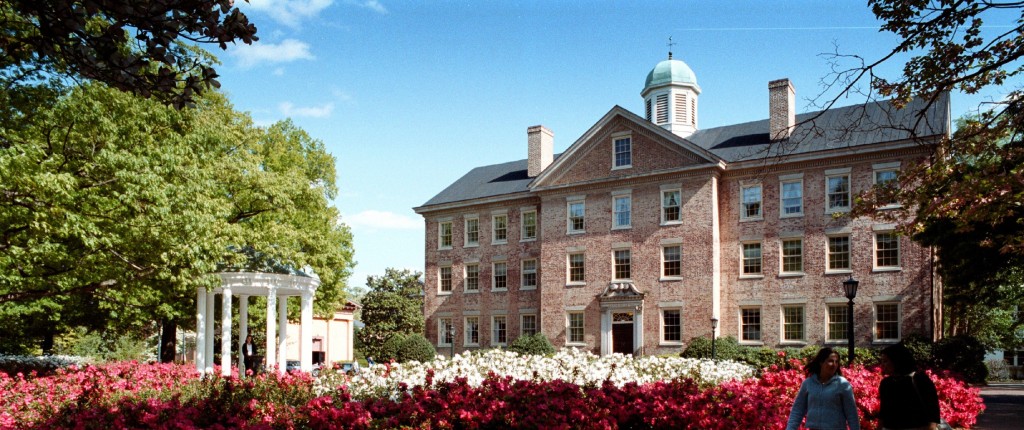
Workshop: Using Open-Source Tools to Fulfill Digital Preservation Requirements
ArchivesSpace, University of Michigan, University of North Carolina, Educopia Institute and Internet Archive are running a workshop called “Using Open-Source Tools to Fulfill Digital Preservation Requirements” to be held in the framework of iPRES2015 on Friday, November 6.
Bengt Neiss from the National Library of Sweden will participate to present the PREFORMA project and to co-create a banchmarking template for the PDF use case.
The workshop offers a space to talk about open-source software for digital preservation, and the particular challenges of developing systems and integrating them into local environments and workflows. Topics will include current efforts and grant-funded initiatives to integrate different open source archival software tools; the development of workflows involving multiple open source tools for digital preservation, forensics, discovery and access; and the identification of gaps which may need filled by these or other tools.
Interested parties should submit a short summary (one page maximum) of a demonstration or case study they would like to present. These contributions will serve as the basis for the tool demonstration and case study portions of the day. The workshop organizers will serve as panelists during the third portion of the day and facilitators for break-out group discussions.
Please send your submissions to: oss4pres@unc.edu by Friday, October 9.
Submission will be reviewed to ensure relevant to the themes of the event. If you would like to be considered for the workshop in time to register for iPRES at the early bird rate (before October 1), please make your submission as soon as possible, and we will do our best to review it quickly.

 PREFORMA project has been invited to disseminate its results and papers via the eChallenges e-2015 Conference & Exhibition.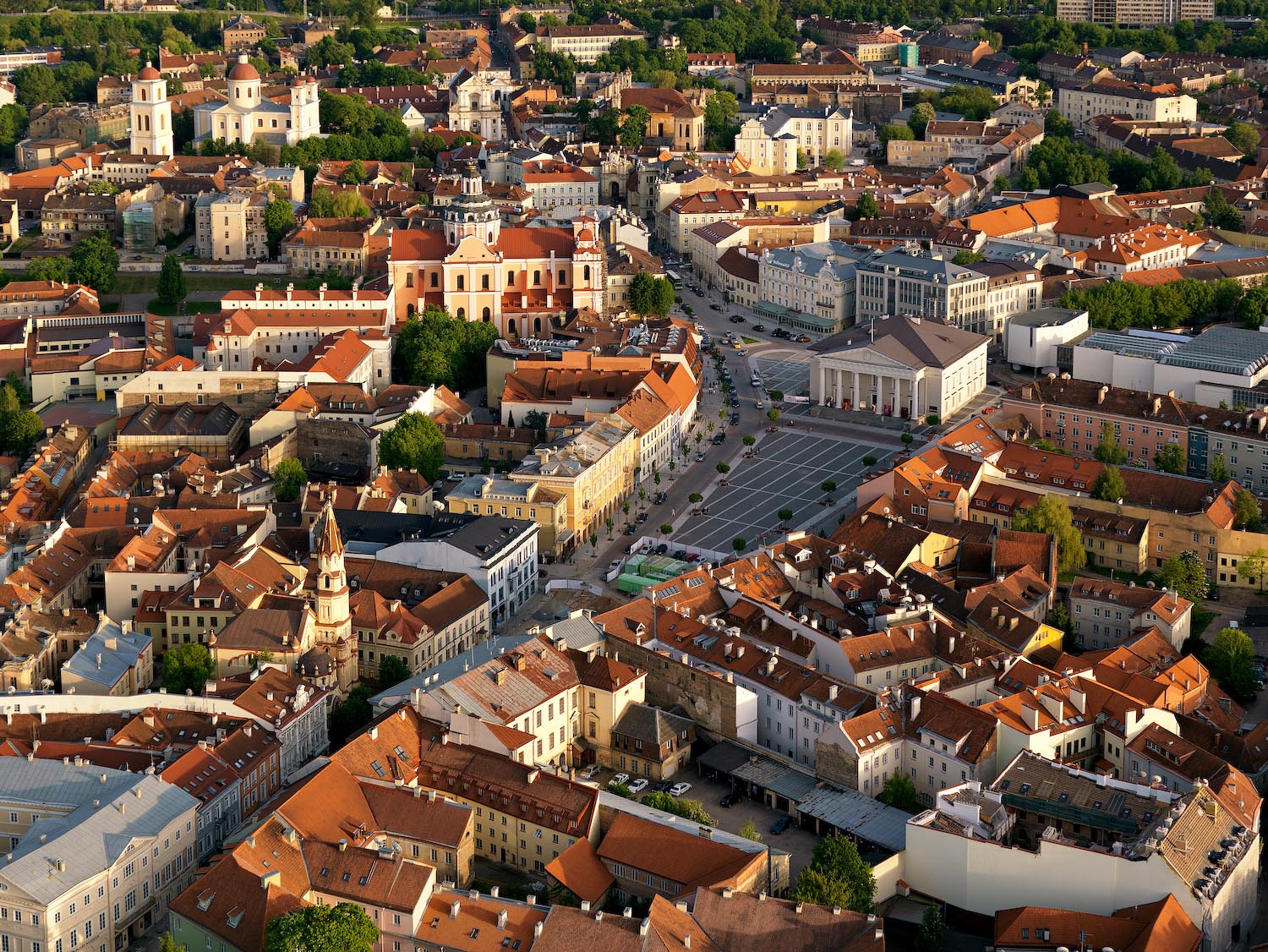
 During two eventful days the EUscreen network will involve archivists, curators, broadcasters and researchers to discuss the benefits and challenges arising from the openness of archives and collections in the digital age. The availability of audiovisual heritage online provides new possibilities of curation, participation, exchange and transnational cooperation that not yet have been fully explored.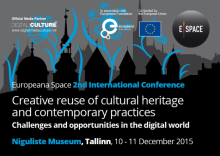
 The aim of the