

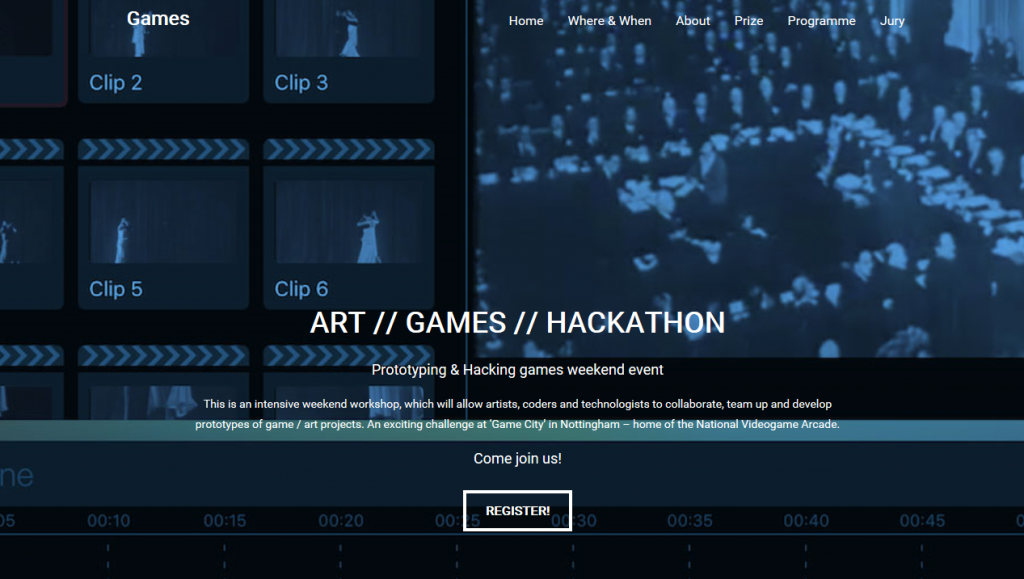
The ART // GAMES // HACKATHON was an intensive weekend workshop, which will allow artists, coders and technologists to collaborate, team up and develop prototypes of game art projects. This exciting event took place at Game City in Nottingham – home of the National Videogame Arcade on 16th and 17th April 2016.
The ART // GAMES // HACKATHON is part of Europeana Space, a large EU-funded project, which examines the creative reuse of online content across a range of media and art forms.
This is the sixth hackathon to be hosted by the project. Previous events have focussed on a variety of disciplines, including dance, publishing and photography. Building on three game prototypes developed as part of the project, this event explored the gamification of online culture, and considered how innovative new game projects might cultivate new forms of participation.
Event page: http://www.europeana-space.eu/hackathons/games/
Follow the Twitter channel of the event: @ArtGamesHack
Participants entered into a competition, which involved regularly pitching their ideas and prototypes to a jury of experts, over the two days and a final presentation. The three winning projects will now receive further mentoring from Simon Cronshaw from Remix Summits, and the chance to participate in a Business Modelling Workshop to further shape their projects and develop business plans. These three finalists will then compete for three months of tailored business incubation from world-class industry leaders.
The ART // GAMES // HACKATHON organising partners:
E-Space http://www.europeana-space.eu
Coventry University http://www.coventry.ac.uk
Game City http://gamecity.org/
Remix Summit: http://www.remixsummits.com
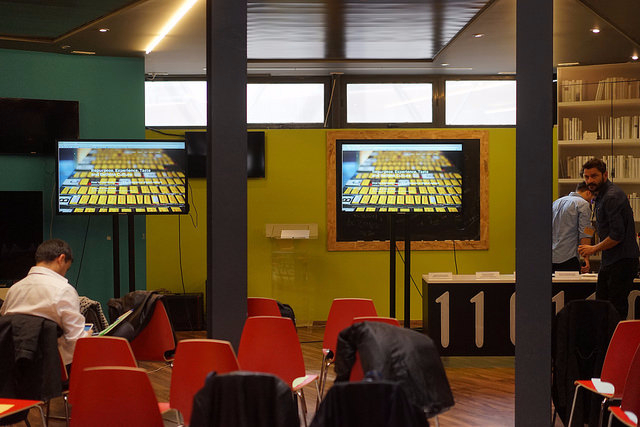
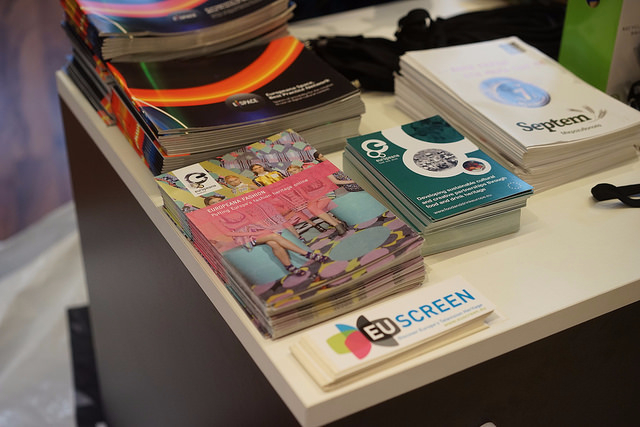
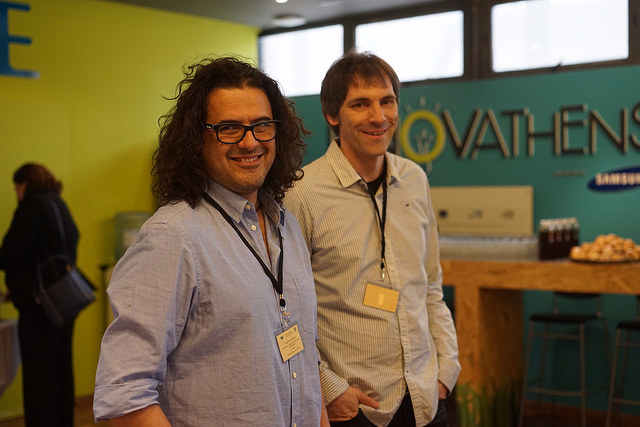
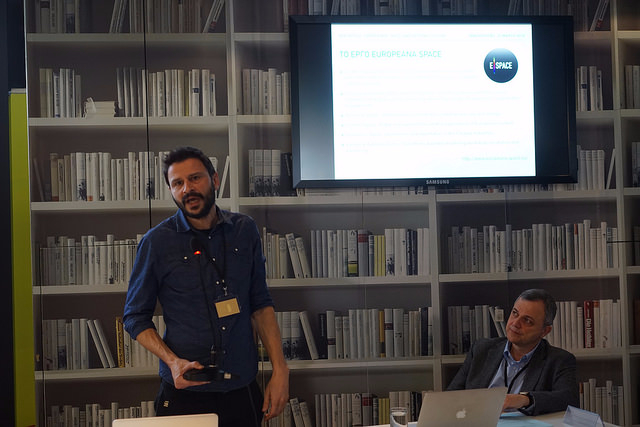
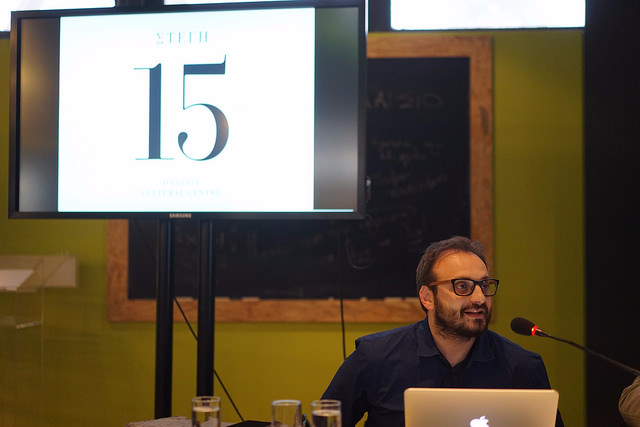
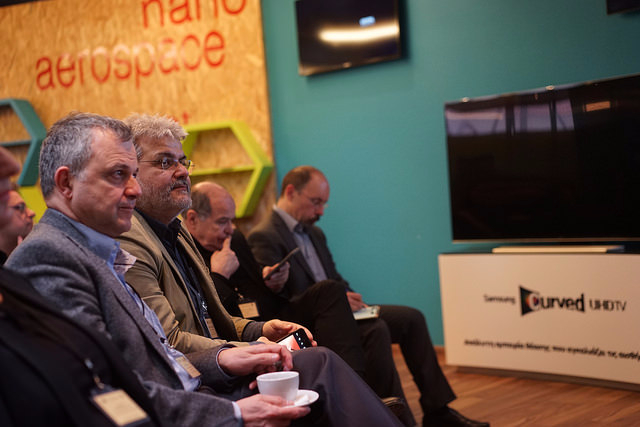
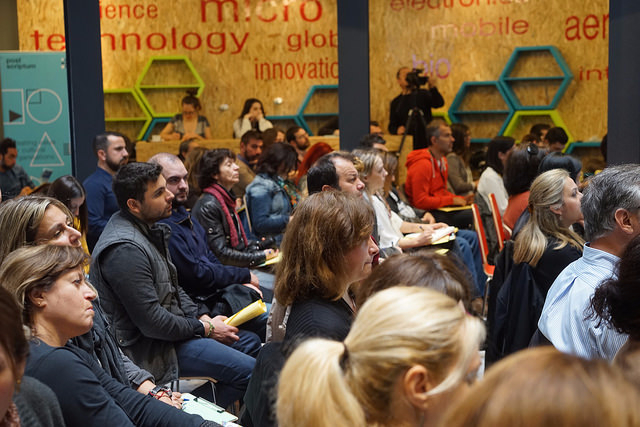
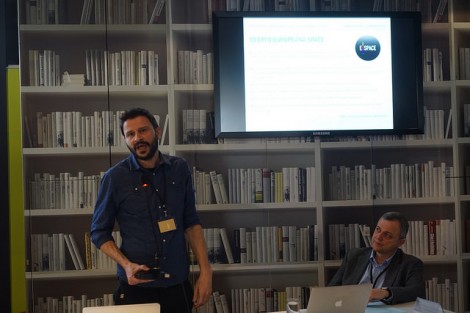 The workshop «Repurpose, Experience, Taste and Rethink Culture», was held on March 22, 2016 at INNOVATHENS, Technopolis, City of Athens. The workshop was organized by the National Technical University of Athens and with the support of PostScriptum. The main aim of the event was to generate new perspectives and facilitate the creative re-use of cultural heritage and associated metadata made available through online digital collections within a framework of creative experimentation and novel dialogue between multidisciplinary sectors, explore the potential of crowdsourcing as a means of promoting increased public participation in core tasks such as collecting, describing, categorizing, or curating heritage collections.