

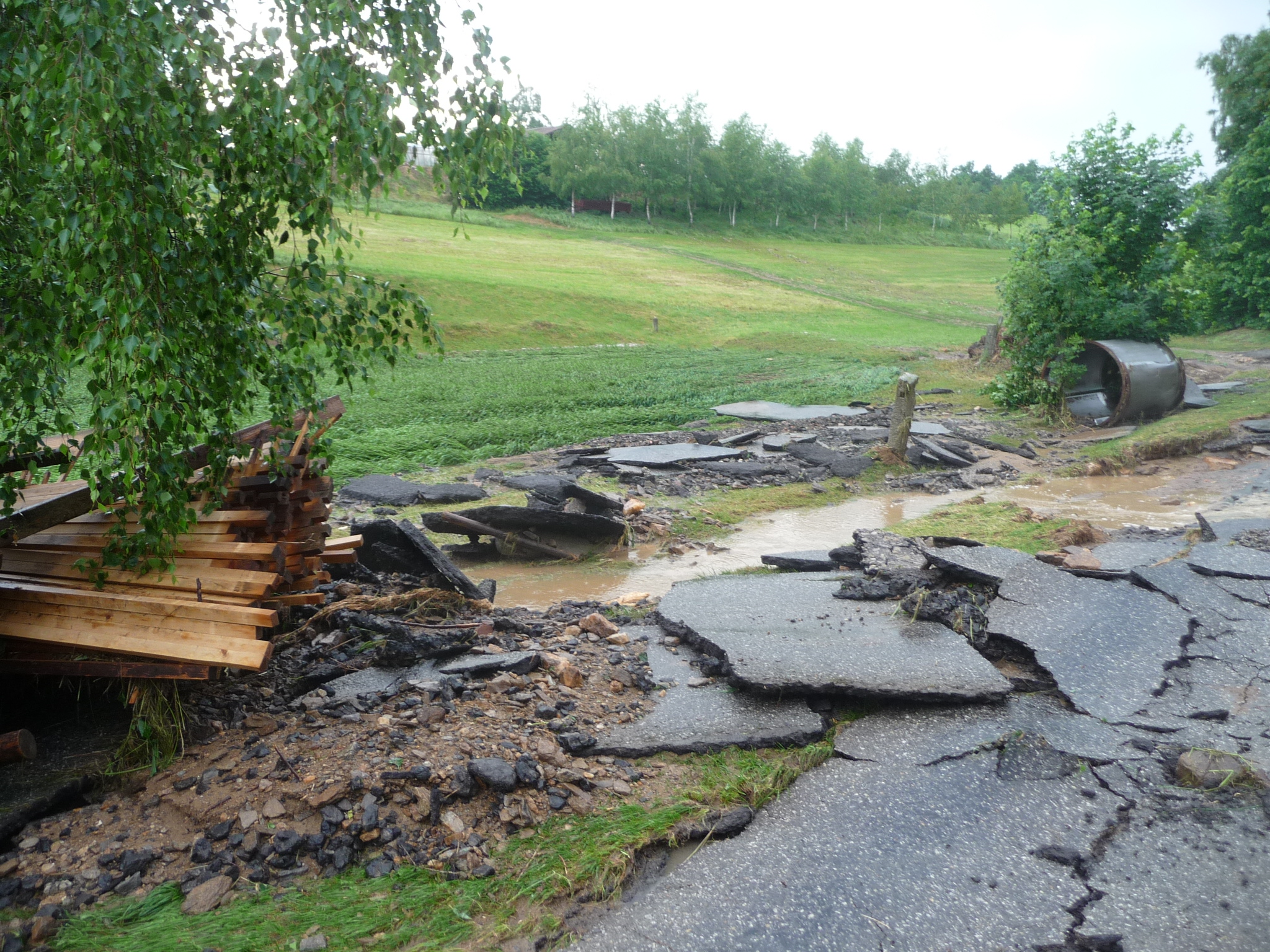
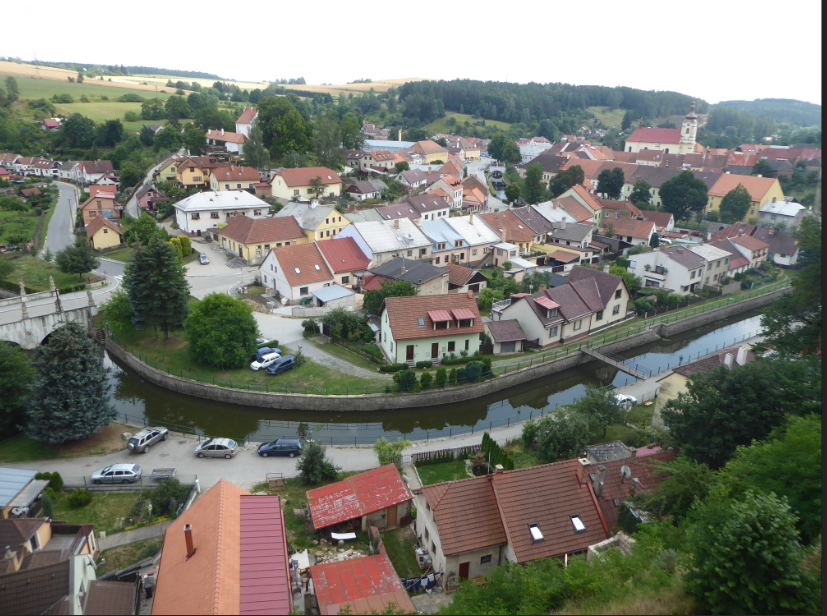
 Czech Republic, 1st June 2018 – Brtnice, one of the Associated Partners of the REACH project (Small Towns Heritage Pilot), was severely hit by rain and flood on Friday 31st May afternoon. Water and mud damaged about 20 buildings, carried away parked vehicles and destroyed stone walls and an old barn. Twelve inhabitants of houses located near the pond in the town’s center were evacuated.
“Ponds saved us from even worse damage,“ said Miroslava Švaříčková, the mayor of Brtnice. “Volunteers, local firemen and communal technical service are helping and cleaning the town“ she said. “We will start to reckon the extent of the damage by the next week”, claimed the vice-mayor, Pavel Rubeš. “But it is already clear that the cost will rise up to tens of thousands Euro,“ he added.
This small town of about 3700 inhabitants with its characteristic urban landscape and its historical monuments, has a notable value for the cultural heritage of small urban centers of the Country. Particular interesting sites are the Castle, the Museum and Birthplace of architect Josef Hoffmann, the Baroque Bridges, the Greater Church of St. James and the Monastery of Minims’ Order. Besides, the town’s historical center is enlisted on Urban Heritage Reservations List of Czech Republic.
 As the damage is so severe, Brtnice municipality is running a public collection of financial support for inhabitants affected by the flood. Everyone who wish to contribute to the recovery of the town can send the refunds to:
account no. 2101447580/2010 (CZ Fio Bank)
IBAN: CZ6420100000002101447580
SWIFT/BIC: FIOBCZPPXXXaccount no. 2101447580/2010 (CZ Fio Bank)
The experience and practices put in act by this community in order to recover its cultural and historical heritage will allow REACH project to collect testimonials and data for investigating the economic and cultural effects of a traumatic natural disasters and extrapolate best practices.
More information available in the following link links:
https://www.youtube.com/watch?v=3t7h5YrbzX0
https://www.tyden.cz/obrazek/201806/5b12b95709824/crop-1525604-p201806011053501.jpg
https://zpravy.aktualne.cz/brtnice-jestrebi-bleskova-povoden/r~1b33967c65db11e8a8720cc47ab5f122/r~33cc2548658911e8a3adac1f6b220ee8/?redirected=1528365681
https://img.cncenter.cz/img/12/full/5004073_.jpg
https://upload.wikimedia.org/wikipedia/commons/thumb/6/62/Brtnice_castle_overview_and_center_of_Brtnice.jpg/1920px-Brtnice_castle_overview_and_center_of_Brtnice.jpg

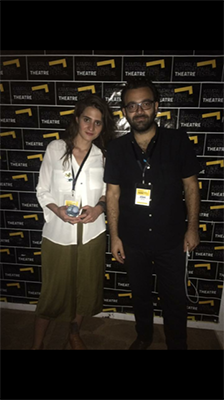 Minwal Theater Company is a Lebanese theatre company awarded last year at the third edition of Le Meraviglie Del Possibile, LMDP International Theater art and new technologies’ Festival, with their work BARZAKH | Isthmus, in December 2016.

 EUCIDA is a EU Creative Europe project led by South Dublin Arts Centre Company Ireland, in partnership with Le Département du Territoire de Belfort (France) and Rezeknes Novada Pasvaldiba (Lativa). It is an interactive and innovative community of digital, media and technology artists, curators, researchers and cultural workers, connecting to imagine new ways of artistic mobility, to use technologies as a vector and to augment the sharing of experience, creative practice and opportunities transnationally both for artists and new audiences in reality and virtually.
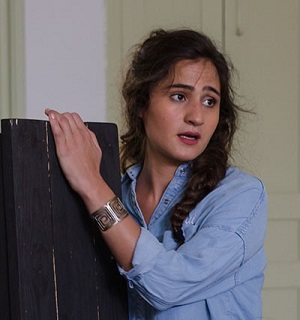
 The workshop intends to produce a self- consciously work about social awareness and to engage a debate about the way we organize society and our lives, focus on our personal choices and their influence in our relationships, social and political life.
 Time: 12 hours divided into 3 days.
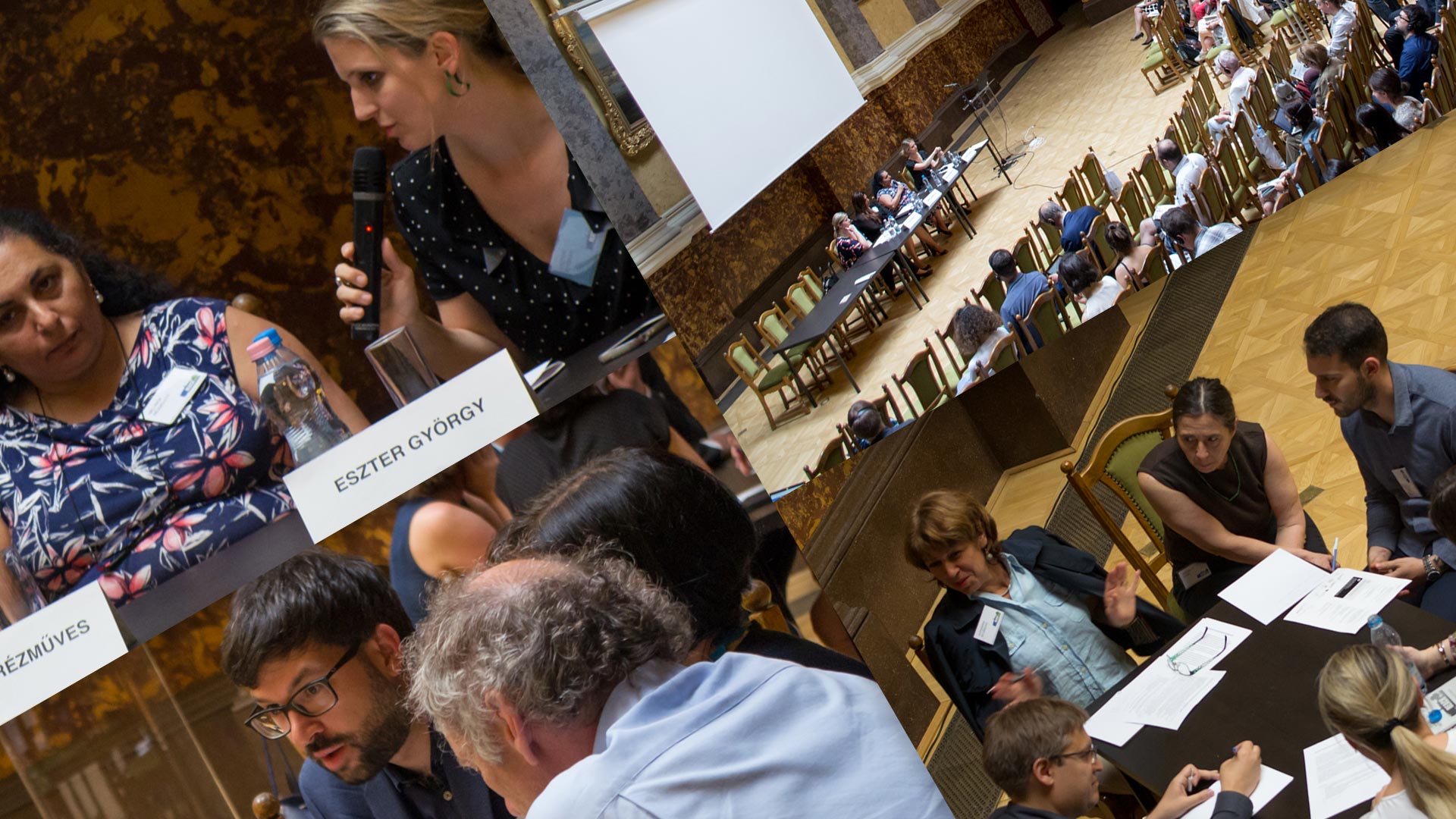

In the occasion of the international conference organised by TOURAL project, SECreTOUR, CROCUS and CULTURALITY, the projects that participate in the cluster of cultural tourism actions supported bhttps://toural-project.eu/y the EU under the Horizon Europe Programme, presented their initiatives in … Continue reading
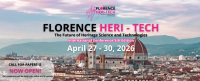
Florence Heri-Tech International Conference was launched in 2018 by the Department of Industrial Engineering of University of Florence (DIEF) and Florence Biennial Art and Restoration Fair. The idea was to create a synergy between Cultural Heritage and New Technologies. Today … Continue reading