

Presenting a comprehensive insight into best practices globally, this year’s The Best in Heritage will feature 42 museum, heritage and conservation projects that have been awarded in the previous year. They have been handpicked from a list of some 300 laureates of about 50 international and national award schemes, and come from five continents.
The three-day gathering will consist of two events – IMAGINES, presenting new technologies and multimedia laureates, and the core programme, where institutional and large scale projects take the stage. Each of the events will start with a Keynote address by the 2018 “Project of Influence” winner: Historic Royal Palaces from the United Kingdom, represented by their creative producer Tim Powell, and Textile Museum Tilburg from the Netherlands, represented by the museum’s director Errol van de Werdt, respectively.
The featured laureates present an inspiring variety: from art museums to archaeological and civic engagement projects, from national educational programmes to conservation and protection initiatives, from museums of the future to environmental and community museums… and then there are apps, websites, animation… the list goes on.
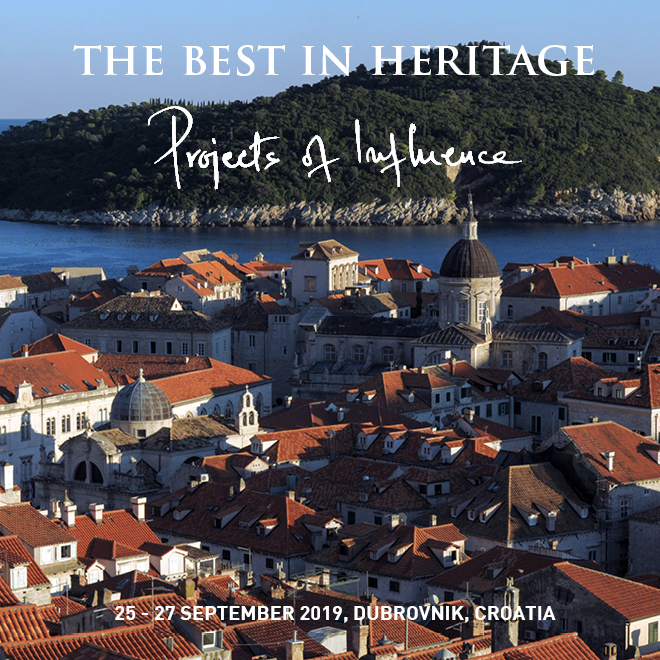
The participants, usually some 150 in number and coming from more than 30 countries, will have the opportunity to get up-to-date with current trends and developments, but also to engage in discussions, and meet the presenters in person at numerous social occasions.
The organiser regards all the presented laureates as being of influence, each of them having been commended by reputable professional juries. However, every year the conference culminates by proclaiming two winners of the “Project of Influence” award – those which by their excellence and impressive presentation are esteemed as innovators with a lasting impact. The votes for the award are cast by an international audience comprised of professionals, together with a group of expert moderators which, together with last year’s laureates, form the Jury.
Defined by many participants more as an experience than a conference, and as offering a “breath of fresh air”, the gathering proudly boasts its interpersonal, intimate nature, and its role as a global meeting place for colleagues who speak the same heritage language. It is a simple, elegant, single-track event – a true celebration of professional excellence in the growing public memory sector.
The Best in Heritage is organised in partnership with Europa Nostra (with support of Creative Europe programme) and ICOM (International Council of Museums), is under patronage of The City of Dubrovnik, Ministry of Culture of the Republic of Croatia, and sponsored by Meyvaert Glass Engineering and Exponatec Cologne. The local partner is Dubrovnik Museums.
Programme and registration: https://www.thebestinheritage.com/conference
About featured laureates: https://www.thebestinheritage.com/featuring
Twitter: https://twitter.com/BestInHeritage
Facebook: https://www.facebook.com/TheBestInHeritage
YouTube: https://www.youtube.com/user/TheBestInHeritage
Previous presentations: http://presentations.thebestinheritage.com
Official hashtag: #TBIH2019
Contact: info@thebestinheritage.com

 The 28th of June, was held in the Castillejar (Granada) a full day workshop focus on the management of historical irrigation systems.
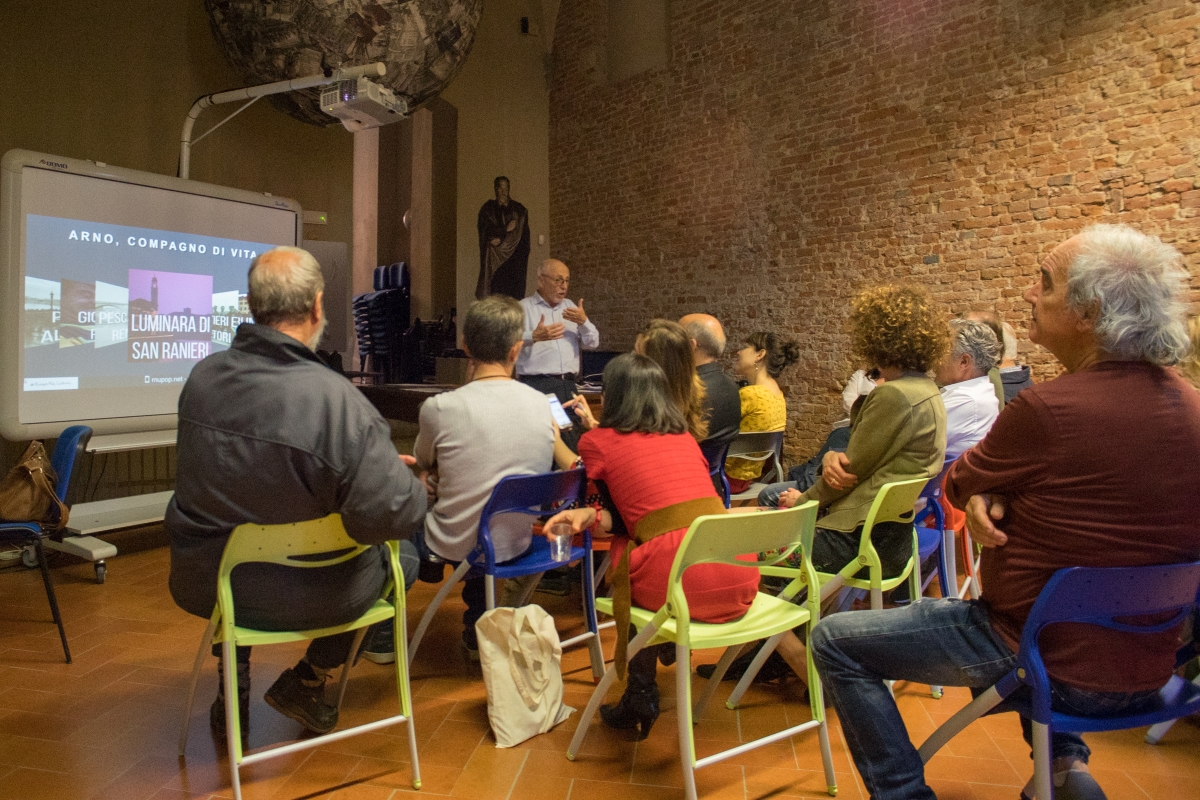
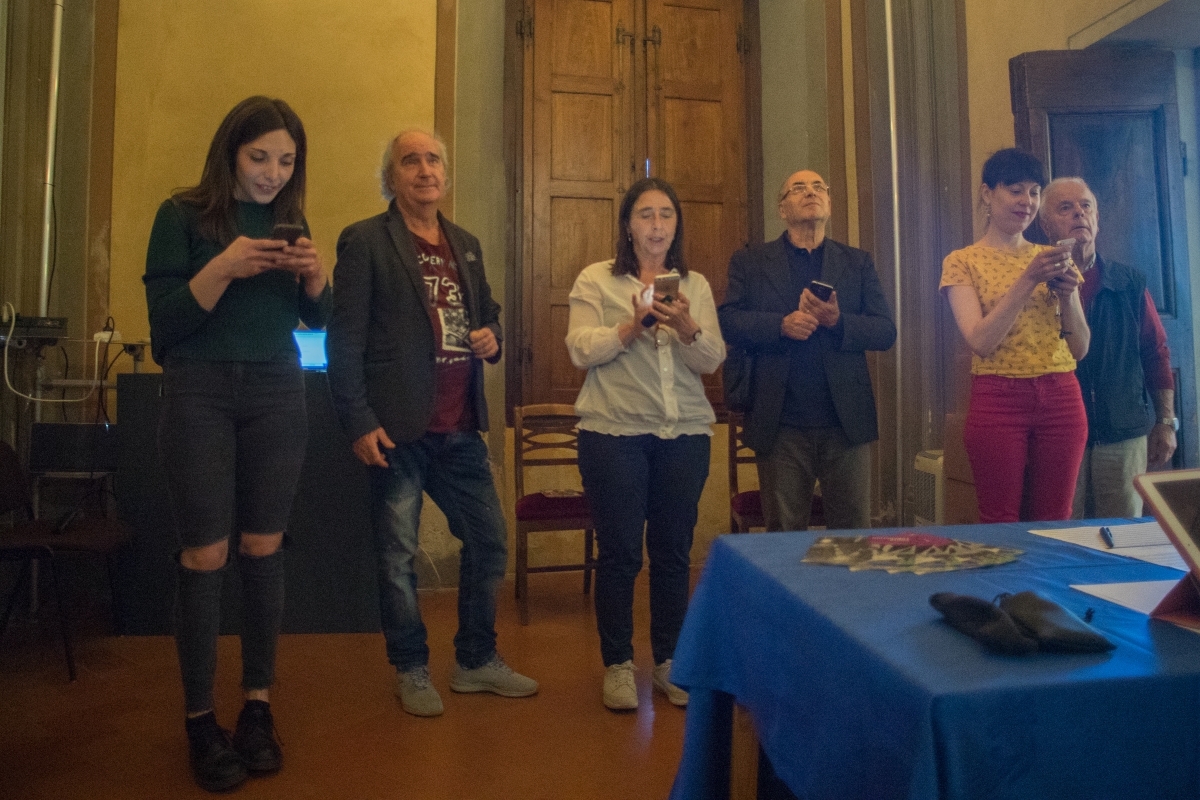
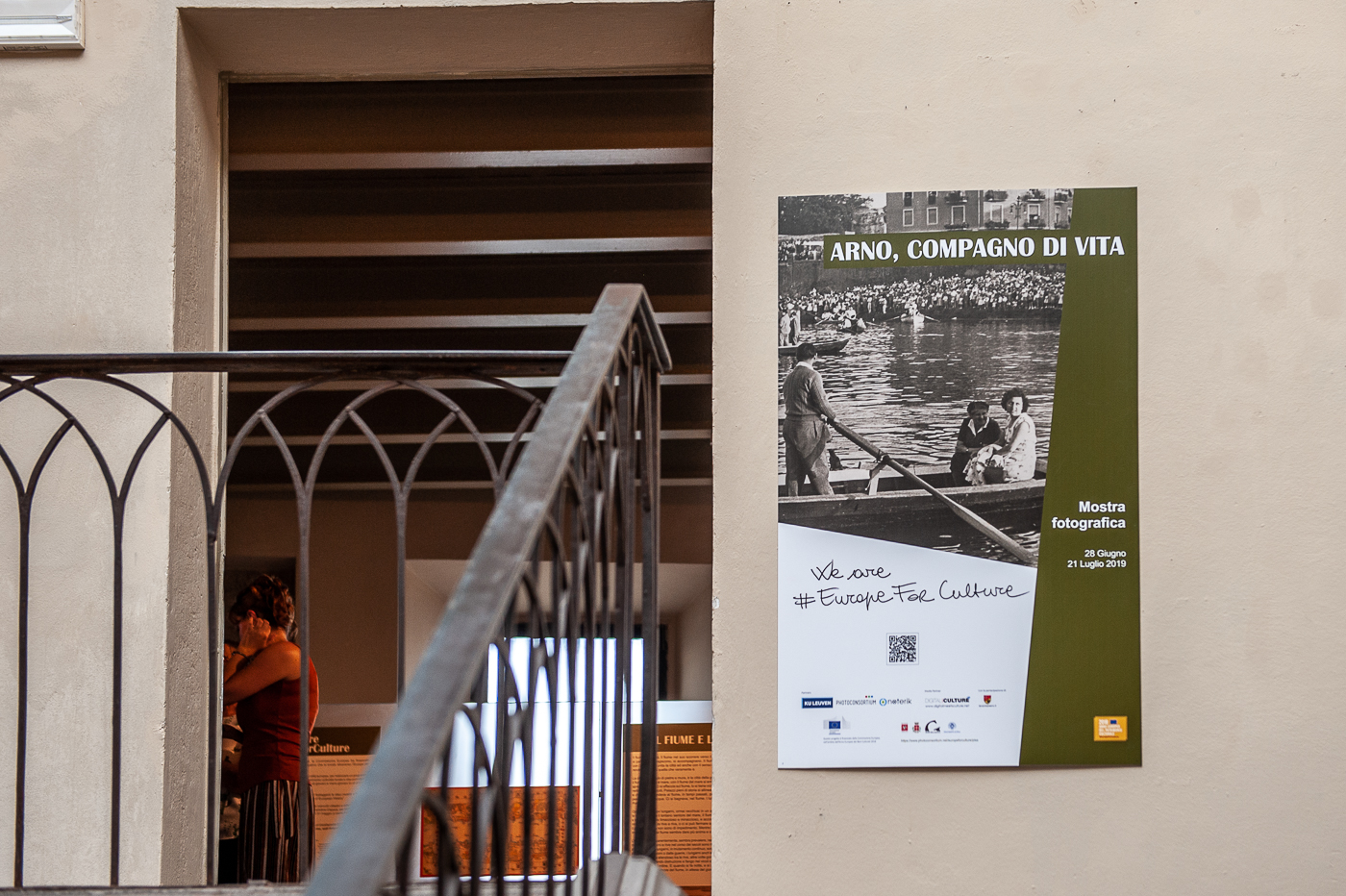
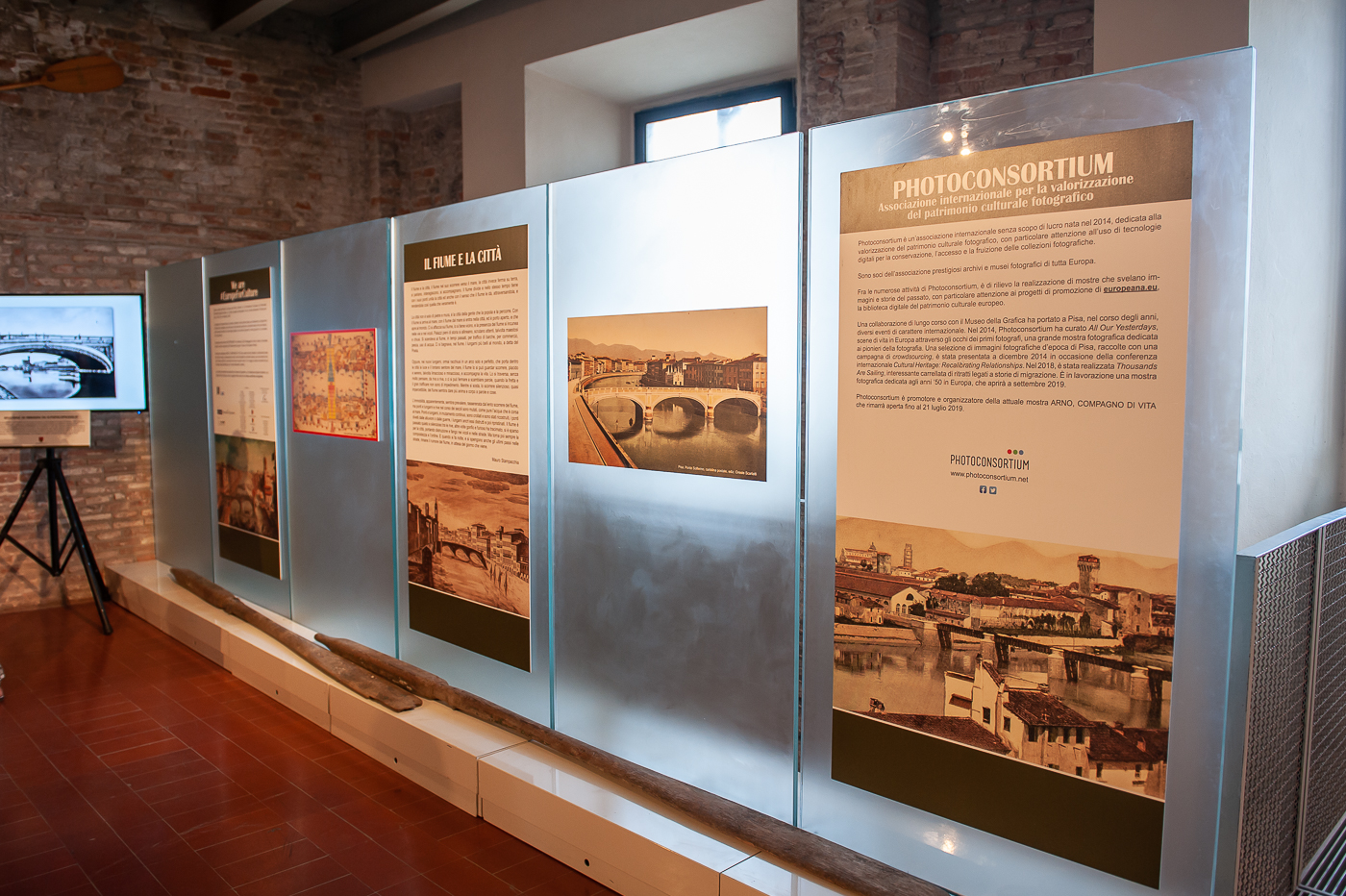
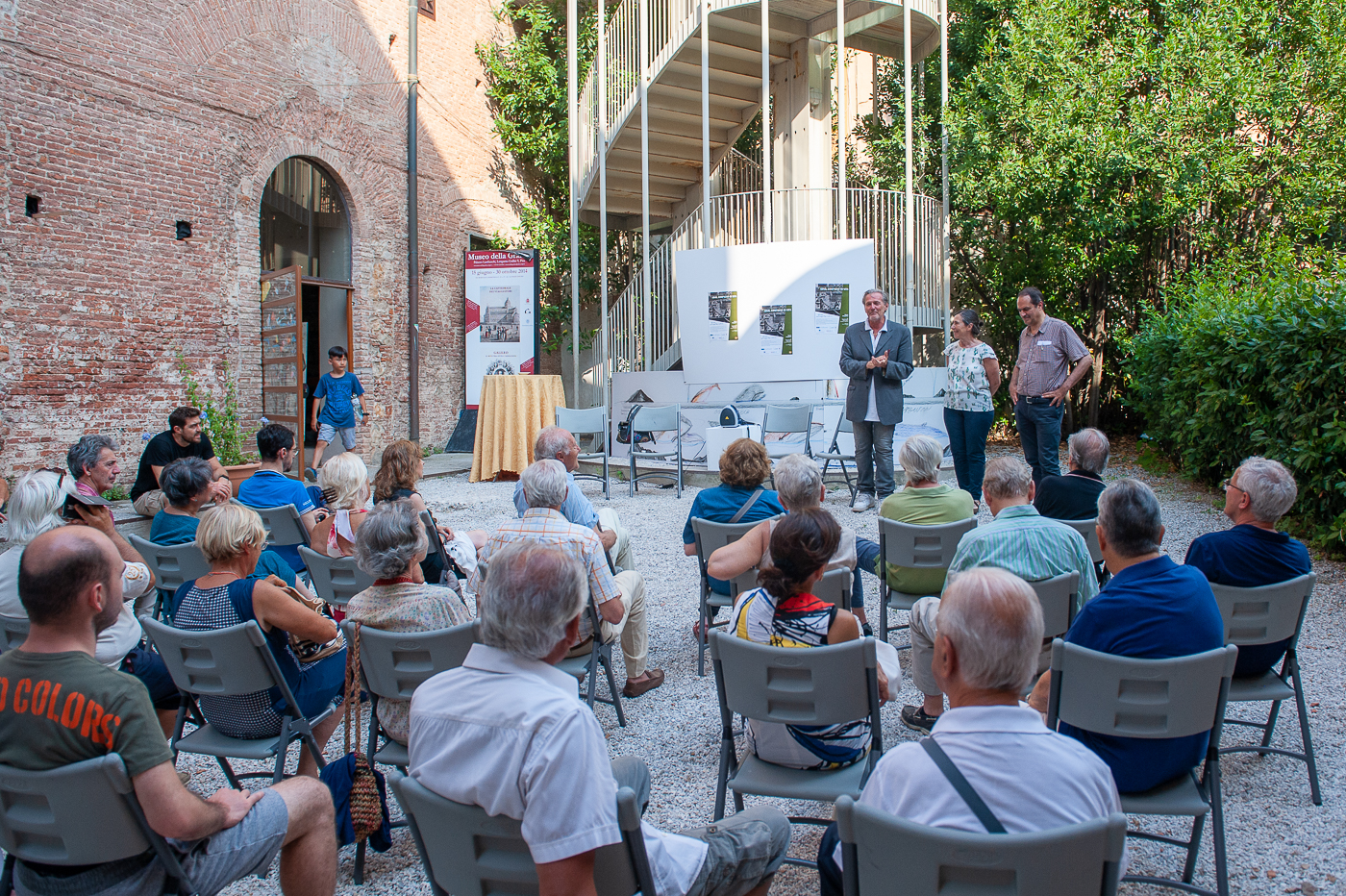
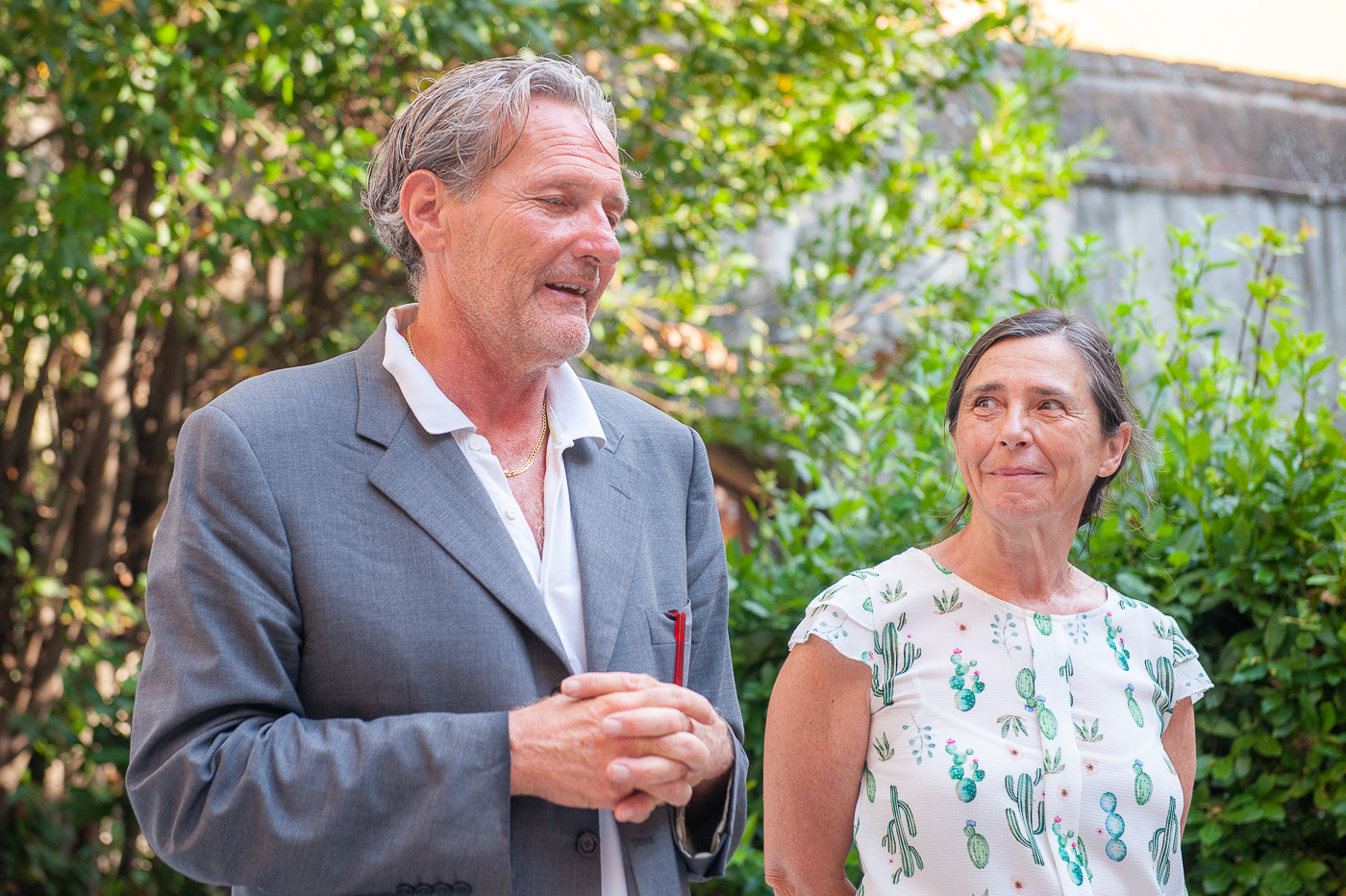
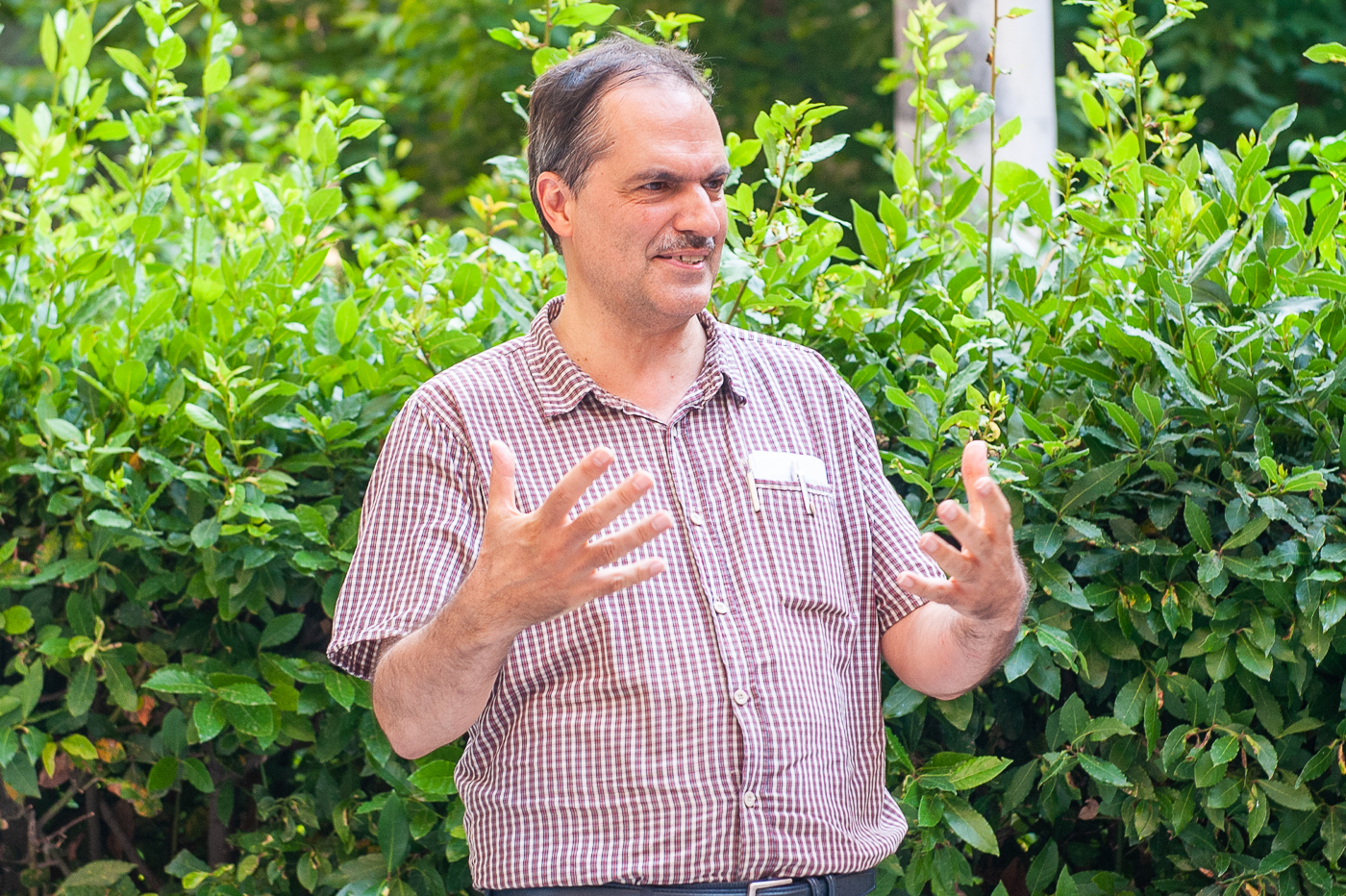
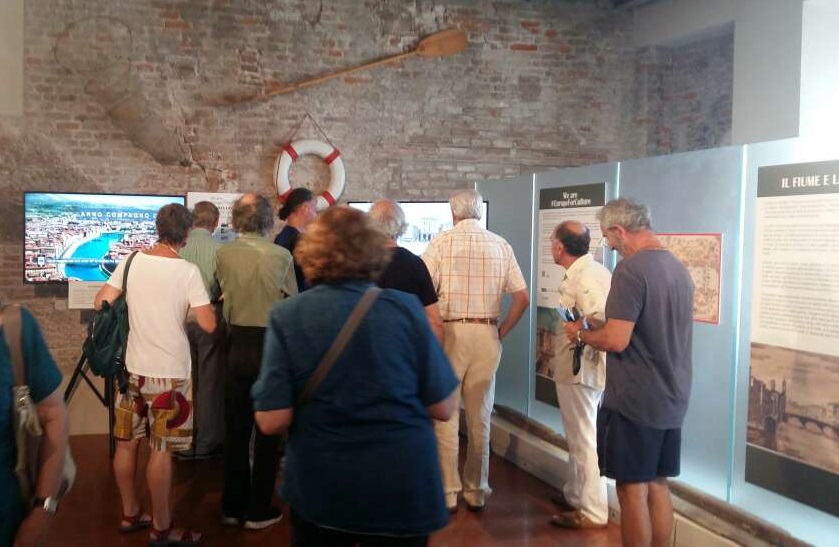

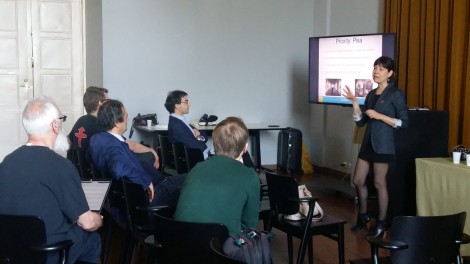
 Thursday 13th June at Showfields, Manhattan, New York, the interesting panel discussion “The Artist Isn’t (Physically) Present: Women in Digital Art” took place to discuss why digital art, like other artistic format, continues to be dominated by male exponent although there are excellent female digital artists who work and sell in the virtual realms.

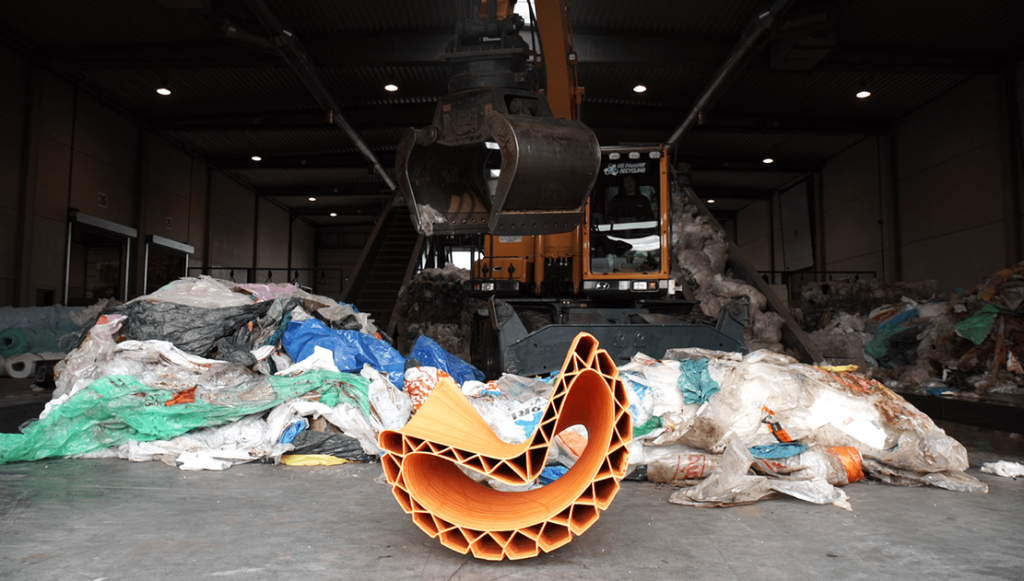
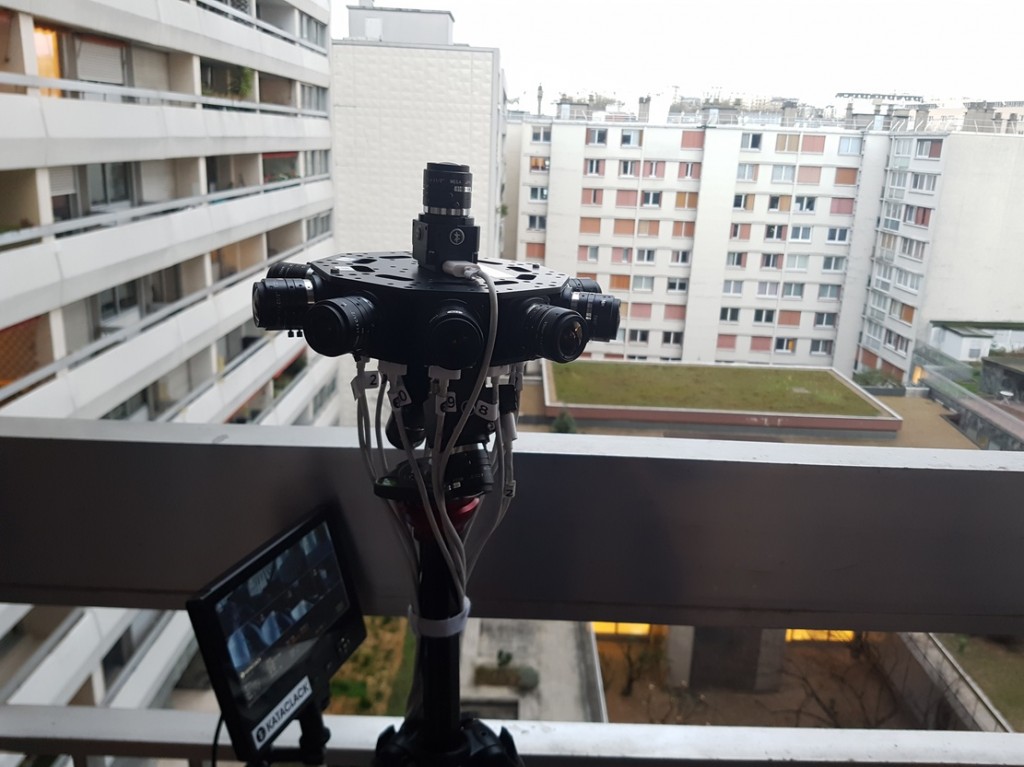
 We are very happy to present two STARTS Residencies projects during Futur.e.s festival on 13th and 14th June, at the Galerie des Gobelins in Paris. Created by Cap Digital, Futur.e.s festival offers for two days interactive summits that mix inspirational lectures, workshops and masterclasses, and 80 innovative demos rigorously selected for their emerging, sustainable nature and technological excellence.