

The third edition of the European Cinema Night was organized by Creative Europe MEDIA in collaboration with Europa Cinemas from 16th to 20th November.
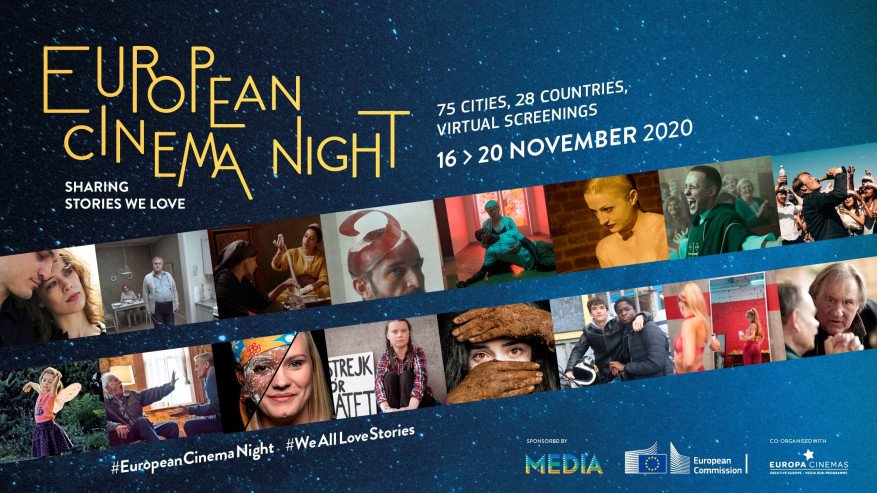
Over 70 Europa Cinemas members across Europe are taking part in this unique outreach event which aims to bring Europe closer to citizens and celebrate together the richness of European film culture.
This year’s edition, due to the current crisis, includes both physical screenings at the cinemas, and virtual screenings via online platforms, if the cinema is currently closed.
The European Cinema Night is part of the European Commission “going local” communication campaign which aims to bringing EU policies closer to citizens’ everyday lives, showing how European policy is linked to their lives and how, by attending a locally-grounded event, they can be part of a globally-connected experience across Europe.
In this case, the ECN aims to strengthen their shared European identity rooted in their cultural diversity and values by involving and connecting cinemagoers in many cities across Europe.
At the same time it is a great opportunity to celebrate the richness and cultural diversity of European cinema and raise public awareness of how MEDIA supports Europe’s film industry and culture.
During the European Cinema Night, each cinema participating will choose and screen a European non national MEDIA-supported film, of course with free admission, and create a debate around the movie and the European Commission’s support for the film.
To have more information and know the European Cinema Night film theatres, here the link.

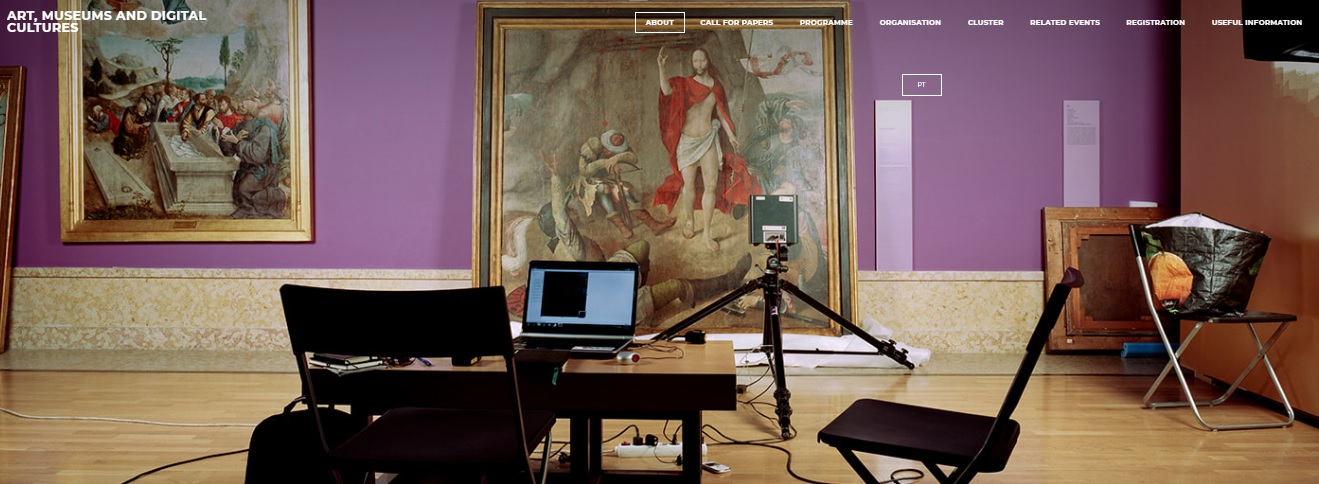 The International Conference on Art, Museums and Digital Cultures will bring together different scientific and creative perspectives on the crossovers between information technologies and the arts. How are museums, curators and the artists themselves responding to the opportunities, but also the risks, of the so-called “digital transformation”?
 Work package 1 of the UNCHARTED project, leaded by the University of Barcelona, is devoted to the analysis of the configuration of the values of culture.
 SOPHIA “Social Platform for Holistic Impact Heritage Assessment” aims to promote collective reflection within the cultural and political sector in Europe on the impact assessment and quality of interventions in European historical environment and cultural heritage at urban level.
 This first edition of the SOPHIA project Newsletter “Cultural Heritage and Impact Assessment” provides a general overview of the mission and challenges of the social platform. It invites to reflect on the importance to assess and evaluate projects dealing with cultural heritage by adopting an holistic point of view.
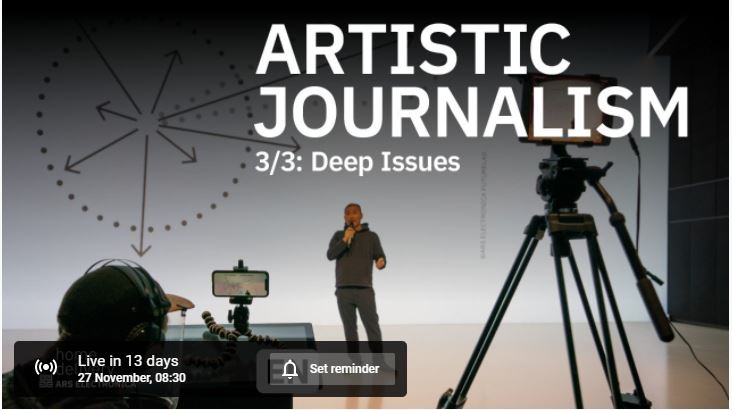 In the framework of its Home Delivery initiative, the Ars Electronica Center, organized a series of online classes focused on Artistic Journalism. Starting by the reflection on the dramatic social changes caused by the Covid19 pandemic, the classes present artistic journalism as a new media, place, and system for broadly experiencing and discussing the future and new challenges.
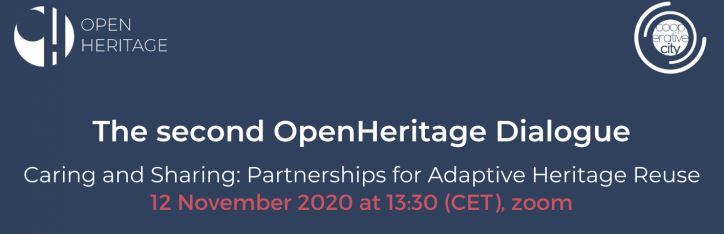 OpenHeritage launched a series of online interactive workshops focusing on key aspects of adaptive heritage reuse. The project, which full title is “OpenHeritage: Organizing, Promoting and ENabling HEritage Reuse through Inclusion, Technology, Access, Governance and Empowerment”, focuses on the creation of sustainable models of heritage asset management and aims to empower the community in the processes of its adaptive reuse.
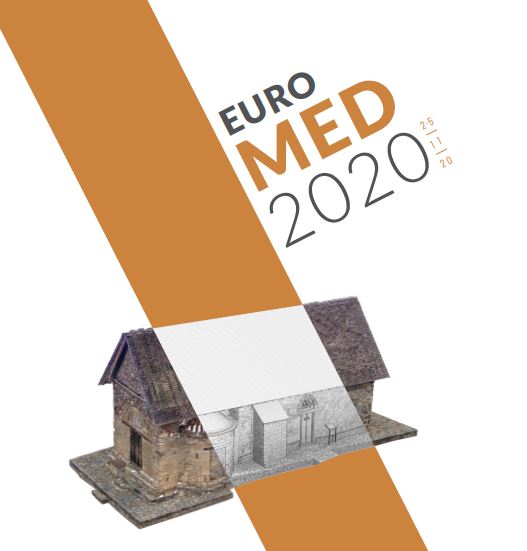 During the 4 days conference a rich and varied agenda of project’s presentations and workshops have shown new ways to conceived and manage cultural heritage, new challenges for digitization to foster engagement and social participation as well as new horizons to support the resilience of culture in its intangible and tangible dimensions. The richness of the proposals had literally stuck participants to their videos during all day long. The event gathered 1063 participants from 77 different countries from all the continents of the world.