Text by Caterina Sbrana.
The pandemic from Sars Covid-19 has accustomed us to receive messages of cultural events, exhibitions, concerts, shows that are cancelled. Museums and art galleries have also closed public visits.
However, digital technology is trying to bridge physical distances by allowing people to enjoy culture even staying at home.
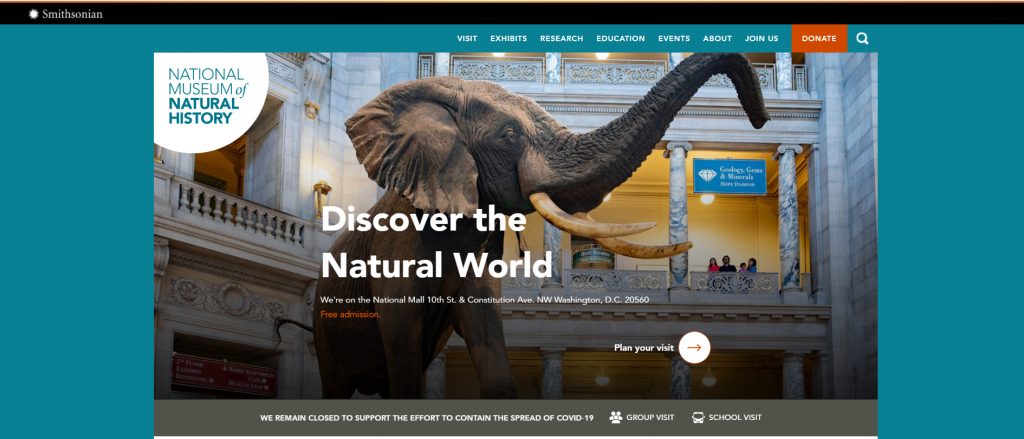
From now on it begins the virtual tour of the Natural History Museum; Image from: https://naturalhistory.si.edu
There are many museums that have begun to offer digital tours and virtual exhibitions however others already had these tours before Covid-19. In this article I would like to present the Smithsonian National Museum of Natural History digital offering that ranges from virtual tours of exhibits to distance learning resources.
First I would tell you why I chose the virtual tour proposed by the Smithsonian National Museum.
The navigation in the site is simple and fast; the graphics of the site, is excellent, very clear and understandable even by people not familiar with the web; thanks to the toolbar that allows you to move your mouse left and right you can easily continue in the path choosing which section of the museum/site to visit.
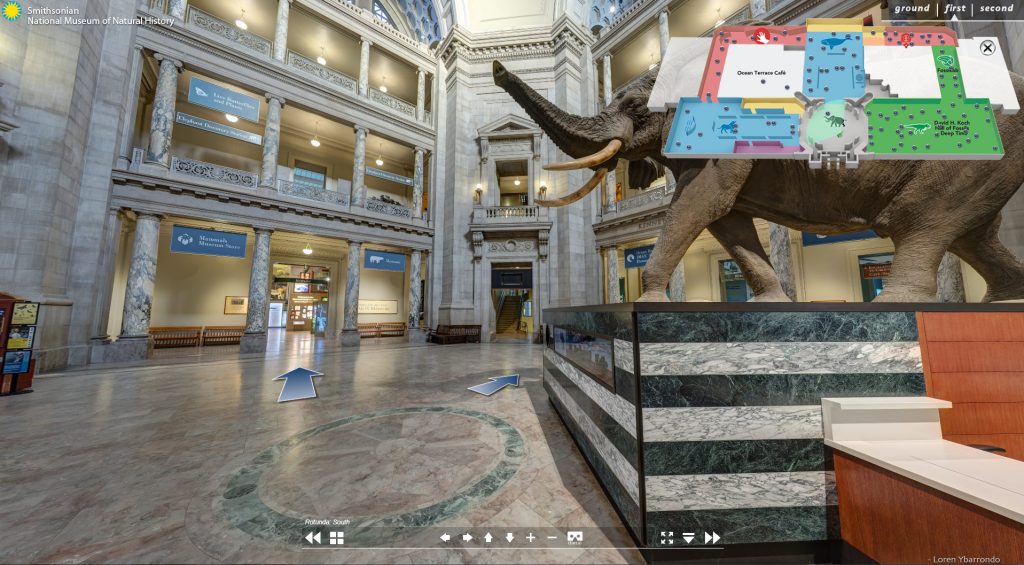
This photo shows us the beginning of the tour and the rooms we can visit; Image from: https://naturalhistory2.si.edu/vt3/NMNH/z_tour-022.html
It’s great for teachers, because it contains several sections with images that allow you to know not only the different habitats and animals that inhabit them, but also the history of man and its evolution.
The quality of the photographs is excellent; the layout of the exhibition is extremely effective.
The virtual visit to the Smithsonian National Museum of Natural History allows visitors to make independent guided tours, room by room, from their desktop or mobile device.
The virtual tour is also recorded in several videos and a narrator explains with simple words the section.
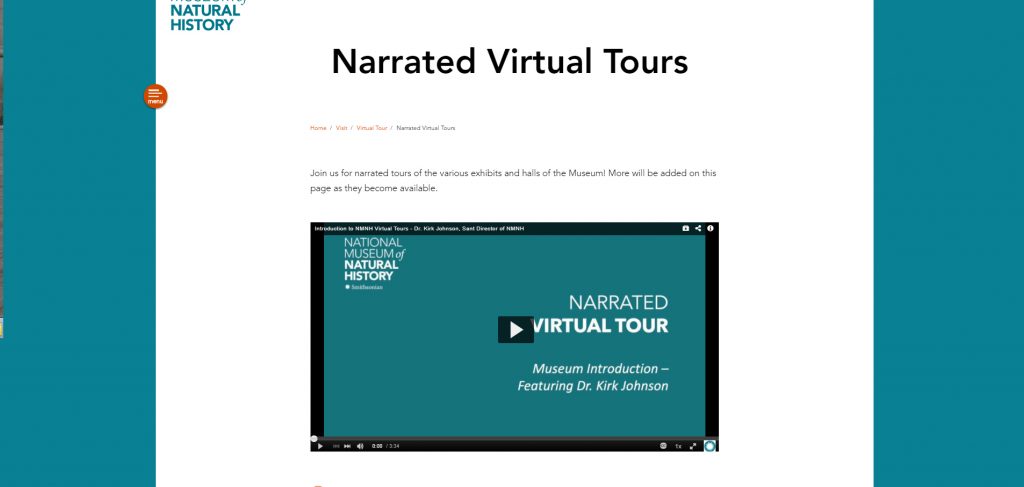
The page to enter in one of the narrated virtual tours; Image from: https://naturalhistory.si.edu/visit/virtual-tour/narrated-virtual-tours
If we decide to enter the section of the museum related to Africa we can admire different animals and hunting scenes and discover the natural environments. Then, we can decide whether to continue the visit to the territories of the southern hemisphere or North America.
I suggest you to watch the video with the narrated tour of the Hall of Human Origins illustrated by the researcher Dr. Diana Pobiner. I found it very interesting because it answers some essential questions about human life “who are we?”, “how did we become human?”.
Kirk Johnson, Sant Director of the Smithsonian National Museum of Natural History, reports that this is the most visited virtual museum in the world, where people can “find detailed information about our exhibits, events, collections, scientific research and educational programs” and specifies that “the museum’s mission is understanding the natural world and our place in it”.
Once again we discover that, thanks to technology and the web, especially in this period when people move less, we can continue to increase our culture using our digital devices.
https://naturalhistory.si.edu
https://naturalhistory.si.edu/explore-at-home
https://naturalhistory.si.edu/visit/virtual-tour
https://naturalhistory2.si.edu/vt3/NMNH/z_tour-022.html




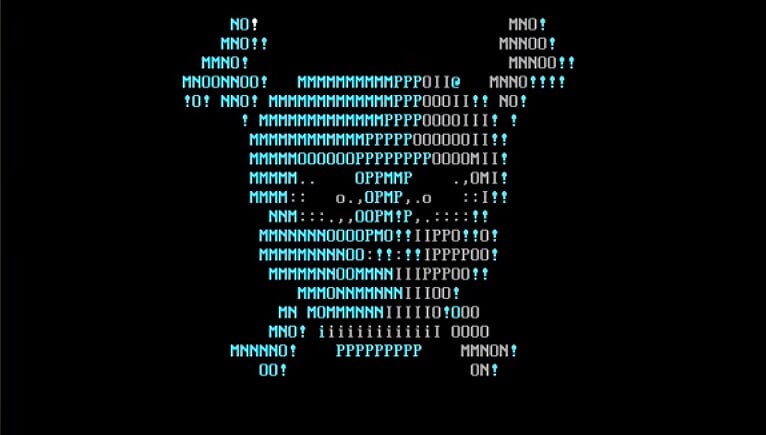 Espacio Byte, digital art museum, presents a new exhibition on computer viruses.
 Espacio Byte is an online museum dedicated exclusively to digital art. A source of information to learn about its first manifestations, contemporary movements, and specific issues. The museum offers a natural environment for digital-native artworks, an interface to exhibit the work of artists who, through the use of digital technology as a means of expression, explore new languages, poetics, and aesthetic values.
 Throughout October, GIF-makers, history nuts, culture enthusiasts, and Internet fans are invited to take part in GIF IT UP 2020, the latest edition of the annual contest hosted by Europeana that challenges people to create animated cultural heritage images and share them online. GIF IT UP is a great and fun way to demonstrate how digital tools can foster culture and creativity. This year, it’s more relevant than ever as we all spend so much more of our lives online. The internet is where we now work, play and interact with others and the COVID-19 pandemic has encouraged many cultural institutions and people to ‘go digital’ and to engage with cultural heritage – often for the first time.
 Europeana is Europe’s platform for digital cultural heritage, empowering cultural heritage institutions to share their collections with the world. Through Europeana’s collections website millions of cultural heritage items from around 4,000 institutions across Europe are available online. The Europeana Foundation is the organisation tasked by the European Commission with developing a digital cultural heritage platform for Europe. Europeana DSI is cofinanced by the European Union’s Connecting Europe Facility.
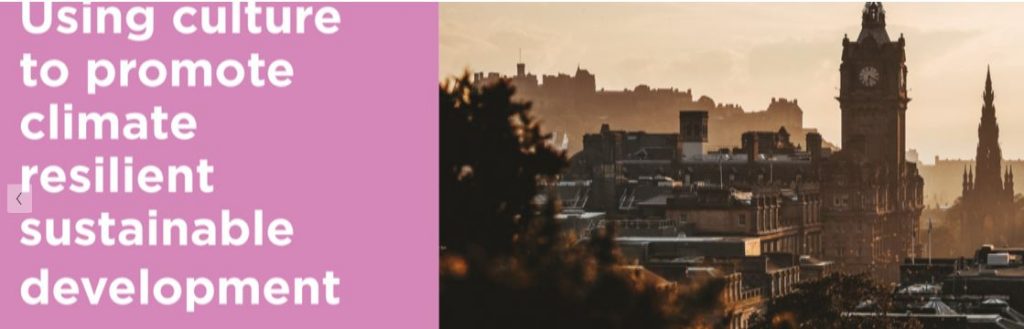
 It is designed to unite all those interested in the role of arts, culture and heritage in tackling the climate emergency and aims to enhance the capacity of these sectors to help build a climate-neutral and resilient world in the time of COVID-19. It promotes new partnerships between cultural actors and stakeholders across sectors and encourages the culture sector to play its part in driving greater ambition at UN Climate Summit (COP26).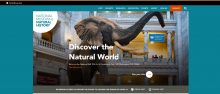
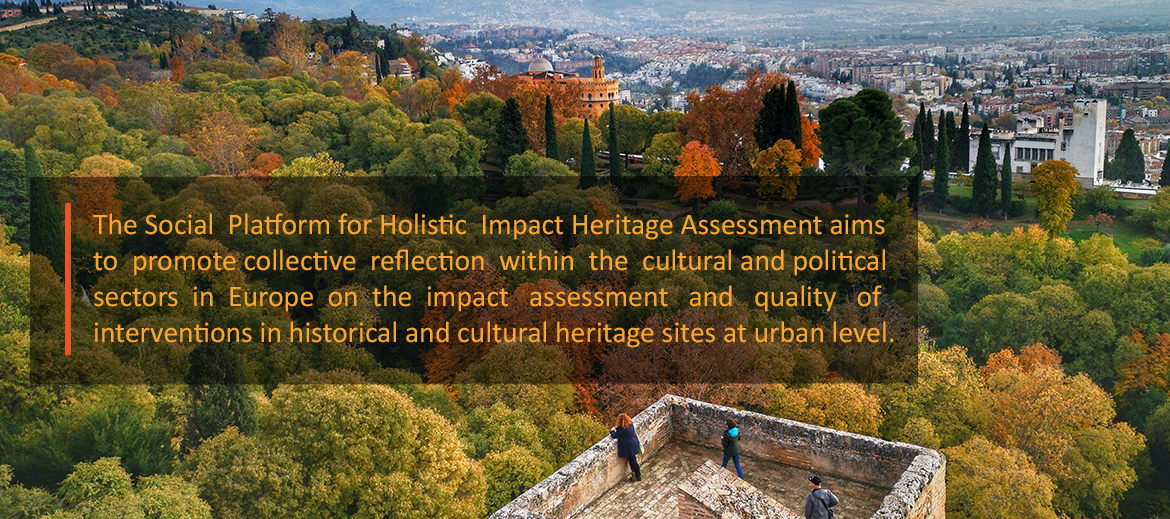 SoPHIA is a two years project started on January 2020 which aims at proposing a holistic impact assessment model for historical, environmental and cultural heritage in Europe. With the term holistic it understands that the economic, social, environmental and cultural dimensions necessary to any intervention on heritage must be addressed comprehensively. The Platform will identify the most important challenges and opportunities linked to cultural heritage interventions in Europe. It will explore the general topic and the current situation as regards policies, assessment and quality of interventions, including best practices, and the creation of a draft holistic impact assessment model. It will also analyse specific case studies, focusing on people, domains and time. To achieve its goals, the project will bring together stakeholders from different fields who will define guidelines for future policies. UNCHARTED and the SoPHIA Platform has recently started a cooperation that will be increased by future common initiatives and mutual support. Surfing the waves of the pandemic, SoPHIA – Social Platform for Holistic Heritage Impact Assessment – held a first workshop online last June 25 and July 2 with its newly formed community of practice. The aim was to present the initial findings of the project, assess and exchange knowledges and practices, and spur the debate.
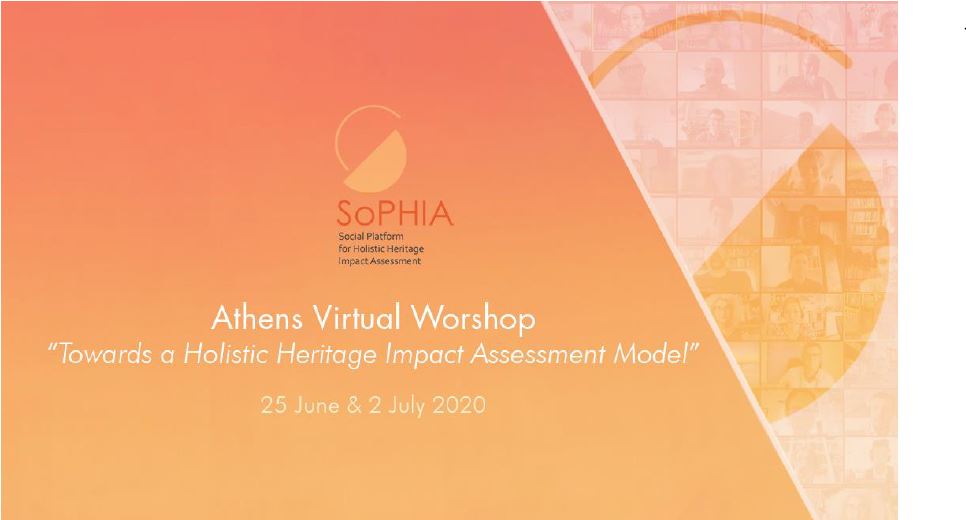 SoPHIA is currently bridging its first theoretical phase, during which it has collected and analyzed the literature and policies related to heritage impact assessment models and methods, with its second practical phase that foresees the design of an impact assessment model to be tested in selected cultural heritage sites, practices and events. The first phase has highlighted, among other things, the lack of models that duly address the four dimensions considered as fundamental when dealing with heritage interventions, namely the social, economic, cultural and environmental dimensions; the priority given to the economic dimension at the expense of other fundamental dimensions; the lack of consultative and participatory processes that provide for a sense of ownership by the communities; as well as the need for assessment models that take into account the long term impact of interventions, especially after so-called big events.
 SOPHIA is a two years project started on January 2020 which aims at proposing a holistic impact assessment model for historical, environmental and cultural heritage in Europe. With the term holistic it understands that the economic, social, environmental and cultural dimensions necessary to any intervention on heritage must be addressed comprehensively. The Platform will identify the most important challenges and opportunities linked to cultural heritage interventions in Europe. It will explore the general topic and the current situation as regards policies, assessment and quality of interventions, including best practices, and the creation of a draft holistic impact assessment model. It will also analyse specific case studies, focusing on people, domains and time. To achieve its goals, the project will bring together stakeholders from different fields who will define guidelines for future policies.
 In the first place, the context of the SoPHIA project was presented. This was followed by a series of keynote speeches that set the framework for the issue at hand: Annalisa Cicerchia, Roma Tre University, presented “Impact Assessment Methods” and Beatriz García, Institute of Cultural Capital, University of Liverpool, shared her views on “Why do present Impact Assessment Models prove inadequate”. The gaps and opportunities identified regarding heritage impact assessment models were also presented with a summary of guidelines and programmes from the EU and other world regions. Participants debated in small groups and, based on their experiences, contributed different perspectives that will be taken into account in the drafting of the SoPHIA impact assessment model. All the material of the Athens Virtual Workshop will be shortly made available for download from the SoPHIA website.