img. courtesy of Piero Masi
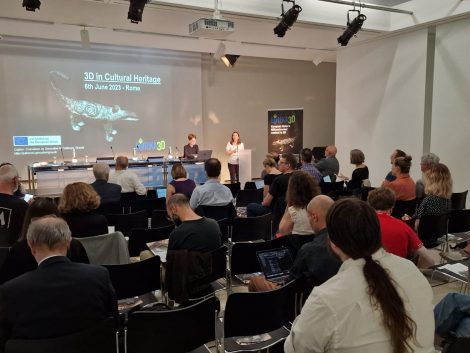
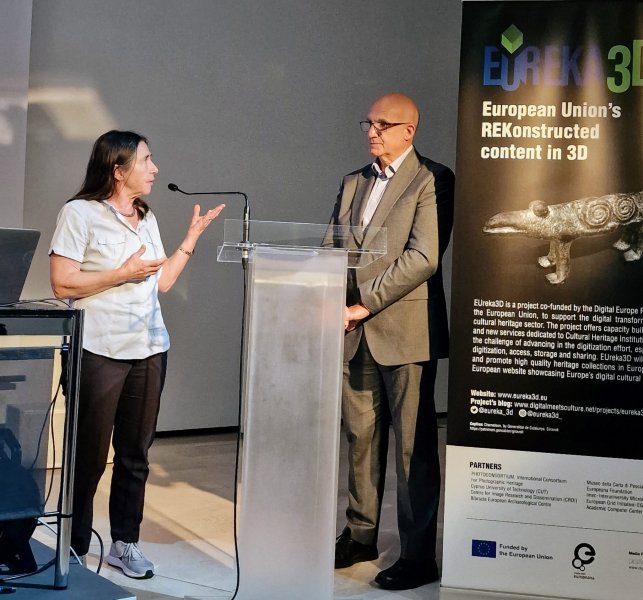
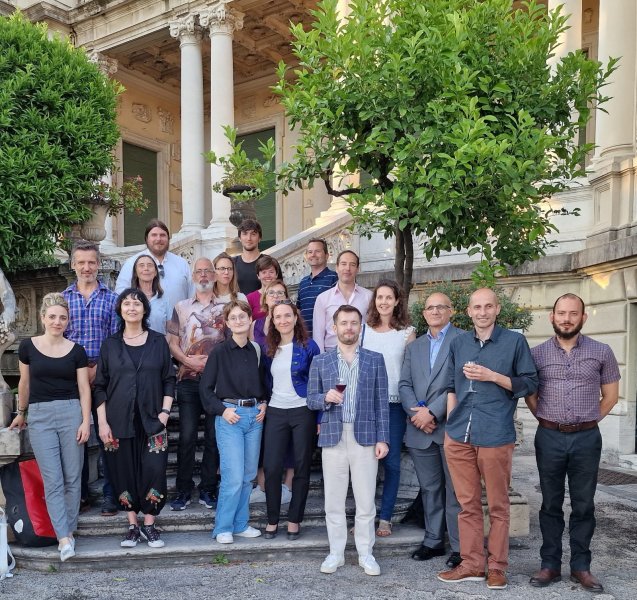
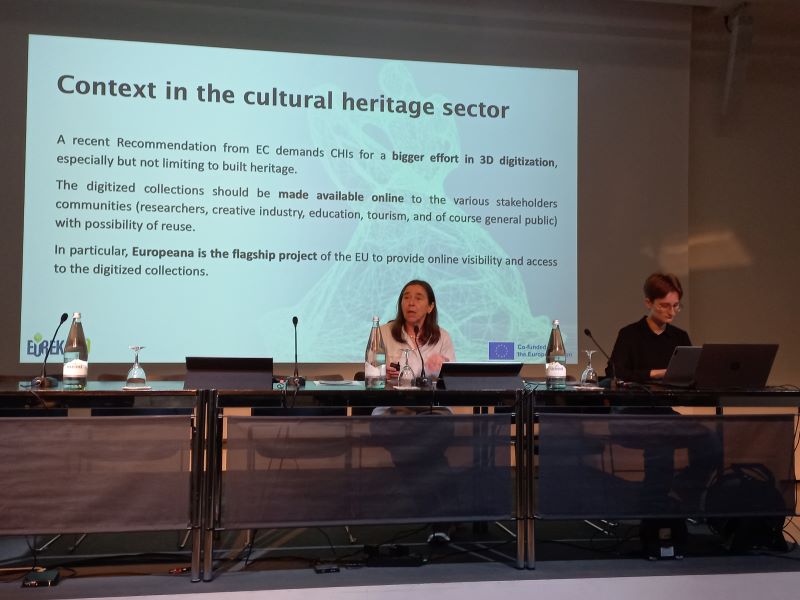
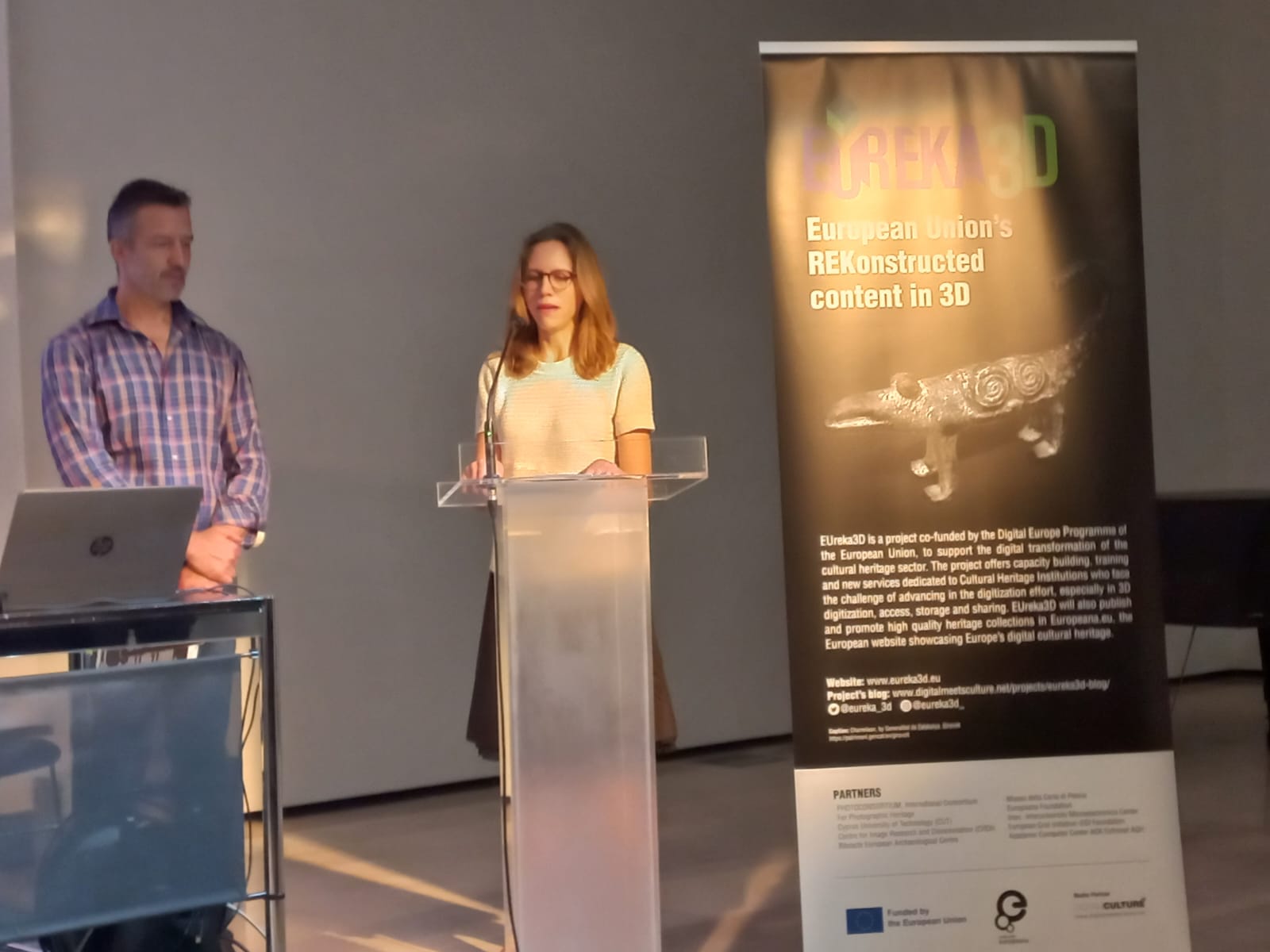
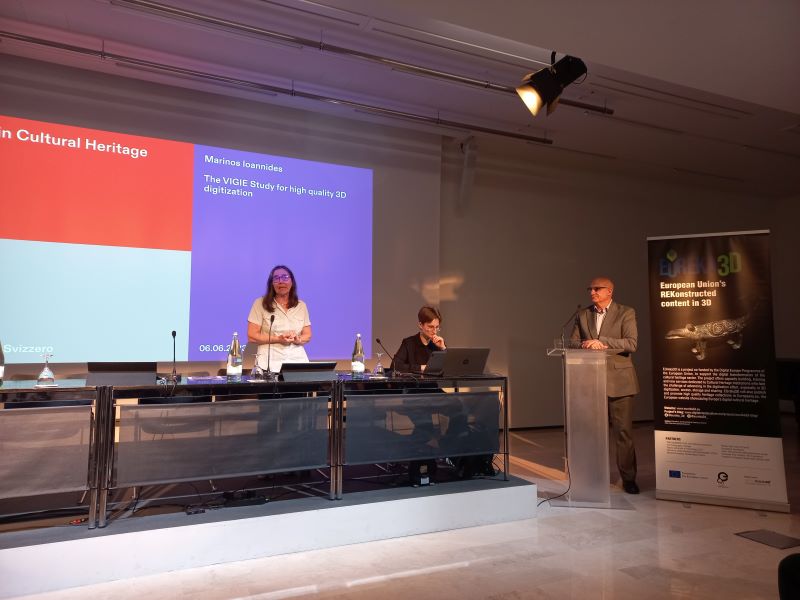
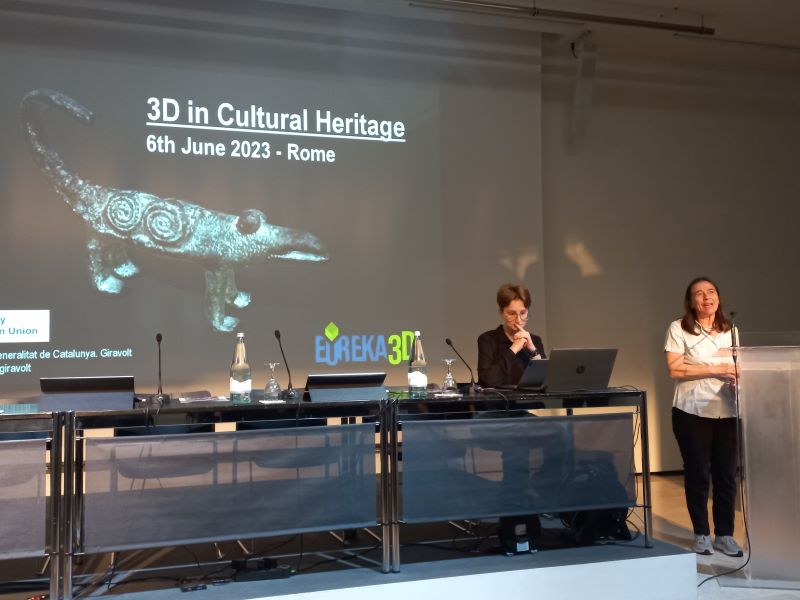
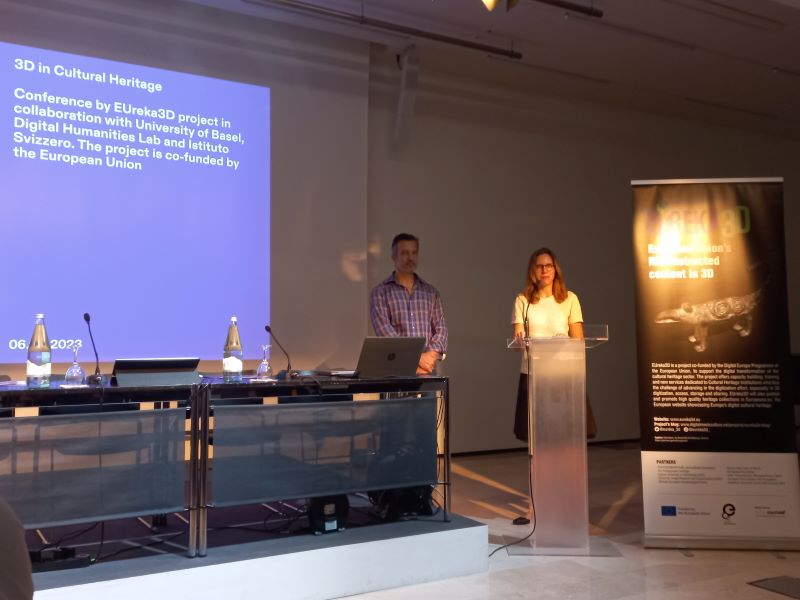
The first public event of EU funded project EUreka3D is organized by project coordinator Photoconsortium in Rome on 6th June 2023. The conference 3D in Cultural Heritage is integral part of the DHCH 2023 initiative on Data Science, and is realized by EUreka3D project in collaboration with University of Basel Digital Humanities Lab and Istituto Svizzero.

The event is realized under the auspices of the Italian Ministry of Enterprises and Made in Italy.
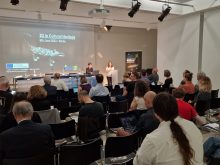
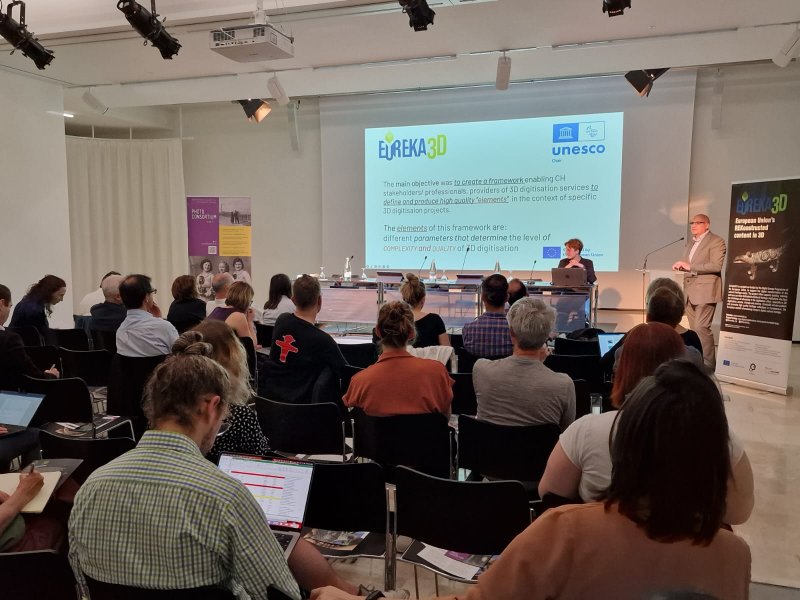
The event was a success with ca. 50 participants in the room and over 120 connected online. The post-event survey reported that 100% of respondents agree the event was useful in their work or for personal knowledge.
Few comments collected from the audience:
– The exhibition of practical cases are always to useful to understand the use of 3D digitization in various fields.
– The most useful part of the webinar were technicalities behind 3D imaging and would love to hear more about technical part of photogrammetry.
– I 100% agree with Valentina about the European Viewer Platform and I would like learn more about archives, storage and digital preservation. Thank you for everything, it was a great event.
It’s possible to view and download all the presentations of the various speakers by going to the Agenda section below.
3D in Cultural Heritage is an event of the training and capacity building programme of EUreka3D project, to support cultural heritage institutions in the process of digital transformation and in the effort of advancing with 3D digitization of cultural collections.
>>> DOWNLOAD PROGRAMME (PDF)
The event aimed to help understanding the challenges and needs for creating 3D content in good quality and reusable, and it brought together experts and specialists on 3D digitization and holistic documentation of 3D cultural content. It was the best occasion for institutions, researchers, cultural professionals and students in cultural heritage to improve their skills, knowledge and capacity for the current scenario of digital transformation in the cultural sector.
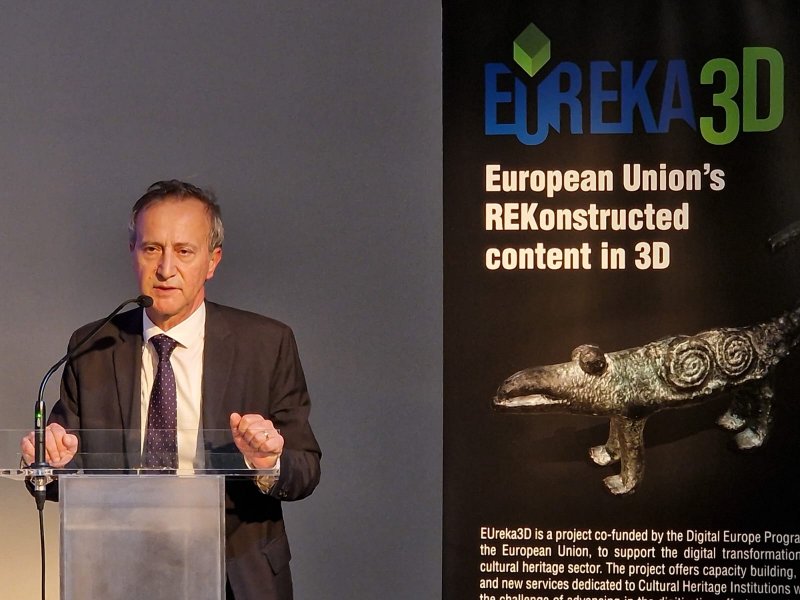
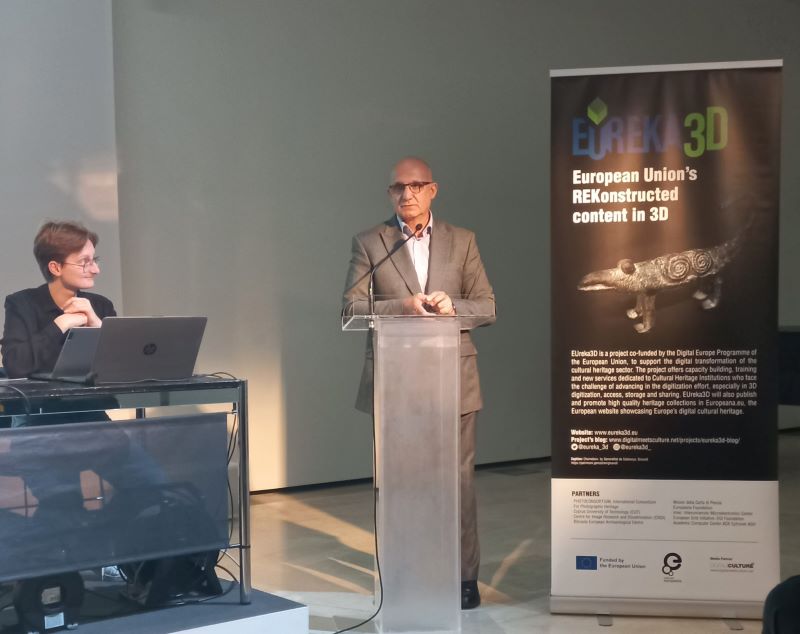
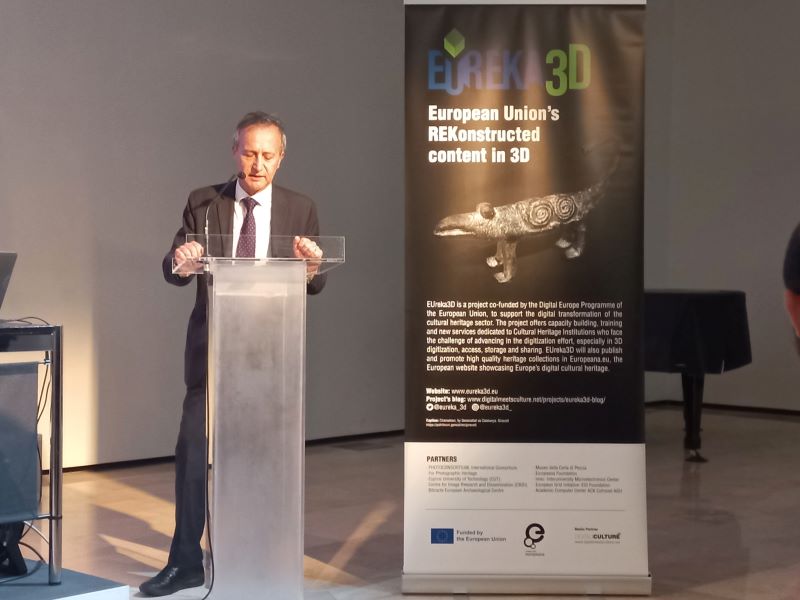
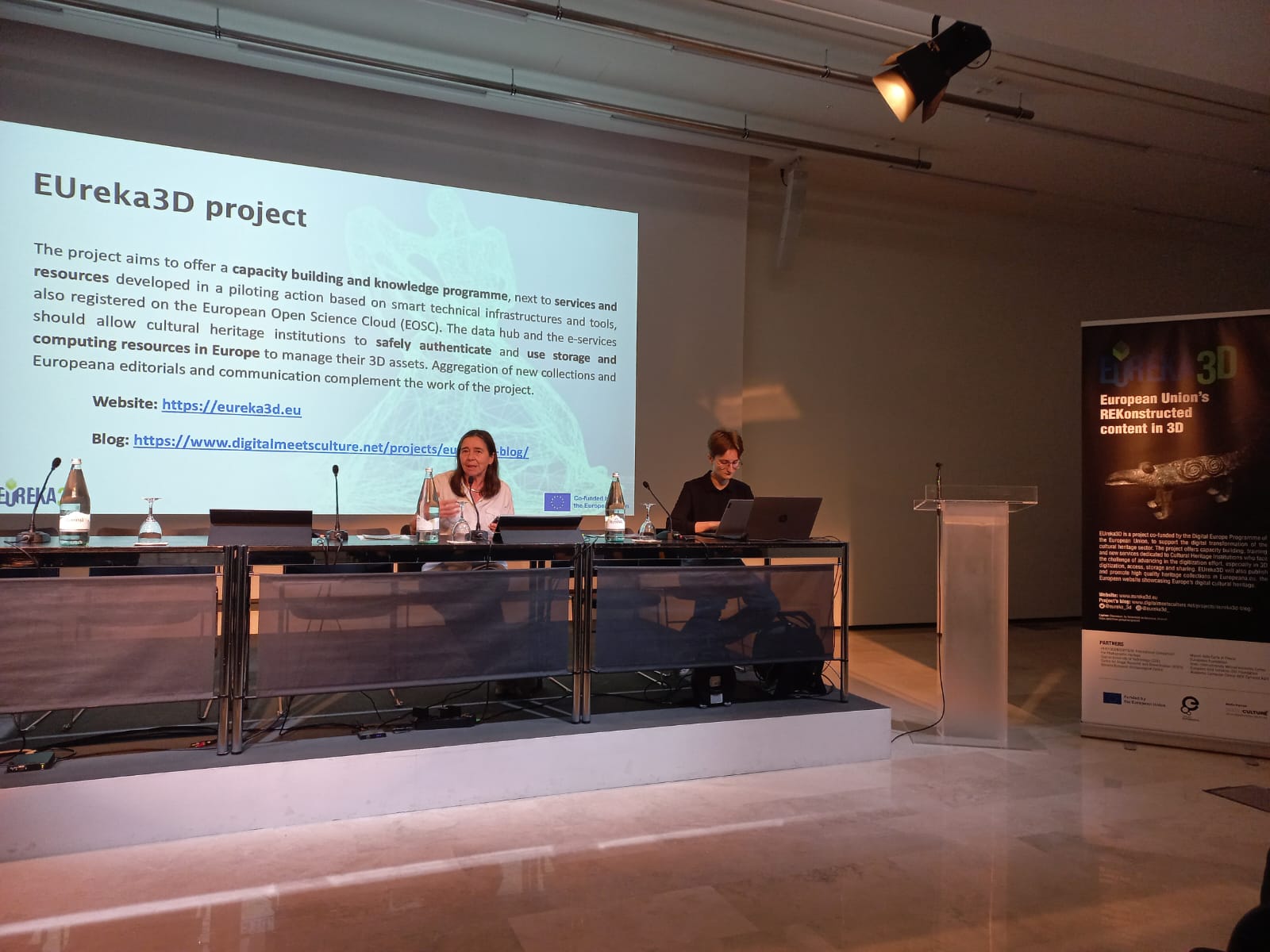
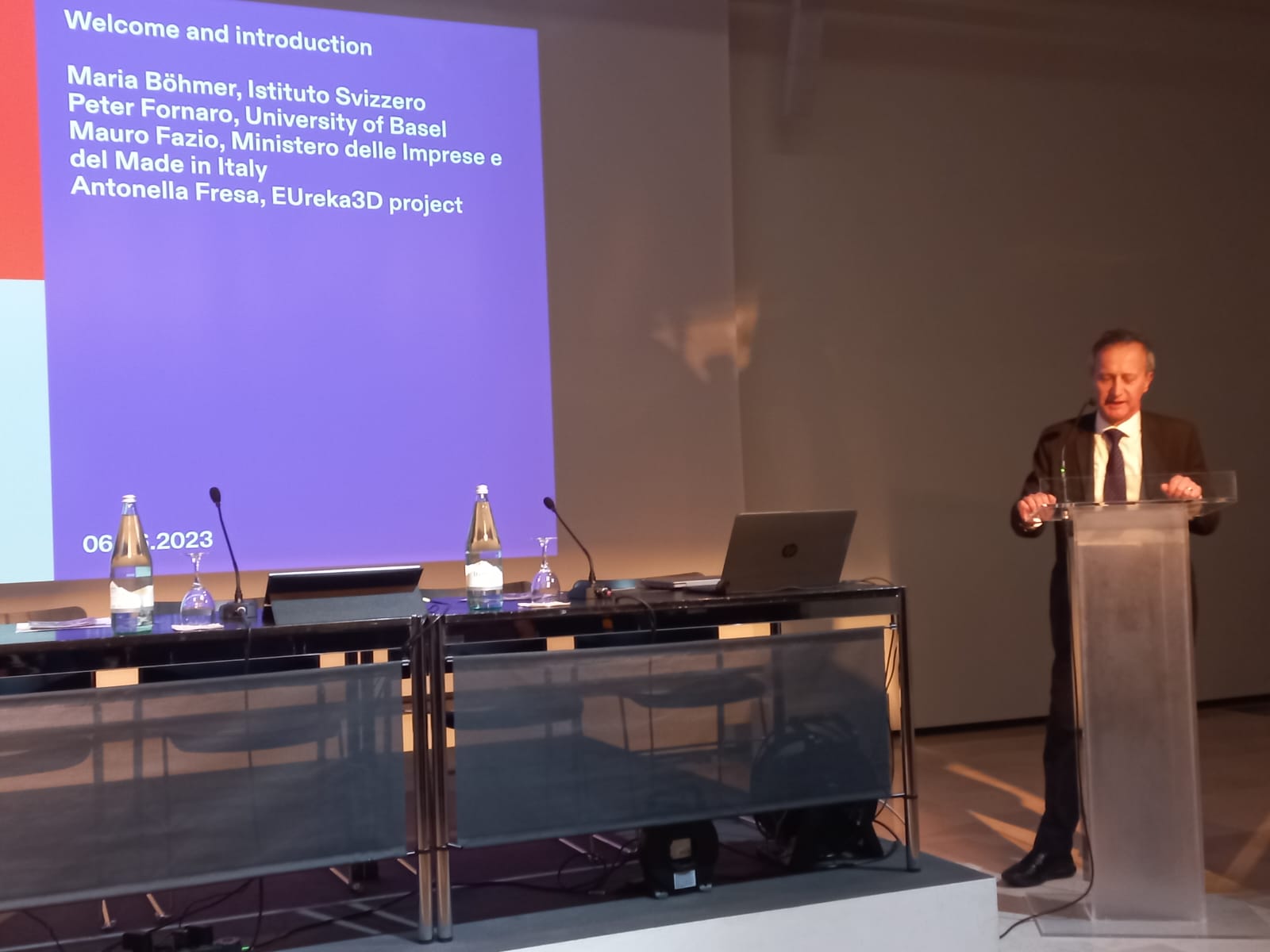
After the welcome messages from the Istituto Svizzero, the University of Basel and Dr. Mauro Fazio, from the Italian Ministry of Enterprises and Made in Italy, the event opened with an introduction on EUreka3D project by Dr. Antonella Fresa (Photoconsortium), the project coordinator.
Then, the event was organized in two sessions.
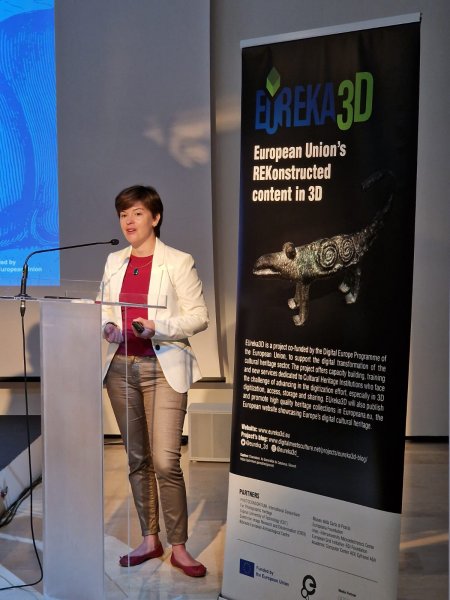
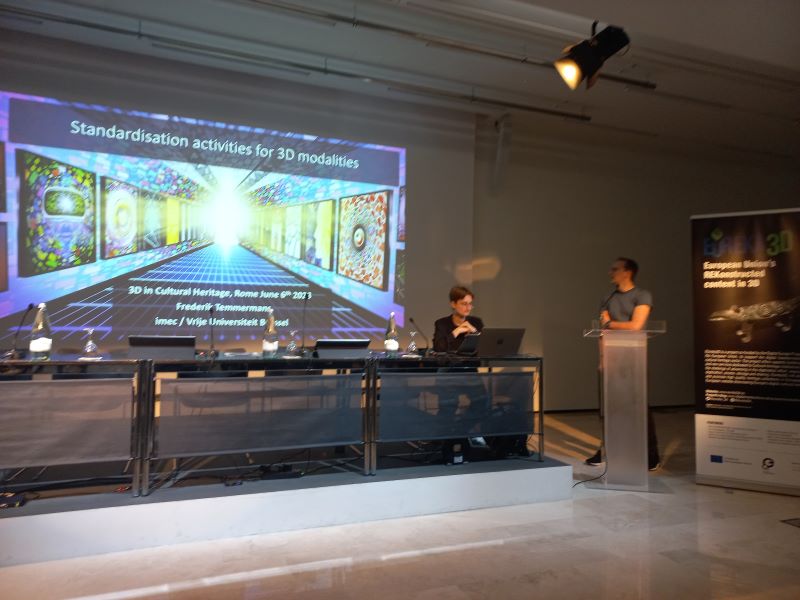
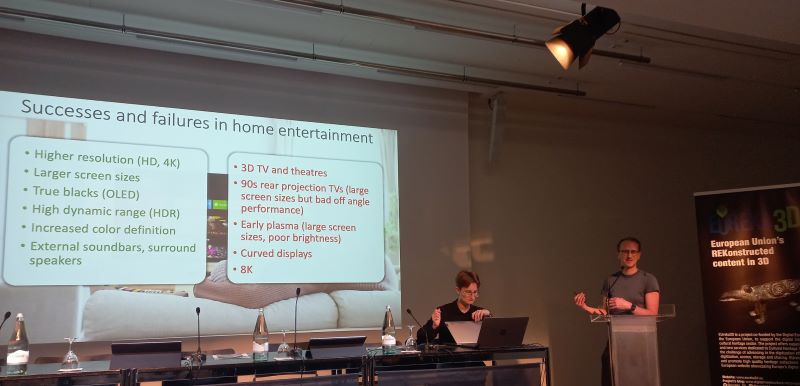
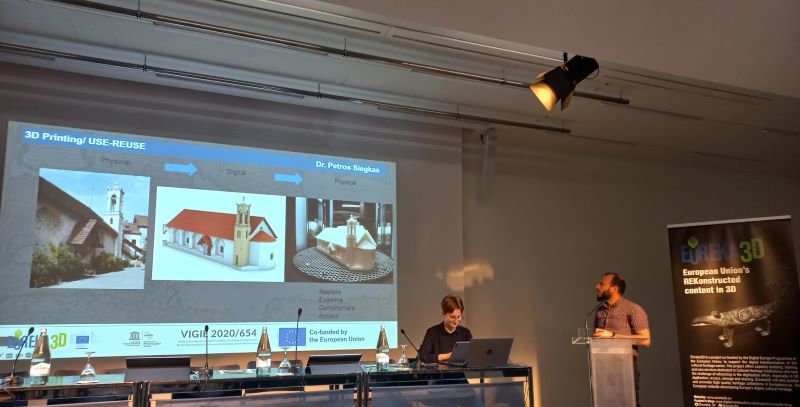
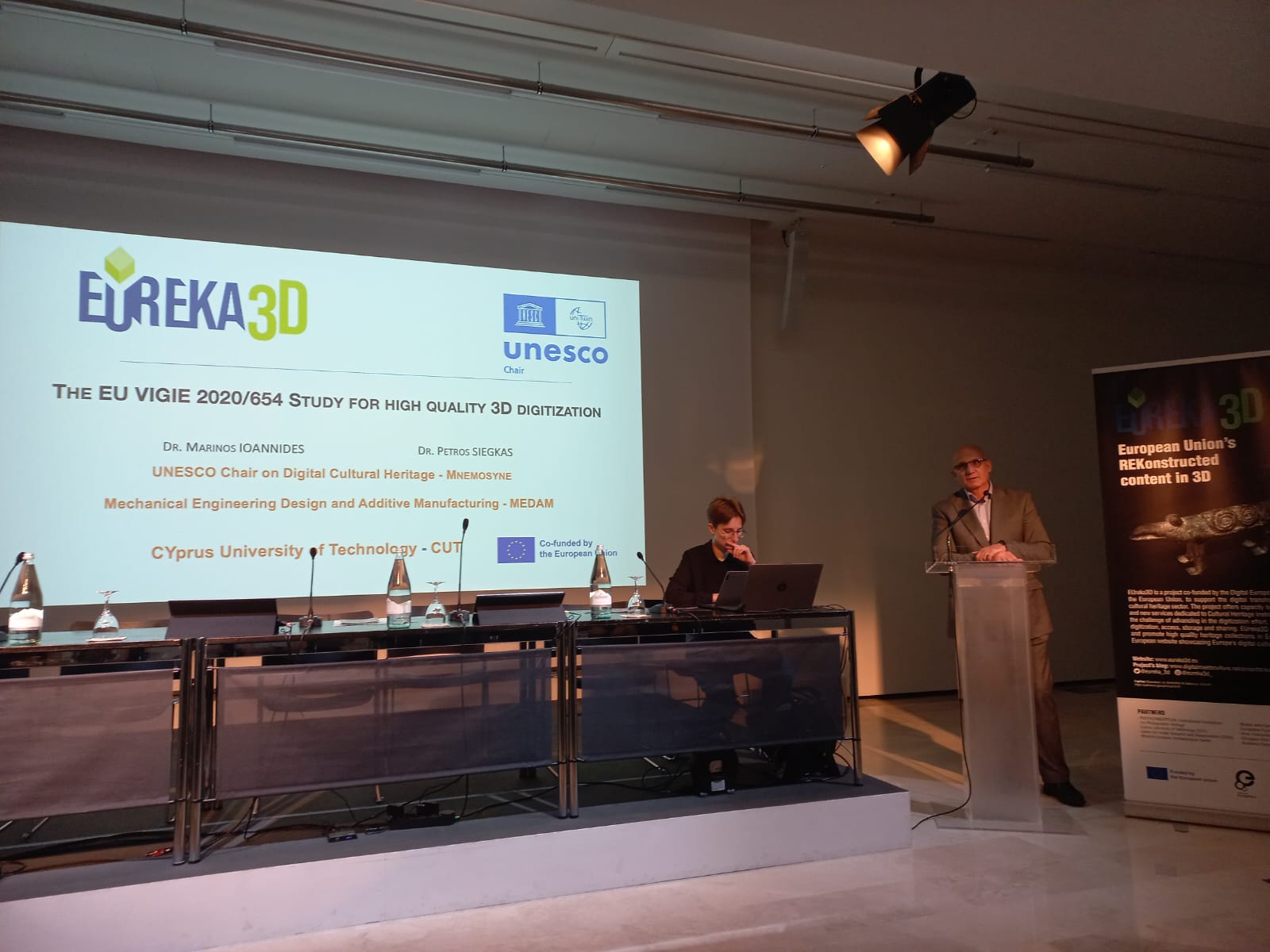
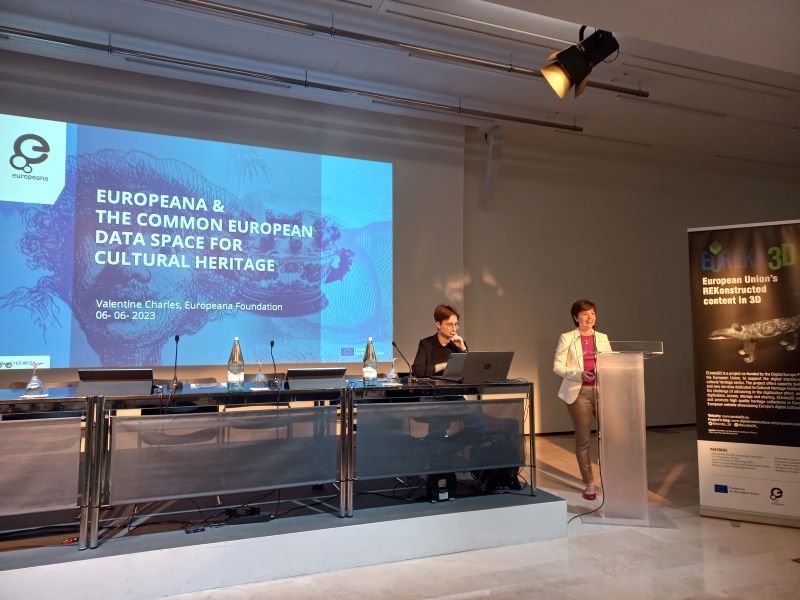
During Session 1, the current scenario of development in the cultural sector was discussed, and why reusable 3D content in good quality is needed: keynote speeches from Valentine Charles (Europeana Foudation), Marinos Ioannides (Cyprus University of Technology) and Frederik Temmermans (VUB/imec) provided the most recent information on the trends of the cultural heritage sector, and best practices and technological insights on the matter of 3D digitization of heritage sites and collections.
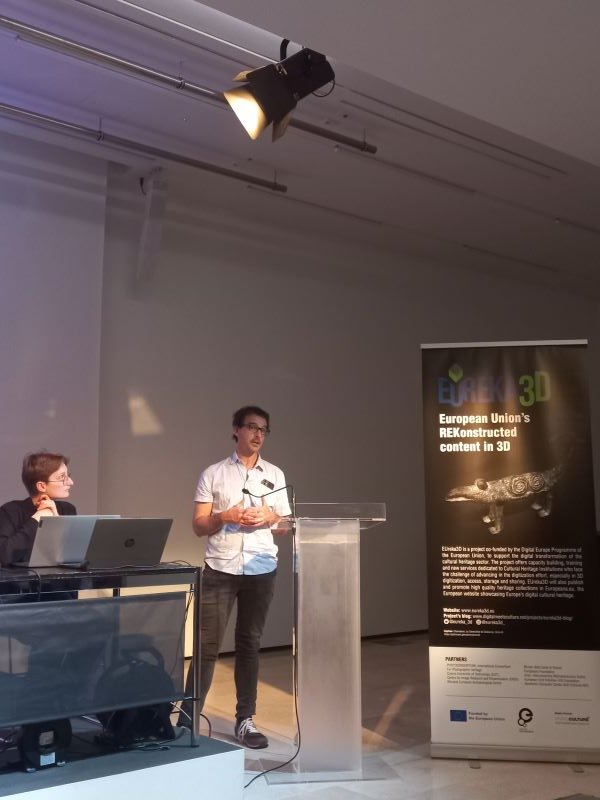
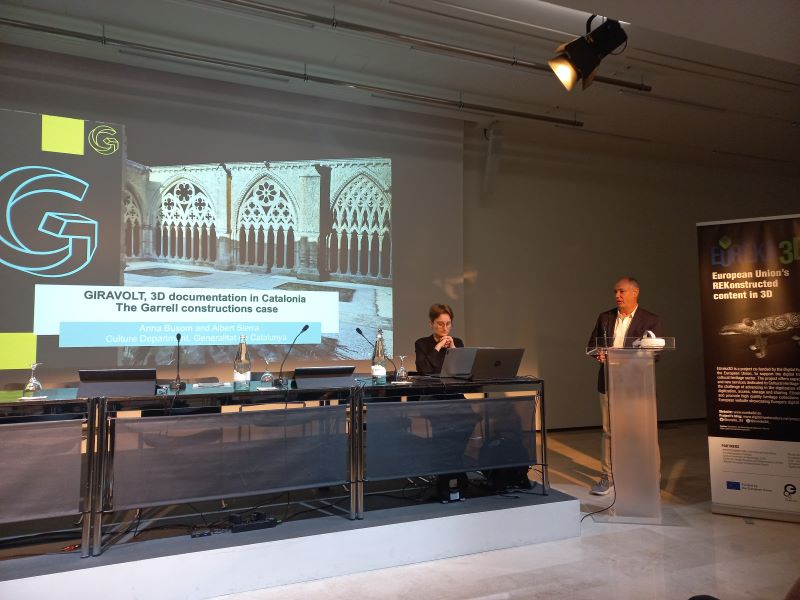
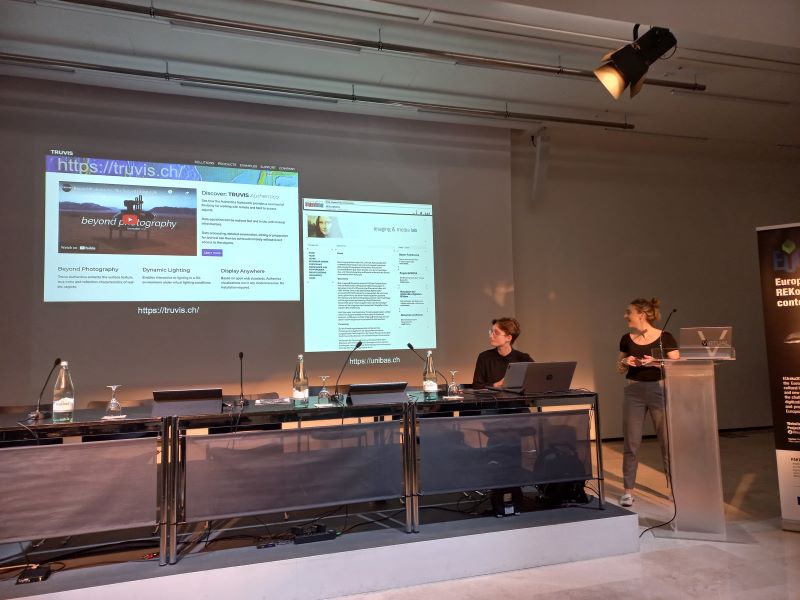
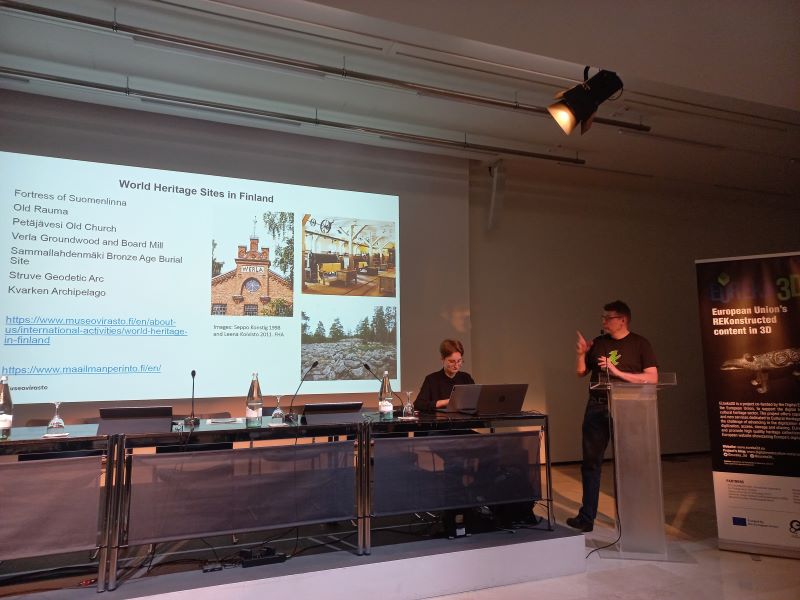
After that, during Session 2, the event focused on important experiences of international projects dedicated to 3D digitization and the use of 3D in cultural heritage, with the contributions of Timothy Naessens (meemoo), Ismo Malinen (Museovirasto), Peter Fornaro and Vera Chiquet (University of Basel), and Ana Busom Arruebo and Albert Sierra (GENCAT).
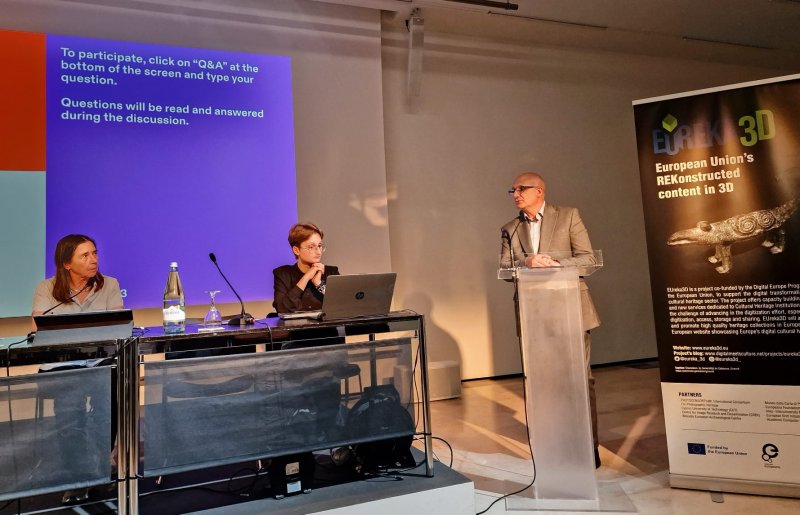
Question and answer time allowed the participants onsite and onlineto interact with the speakers and join the conversation.
AGENDA AND PRESENTATIONS FOR DOWNLOAD
3D in Cultural Heritage – EUreka3D public event
Istituto Svizzero, Villa Maraini, Via Liguria 20, 00187 Roma
6th June 2023 h. 9.30-13.15
h. 9.30 Opening
- Welcome messages by Istituto Svizzero and University of Basel
- Welcome message by Dr. Mauro Fazio, Ministero delle Imprese e del Made in Italy
- Introduction on EUreka3D project and scope of the event, by Dr. Antonella Fresa, Photoconsortium (PDF)
Session 1 – Current scenario in the cultural sector: the need for 3D content in good quality and reusable
- h.10.00 Valentine Charles (Europeana Foundation, NL): The new Data Space for Cultural Heritage (PDF)
- h. 10.20 Marinos Ioannides and Petros Siegkas (Cyprus University of Technology, CY): The VIGIE Study for high quality 3D digitization (PDF)
- h. 10.40 Frederik Temmermans (imec, BE): Standardisation activities for 3D modalities (PDF)
Question and answer time
Coffee break
Session 2 – Experiences with projects for 3D in cultural heritage
- h. 11.40 Vera Chiquet (University of Basel, CH): Facilitating small CHIs in digitization for 3D Models, a case study with the Museum of Learning (PDF)
- h. 12.00 Ismo Malinen (Museovirasto, FI): 3D digitization of World Heritage Sites in Finland (PDF)
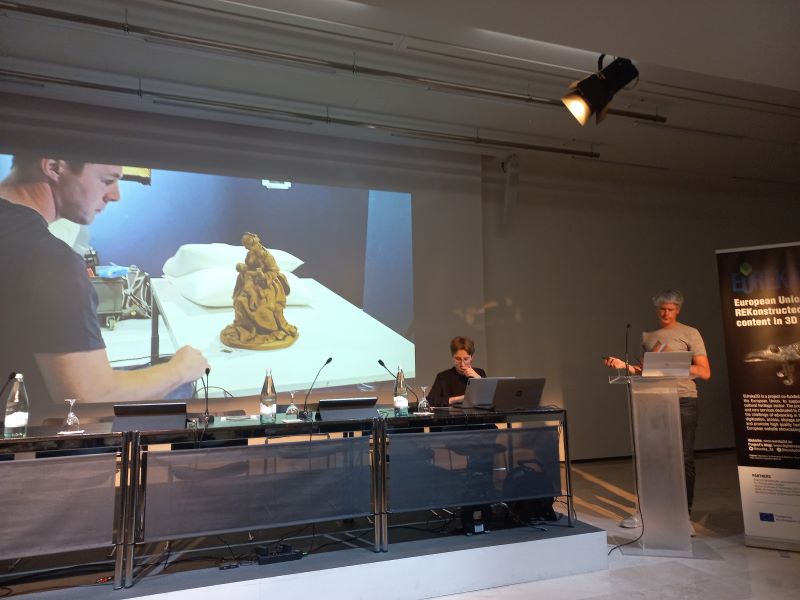
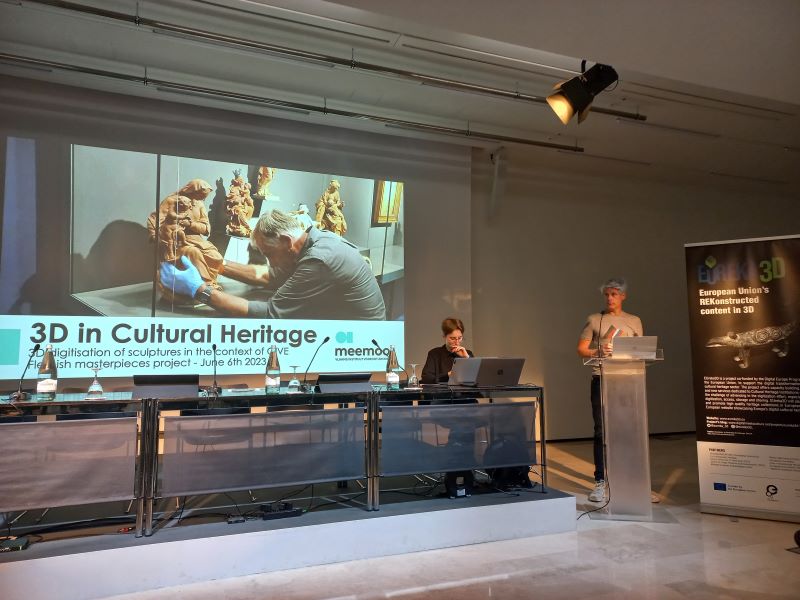
- h. 12.20 Timothy Naessens (meemoo, BE): 3D digitization of sculptures in the context of GIVE Flemish masterpieces project (PDF)
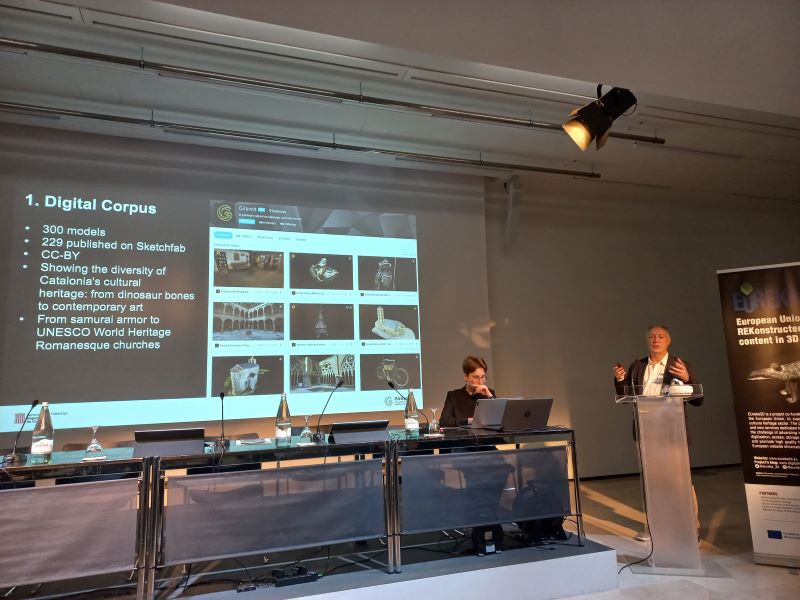
- h. 12.40 Ana Busom Arruebo, Albert Sierra (GENCAT, ES): Giravolt, the National project for 3D digitization of Catalan heritage (PDF)
Question and answer time
h. 13.15 Conclusion
Attend in Rome, register here.
Follow the conference online on Zoom here.
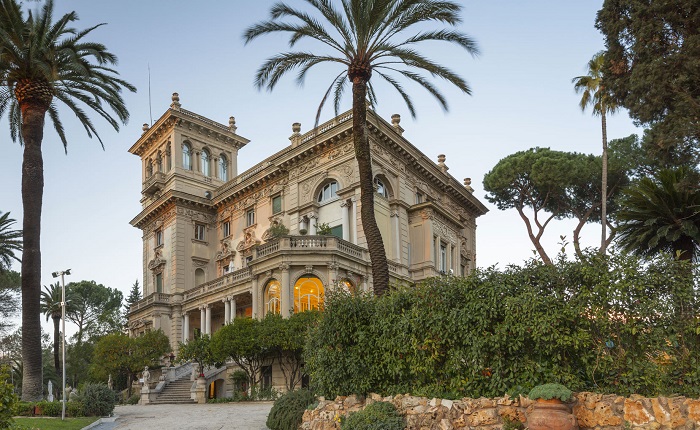
image of Villa Maraini, Istituto Svizzero di Roma








 25th May 2023 – Presentation Historic Graves “Headstones of the Charleville area”