

DIGICHer Project Highlights Community-Centered Heritage Digitisation, Linguistic Diversity, and Inclusive Policy Frameworks Across Europe

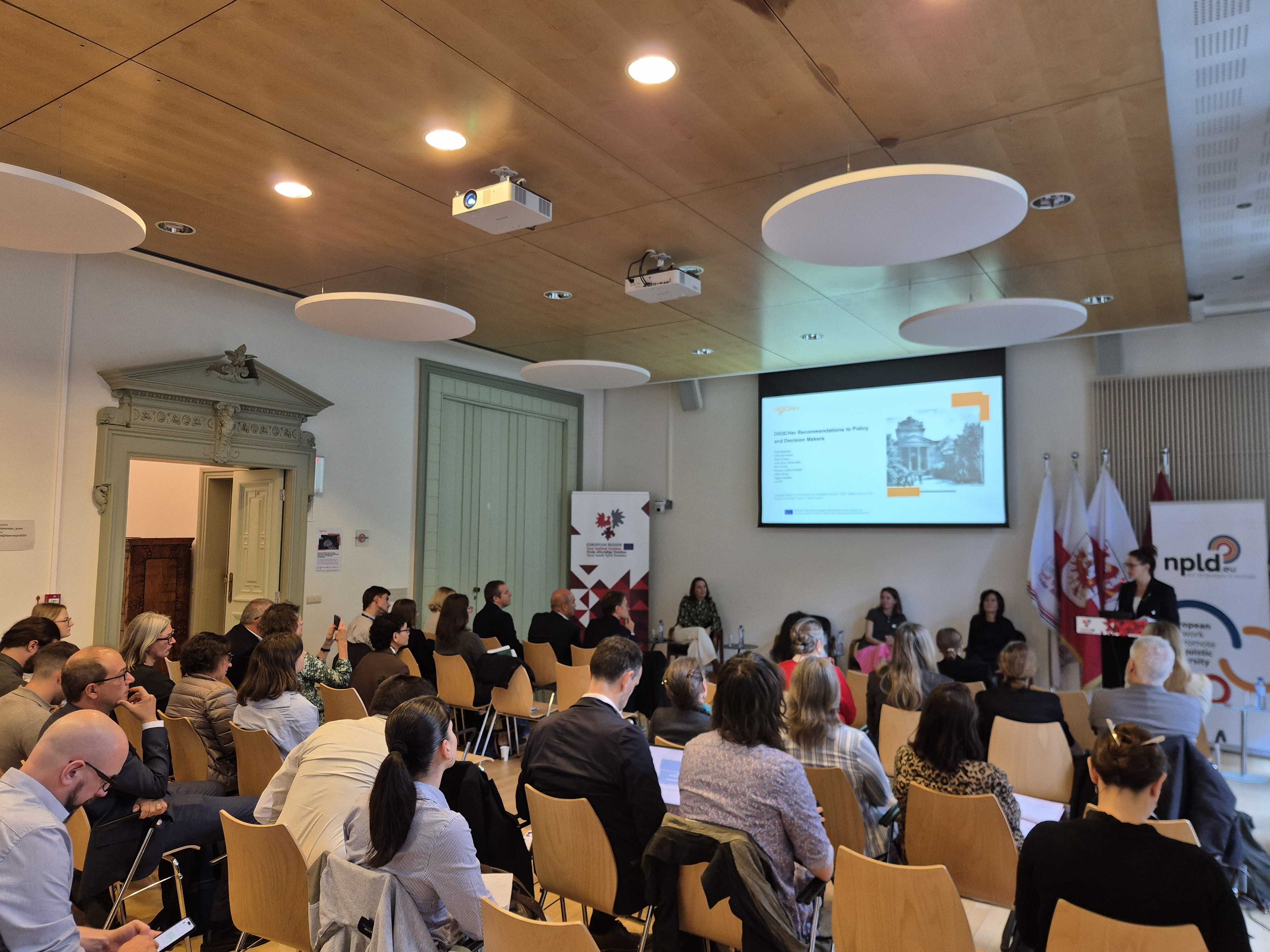
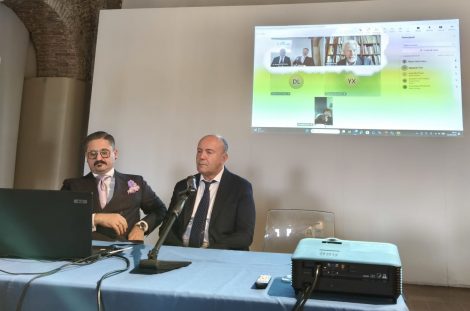
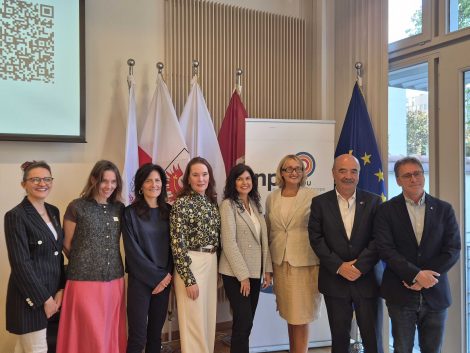
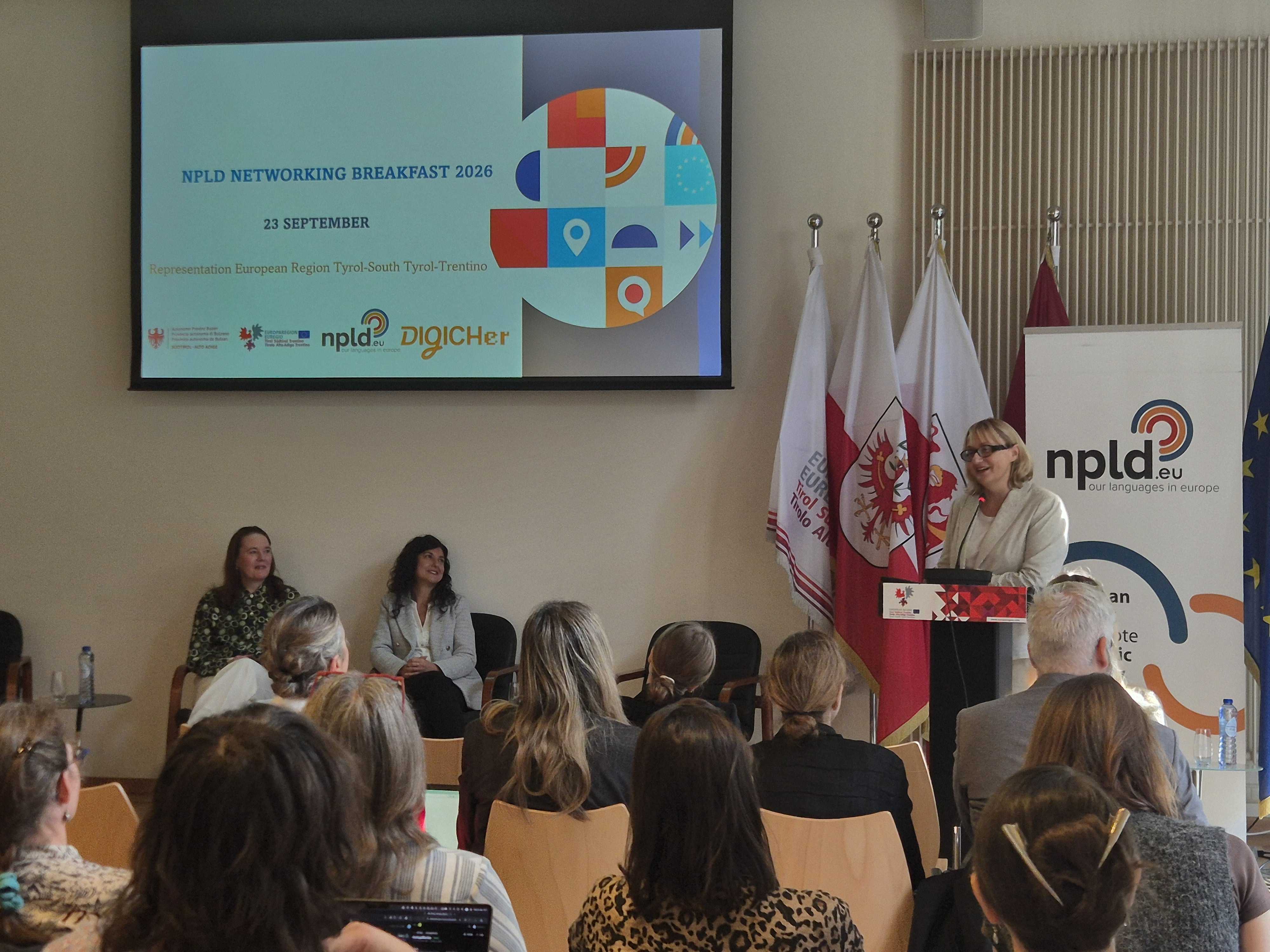
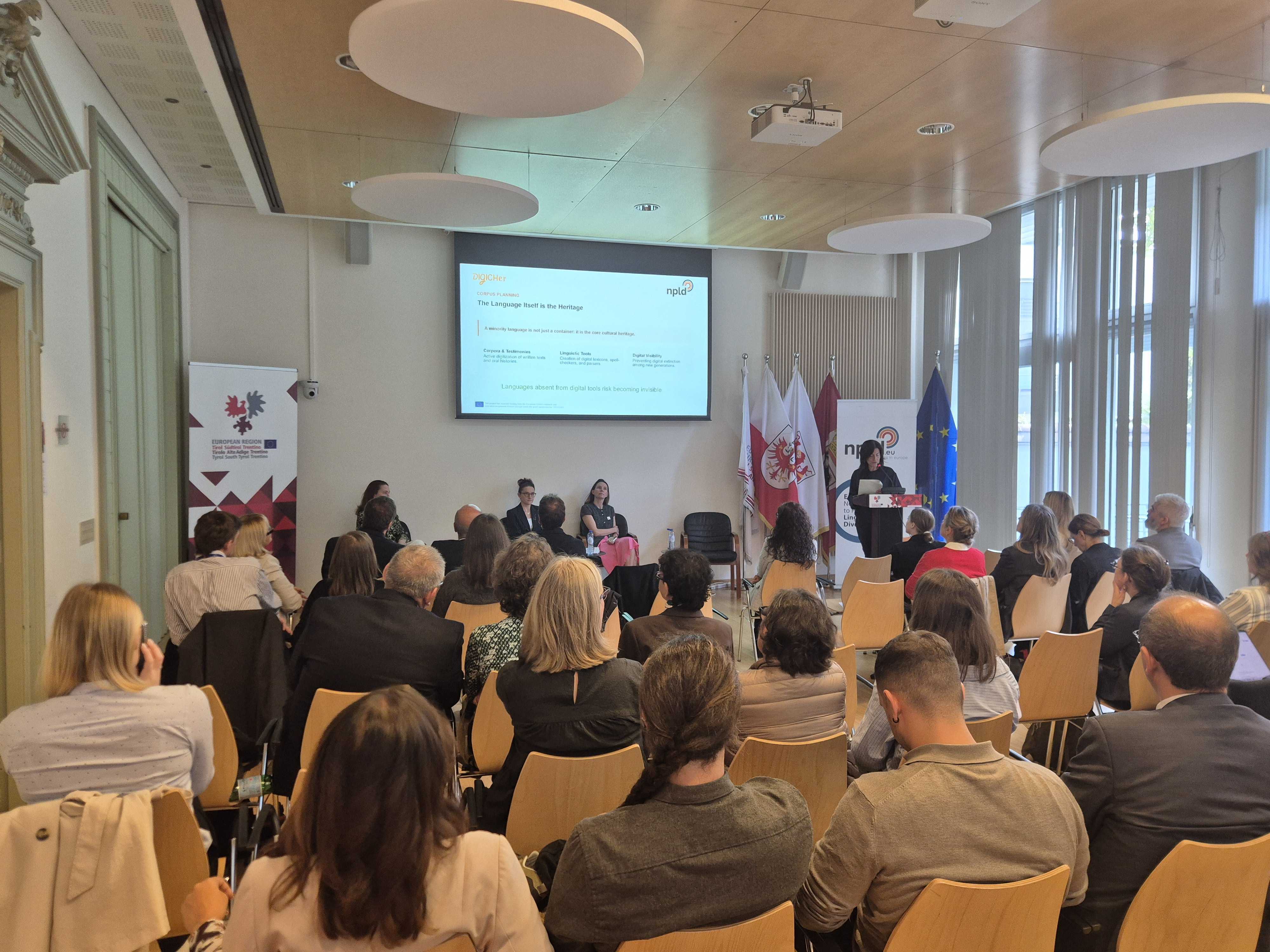
Image from NPLD and DIGICHer networking breakfast, Brussels 23 September 2026, DIGICHer, CC-BY-SA.

DIGICHer (Digitisation of the cultural heritage of minority communities for equity and renewed engagement), is an ambitious project funded by the European Union’s Horizon Europe programme. Running from February 2024 through to January 2027, DIGICHer focuses on the legal, political, socio-economic and technological factors that shape how minority cultural heritage is digitised and presented online, and aims to place minority groups at the centre of cultural heritage digitalisation efforts.

Representatives, researchers, and partners from the DIGICHer project recently convened at the Network to Promote Linguistic Diversity (NPLD) in Brussels to showcase project
insights, community case studies, and strategic policy recommendations aimed at
supporting, preserving, and promoting Europe’s rich language and cultural heritage.
Emphasising Literacy and Language Diversity

The initiative opened with welcome addresses from:

  • Anna Solé, Senior Expert – Multilingualism at the European Commission
  • Anna Jungner-Nordgren, Senior Advisor for International and Nordic Affairs at Folktinget and Chair of the Network to Promote Linguistic Diversity
  • Kristina Kovaitė, Professor in Economics at Vilnius Gediminas Technical University and DIGICHer Project Coordinator

The opening addresses focused on the importance of literacy, language diversity, and the
necessity in supporting, preserving and promoting the richness of language and cultural
heritage across Europe.

Reimagining Heritage Digitisation: Communities at the Center

Partners presented the DIGICHer project from various angles, detailing its goals to
understand the opportunities, barriers, and risks of digitising heritage. The project aims to
make recommendations on setting priorities, maintaining context for digital objects,
ensuring long-term preservation, validating frameworks for digital asset use, and building
capacity for digitally adept heritage institutions – with three communities at front and
center.

Monika Mačiulienė, Senior Researcher at Vilnius Gediminas Technical University, provided background on the call by asking who controls memory digitisation, framing, and profiting from heritage assets. She noted that communities are typically brought in at the end of the chain—if at all—whereas DIGICHer starts with the community at the center of
decision-making.

This approach is guided by the CARE Principles:

  • Collective Benefit
  • Authority to Control
  • Responsibility
  • Ethics

Three Communities, Three Unique Questions

The project centers on three specific communities, each addressing distinct challenges:

  1. The Sámi: “Who controls the archive?” — The Sámi are the only indigenous people recognised within the European Union, with a long history of having their culture taken and described by others.
  2. Jewish Communities: “Who is responsible when the community is dispersed?” — Jewish people have been living in Europe for more than two thousand years, continuously moving across the continent due to factors such as wars, persecution, and search for better life.
  3. The Ladin: “Whose words describe it?” — The Ladin are an Alpine-language
    community of a few thousand situated in a valley where tourism typically dictates
    the narrative.

Regional Languages and Co-Creation

Sabrina Rasom, Director of Istitut Cultural ladin ‘Majon di Fascegn’, explored opportunities and challenges for regional and minority language communities with digital heritage and linguistic diversity through the lens of the project. Drawing on learnings from the Ladin community, she highlighted how digitisation acts as a mirror, building awareness of community evolution over time. Rasom stressed that initiatives like DIGICHer help bridge the gap between everyday community life and academic research, and highlighted how the Ladin Cultural Institute “Majon di Fascegn” formally adopting the CARE principles in practice demonstrates that communities must serve as active co-creators rather than passive recipients of support.

Policy Recommendations and Implementation Strategies

Rosa Ballardini, Professor of Intellectual Property Law and Vice Dean (Research) at the University of Lapland, presented the project’s recommendations and implementation strategies tailored for three key audiences: minority communities, cultural heritage institutions, and policy and decision-makers.
Ballardini focused on the recommendations for Policy and Decision-Makers which provide
legislative, governance, and funding guidance to enable equitable and participatory
digitisation. These are accompanied by practical implementation steps, supported by
DIGICHer tools, and a tailored CARE Principles Checklist to assess whether policy
frameworks properly address collective benefit, authority to control, responsibility, and
ethics.

Upcoming Next Steps and Events

As the framework enters its testing and expansion phase with additional communities,
several upcoming events and workshops are scheduled:

  • 15 October 2026 (Kaunas): “Digitised. Now What?” — A day for communities and institutions featuring the Jewish Heritage Network and the Sugihara House Museum, marking the beta launch of the refugee archive.
  • 9–10 November 2026 (Inari): The Sámi Event — Held and reported in Finnish and Sámi, in collaboration with the National Archives of Finland and the University of Lapland.
  • 12 November 2026 (Online): Europeana Project Month – The session will present some key results from the DIGICHer project, focusing on its recommendations, implementation strategies and guidelines. It will show that responsible digitisation of minority and Indigenous cultural heritage requires coordinated action by policy makers, cultural heritage institutions and communities.
  • Through January 2027: Webinars and Future-Scenario Workshops — Open to
    communities and institutions seeking to run the framework on their own collections and plan their heritage strategies for the next twenty years.
Learn more about DIGICHer, read some quotes and learn more about DIGICHer by reading the full press release (PDF): DOWNLOAD<<<<


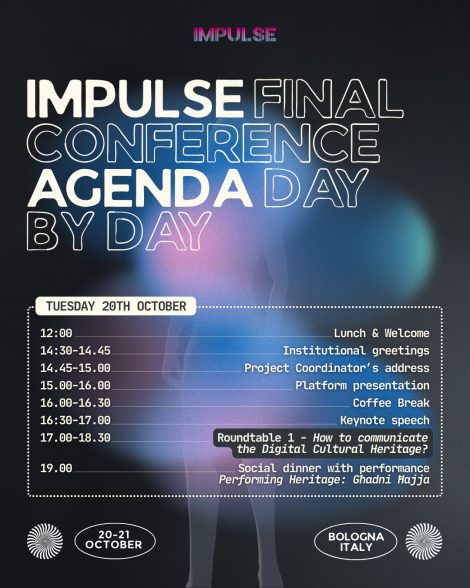
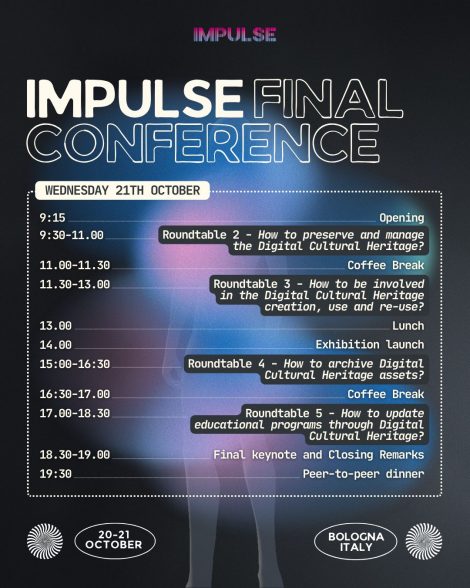
IMPULSE Final Conference

Learn more and participate: https://euimpulse.eu/impulse-final-conference-bologna/


PROGRAMME


SECreTOUR final conference

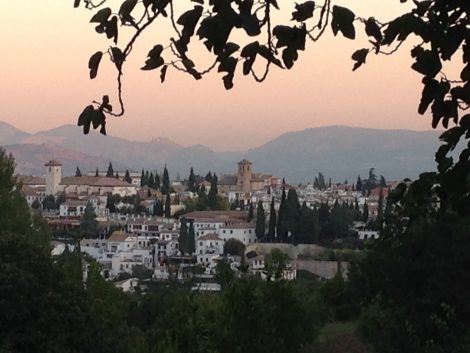
The final conference of the SECreTOUR project is taking place in Granada on 19-20 November 2026.

The first day on 19/11 starts in the morning with the welcome messages delivered by the representatives of the Coordinator University of Granada, followed by two sessions:

  • General Context of Rural Tourism and Local Economic Sector
  • What is “Fair, Creative and Sustainable Tourism”

The afternoon of 19/11 is dedicated to the Cultural Tourism Cluster, where the projects funded in the same Horizon Europe call “Fostering socio-economic development and job creation in rural and remote areas through cultural tourism” (HORIZON-CL2-2023-HERITAGE-01-05) will present their main achievements, highlighting their complementarity in terms of research and innovation outcomes.

The second day on 20/11 includes two sessions in the morning:

  • Fair, Creative and Sustainable Tourism / Good Practices & Cases
  • Tourism Policies, Institutional Perspectives & Territorial Heritage Communities

The afternoon of 20/11 is dedicated to Tourism Policies, Institutional Perspectives & Territorial Heritage Communities, with intervention of European and international organisations.

The event is open to all the interested organisations and projects and it will be possible to follow the presentations online.

The registration to the conference will open soon.

Stay tuned!


Follow SECreTour online also on the SECreTour project’s website.


JPEG Trust Summit 2026: building trust in digital media

On 12–13 November 2026, the JPEG Committee will organise the first JPEG Trust Summit at the Alan Turing Institute in London, bringing together international experts from cultural heritage, media, industry, government, academia and standardisation.


Download the preliminary programme: JPEG Trust Summit – Preliminary Programme.

Expression of interest: JPEG Trust Summit 2026 – Expression of interest to attend

Digital media increasingly passes through complex workflows involving capture, digitisation, editing, restoration, artificial intelligence, publication and reuse. For cultural heritage organisations in particular, this raises important questions. Where does an image come from? What transformations has it undergone? Who should be attributed? What rights or conditions of use apply? And how can such information remain associated with an asset as it moves between institutions, platforms and users?

JPEG Trust addresses these challenges through a new series of international standards, ISO/IEC 21617, developed by the JPEG standardisation committee.

JPEG is best known for the image format that carries its name, but the Joint Photographic Experts Group develops a much broader family of international standards for digital imaging and multimedia. JPEG Trust builds on this experience to provide an interoperable framework for establishing trust in media.

Rather than assuming that there is a single technological solution to the problem of trustworthy media, JPEG Trust allows information from different mechanisms and sources to be combined. The framework addresses authenticity, provenance, attribution, intellectual property rights and integrity, and can incorporate technologies and information such as metadata, cryptographically secured provenance, watermarking and content-based analysis.

An important principle behind the framework is that trust is context dependent. A cultural heritage institution, a news organisation, a social media platform and a law-enforcement organisation may all have different requirements when deciding whether and how a media asset can be trusted. JPEG Trust therefore provides mechanisms to express these requirements and to communicate the resulting assessments in interoperable ways.

The work is already progressing as a multi-part series of international standards. The Core Foundation, ISO/IEC 21617-1, was first published in 2025, with a second edition published in 2026, while additional parts address Trust Profiles and Reports, media asset watermarking and reference software.

These questions are particularly relevant to photographic and cultural heritage collections. Digitisation, computational imaging and AI-assisted restoration can generate new representations and new knowledge from heritage assets, while generative AI and increasingly sophisticated editing tools make provenance, attribution and transparency more important than ever. This perspective will have a dedicated place at the JPEG Trust Summit.

The programme brings together perspectives from policy makers, standardisation organisations, intellectual property experts, news and image agencies, technology providers, researchers and other user communities.

The two-day programme will examine:

  • Trust in media and the societal challenges surrounding authenticity and provenance;
  • Legal and policy frameworks;
  • The role and interoperability of international standards;
  • Practical implementations of JPEG Trust;
  • Use cases across cultural heritage, visual content, editorial media and other sectors;
  • User interfaces, adoption and communication of trust information.
The Summit is conceived primarily as an in-person event, encouraging discussion and exchange between the participating communities. As capacity at the Alan Turing Institute is limited, interested participants are invited to submit an expression of interest. Online participation will also be provided for those unable to attend physically. Participants can indicate their preference for online participation in the “Additional comments” field of the expression of interest form.

Expression of interest: JPEG Trust Summit 2026 – Expression of interest to attend


MuseScope: a pocket guide to art

Written by Igor Fomin, founder of MuseScope 


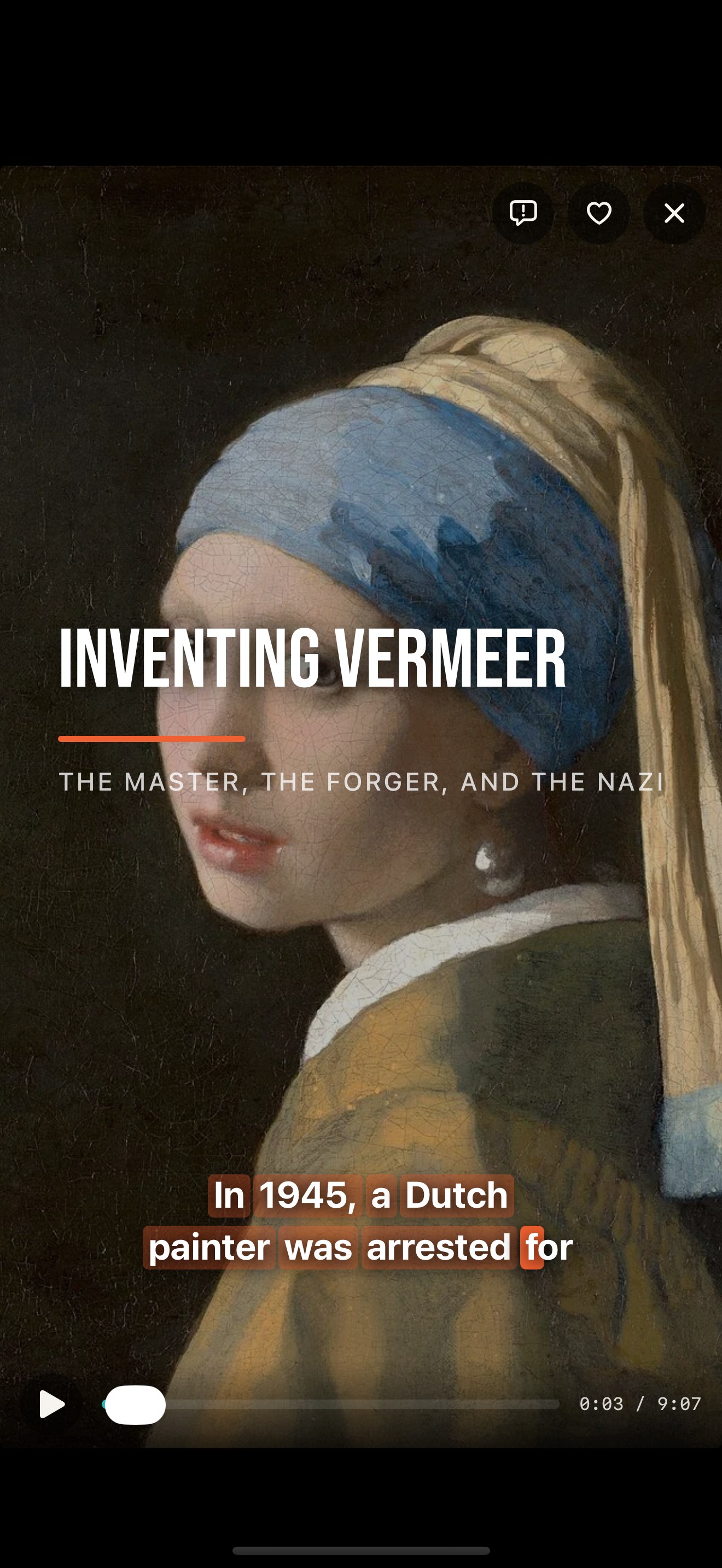
In May 1945 the Dutch painter Han van Meegeren was arrested in Amsterdam. A previously unknown Vermeer had turned up in the collection of Hermann Göring, and the sale was traced back to van Meegeren. He was charged with selling a national treasure to the enemy. Van Meegeren then confessed that he had painted the picture himself. The investigators did not believe him, so under supervision he painted another “Vermeer”. In 1947 a court sentenced van Meegeren to a year in prison for forgery and fraud, and by then the newspapers had made him the man who fooled Göring.

Many paintings have a story like this, though it usually stays in monographs and exhibition catalogues read by specialists. MuseScope tells these stories to everyone else.

MuseScope is a pocket guide to art. It covers more than 43,000 artworks, 2,600 artists and nearly 2,000 museums, and each of them has a short story in many languages, written for someone who has never studied art. You can read the story or listen to it on headphones. The result is an audio guide that works in any museum, on a train or at home.

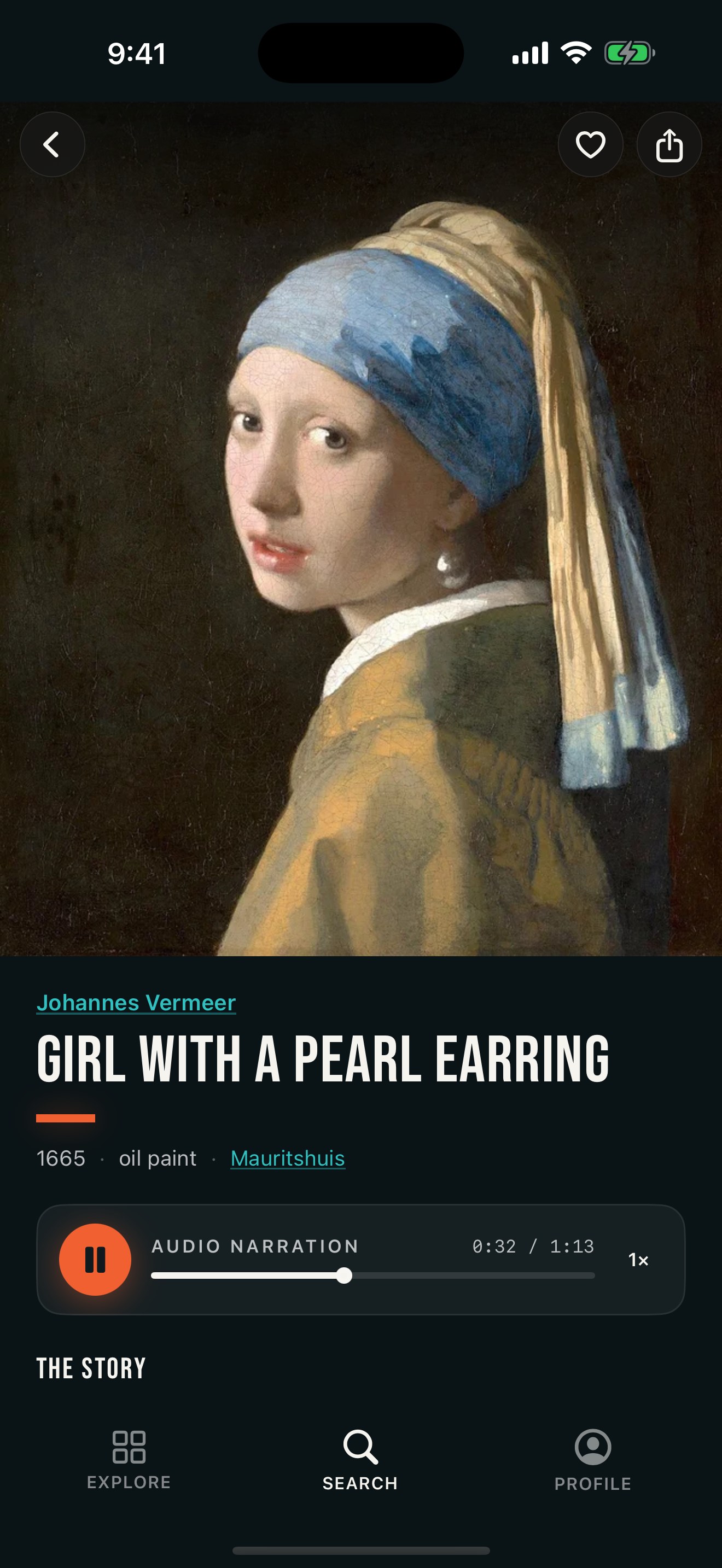
Take Vermeer’s Girl with a Pearl Earring. Its story begins with the fact that in seventeenth-century Holland a picture like this was called a tronie: a study of a head in an invented costume. Historians have never established who sat for Vermeer. The pearl is too large to be real. Vermeer painted its shine with a couple of strokes of white. In 1881 the collector Arnoldus des Tombe bought the painting at an auction in The Hague for two guilders and thirty cents, and in 1902 he left it to the Mauritshuis, the royal picture gallery in the same city.

A painting can be found by its title, its artist or its museum. If it is right in front of you, point the phone’s camera at it. Any question left after a story can be asked in the app, such as what happened to the Mona Lisa’s eyebrows, or why a daylight scene by Rembrandt is called The Night Watch.

For anyone planning a trip there are long articles about museums, from the Louvre and the Metropolitan Museum of Art to the Galleria Borghese and the Belvedere in Vienna. There are also video stories in which a narrator leads you through paintings on one theme. One of them follows van Meegeren and his forged Vermeers.

We built the catalogue from Wikidata, Wikimedia Commons and the open-access collections that museums publish themselves, and we check the rights to every image. Open data has its share of errors. The Prado, for example, has placed about 3,400 of its works on long-term deposit with nearly 280 institutions, from museums in Toledo and Seville to Spanish embassies abroad, yet open sources list many of these paintings as if they hung in Madrid. We file a painting under the museum where visitors can see it.

Every record is checked by several AI agents, which compare its dates, attribution, title and museum. In the hardest cases we turn to museum curators. The stories themselves are written with the latest AI models, from verified records and published research. If a museum finds a mistake in the description of one of its paintings, or would like its collection covered more fully, we would be glad to hear from it.

MuseScope is available now on the App Store, with an Android version in development. The catalogue can also be read at musescope.app. Follow MuseScope on their Instagram page @musescope.app


Net Architettura – Detox Land _ Designing Disconnection

CONFERENCE – Gipsoteca dell’Arte Antica | Piazza San Paolo all’Orto 20, Pisa

Presentation of the NET Architecture Project – “Detox Land” Enrico Nieri and Anna Paola Fagioli illustrate the network of “Detox” urban areas in the city of Pisa, characterized by QR codes that activate site-specific sound tracks. Focus on the acoustic and urban mapping of Pisa through QR codes.

Critical contributions by: Arman Atoyan Chief Wizard at ARLOOPA, Leonardo Germani and Stefania Franceschi, President and Vice-President of the Order of Architects PPC of Pisa; Luigi Prestinenza Puglisi, architect, essayist, critic and architectural historian; Massimo Del Seppia, architect, President of Associazione Culturale LP – Laboratorio Permanente per la Città and curator of the Biennale di Architettura di Pisa; Alessio Carciofi, CEO Digital Wellbeing.

Contributions Moderators: Elisa Debernardi, Charuna Charuna.

More info: https://www.internetfestival.it/programma/net-architettura-detox-land/

With:

Marcos Novak, Full Professor, UCLA; Director of TransLab: From Transarchitecture to the new frontiers of digital architecture.
Alessandro Melis, Full Professor, School of Architecture and Design, New York Institute of Technology: The city as a space of sensory regeneration, where technology and architecture foster well-being and urban resilience.
Juhao Tang, Associate Director, DP Architects Singapore: From the large urban scale to the micro-scale: new technologies of urban and digital networks.
Giovanni Santi Associate Professor of Technical Architecture at the Department of Energy, Systems, Land and Construction Engineering (DESTEC) of the University of Pisa.


EUreka3D Initiative at Digital Sign Symposium

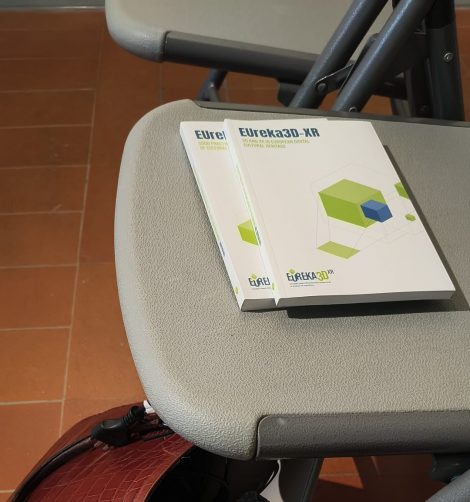
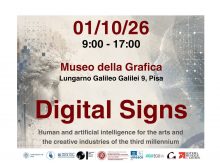
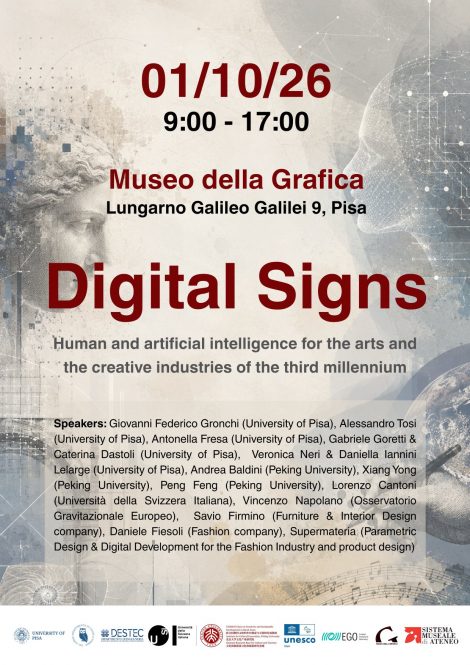
EUreka3D and EUreka3D-XR were presented by Project Coordinator Antonella Fresa at Digital Signs – Human and Artificial Intelligence for the arts and the creative industries of the third millennium symposium, hosted by the Museum of Graphic Arts in Pisa to discuss the role of AI within Arts and Cultural Heritage.

During the Session I – “Concepts and Perspectives” – a roundtable on AI, Creativity, and New Perspectives for the Arts and Cultural Heritage took place to exchange insights and engage in discussion through an interdisciplinary dialogue bringing together scholars from philosophy, art history, design, mathematics, cultural heritage, and the natural sciences to explore the role of artificial intelligence in contemporary creative practices and knowledge production.
The EUreka3D Initiative contributed to the roundtable by bringing in-real-life experiences with AI being employed with physical and digitised cultural heritage, providing the audience with direct and valuable knowledge acquired through a 4 year long research that involved local communities, cultural heritage institutions and professionals.


eu emblemEUreka3D-XR project is co-financed by the Digital Europe Programme of the European Union.

Digital Signs – Human and Artificial Intelligence for the arts and the creative industries of the third millennium

Starting from the sign as a foundational element of the creative act—its becoming meaning, writing, and structure—scholars from different disciplines, ranging from art history to design, from philosophy to mathematics, and from the natural sciences to astronomy, will explore AI as a creative tool and an interpretative support. From graphic arts to the creative industries, from the reconstruction and enhancement of cultural heritage to the forms and sounds of the universe, significant and compelling international case studies will be presented and discussed. Digital signs, therefore, become a space for comparison and dialogue among different fields of knowledge, fostering new research and educational perspectives.
Museum of Graphic Arts (Pisa) is proud to host the Digital Signs international symposium, where experts in different fields and from all over the world will participate to provide insights and foster discussions through three roundtables on AI, creativity, the Arts, Cultural Heritage and more.

The event is open and no booking is required.

Learn more on the Museum of Graphic Arts’s webpage: https://museodellagrafica.sma.unipi.it/2026/09/digital-signs-human-and-artificial-intelligence-for-the-arts-and-the-creative-industries-of-the-third-millennium/


PROGRAMME of the DIGITAL SIGNS Symposium

Museum of Graphic Arts, Pisa, October 1st 2026

  • 9:00-9:30 Opening Remarks and Institutional Welcome
  • 9:30-12:00 Session I – Concepts and Perspectives
    Round Table: AI, Creativity, and New Perspectives for the Arts and Cultural Heritage

  • 12:00-14:00 Lunch break

  • 14:00-16:00 Session II – Practices and Applications
    Round Table: AI in the Creative Industries and Cultural Innovation

  • 16:00-16:15 Coffee Break

  • 16:15-16:50 Session III – Future Directions
    Round Table: Human and Artificial Intelligence for the Future of Creativity

  • 16:50-17:00 Closing Remarks


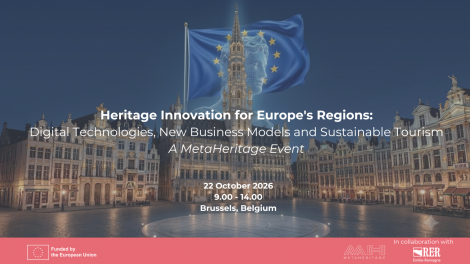
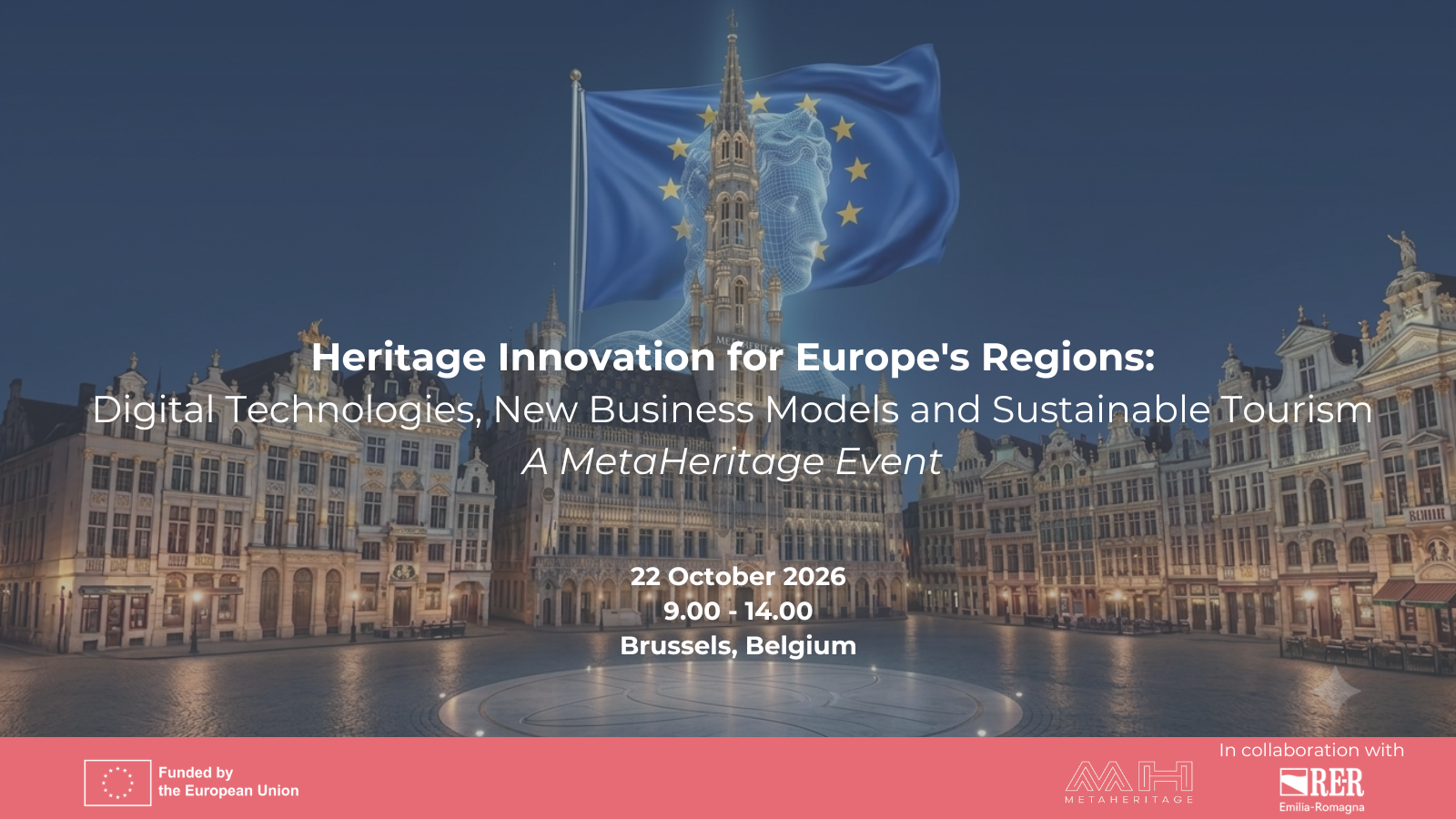
Join MetaHeritage for their Final Event

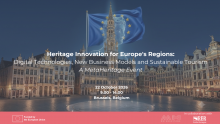
On October 22nd (9am-2pm)in Brussels, MetaHeritage will host its final event

Under the title “Heritage Innovation for Europe’s Regions: Digital Technologies, New Business Models and Sustainable Tourism”, the event will bring together stakeholders from cultural heritage, digital innovation, tourism and regional development to discuss how heritage can become a driver of innovation, competitiveness and sustainable growth.

The programme will feature a mix of keynote presentations, expert roundtables and innovation pitches, including:

  • The role of digital heritage in regional innovation
  • XR, the metaverse and immersive technologies for heritage and tourism
  • New business models and making heritage initiatives investment-ready
  • Presentations of four MetaHeritage business cases
  • Real-world digital heritage solutions and opportunities for interregional collaboration
  • A networking lunch offering opportunities to connect with European policymakers, regions, heritage and tourism organisations, SMEs and technology providers.

Register for the event.

View the full agenda:
MetaHeritage Final Event – Agenda & Programme


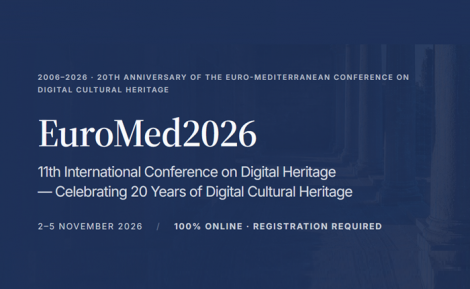
EuroMed 2026 – 20th Anniversary of the Euro-Mediterranean Conference on Digital Cultural Heritage

For two decades, EuroMed has provided an international forum where researchers, cultural heritage professionals, museums and memory institutions, technology experts, industry, educators and policymakers come together to exchange knowledge and shape the future of Digital Cultural Heritage.

EuroMed2026 continues the momentum of the highly successful Digital Heritage Summit, organised in Cyprus during the Cyprus Presidency of the Council of the European Union: the Summit brought together the international community to address digital transformation, AI, 3D and immersive technologies, Europeana, the European Cultural Heritage Data Space, Digital Twins and the future of Cultural Heritage in Europe.

EuroMed2026, taking place 100% online on November 2-5, now extends this dialogue across geographical and disciplinary boundaries.

Abstracts for papers can be submitted online until 23 October: https://euromed2026.eu/important-dates

Registration is required, you can apply at this link<<<<