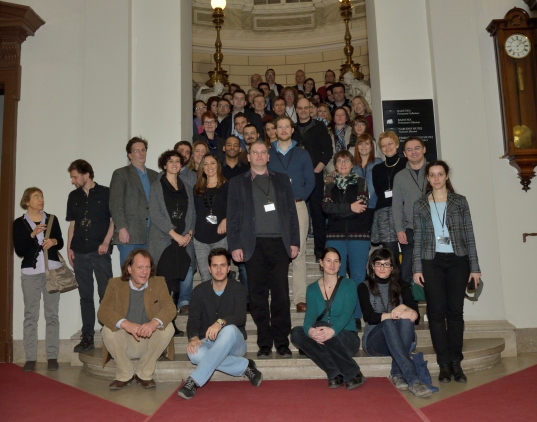
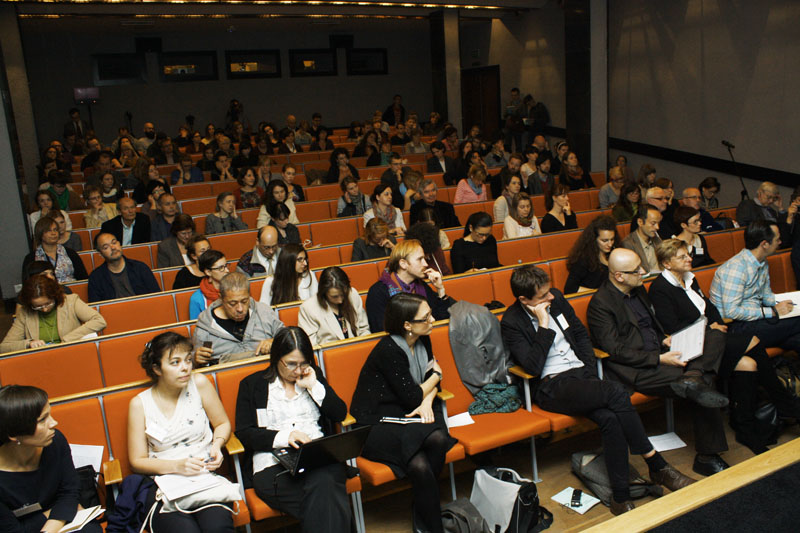
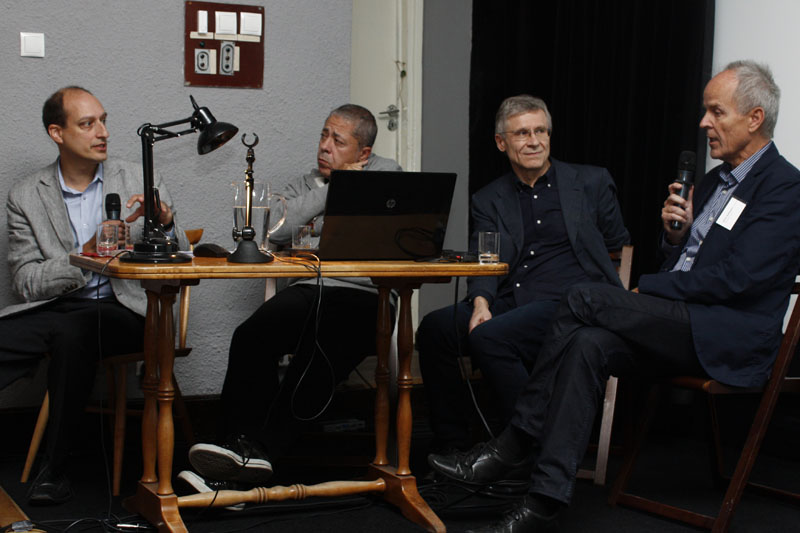
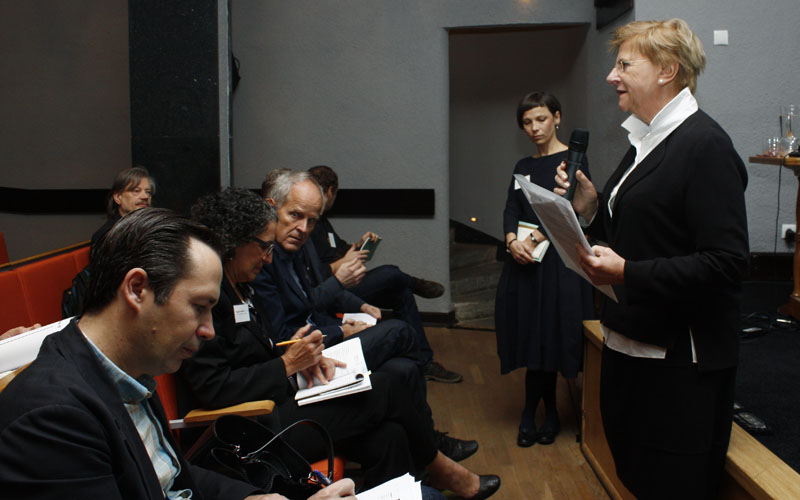
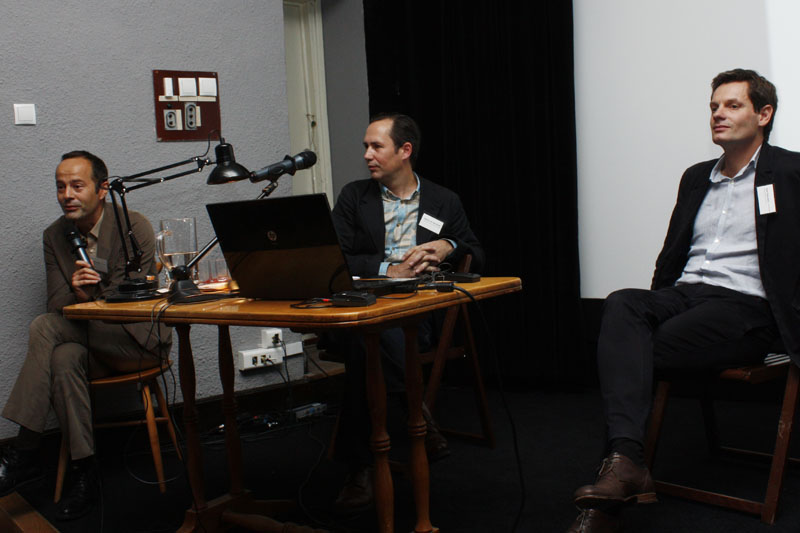
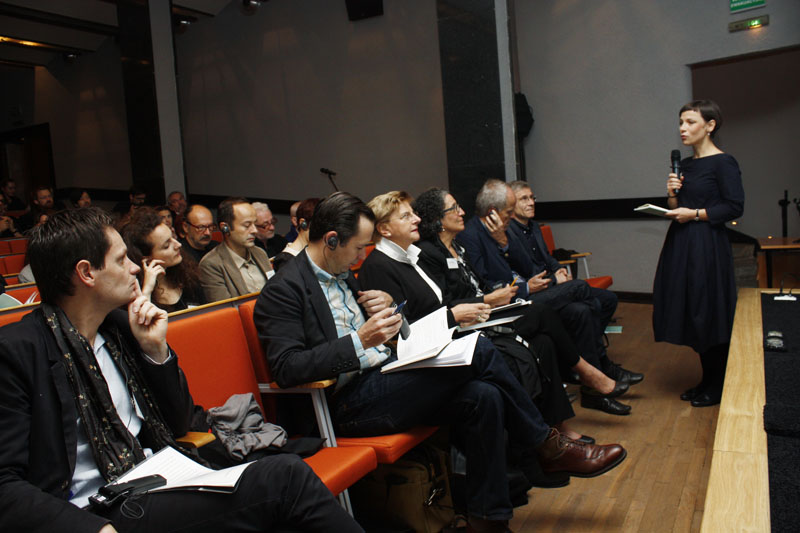
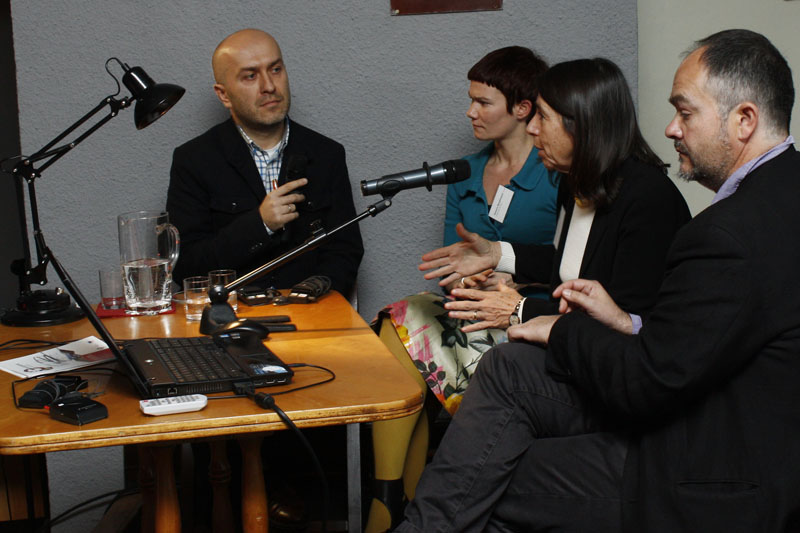
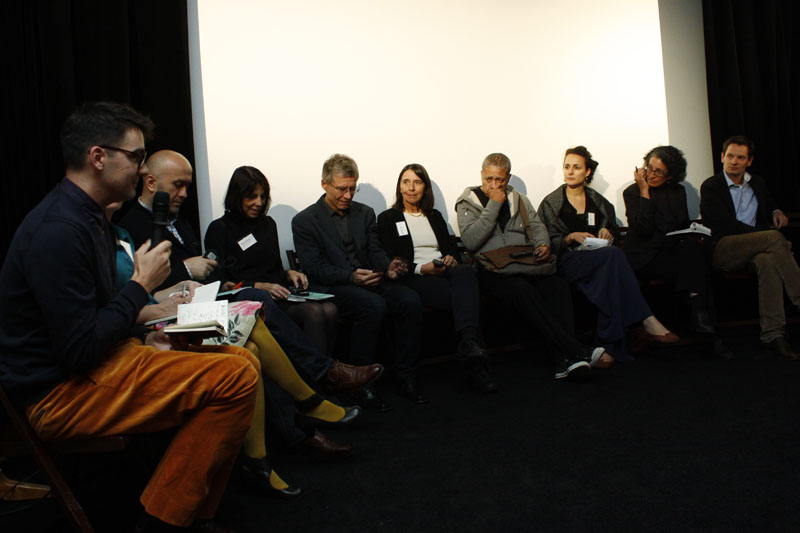
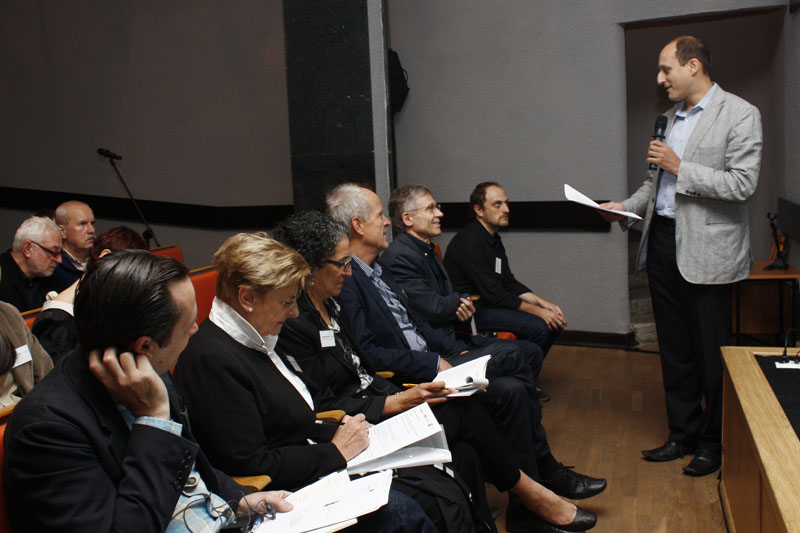
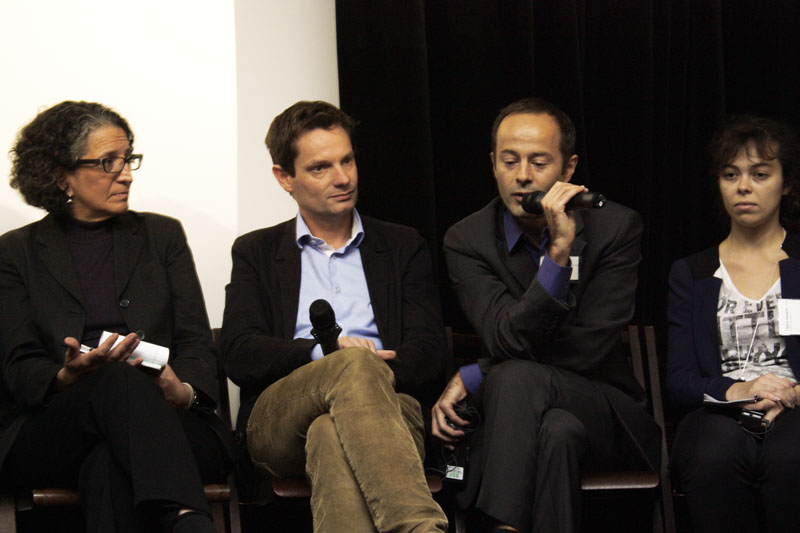
Speakers from different countries and backgrounds provided their experience and knowledge-exchange
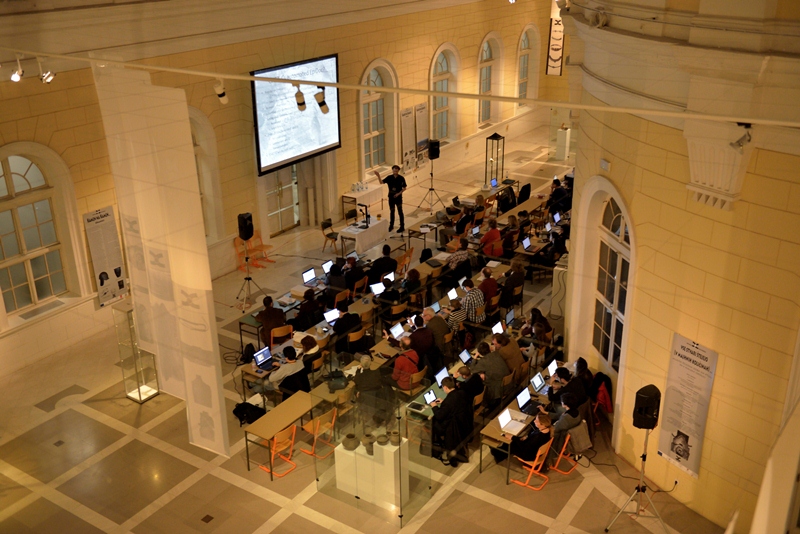
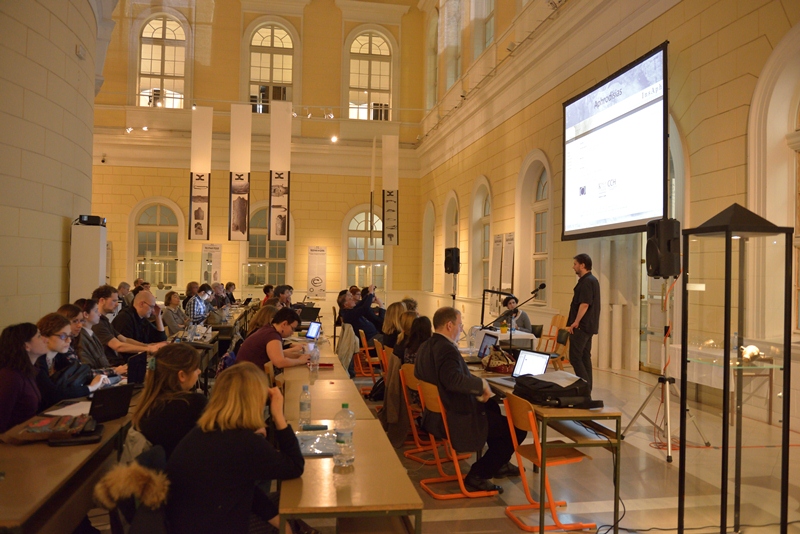
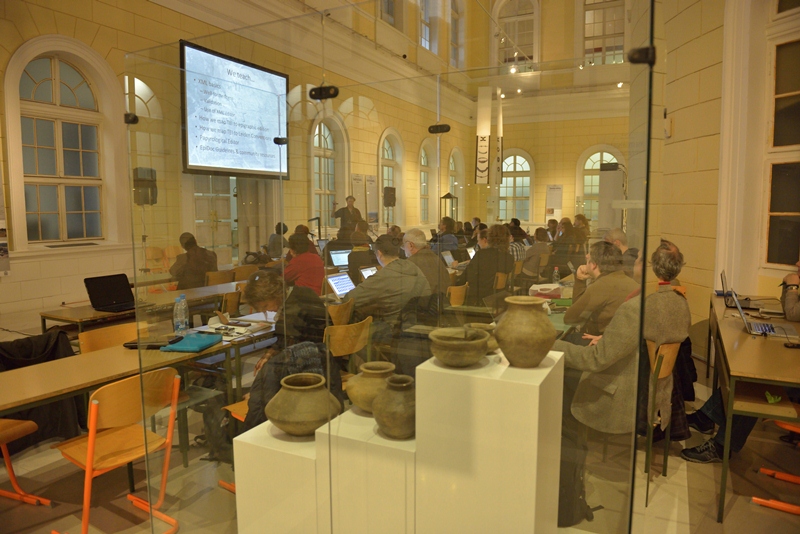
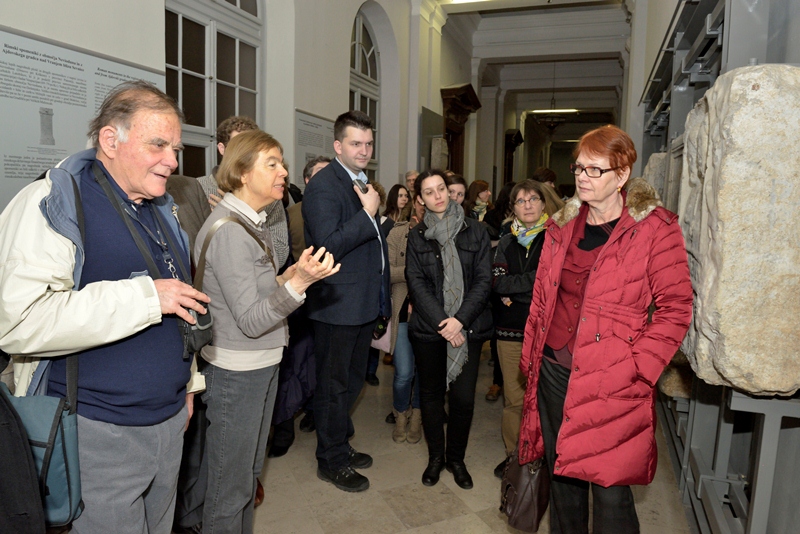
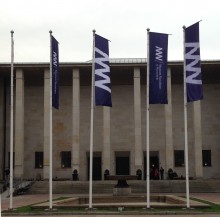
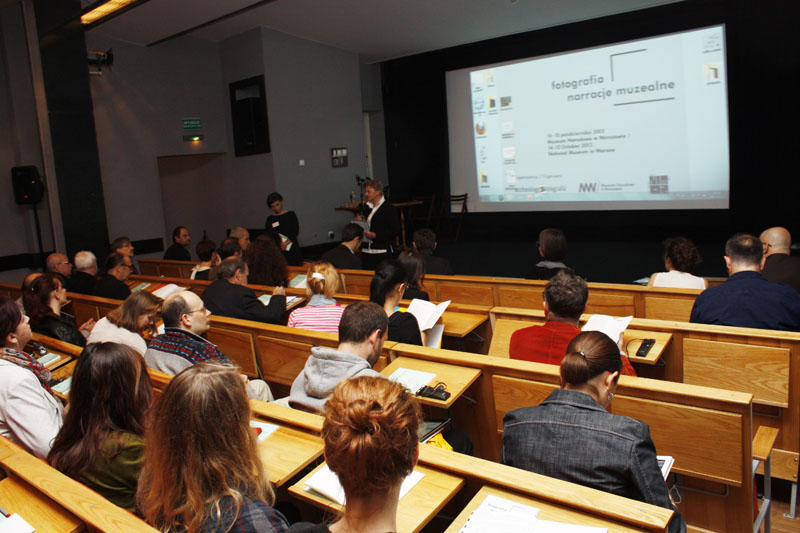
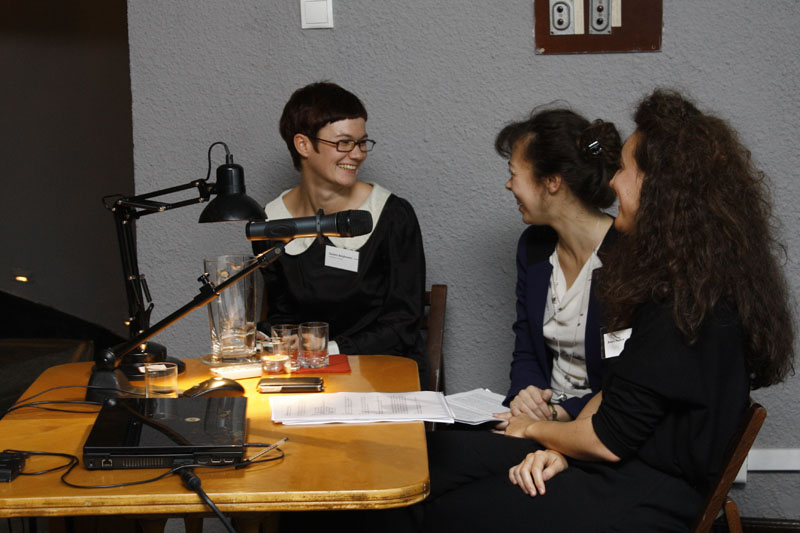
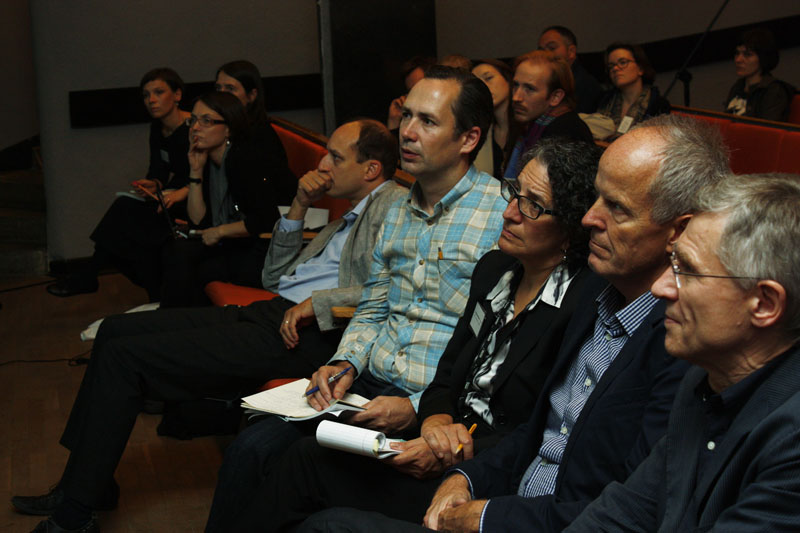
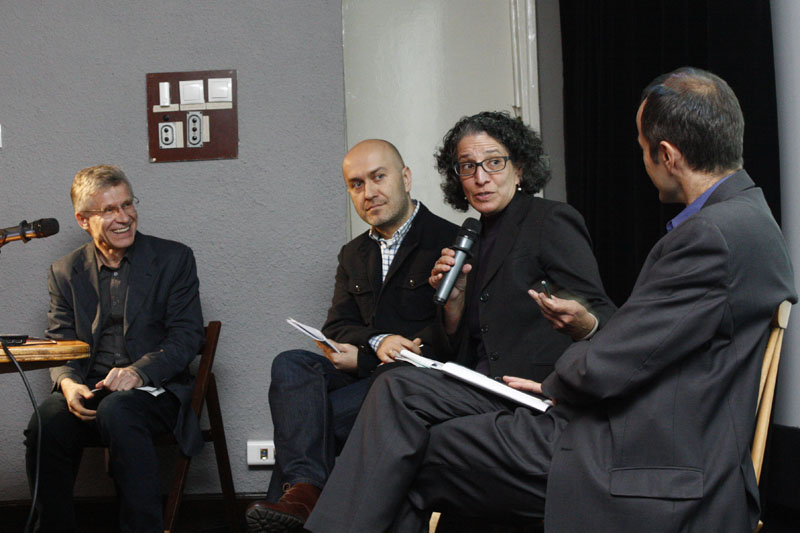
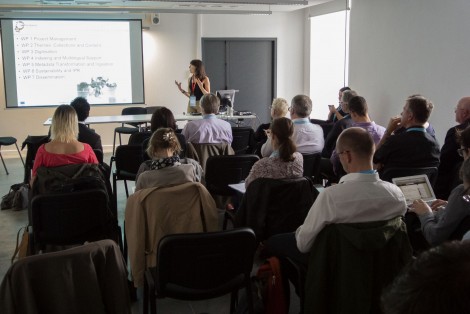
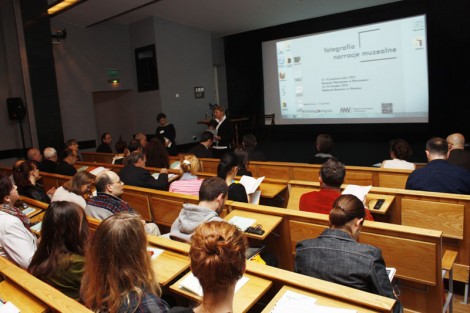 During the recent seminar held in Warsaw (14-15 October 2013), many interesting speeches and presentations analyzed the role of photography in the museums and its development, also in the framework of the digital cultural heritage.
Organized by the Archeology of Photography Foundation, the National Museum in Warsaw and the national Institute of Museology and Collections protection, the seminar included a panel of international speakers.
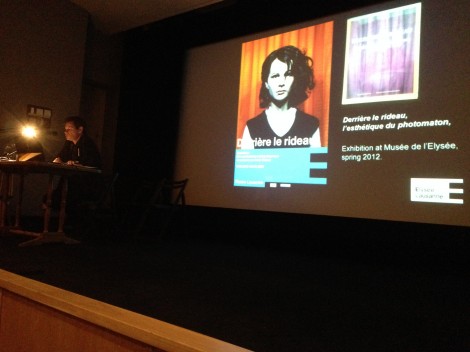
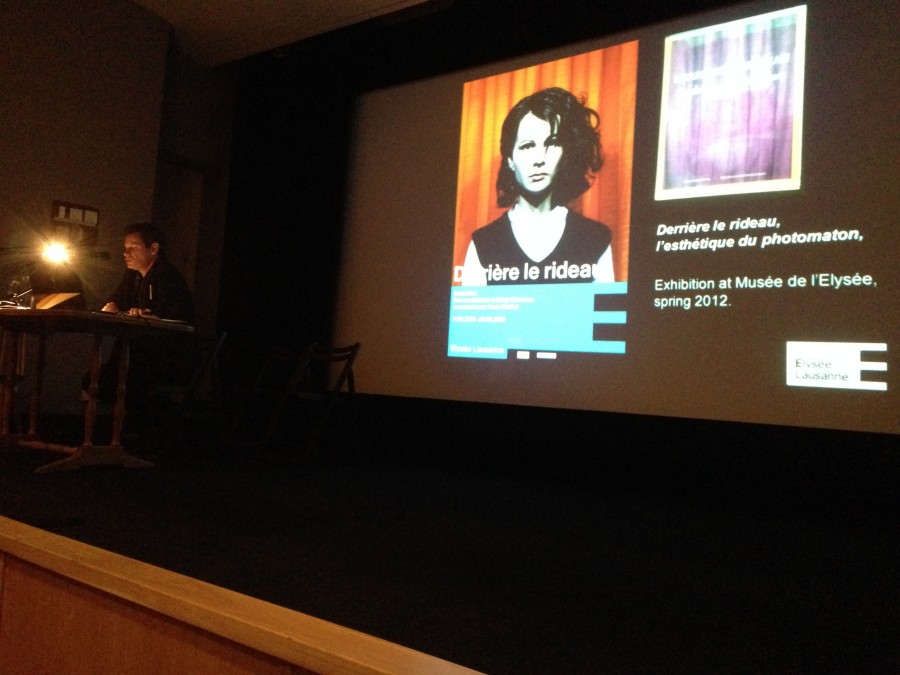
Jaroslav Anděl, artistic director at the DOX Centre for Contemporary Art in Prague talked about the creation of photography collections; Tamara Berghmans, curator and researcher at FotoMuseum in Antwerp, described the approach for upcoming redefinition of the museum, basing on what the FoMu is today and what it intends to become. François Cheval, curator-at-large at Musée Nicéphore Niépce, Chalon-sur-Saône, discussed about the path a photograph goes through to become iconic.
Interesting speeches and unusual perspectives were the ones provided by few American speakers: Quentin Bajac, chief curator of Photography Department at MOMA Museum of Modern Art, NY, analyzed the work of John Szarkowski, photographer and for 30 years curator at MOMA; the speech especially focused on his exhibition and acquisition program, and intended also to assess the topicality of his legacy today.
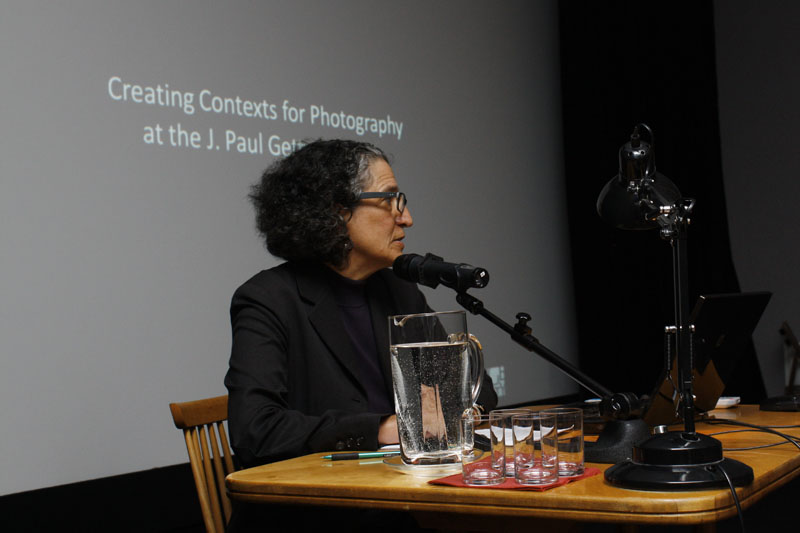
Another remarkable speech was the one by Virginia Heckert, curator of Photography Department at the Getty Museum, LA, who discussed the theme “creating Contexts for photography at the Getty Museum”. It was interesting to learn the contextualization and cooperation opportunities that raise inside the Museum and the Getty Research Institute.
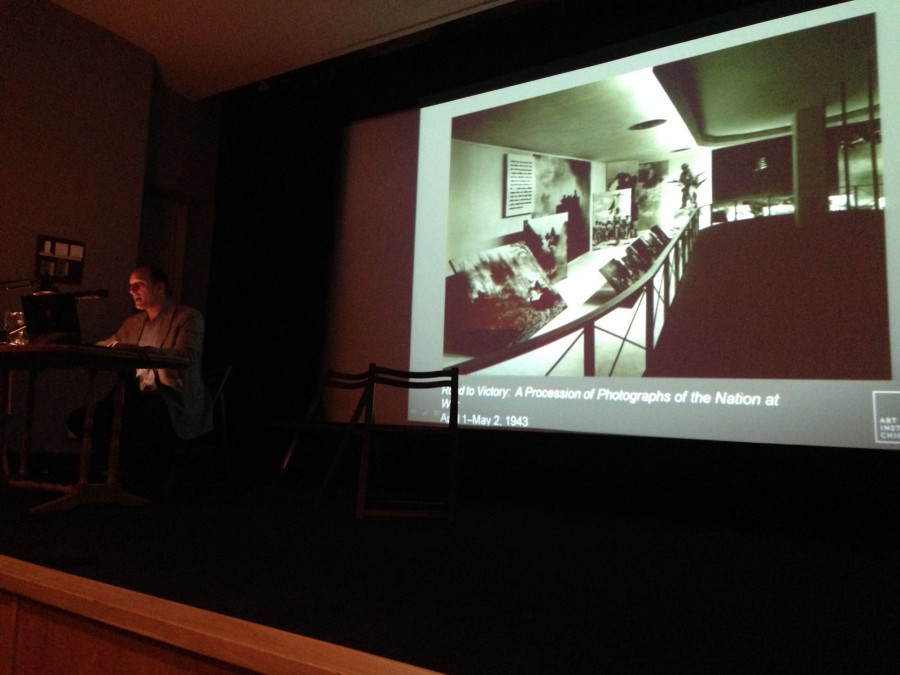
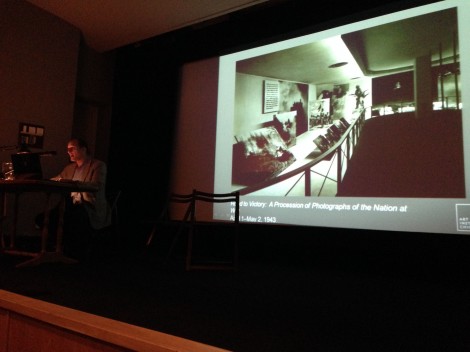 Matthew Witkovsky, head of the Department of Photography at the Art Institute of Chicago, reviewed the various homes occupied by photographs at the Museum, thus telling the history and expansion of the collection. Mark Robbins, executive director at the International Center of Photography, New York, highlighted the results of the recent triennial exhibition held at ICP, including photography, film, video and new media to variously represent different social and political orders.
Other interesting stories came from different experiences: Danuta Jackiewicz, curator of the Collection of Iconography and Photography at National Museum in Warsaw; Adam Mazur, independent curator and researcher involved in Muzeum Sztuki in Łódź and National Museum in Breslau. Antonella Fresa widely talked about the EuropeanaPhotography project as a best practice example of ancient photography dealing with digital technologies (download the presentation, PDF, 1.35 MB).
Martijn van den Broek, head of the Collections Department at the Netherlands FotoMuseum in Rotterdam, described some peculiarities of the Museum’s collections (e.g. this museum holds the copyright of almost its entire collection) and the attention given to young photographers. He also discussed other interesting issues such as content selection, the role of negatives, the digital-born works.
Moreover, Viktoria Tolpegina, presented RosPhoto, a unique centre of photography in Saint Petersburg, the cultural capital of Russia; Wojciech Nowicki talked about the Photography Museum in Krakow while Ulrich Pohlmann, head of the Photography 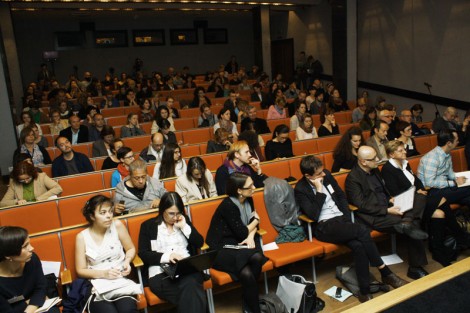 Department, described the recent history of the Stadtmuseum in Munich.
“Bringing together an array of internationally renowned speakers, the conference provided ample platform for debate and creative comparison”, said Karolina Ziębińska-Lewandowska of Archeology of Photography Foundation, organizer and curator of the event, “The purpose of the session is to review and discuss the history of photography collections and museums which have had a significant impact on photography is defined today in the museum context, how it is collected (and not), what divisions are applied to it, and what changes are occurring in these areas.”




 Over 13 Conferences, Symposia, Workshops and Exhibitions under one roof


 (RTDI) potential of African e-Infrastructures and to support policy dialogues and Euro-African cooperation in the framework of the joint Africa-EU Strategic Partnership on ‘trade, regional integration and infrastructures’ (JAES Partnership 3) as well as the Joint Africa-EU Strategic Partnership on ‘science, information society and space’ (JAES Partnership 8).

 The
The 
 It was created to provide valuable answers to the challenges the librarianship is facing in Bulgaria, such as developing collaboration between academic libraries, balancing the cost of scientific publications and of specialized online sources of information with the unavoidable financial restrictions that are imposed to public funding; fostering a true involvement of Bulgaria and its cultural institutions in digitization processes and in the rapid deployment of digital libraries in Europe and the world.