

Tokyo Arts and Space (TOKAS) is an arts center dedicated to the creation and promotion of contemporary artistic expression from Tokyo and supports a wide spectrum of artistic activities including crossover and experimental projects. Established in 2001 as Tokyo Wonder Site (TWS), an initiative for the support and nurturing of young artists, it was renamed Tokyo Arts and Space in 2017.
 As part of the activities, TOKAS holds an open call project OPEN SITE, which is a program aimed at creating a platform that brings together a full range of projects seeking to create new forms of expression across all genres, open to society.
This year marked the fourth annual call for proposals, successful candidates included four projects in the Exhibition category, three projects in the Performance category, and two projects in the OPEN SITE dot category. Moreover, a total of 12 projects will be implemented including the TOKAS Recommendation Program and Educational Programs. And also, tickets for Performances and OPEN SITE dot are available now.
Website: https://willap.jp/t?r=AAAJGAk20OKmMy2Hcay97z.y3OWKxJTUiCdCpQ
OPEN SITE 2019-2020
―――――――――――――――
[Exhibition]
Part 1: 11/23 (Sat) – 12/22 (Sun), 2019 Part 2: 1/11 (Sat) – 2/9 (Sun), 2020
Venue: Tokyo Arts and Space Hongo (2-4-16 Hongo, Bunkyo-ku, Tokyo)
[Time]
Exhibition: 11:00-19:00 (Last entry: 18:30)
Performance | OPEN SITE dot: Varies depending on the program
[Closed] Mondays (Except 1/13), 1/14
[Admission]
Exhibition: Free
Performance: Admission-paid / Booking required
OPEN SITE dot: Free / Booking required (Varies depending on the program)
[Part 1]
OPENING TALK: 11/23 (Sat) 16:00-17:30
Guest: HATANAKA Minoru (Chief Curator, NTT InterCommunication Center [ICC])
Artist: YOF (OHARA Takayoshi + FURUSAWA Ryu + YANAGAWA Tomoyuki), UNNO Rintaro
With Japanese-English interpreter / Admission Free / No booking required
Exhibition:
YOF (FURUSAWA Ryu, OHARA Takayoshi, YANAGAWA Tomoyuki) “2D Painting”
UNNO Rintaro “Counterattack by Land / Curious Obsession”
Performance:
Nuthmique “days and a festival” *TOKAS Recommendation Program
Physical Theater Company GERO “Dance and talk? or Talk and dance?”
OPEN SITE dot:
Timeline Project “WOMEN Artists & History”
abirdwhale | Kakinoki Masato “We, Questioning Norms of Love and Sex, and Attempting to Build Love Relationships with Hongo”
[Part 2]
OPENING TALK: 1/11 (Sat) 16:00-17:30 Guest: MOURI Yoshitaka (Sociologist / Professor, Graduate School of Global Arts, Tokyo University of the Arts)
Artist: IHARADA Haruka, Tess MARTIN etc.
With Japanese-English interpreter / Admission Free / No booking required
Exhibition:
IHARADA Haruka “Exposing the bushes”
Tess MARTIN “Orbit”
Performance:
NAGAI Nozomi × MEGURO Yosuke “A form of a human telling of things”
babytooth “SCREEN BABY #2”
OPEN SITE dot|TOKAS Educational Program:
harawata “tsugu”
WADA Nahoko (Access Point: Architecture-Tokyo) “Learning and Experience: History of Hongo through Architectural Tour”

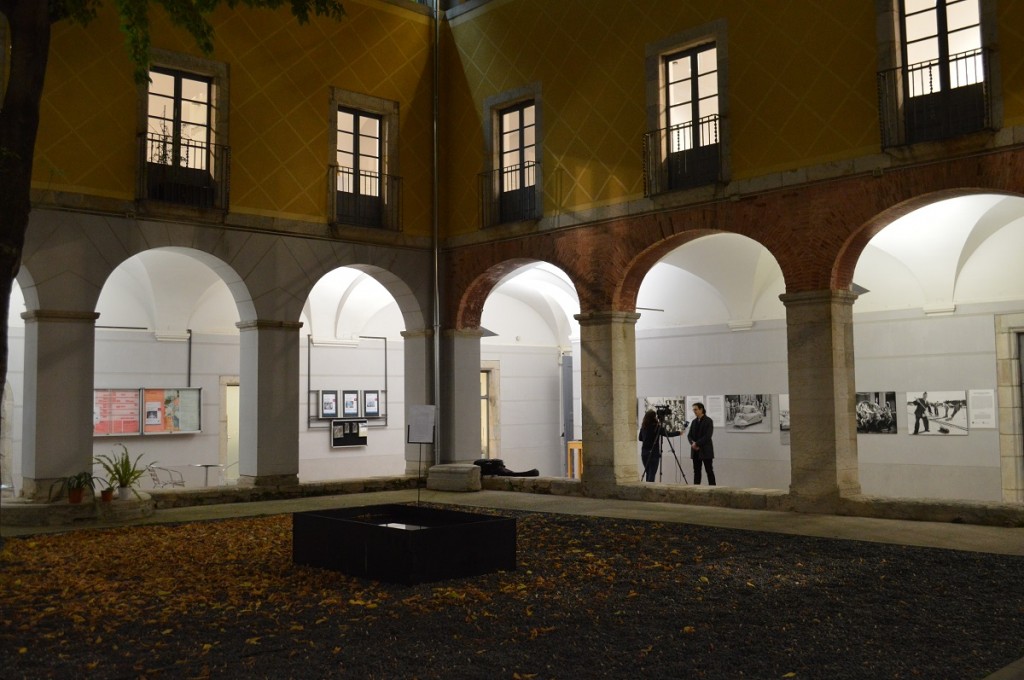 “BLUE SKIES, RED PANIC” photographic exhibition, realized in the framework of the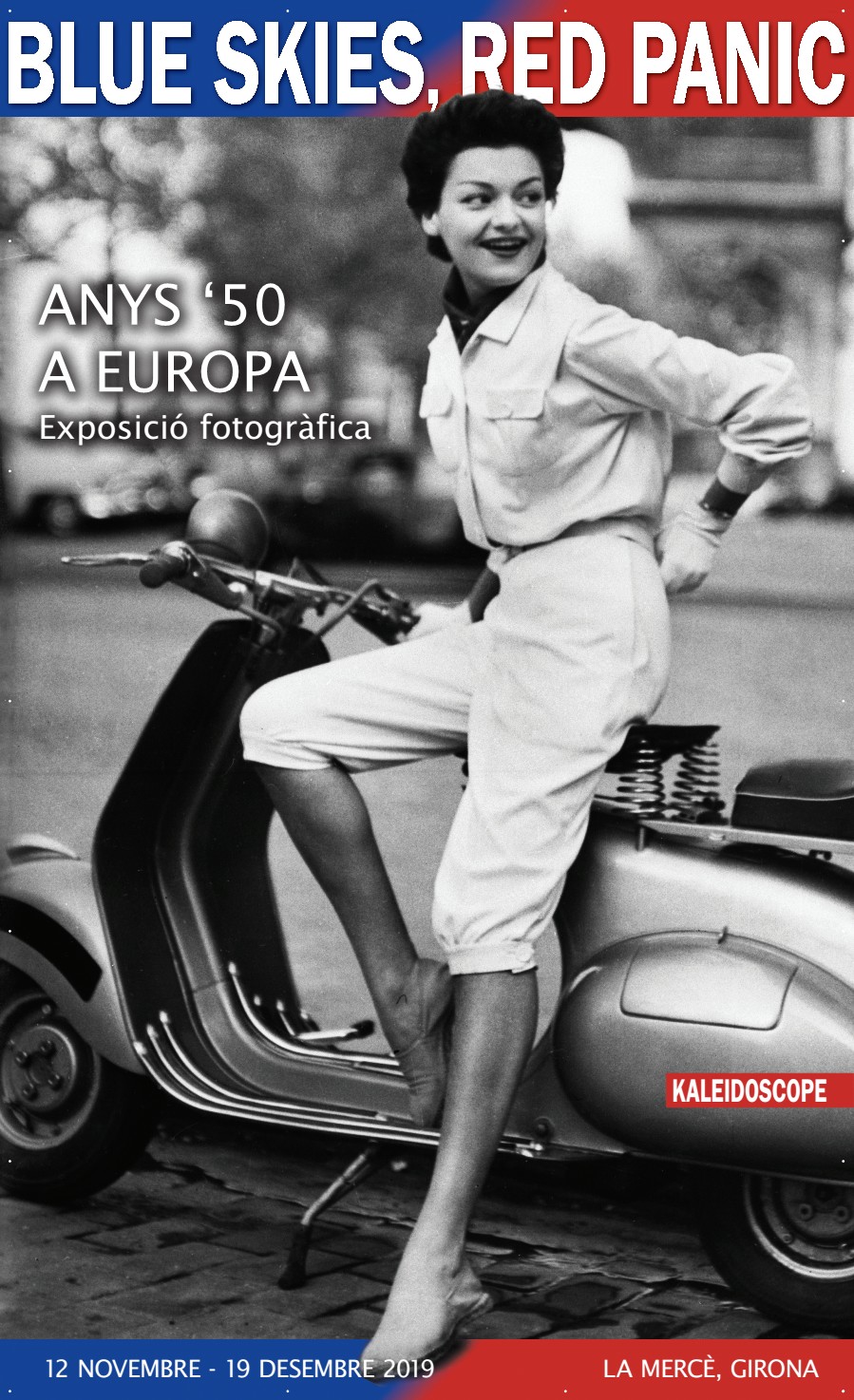

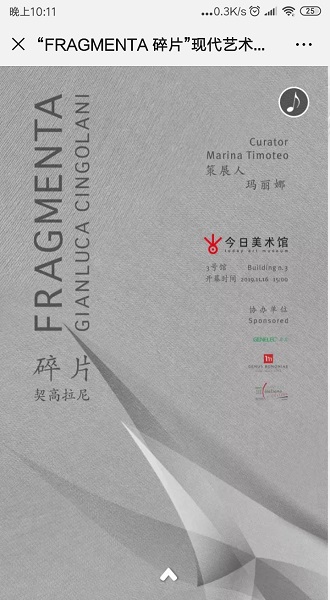 Gianluca Cingolani is a multidisciplinary artist, working with video, photography, graphic and music.




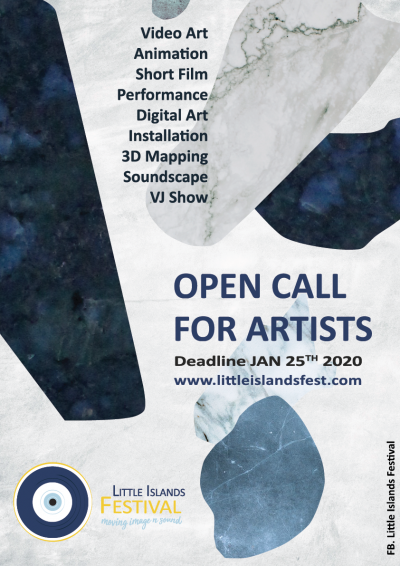 Little Islands Festival is a festival for people, places, ideas, images.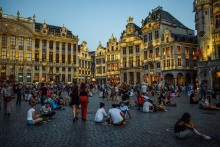
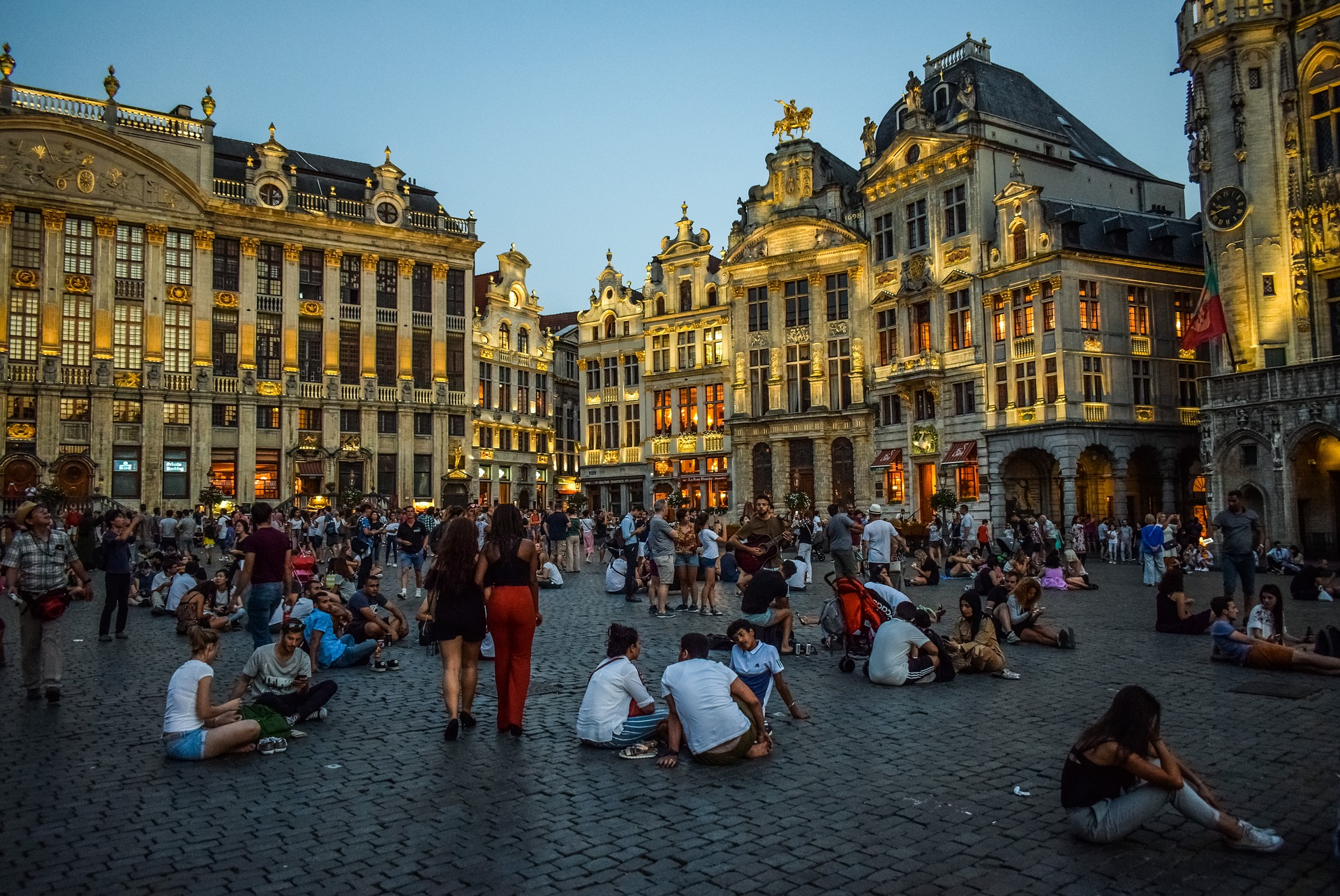 The 29th November, in Brussels,
 The third REACH international workshop will take place on the 26th November at the Oficina de Proyectos Internacionales (OFPI) in Granada.


 ARCHES, Accessible Resources for Cultural Heritage EcoSystems, is a 3 year European project with the aim to make art and cultural experience accessible for all, through the development of technological solutions that improve access to culture.