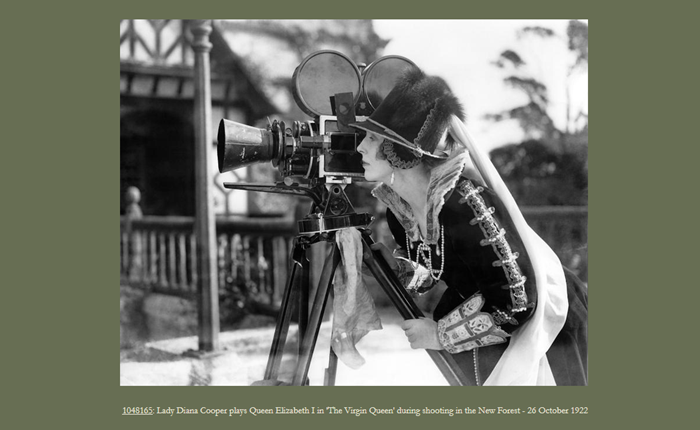


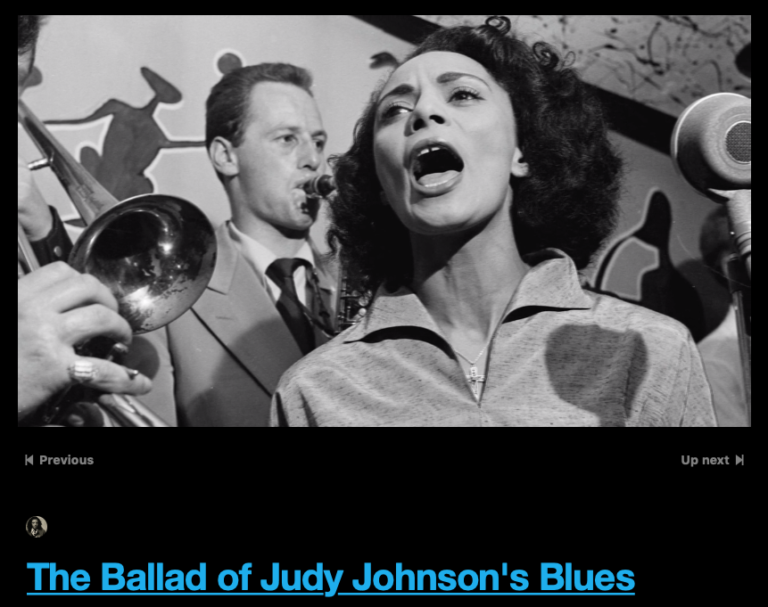
 In preparing the content materials for the aggregation to Europeana, partner TopFoto referenced its inaugural writer-in-residence, Rommi Smith and her residency-collaboration with musician and composer, Christella Litras. This residency, TopFoto’s expertise and its collaboration with artist-researcher, Rommi Smith, has led to the planning of a WEAVE LabDay that is geared towards artists, researchers, archivists, CHIs and other key stakeholders that engage with photographic content. This LabDay also features contributions including from John Balean, Operations Manager at TopFoto.
This exclusive, critical-creative, practice-based event takes place before a brand-new exhibition, curated by Smith, of residency-related photographs at the North Wall Gallery, Oxford, 10-29 January 2022.
The TopFoto Poetry and Photography LabDay will comprise two parts:
Part 1: A critical-creative talk led by Rommi Smith. This LabDay will incorporate moments of practice-related insights from artists Rommi Smith and Christella Litras. Litras, a musician within the residency, will be playing her keyboard. This first section will also incorporate: the remote performance of extracts of creative work from the TopFoto residency; a three-way, interdisciplinary conversation between Smith, Litras and WEAVE convenor, Rosa Cisneros – concluding with a Q&A where audience questions are welcomed.
Part 2: A generative workshop utilising a selection of photos from the TopFoto archive as a starting point for short poems, monologues and short stories. Participants will discover and utilise some of the methods Smith utilises in her own creative process as the inaugural writer-in-residence for TopFoto. Litras will support the workshop, performing improvised music which will inspire the flow of words and narratives. The workshop space is open to everyone, regardless of prior creative writing experience.
More info and registration: https://weave-culture.eu/2021/10/19/poetry-photography/
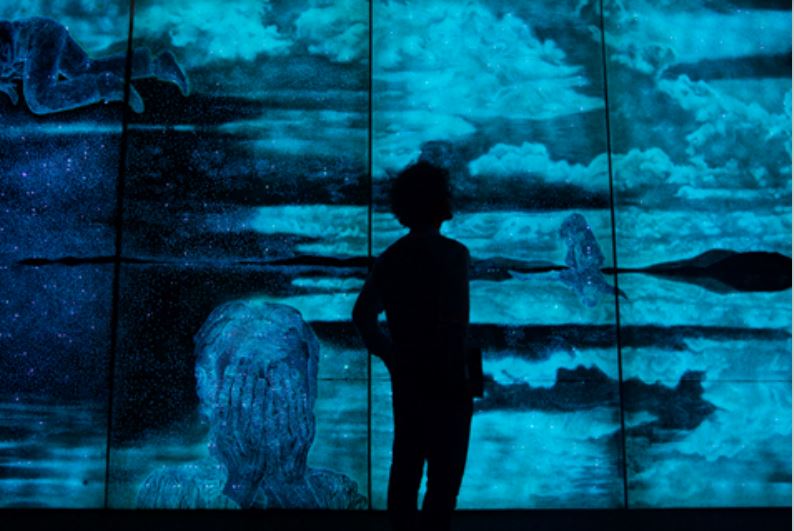 This call for application is promoted in the framework of the Aschberg Programme for Artists and Cultural Professionals and is part of the several responses undertaken by UNESCO in order to contrast the crisis that affected the artistic and cultural sector after the Covid 19 outbreak. The initiative has the goal to provide a mechanism of technical and financial assistance to Member States interested in designing, revising or implementing inclusive policy reforms for the protection and promotion of the economic, social and cultural rights of the artists and cultural professionals. In particular, the reforms should face the issues of social security, decent jobs and income generation, copyrights protection, credit conditions, tax exemptions, mobility, freedom of artistic expression, trade unions and professional organizations, unemployment benefits, sick leaves or health insurance from which professionals in other sectors already benefit.
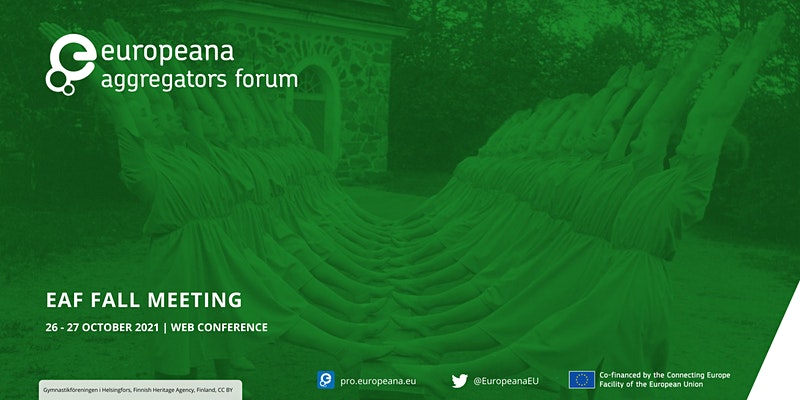 The Europeana Aggregators Forum is the network of national, thematic and domain aggregators: organizations which enable cultural heritage institutions to share their content with Europeana and open it up to new audiences. Twice a year all of them meet to exchange experience, present projects and align coordination, in sight of maintaining an effective aggregation ecosystem to support the development of Europeana.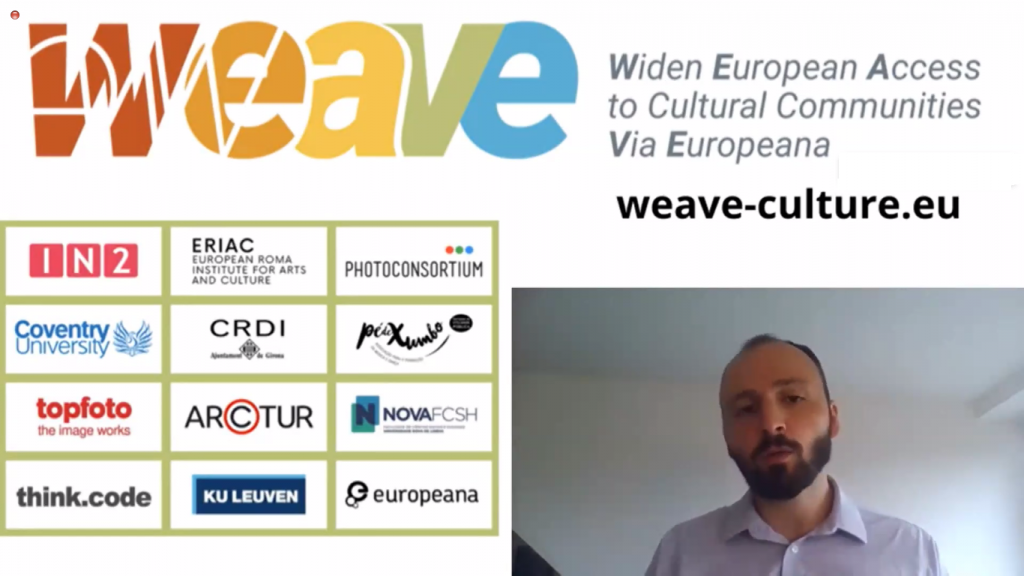
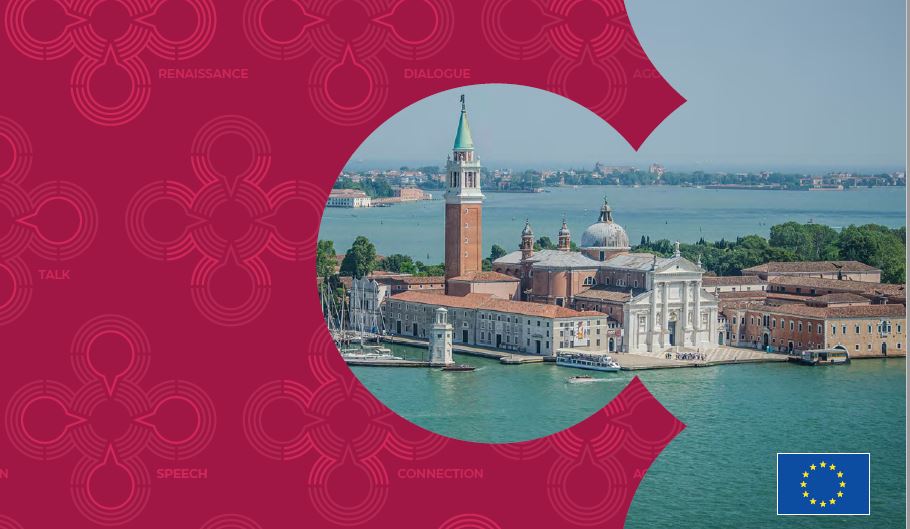 On 21st-24th September the city of Venice hosted the 2021 edition of the European Cultural Heritage Summit. The Venice Summit offered a platform to celebrate excellence in cultural heritage skills and to discuss Europe’s recovery and its future. It was organised by Europa Nostra – the European Voice of Civil Society Committed to Cultural Heritage – during the Slovenian Presidency of the Council of the EU, with the support of the European Union and the patronage of the European Parliament, through the Creative Europe and Horizon 2020 programmes, as well as in collaboration with other European and Italian partners. The event was run in a hybrid format, with a limited number of stakeholders on-site and a wider audience connected virtually. The main outcome is represented by the Venice Call to Action: “For a New European Renaissance”, a document that puts forward 12 concrete and actionable proposals with the aim of including the potential of cultural heritage in the key priorities of the European Union and the United Nations’ Sustainable Development Goals.
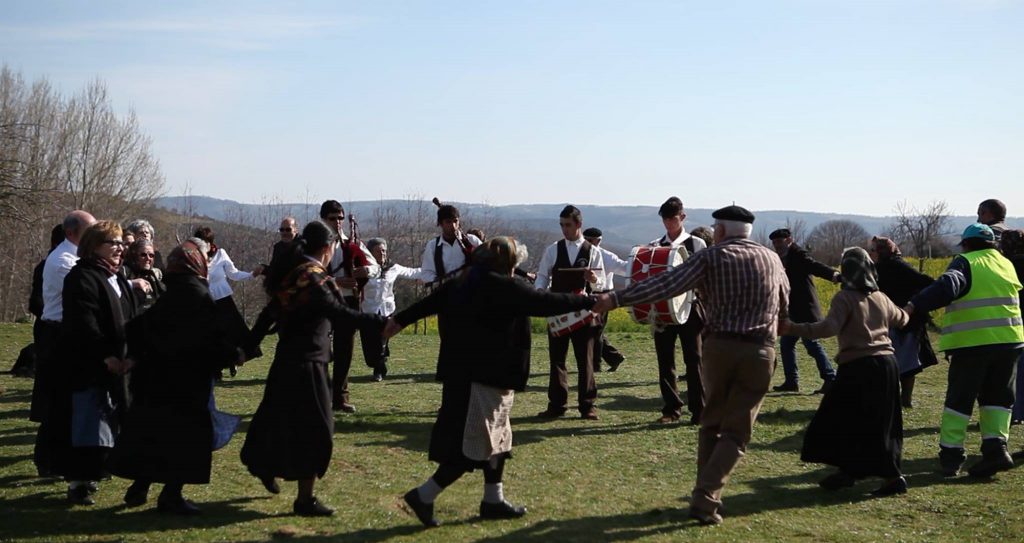
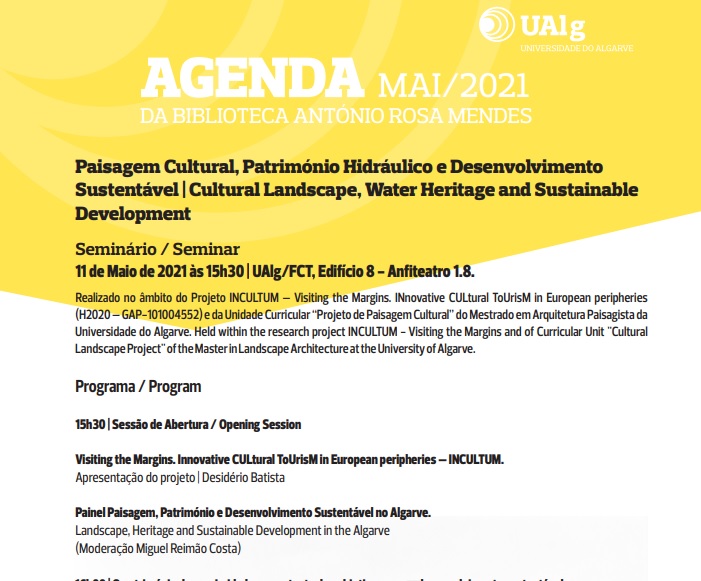
 INCULTUM is a three years H2020 project dealing with the challenges and opportunities of cultural tourism with the aim of furthering sustainable social, cultural and economic development. It moves from the assumption that travelling is a way to learn and improve oneself, to enrich one’s vision and improve mutual understanding.

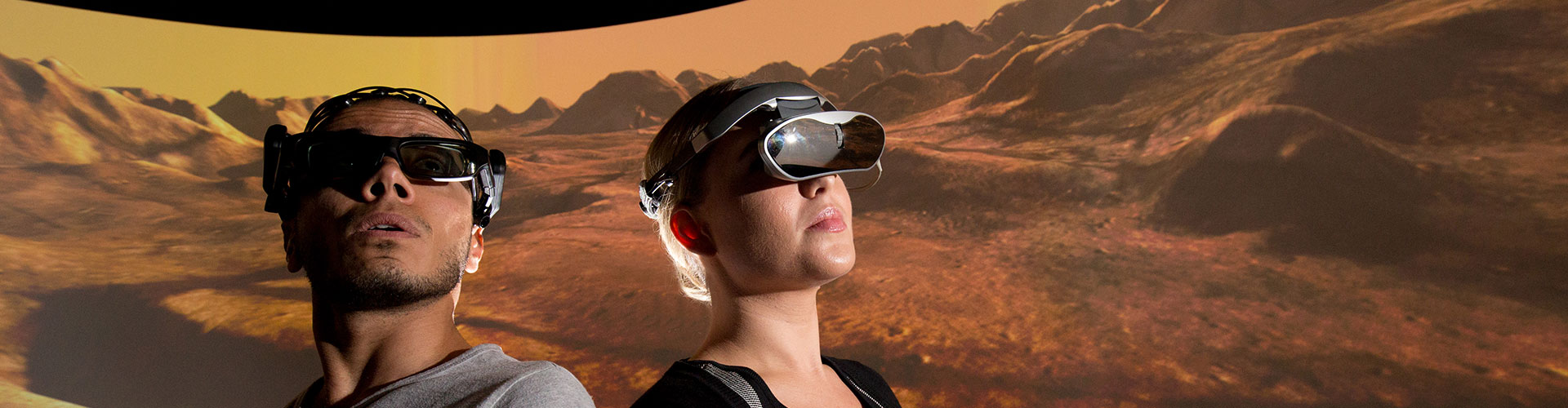 This event will explore the applications of digital and virtual reality techniques for experiencing, preserving, and understanding ancient cultural heritage. It will cover a range of digital methods and their application to heritage-related pursuits, with specific focus on the domain of Virtual Heritage. It will bring together practitioners, researchers, educators and developers with a shared passion for the deployment and usage and continued exploitation of digital technologies for the benefit of the world heritage. The event will be the occasion to present experiences, storytelling, digital heritage projects and case studies promoting collaborations between civil society and Institutes of research.