

ReInHerit – Redefining the future of cultural heritage is a H2020 Project , Coordinated by Bank Of Cyprus Cultural Foundation, with the aim of connecting the collections and sites of the European tangible and intangible cultural heritage and presenting it to citizens and tourists.
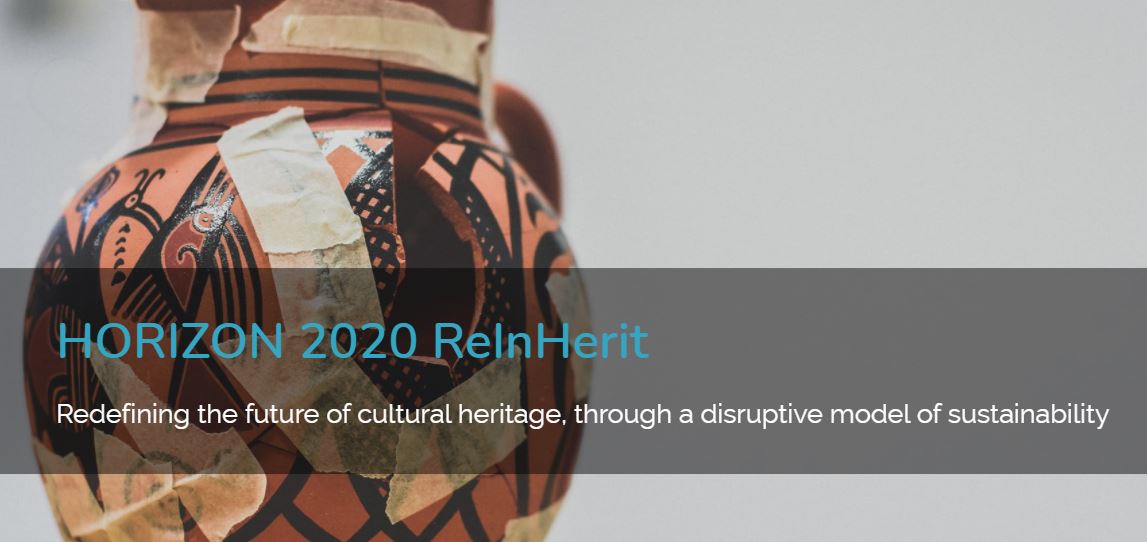
The project proposes an innovative model of sustainable heritage management, based on a digital cultural heritage ecosystem (Digital Hub) .
Through the activity of its 7 Work Packages, it will provide innovative technological solutions to communicate, experiment, innovate and disseminate the European cultural heritage and enable the creation of a dynamic European digital network.
Tools and resources (on tourism, conservation, preservation, training…) will be shared through a digital platform and the key stakeholders (policy makers, museums, heritage sites, professionals and communities) will have an open and collaborative space to communicate, experiment, share, innovate and disseminate European cultural heritage.
The main objectives of the project:
- Create an open design space (Digital Hub)
- Identify short-, mid- and long- training needs
- Build a knowledge base
- Increase public awareness on European cultural heritage
- Facilitate the co-creation of cultural content
- Increase innovation potentials of small and medium-sized cultural heritage organisations
- Reduce intrinsic limitations of the sector which hinder the individual efforts of cultural organizations for sustainable development
- Reinforce low environmental impact of infrastructure
- Develop an updated agenda
ReInHerit recently launched two surveys, addressed to professionals working on cultural heritage and visitors of cultural heritage sites, whose findings will be used as a guide for the development of the ReInherit digital platform.
Learn more on ReInHerit at https://reinherit.eu/


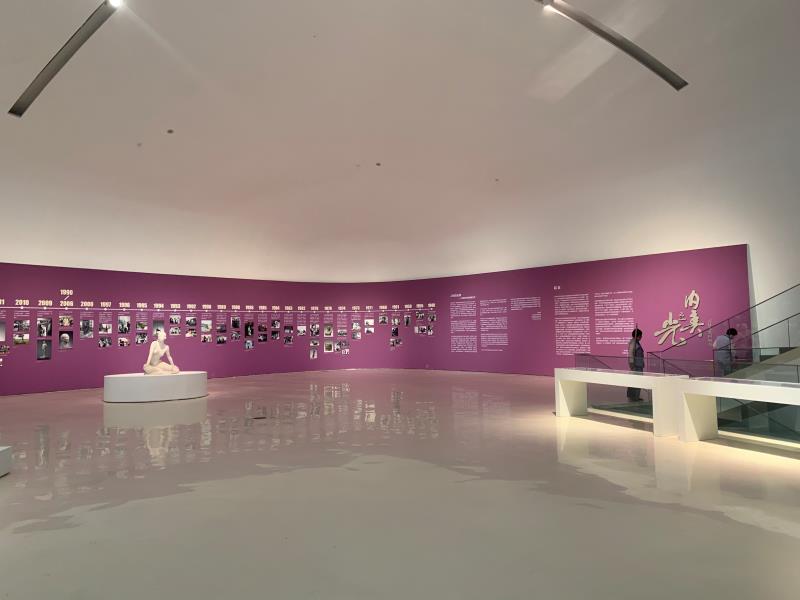
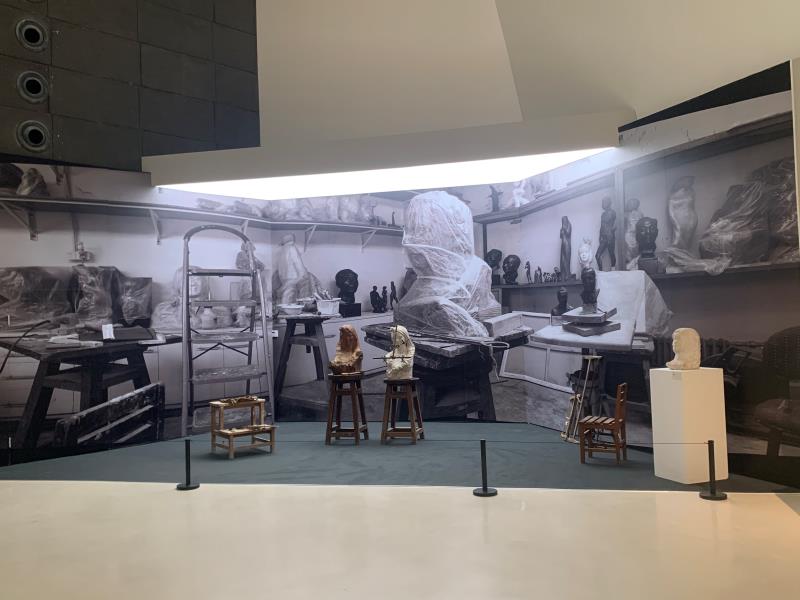
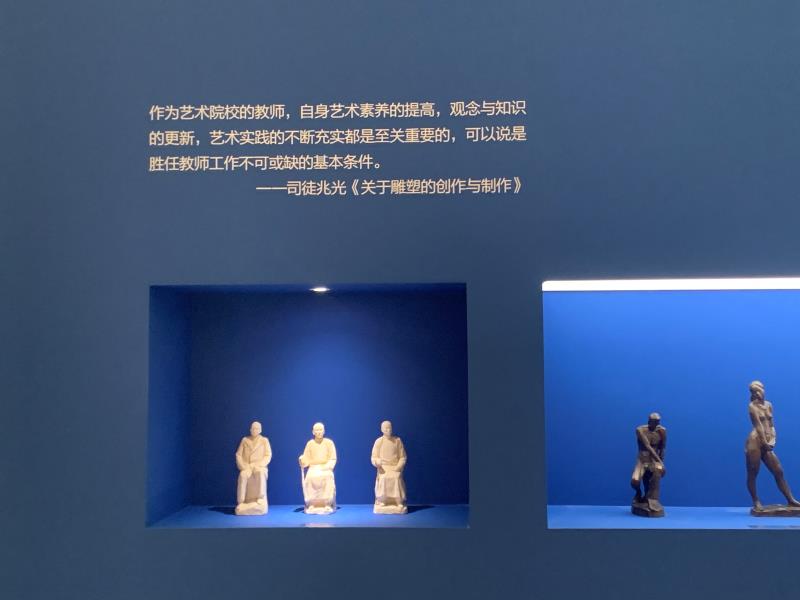
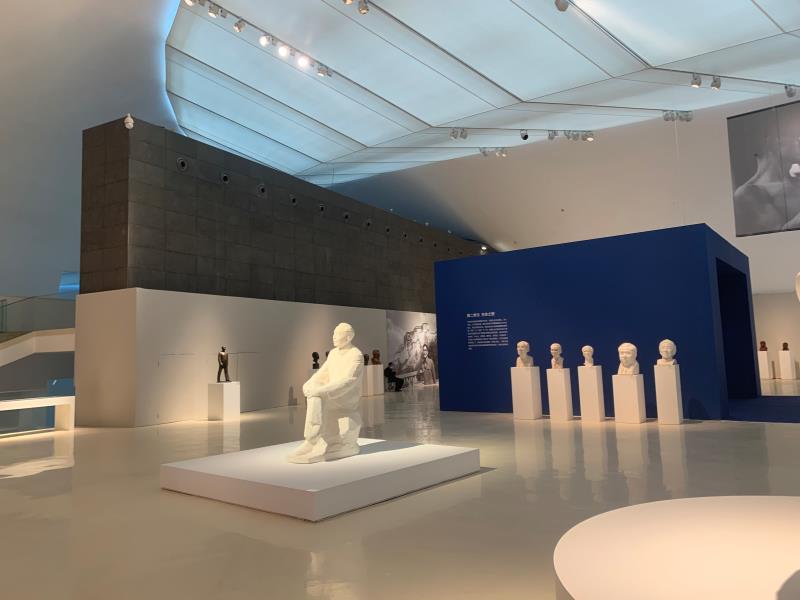
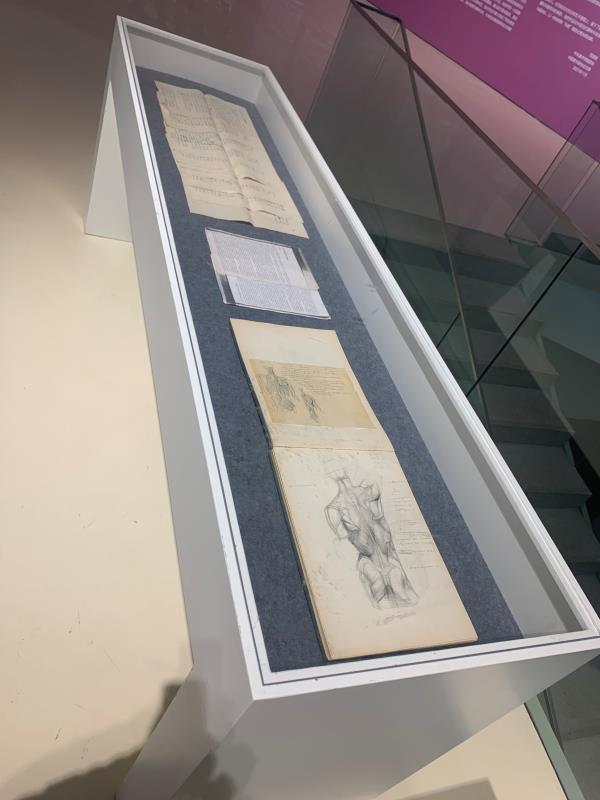
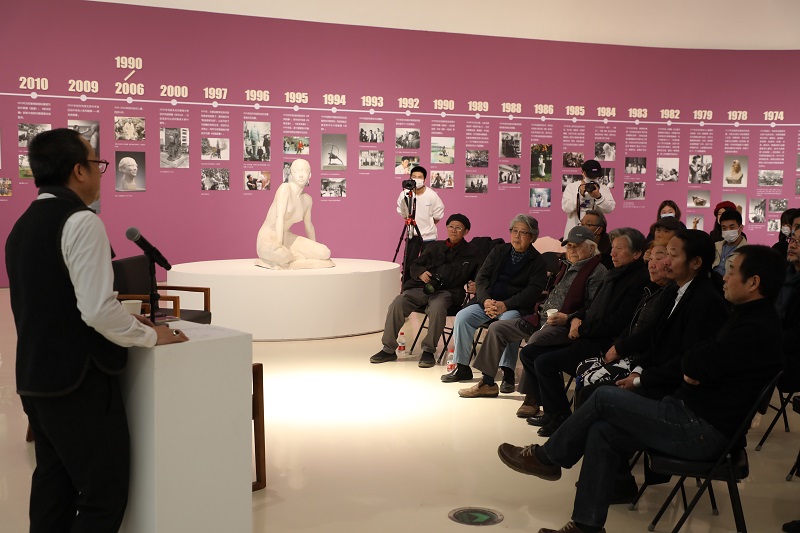
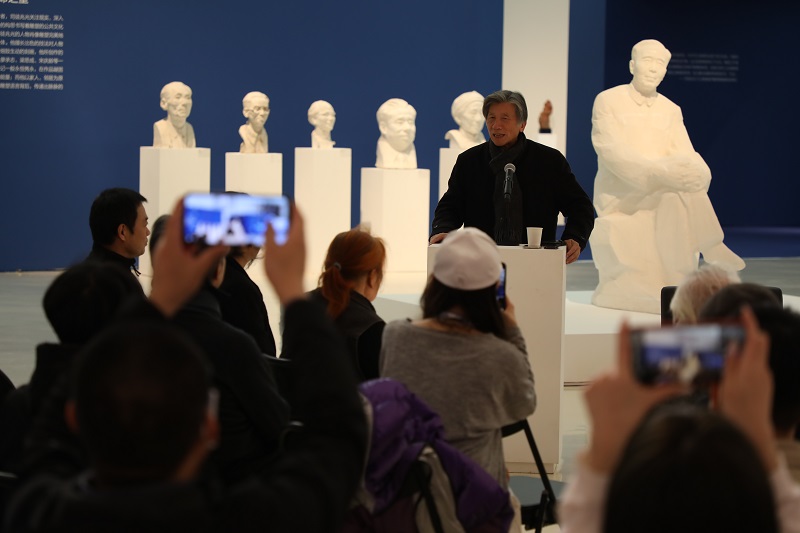
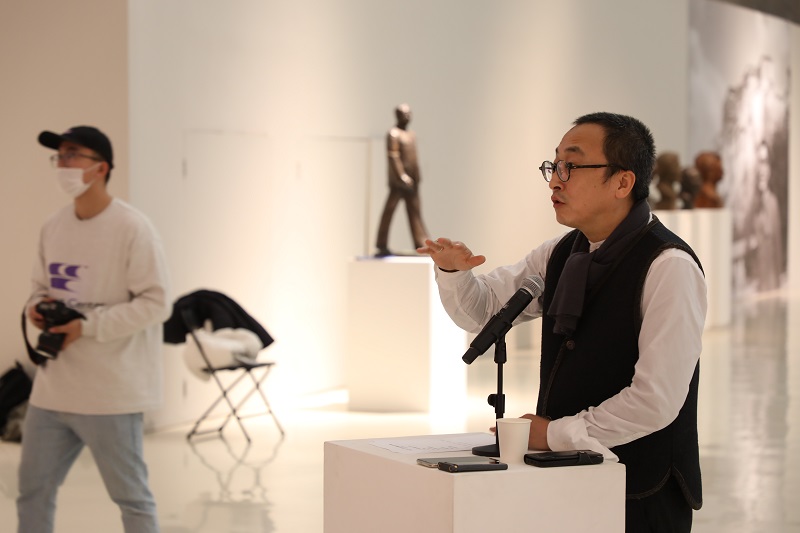
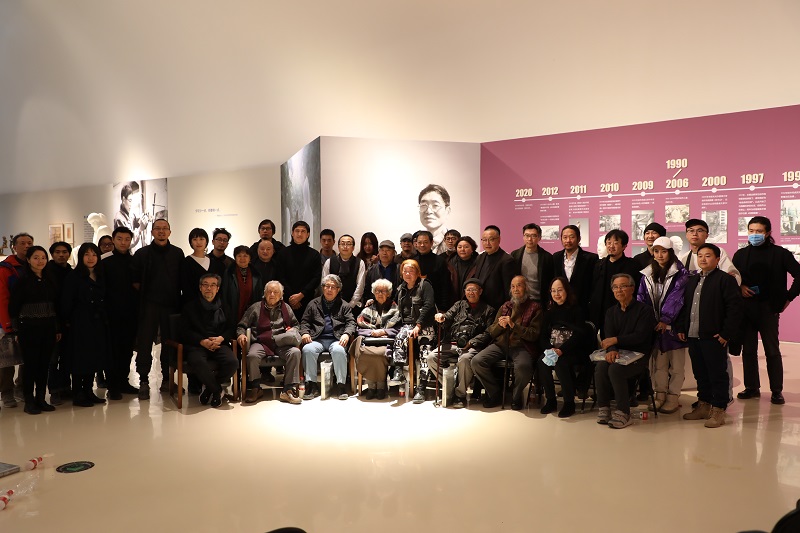
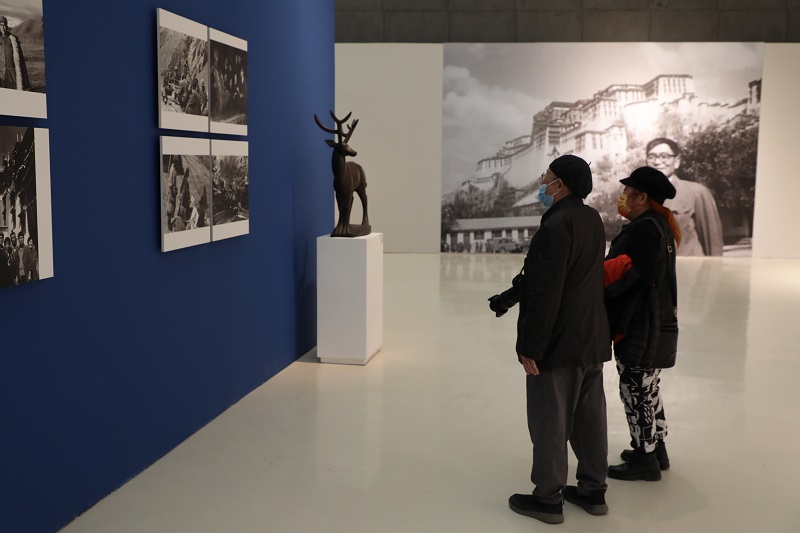
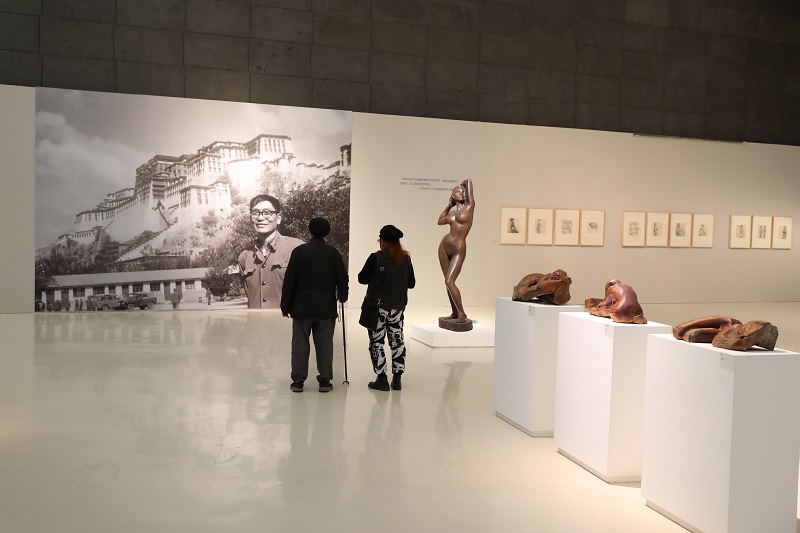
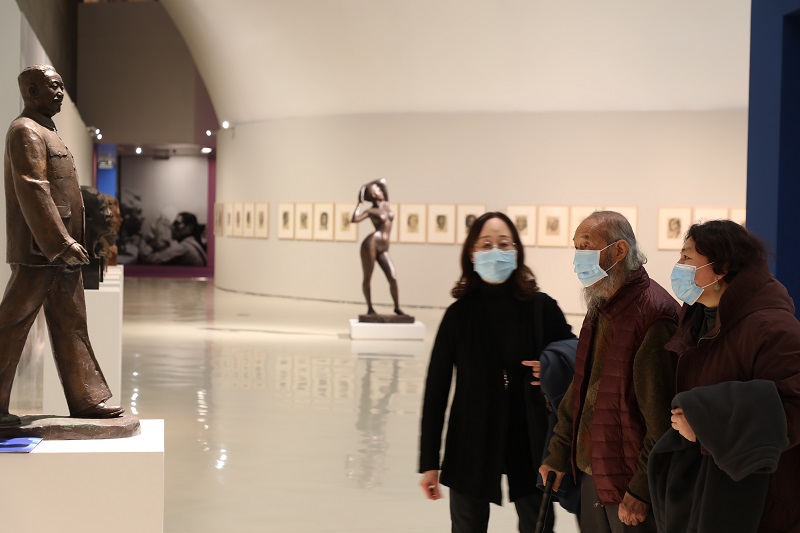
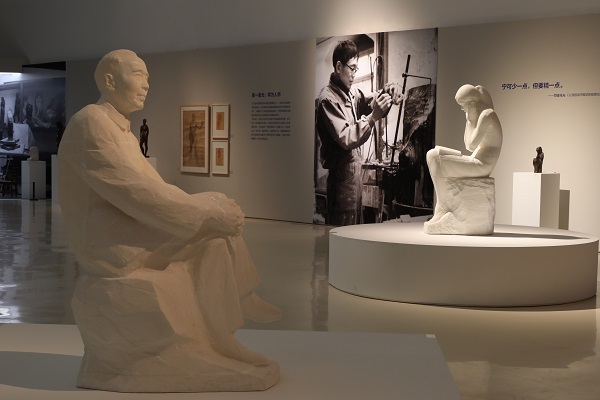
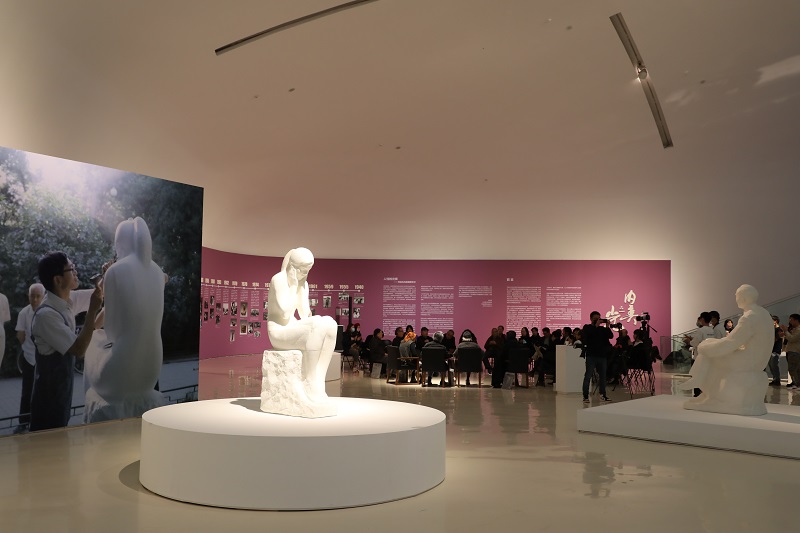
 Situ Zhaoguang is one of the most renowned sculptors of China.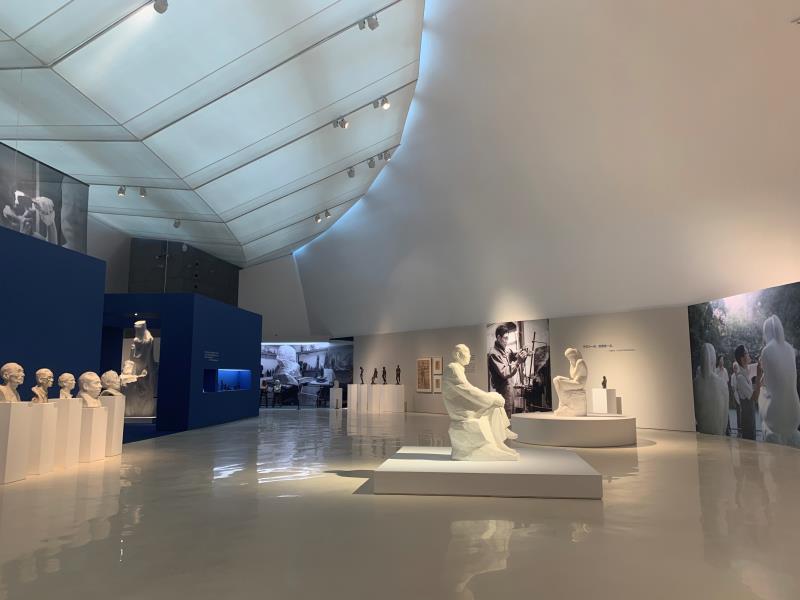


 ARCH (Saving Cultural Heritage) is an EU-funded H2020 project focused on preserving areas of cultural heritage from the dangers and risks of climate change.