


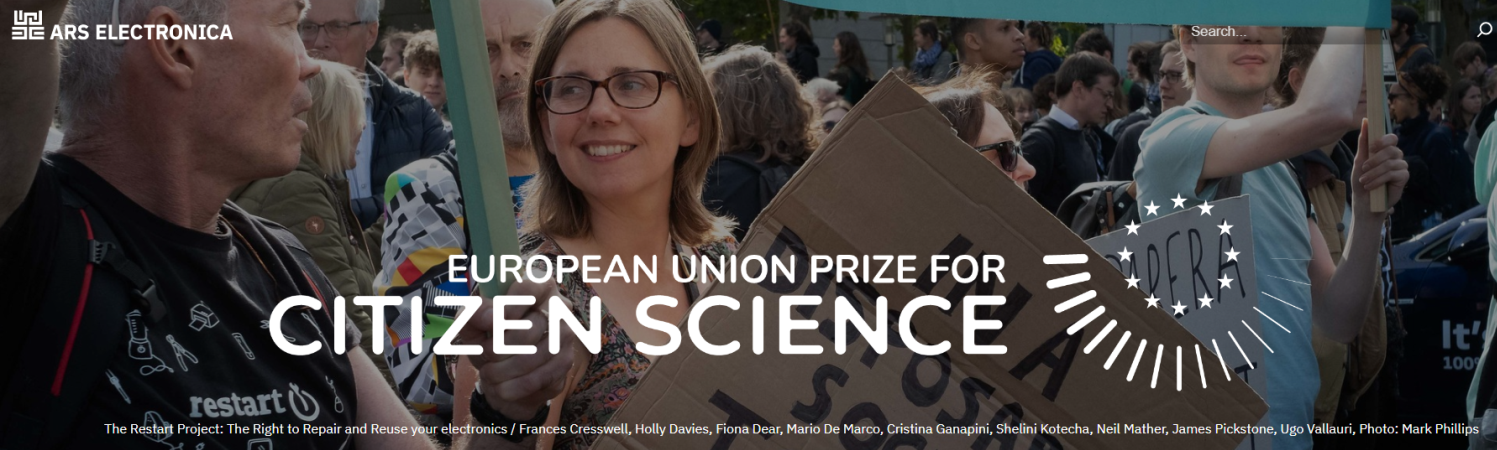
 Citizen Science makes a significant contribution to a vibrant civil society – and this is fortunately also being perceived by an increasingly broad public. The European Commission wants to further promote this development and underline the importance of Citizen Science, not least for the sustainability of our society. The new “European Union Prize for Citizen Science”, which was awarded for the first time in 2023, is an expression of this concern. The annual prize recognizes outstanding initiatives that put research, innovation, commitment and creativity at the service of our society, empowering us as individuals and strengthening us as a community, and whose social and political impact advances the further development of a pluralistic, inclusive and sustainable society in Europe.
Prize money totaling 100,000 euros will be awarded. The winners can look forward to the “European Union Prize for Citizen Science – Grand Prize”, endowed with 60,000 euros, as well as two further awards and prize money of 20,000 euros each: The “Diversity & Collaboration Award” honors projects that promote diversified participation and social inclusion and advocate for cultural diversity, while the “Digital Communities Award” recognizes initiatives that use digital technologies to educate and strengthen communities while also driving digital transformation in the field of Citizen Science.
Deadline for submissions: 11 March 2024
Read more and apply: https://ars.electronica.art/citizenscience/en/
The winners will be announced in June 2024. The official award ceremony will take place during the Ars Electronica Festival (September 4-8, 2024), where the most innovative Citizen Science projects of 2024 will be presented in exhibitions. The European Commission has entrusted Ars Electronica in Linz with the task of staging this prestigious and highly remunerated competition. The Citizen Science Award is embedded in the large-scale IMPETUS project.





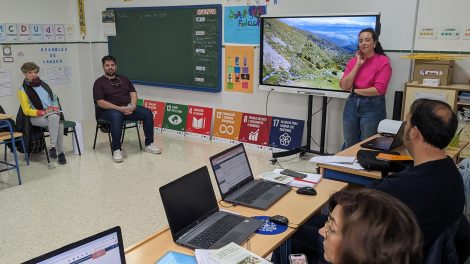
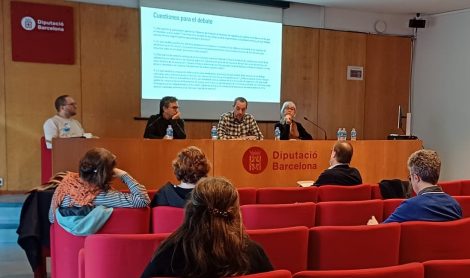
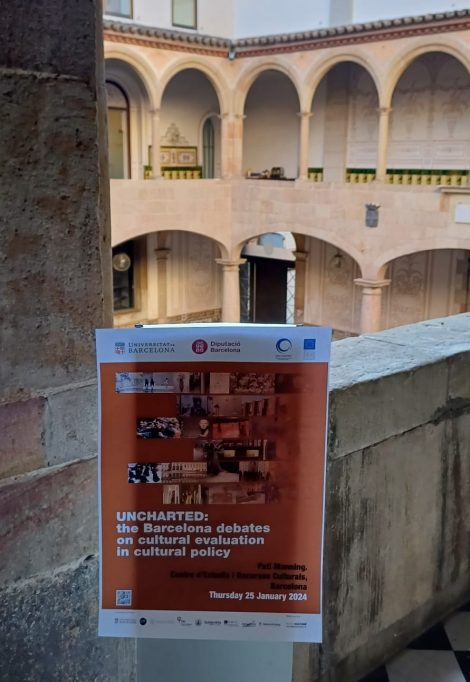 The last event organised by UNCHARTED took place in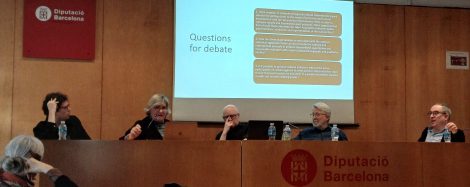




 This book has been developed within the framework of the INCULTUM project, funded by the European Union’s Horizon 2020 research and innovation programme.