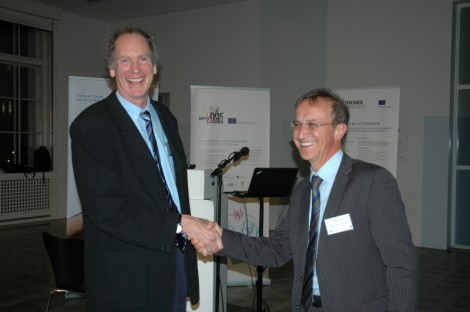
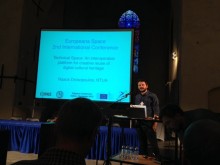
Represented by the gracious cornflower, the national symbol of Estonia, the II Europeana Space International Conference took place in Tallinn on 10-11 December 2015.
This event, organized by the Estonian Ministry of Culture, intended to generate new perspectives for the wider re-use of cultural heritage and contemporary practices within a framework of creative experimentation and novel dialogue between multidisciplinary sectors. Next to interesting keynote speakers and round tables, the conference focused on the lessons learnt in the development of the project’s outputs and on moving towards sustainable results.
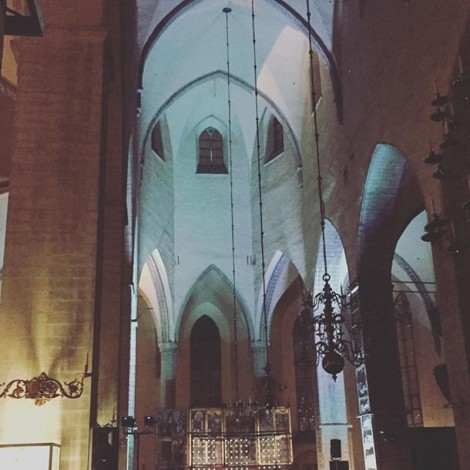 The conference was hosted at the astonishing location of the Niguliste Church in the Old Town of Tallinn. The Church was turned in a museum and also used for conferences and as a concert hall. Among other artworks, it hosts the exceptional Altarpiece by Herman Rode, one of the masterpieces in Estonian cultural heritage.
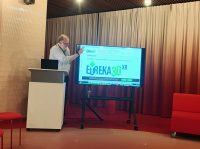
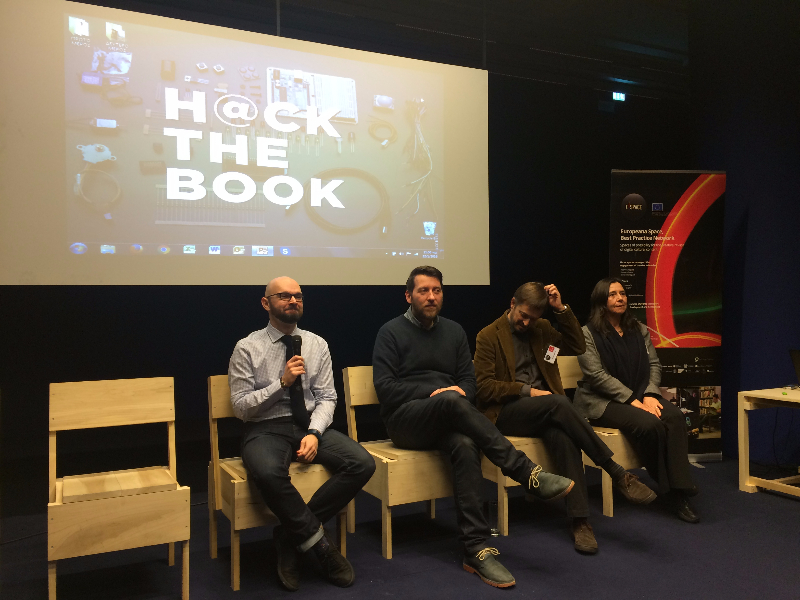
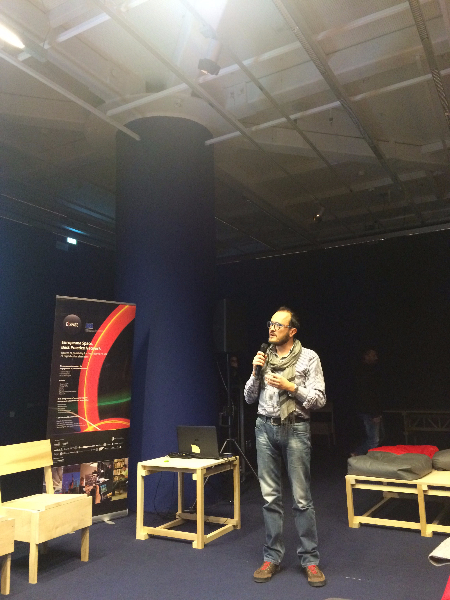
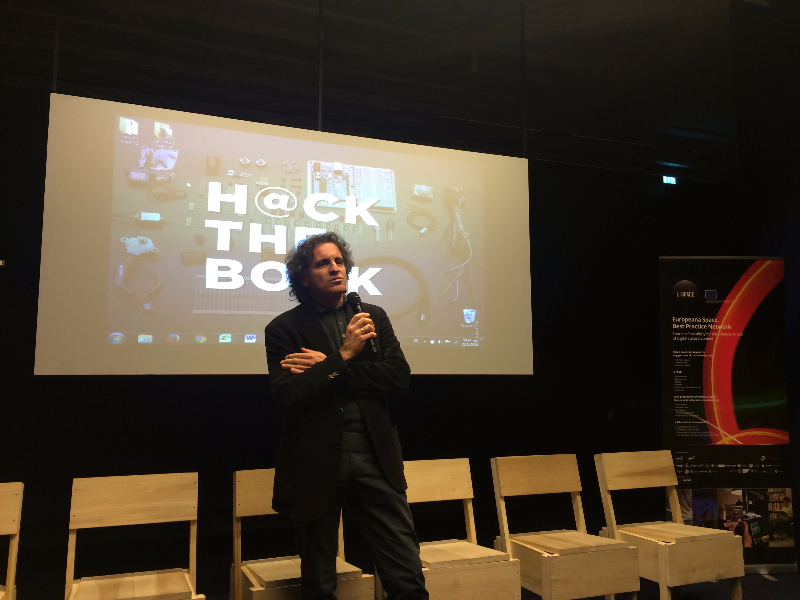
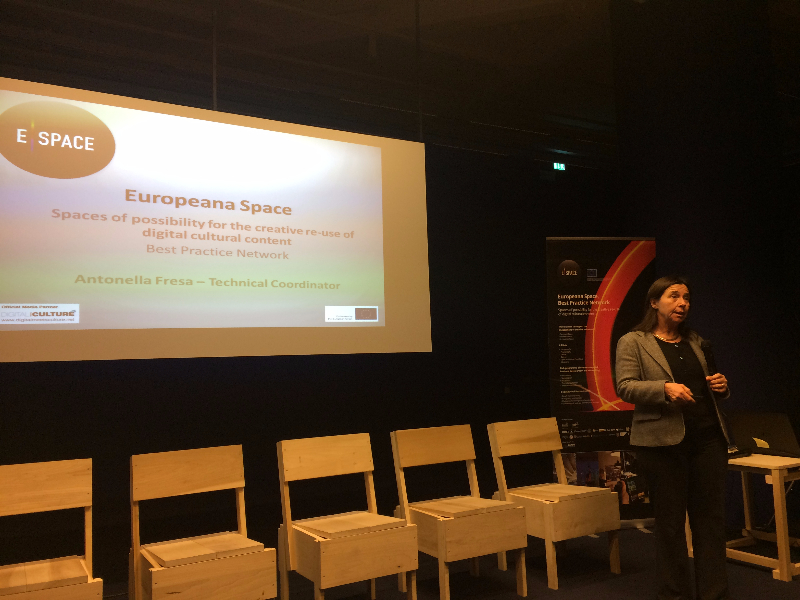
After the official opening by Estonian institutions and the welcome speech by the Project Coordinator Sarah Whatley, keynote speaker of day 1 was Mark Coniglio of Troika Ranch, internationally recognized as a pioneering force as an artist, technologist and as a teacher, with an inspiring speech on how creativity and collaborative practice in the artistic field (but not only there) fuels invention and offers the possibility to radically transform appropriated materials into something genuinely new. After that, Milena Popova (Europeana Foundation) and then project’s and Pilot’s representatives discussed on how to boost re-use of digital cultural heritage, in a round table chaired by Antonella Fresa (E-Space technical coordinator).
A networking session and a jazz concert happily concluded the day.
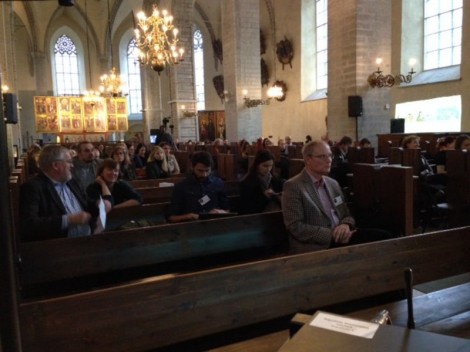
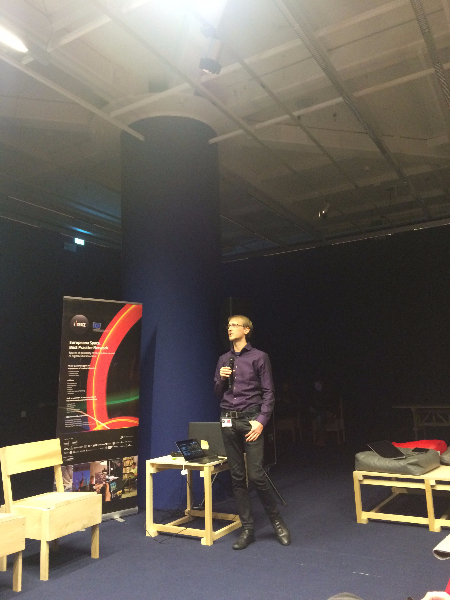
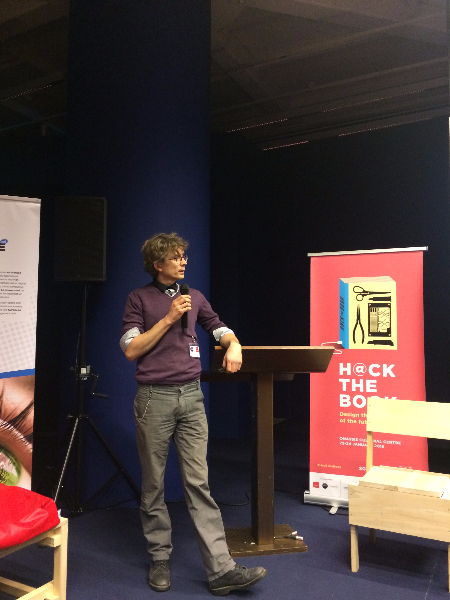
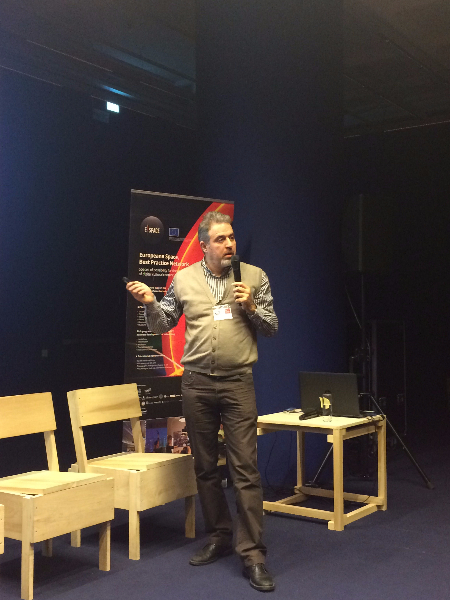
On the second day, heritage and creativity were the keywords. Speeches from international experts explored different aspects of the same topic: Monika Hagedorn-Saupe (SPK) discussed on digitization and its potential to encourage creativity and new cultural experiences in museums, Fred Truyen (KU Leuven) tackled the educational side of Europeana Space, presenting the upcoming MOOC Modular Open Online Course, and eventually Nasos Drosopoulos (NTUA) showcased E-Space interoperable platform for creative reuse of digital cultural heritage.
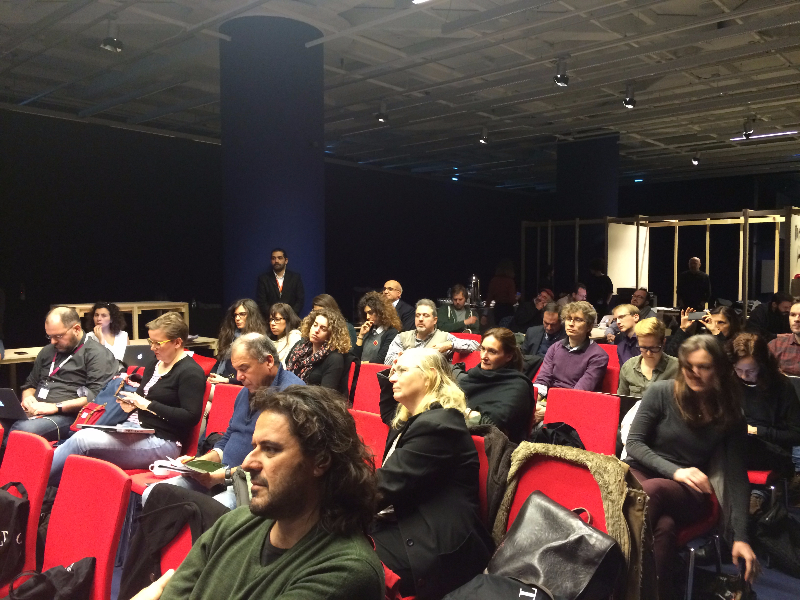
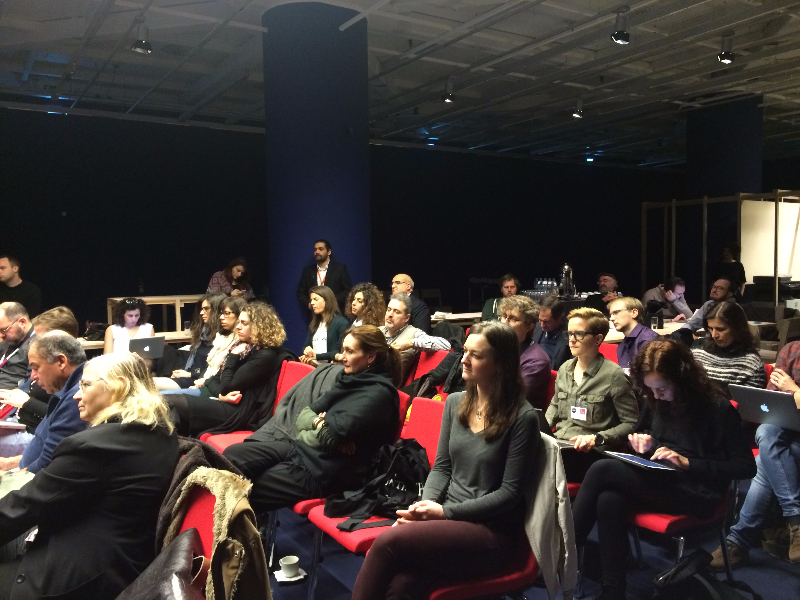
A final session chaired by Luigi Perissich (Confindustria Servizi Innovativi e Tecnologici – Italian technology Platform Future of Internet) was focused on creativity as an opportunity of growth in the cultural sector, including a speech on the digital single market strategy by Silver Tammik (Estonian Ministry of Economic Affairs and Communications) and a final round table of experts, fostering interaction with the audience.
Details of the programme, the programme commitee, the complete list of speakers with biography and (coming soon) the slides they presented is available at http://tallinnconference2015.europeana-space.eu




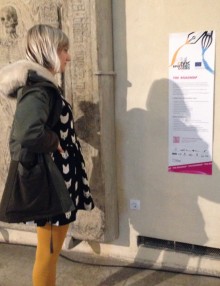
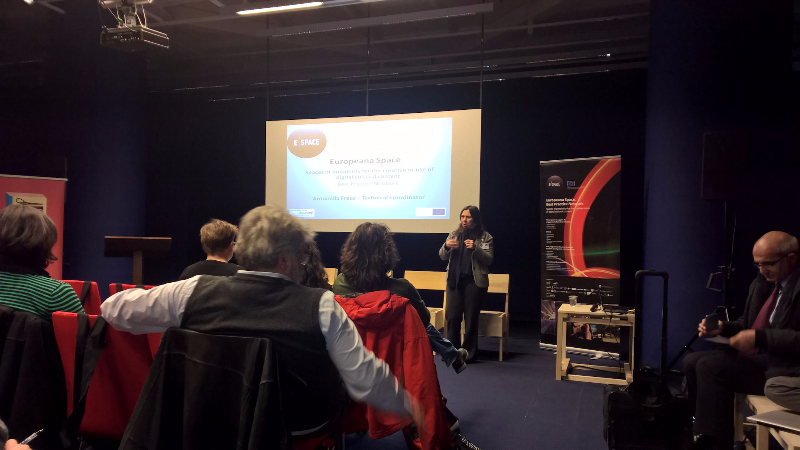
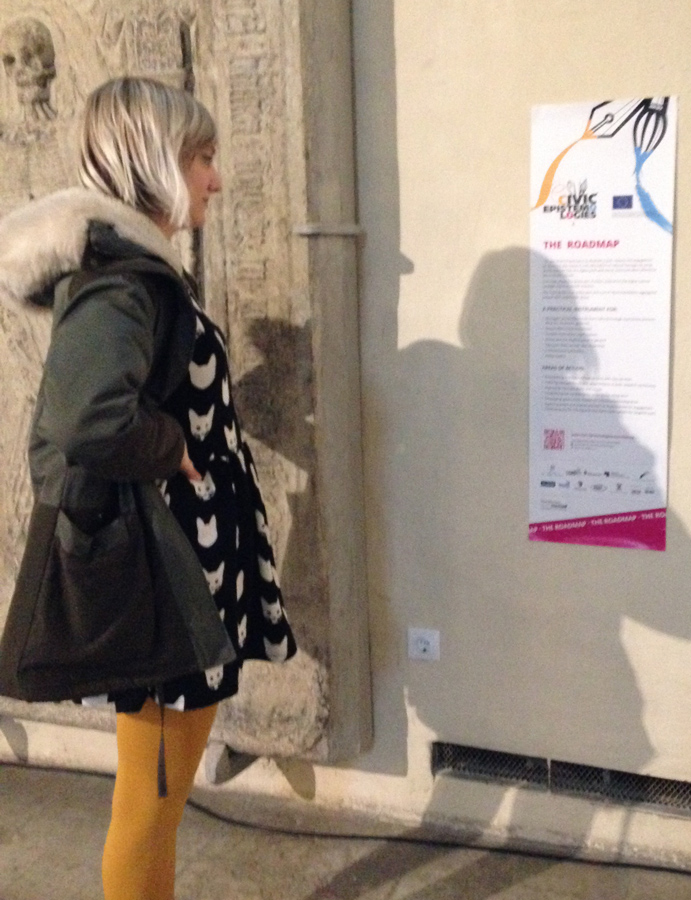 The CIVIC EPISTEMOLOGIES project, represented by the Technical Coordinator, Antonella Fresa, had presented the new Roadmap’s poster, that the Consortium has developed to continue the dissemination of the project also after the end of the funded life.
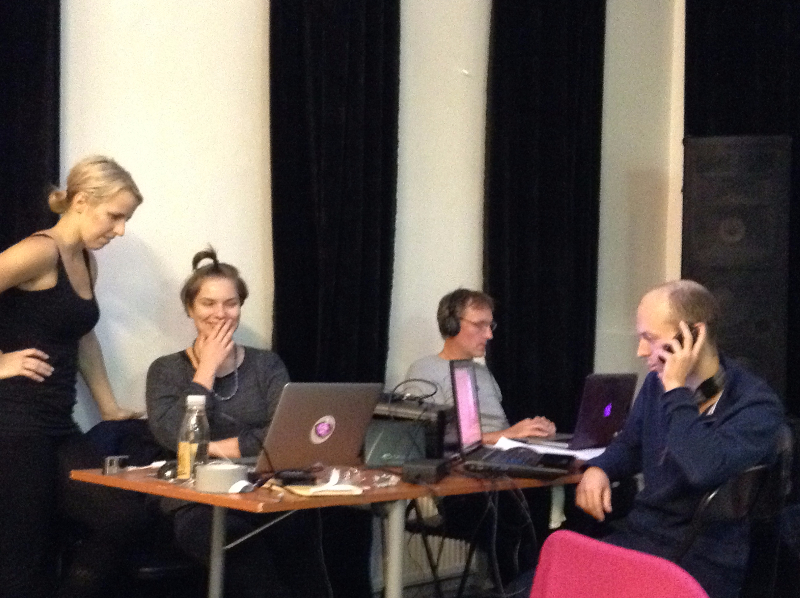
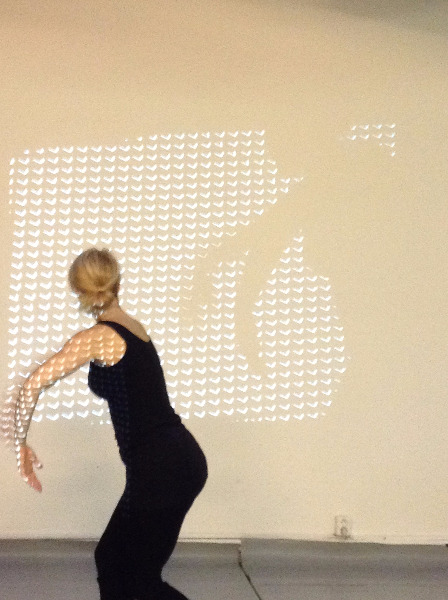
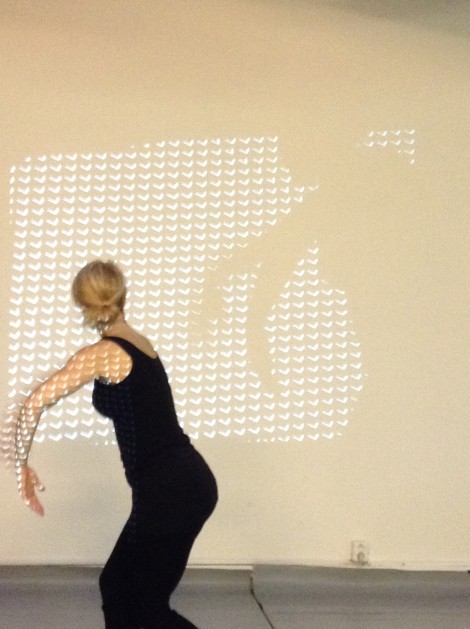 The Dance Pilot tools,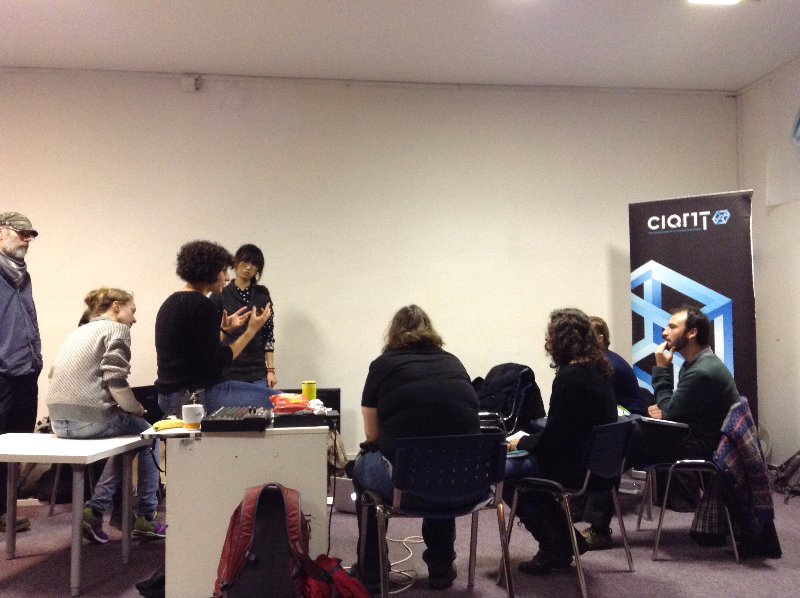
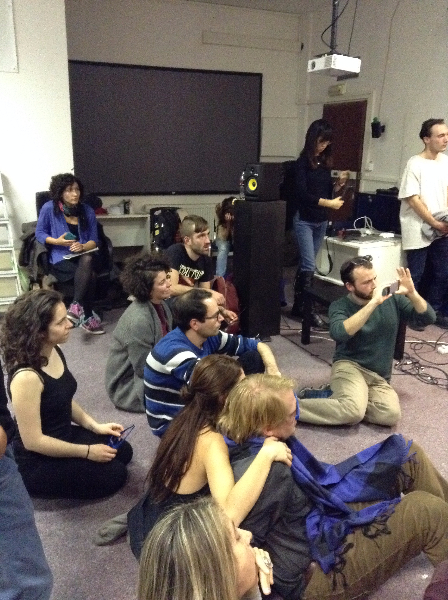
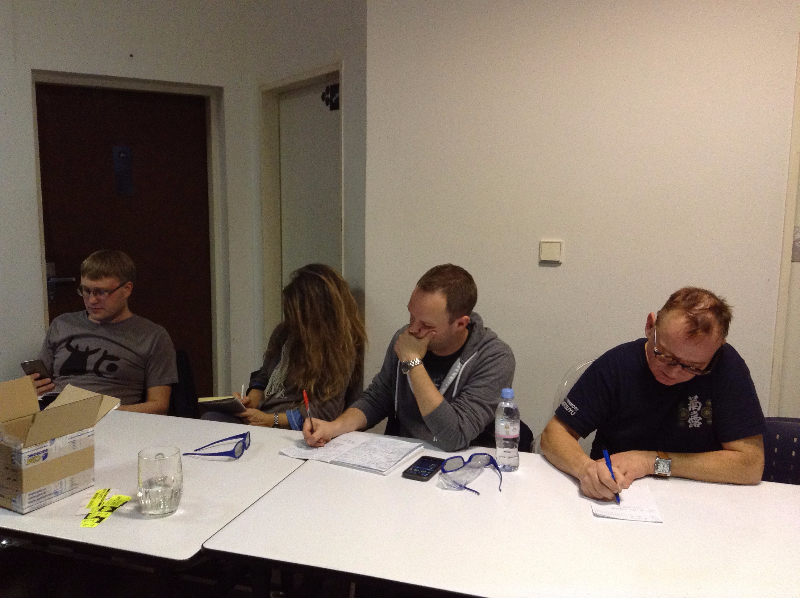
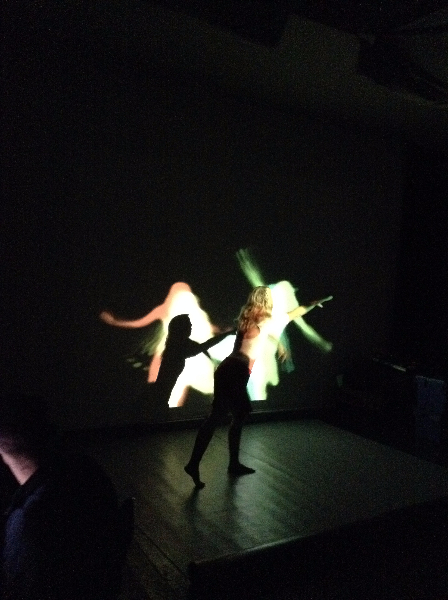


 BenchmarkDP (
 PREFORMA (

 Applications are invited from candidates who possess the necessary qualifications in order to fill one (1) full time Marie Curie Early Stage Researcher (ESR) Fellow Position in the Digital Heritage Research Lab of the Cyprus University of Technology (CUT) in the research fields of 2D/3D/4D Digitalization (automated methodologies for 2D and 3D data acquisition: photogrammetry, Laser Scanning, depth camera sensors, SfM etc.), Computer Vision (Image processing, geometric invariant visual features, data-preprocessing/filtering, Pattern recognition), Computer Graphics (modeling), Metadata enrichment for tangible and intangible Cultural Heritage, Big Data and Cloud Computing applications.