

 The e-Learning department of the institute for computer science and control, Hungarian Academy of Sciences, MTA SZTAKI has contributed to get closer to REACH opening conference by charging the upcoming event on its new software for smart phones, tablets,iOS and android platforms.
The App, that can be used offline, it is available in English, German and Hungarian languages.
– Download GUIDE@HAND from http://www.guideathand.com
– Install the App to your mobile device
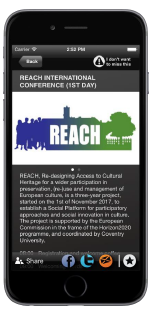
– Click on the “events” button to get any type of information regarding the REACH interesting programme of the conference: data sheets, venue, map and reminder service.
 The eLearning department of MTA SZTAKI is a REACH Project partner and its main activities are focused on:
– Applied research, professional consultancy
– Web and mobile application development, innovation
– Courseware development, training
– Co-ordination and participation in complex domestic and EU projects
For more details:
http://www.guideathand.com

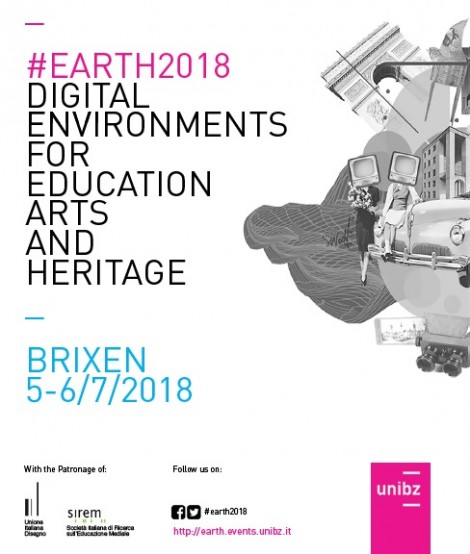 The meanings that are defined in relation to the concept of heritage as well as the methods and tools for exploring cultural heritage have changed and expanded. In this context, information technologies offer new semantic spaces and action boundaries to experiment with different approaches to heritage education. This determines an increasingly complex intertwining of media and environments with the consequence that any artifact can be configured as a digital ecosystem. In this sense, virtual museums, multimedia installations, interactive technological platforms, as well as apps, serious games and immersive realities, are some of the possible variations of the digital environment in which to place innovative modes of education to tangible and intangible heritage. Collective and connective intelligences enter into a relationship to build new experiences with art and heritage towards an awareness of the protection of the creative expressions of civilizations.





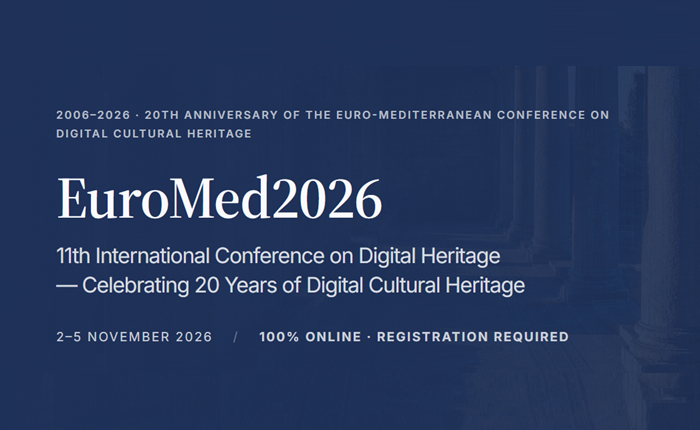
 About the conference



For two decades, EuroMed has provided an international forum where researchers, cultural heritage professionals, museums and memory institutions, technology experts, industry, educators and policymakers come together to exchange knowledge and shape the future of Digital Cultural Heritage. EuroMed2026 continues the … Continue reading
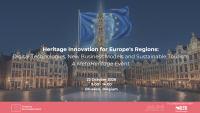
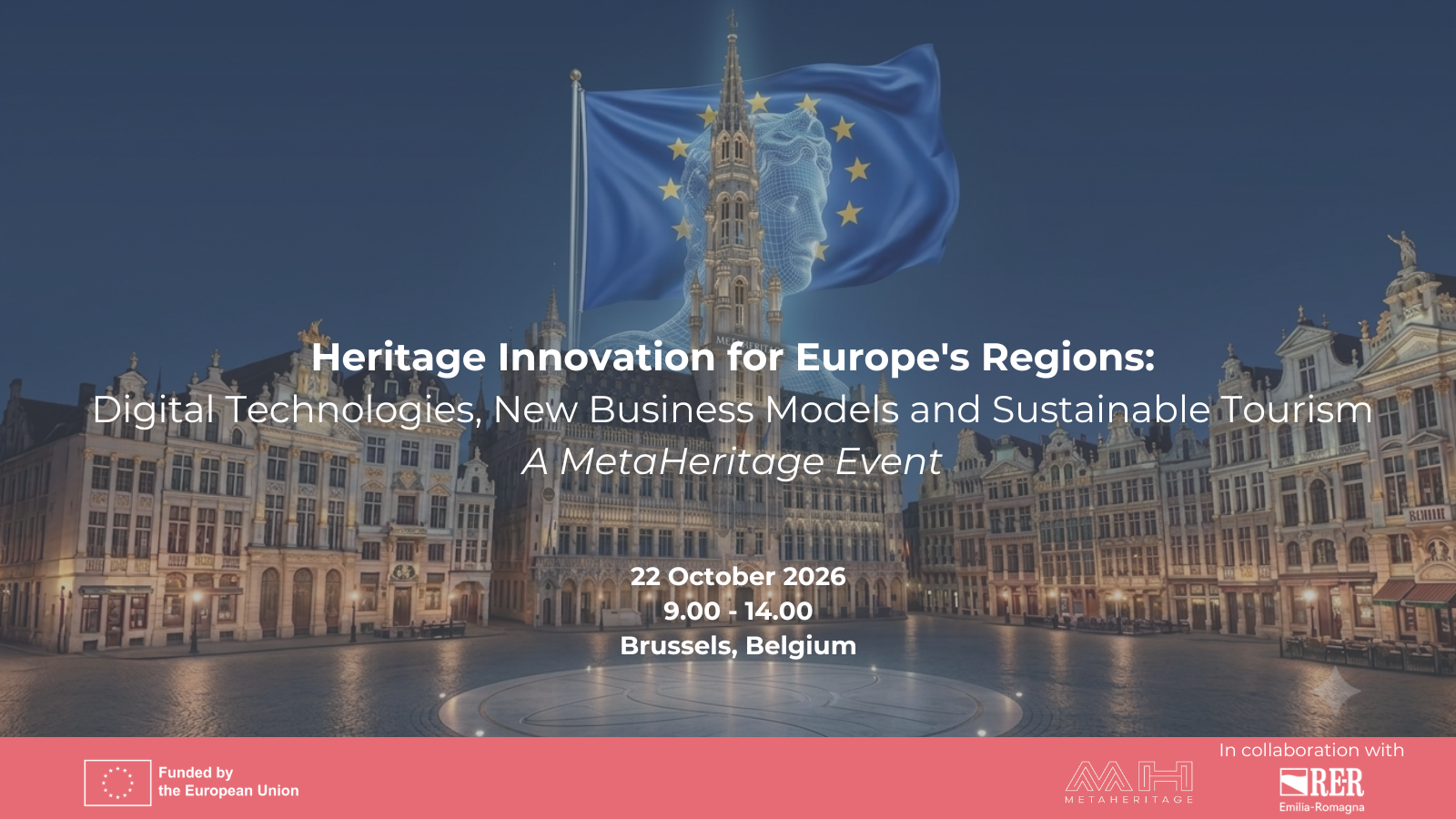
On October 22nd (9am-2pm)in Brussels, MetaHeritage will host its final event Under the title “Heritage Innovation for Europe’s Regions: Digital Technologies, New Business Models and Sustainable Tourism”, the event will bring together stakeholders from cultural heritage, digital innovation, tourism and … Continue reading