

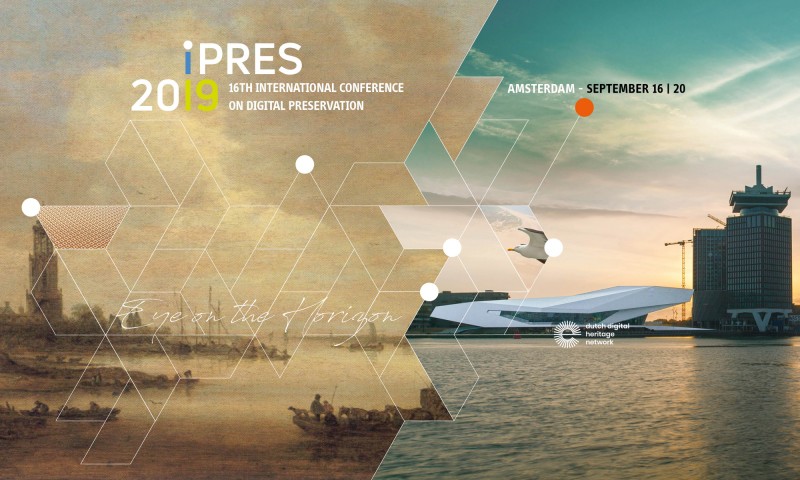
 In its 16th edition, the iPRES conference will bring together scientists, students, researchers, archivists, librarians, providers, and other experts to share recent developments and innovative projects in a wide variety of topics in digital preservation from strategy to implementation, and from international and local initiatives. Year on year the debate and research profiled at iPRES have moved digital preservation from a technology driven niche specialism of experts to a global challenge with the community to match.
iPRES 2019 is hosted by the Dutch Digital Heritage Network, a collaborative effort of a group of leading heritage institutes, helping to address the challenge of reliable access to digital resources. The ultimate goal is to develop a network of common facilities, services and knowledge base to improve the visibility, usability, and sustainability of the rich digital collections of Dutch heritage institutes. iPRES and the Dutch Digital Heritage Network are all about preserving our digital heritage for the future.
The Conference Theme is Eye on the Horizon, aiming to broaden the voices and approaches participating in the conference, reflecting the venue and looking forward to the future. The future of digital collections but also the future of the iPRES community. This main theme is subdivided into five major themes:
- Collaboration: a Necessity, an Opportunity or a Luxury?
- Designing and Delivering Sustainable Digital Preservation
- Exploring New Horizons
- Building Capacity, Capability and Community
- The Cutting Edge: Technical Infrastructure and Implementation
Information
All information regarding the conference is on the conference website www.ipres2019.org.
Registration to the iPRES Newsletter via communications@ipres2019.org
Social media: @iPRES2019 on both Twitter and Instagram.
Any questions, please contact info@ipres2019.org or contact one of the Programme Committee Chairs directly.


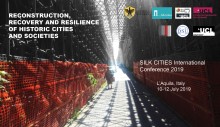
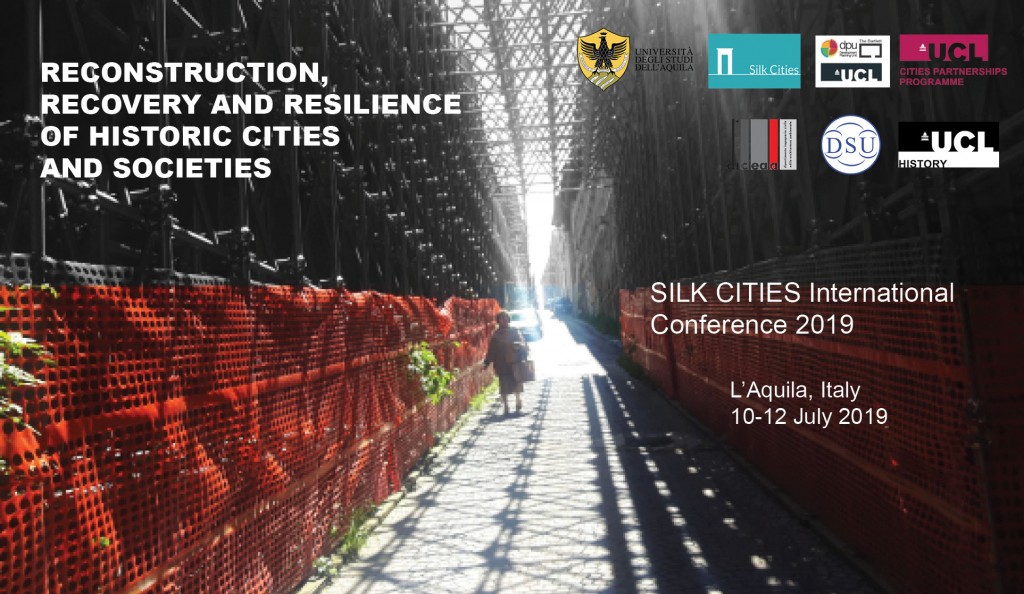 The international Conference “Reconstruction Recovery and Resilience of Historic Cities and Societies” took place in L’Aquila from 10 to 12 July 2019.
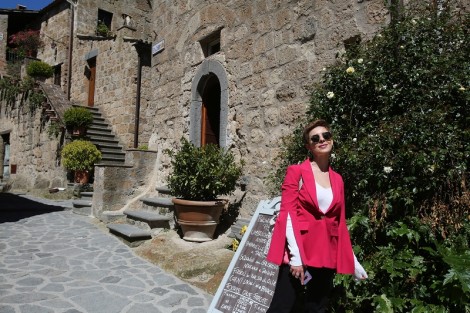 Dear readers, this time I’ll take you to a village that I consider an authentic open-air museum, where alleys, palaces, small squares and the bell tower tell us of a distant past in an extraordinary valley surrounded by gullies. When arriving at Civita, indications inform us that it is possible to download for free an APP that is a guide for the village, which I of course immediately did.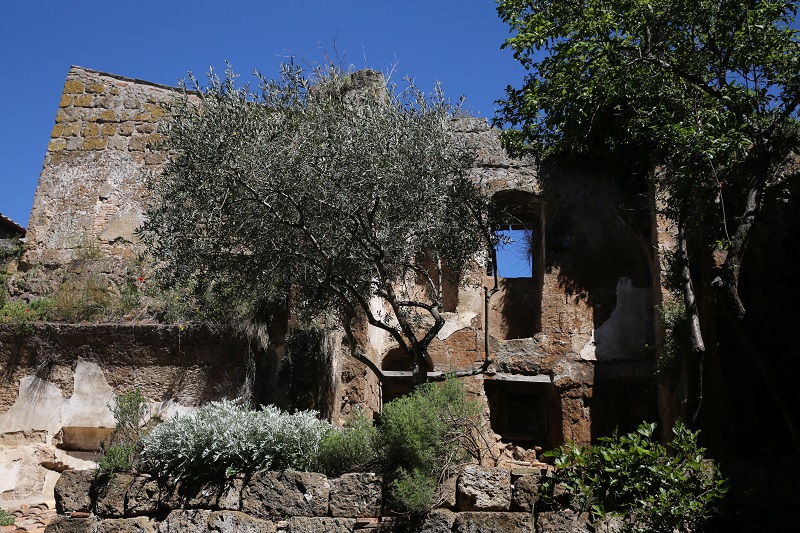

 Scientists, researchers and educators are invited to submit full papers reporting on their original and unpublished research in e-Infrastructures and computational and data-intensive sciences for e-AGE, Integrating Arab e-infrastructure in a Global Environment, the annual international conference organized by the Arab States Research and Education Network.
 The European Heritage Awards / Europa Nostra Awards are Europe’s top honour in the field of cultural heritage.
 The last April, the European Parliament and Council reached a political agreement on Horizon Europe and started to prepare the strategic planning process to identify missions and European Partnerships, major policy drivers and strategic policy priorities.
 This event is an annual policy event of the European Commission, bringing together stakeholders to debate and shape the future research and innovation landscape and it will take place in Brussels from 24 to 26 September 2019.
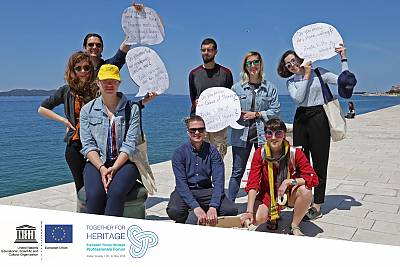 The European Young Heritage Professionals Forum was organized by UNESCO in partnership with the European Union within the joint project ‘