

 The UNCHARTED project registered two relevant developments at the end of the first year: the phase of study and elaboration carried out by of work package 1, devoted to the analysis of the configuration of the values of culture, was concluded and the one of work package 2, which aims to identify the emergence of values of culture, has produced its first outputs.
The results of work package 1 investigation is documented in six deliverables (D1.1-D1.6) disseminated between the end of 2020 and the beginning of 2021.
At the end of last January, work package 6 published the first policy brief, based on the results collected by wp1. The document, in addition to enhance the value of the contribution generated by the wp1 research, it represents the first policy brief of a series of three that the project aims to offer as guide to policy makers who have a stake in formulating or influencing policies about valuing culture in all its forms. The document highlights the tensions and conflicts that involve the plurality of values that co- exist in different cultural contexts and recommends policy makers to take into account the sources of these disagreements when develop European cultural policies at local, national and trans-national levels.
The policy brief also introduces the work carried out by work package 2. This latter is focused on the analysis of specific case studies expected to offer a better identification of the processes that bring to the emergence of values of culture. The analysis regards four fundamental arenas of cultural practice identified in the UNCHARTED project: cultural participation in live arts and culture, cultural participation through media, cultural production and heritage management, and cultural administration. These areas are the background of each specific case study conducted by the UNCHARTED Consortium. D2.1, the first deliverable of wp2, released at the end of January reports, to each of the four thematic areas, the criteria mobilized to select the case studies within each Research Plan.
The full text of D6.3 and D2.1 is available in the dissemination area of the UNCHARTED website.
Previous blog on WP1 deliverables here
More information available on the Research plan webpage

 MESOC is research and innovation action whose challenge is to develop new perspectives and improved methodologies for capturing the wider societal value of culture, including but also beyond its economic impact, to enhance the potential role of culture as element of public policy for social, cultural and political cohesion and inclusion. Leaded by a Consortium composed by 10 Partners from 7 European countries (Belgium, Croatia, France, Greece, Italy, Romania and Spain) the three years H2020 project adapts and further develops a method for “transition based” impact assessment derived from a previous
 UNCHARTED is pleased to announce the collaboration with

 EHT is a free digital newsletter for European heritage professionals. It aims to build a lasting European network by sharing knowledge, connecting people and the cultural and creative sectors.
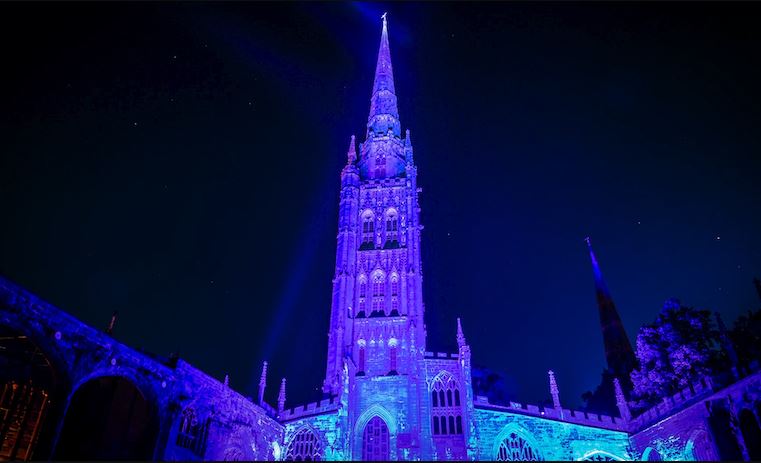 An online archive of photos, videos, maps and documents designed to celebrate the city’s heritage: this is the new initiative promoted by Coventry University in cooperation with Coventry City of Culture Trust, Culture Coventry and other partners.
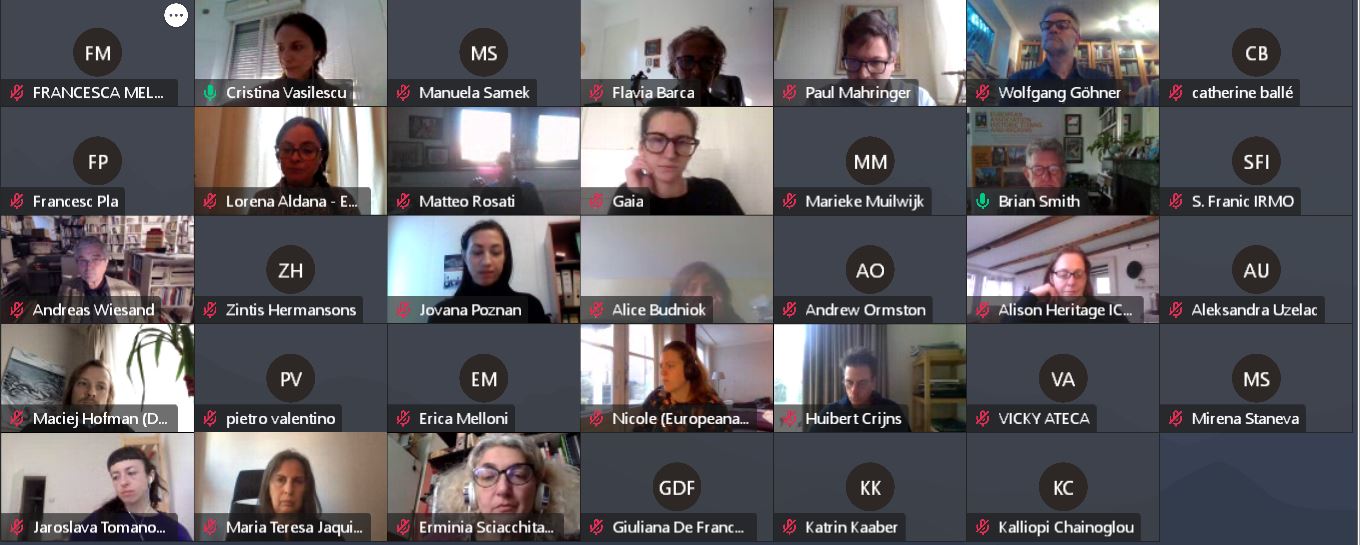 Yesterday, January 26th, it was held the final event of a 3-days online participatory initiative promoted by the HERIWELL project. In the first part of the meeting the HERIWELL team introduced the goals of the project and a brief description of the past two workshops. The presentations that followed highlighted different aspects of the impact of cultural heritage on the well being of society. A representative of the DG Education and Culture shared with the participants the EU programmes for culture and R&I. The debate was characterized by the exchange of experiences and case studies on participation and digitization applied to cultural heritage. Among others, the example of the
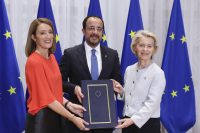
For the first time in EU history, the three EU institutions signed a joint declaration reaffirming the EU’s role in protecting cultural and linguistic diversity and integrating cultural considerations across all EU policies, while respecting national competencies. The institutions set … Continue reading
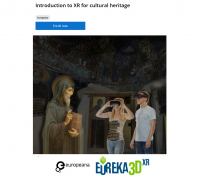
After months of careful development in collaboration with Europeana.eu, EUreka3D-XR project has just released a new self paced course on Europeana Academy, titled Introduction to XR for cultural heritage. Extended Reality (XR) is creating new opportunities for museums, archives, … Continue reading