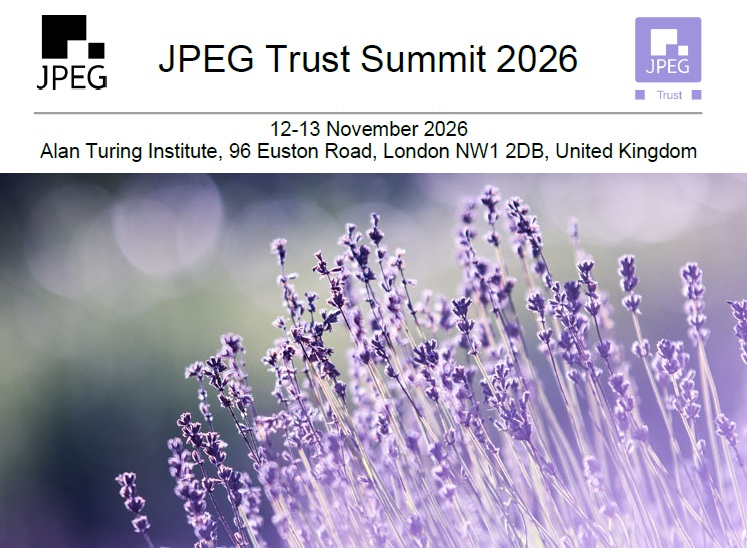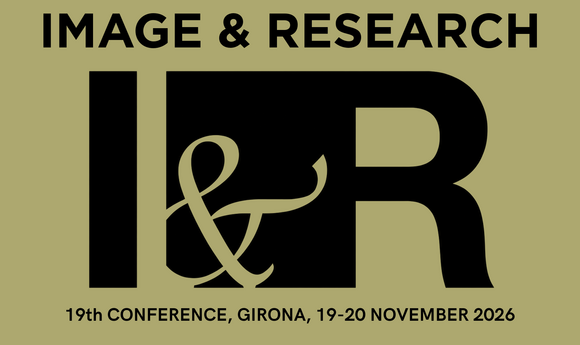


JOIN TOPFOTO: World Day for Audiovisual Heritage 2026

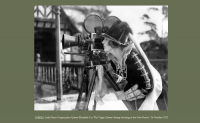
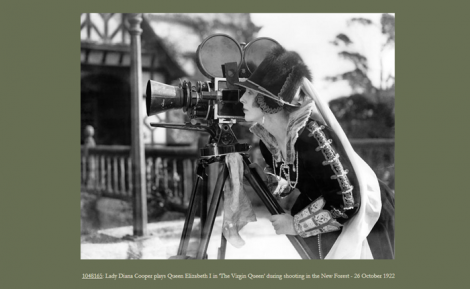
To mark the 2026 World Day for Audiovisual Heritage, prestigious British Archive TopFoto has organised an online event, “Topfoto: Past, Present and Future of Press Photography” online on Octber 27th.

The event will explore how press photographs move from newsroom to archive, and how archives help researchers uncover the people, events and stories behind the image.

The event includes a behind-the-scenes virtual tour of the Topfoto archive, exploring how historic press photographs are preserved, researched and brought back into use, followed by a screening of the acclaimed documentary The Moment of Truth and a live Q&A with Topfoto owner Flora Smith and filmmaker David Baksh.

Both sessions will examine the enduring importance of photographic archives for broadcasting, research, publishing and historical understanding.

The event is open to anyone interested in photographic history, but might be of special interest for people working in publishing, broadcasting, documentary production, picture research sectors.

View the full programme and register at this link<<<<
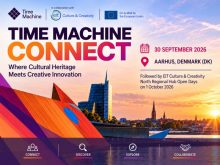

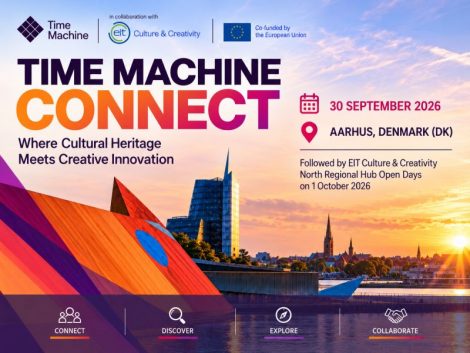
Time Machine Connect 2026

Time Machine Connect 2026 (September 30, Aarhus) brings together the Time Machine Organisation (TMO) and EIT Culture & Creativity communities in Aarhus to explore how cultural heritage data, digital technologies and creative expertise can come together to create new opportunities for innovation and collaboration.

From heritage data, 3D models and digital infrastructures to creative businesses, new technologies and innovative applications, the event will showcase what both ecosystems have to offer. And, more importantly, what they can build together.

The programme of the event is already available, and can be consulted here<<<<

Through matchmaking, lightning talks, European project showcases and a hands-on Time Atlas workshop, participants will discover potential partners, explore available resources and identify opportunities for joint projects, pilots and future funding.

Participation is free of charge, but registration is required and will be open until September 22. Register at this link<<<<


Two new Open Educational Resources available in the context of EUreka3D-XR project

Developed by project partner Bibracte in the context of EUreka3D-XR, two Open Educational Resources (OER) on XR technologies and cultural heritage:

The two OERs offer children and young teenagers engaging ways to explore history, cultural heritage and digital technologies – while allowing teachers and educators to freely use, reuse, adapt or enhance the materials provided.


eu emblemEUreka3D-XR project is co-financed by the Digital Europe Programme of the European Union.


Voices from image sector – CHERISH Community Survey

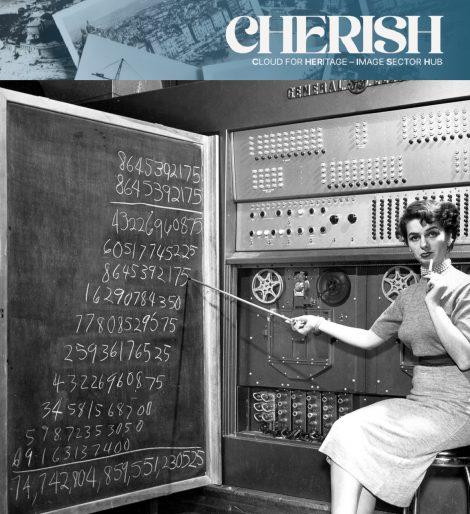
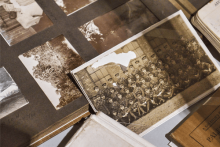
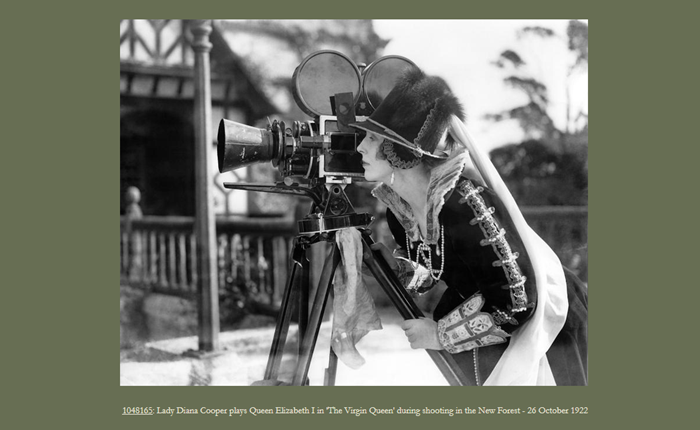
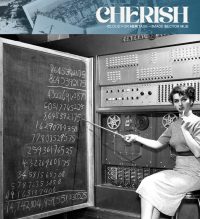
img. courtesy: TopFoto Archives

As cultural heritage increasingly moves into digital environments, professionals and organisations working with images and photographic collections face a range of challenges — from digitisation and data management to interoperability, access, reuse and the adoption of new technologies. In the context of small support project CHERISH, Photoconsortium along with CEPIC, developed their first online community survey to collect a wide feedback on existing digital challenges in EU for the image community.

The survey takes approximately 15 minutes to complete, and will later be complemented with one-to-one interviews with key stakeholders operating in the sector. The results of the survey and interviews will be complemented with an impact assessement action taking place during all CHERISH action.

You can access the survey here >>>

The information collected with the survey will be managed as aggregated data, with non-disclosure of personal details nor transfer to third parties.

The survey is particularly relevant for image professionals, picture agencies, photo archives, cultural heritage institutions, researchers and other experts working with cultural heritage imagery and digital collections.

The CHERISH team is also encouraging relevant networks and communities to share the survey and help ensure that a broad range of voices from across Europe is represented.


ECHOES_Logo_Color_Horizontal_300px

This project has received support through a cascading grant from ECHOES, which is funded by the European Union under Grant Agreement No. 101157364, with the support of UK Research and Innovation (UKRI) under the UK Government’s Horizon Europe funding guarantee No. 10110142 and No. 10110466. Views and opinions expressed herein are however those of the author(s) only and do not necessarily reflect those of the European Union or the granting authority. Neither the European Union nor the granting authority can be held responsible for them.

logo-acknowledgemnts


‘INNOVATE. PROTECT. EMPOWER. How cultural heritage can make Public AI a reality’ – European Heritage Hub’s Policy Talk

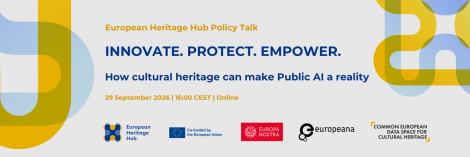
Join the European Heritage Hub to its upcoming Policy Talk, ‘INNOVATE. PROTECT. EMPOWER. How cultural heritage can make Public AI a reality’, taking place online on 29 September, from 16:00 to 18:00 CET.

The Policy Talk will explore the vision of a distinctly European approach to AI – Public AI – and the role that the cultural heritage sector can play in shaping it. It will build on the recent paper ‘Making Public AI reality: How cultural heritage can lead the way’ developed by the community of the common European data space for cultural heritage, and on an upcoming European Heritage Hub’s Policy paper providing concrete policy recommendations.

This high-level event is organised by Europeana, the deployer of the common European data space for cultural heritage, within the framework and support of the European Heritage Hub EU-funded Preparatory Action. It will bring together European and international policymakers, innovators and leaders from across the cultural heritage and AI communities, aiming to catalyse a coordinated advocacy movement around shared policy priorities and a common vision for Public AI.

The talk will address some pressing questions:

  • What role should the cultural heritage sector play in the development and deployment of AI? How can it contribute to a more diverse, fair and sustainable AI ecosystem in Europe?
  • Is there an alternative vision for AI – one grounded in the public interest? Can Europe champion such an approach, and how can the cultural heritage sector help enable it?
  • What cross-sectoral partnerships are needed for our sector to advance a Public AI agenda?
  • What policy changes and investments are needed to make this vision a reality?

Please find the draft programme here<<<<.
You can register at this link<<<<.


We need your voice!

As the European Commission develops its AI Strategy for the Cultural and Creative Sectors, we want to help shape this important conversation through our upcoming Policy Talk and  related Policy Paper. In addition, the Commission is currently seeking input from professionals, organisations and citizens through a Call for Evidence, with a deadline of 11 September 2026. The Europeana Initiative – also in its role as Hub partner – has already submitted its response, calling for a clear vision for Public AI. We need your voice too. We invite you to respond to the Call for Evidence, using, adapting, translating or drawing inspiration from our statement. Read more about how to contribute here.


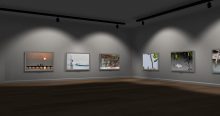
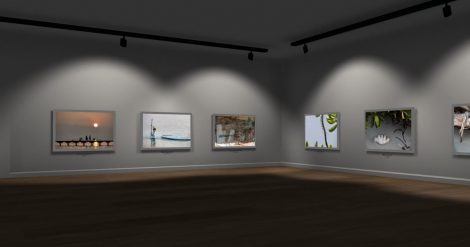
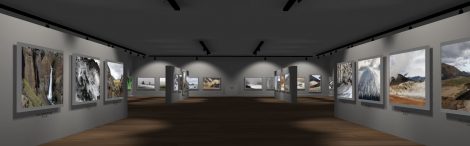
Create your own virtual art exibition with OpenVGal

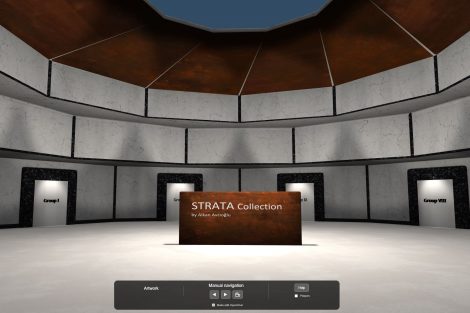
OpenVGal is an open-source 3D virtual gallery for people and institutions that already have digitized photographs or artwork images. It lets them show the work in a walkable room instead of a page of thumbnails. The exhibition is a folder of files you can take away and put on your own server. It does not have to stay on a commercial platform.

Archives, museums, teachers and artists can build the rooms in the browser from their own images. There is nothing to install, and no account is needed to try it. When the exhibition is ready, it downloads as a ZIP that can sit on the institution’s own website. Anyone who does not want to run a server can instead publish to a permanent URL hosted by OpenVGal as a paid service.

Version 4 adds a browser-based builder, new gallery spaces and lighting that still runs on ordinary hardware, automatic placement of the works, and real-world sizes for prints and plates. The engine is MIT-licensed and published at github.com/lbartworks/openvgal.

Learn more about OpenVGal and start creating at OpenVGal.com/


EUreka3D-XR at the Roman Days in Autun

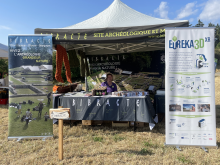
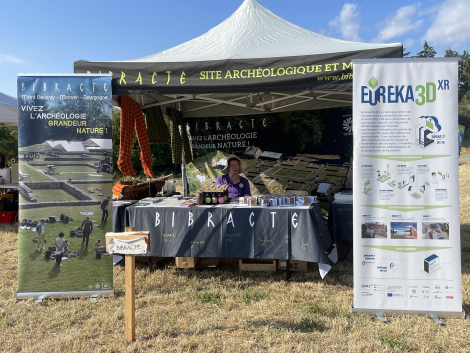
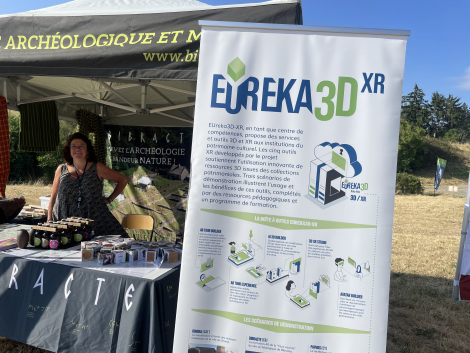
EUreka3D-XR was back in Burgundy for the Roman Days in Autun, where the construction game once again attracted several hundred visitors to the Bibracte stand.

This time, there was no demonstration of the application, differently from the event in Arverniales: an AR Tour Builder training workshop is planned for this autumn with the municipal archaeology service, to support the team in designing its own tour showcasing its many 3D models of archaeological remains and reconstructions of lost Roman buildings.

This event, however, along with the one in Arverniales, helped introduce EUreka3D-XR to both a wide audience and heritage professionals. Feedback from using the construction game also contributed to the development of a tutorial enabling any European heritage institution or school to make, adapt and run the game with different audiences. It will soon be published on Europeana as an Open Educational Resource.


eu emblemEUreka3D-XR project is co-financed by the Digital Europe Programme of the European Union.


CHERISH Survey

In the context of small support project CHERISH, Photoconsortium along with CEPIC, developed their first online survey to collect a wide feedback on existing digital challenges in EU for the image professionals.

The survey takes approximately 15 minutes to complete, and will later be  complemented with one-to-one interviews with key stakeholders operating in the sector. The results of the survey and interviews are complemented with an impact assessement action taking place during all CHERISH action.

You can access the survey here >>>

The information collected with the survey will be managed as aggregated data, with non-disclosure of personal details nor transfer to third parties.


ECHOES_Logo_Color_Horizontal_300px

This project has received support through a cascading grant from ECHOES, which is funded by the European Union under Grant Agreement No. 101157364, with the support of UK Research and Innovation (UKRI) under the UK Government’s Horizon Europe funding guarantee No. 10110142 and No. 10110466. Views and opinions expressed herein are however those of the author(s) only and do not necessarily reflect those of the European Union or the granting authority. Neither the European Union nor the granting authority can be held responsible for them.

logo-acknowledgemnts


Planning XR projects for cultural heritage

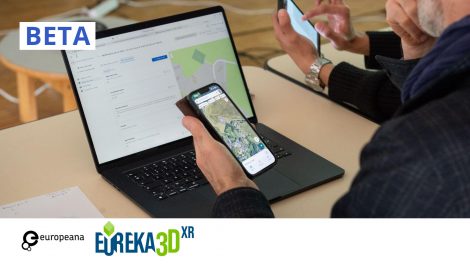
A follow-up course to “Introduction to XR for cultural heritage” is now live on Europeana “Planning XR projects for cultural heritage” is an introductory course that provides a foundation for understanding XR and its applications in cultural heritage, developed as part of the EUreka3D-XR project.

Aimed at Cultural Heritage professionals, XR-focused project managers and coordinators, educators, researcher and enthusiasts of XR, the course explores the core concepts of Extended Reality, discover why XR matters for heritage and provides information around the EUreka3D-XR ecosystem and the tools that support the creation of XR experiences.

Participants will learn to:

  • Define the goals, objectives and scope of an XR project;
  • Identify audiences and design accessible, user-centred XR experiences around their needs and user scenarios;
  • Select appropriate XR technologies, delivery methods, and tools based on audience needs, user scenarios and project constraints;
  • Plan resources, stakeholders, risks, and constraints;
  • Design, prototype and test an XR experience;
  • Prepare a project for publication, dissemination and launch;
  • Develop a long-term sustainability plan for maintenance, updates and institutional continuity.

By the end of the course, participants will have produced an XR Project Plan that can be used to:

  • Communicate your project to colleagues or managers;
  • Support discussions with project partners;
  • Contribute to funding or development proposals;
  • Guide decisions about the development, launch and long-term management of an XR experience within your organisation.

Take the course (BETA version) now!


EUreka3D-XR at the Arverniales in Gergovie

This Gallic archaeology festival takes place every year at the Gergovie oppidum, the very place where the Gauls famously resisted the Roman invaders.

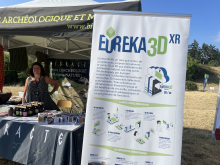
Around 300 people visited the Bibracte stand, where they could discover the EUreka3D-XR project.

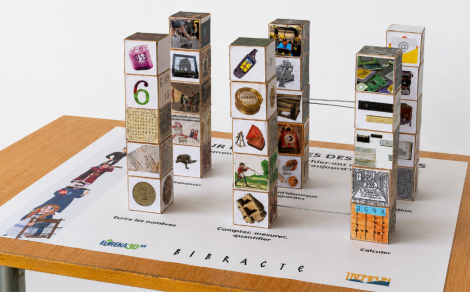
Nearly 150 visitors took part in the game “On the Shoulders of the Celts”. Using illustrated cubes, they reconstructed the development of different fields of knowledge and technology, from the Iron Age to the Digital Age, discovering in a playful way how more than two thousand years of innovation contributed to the emergence of digital technologies, and XR in particular.

The event was also an opportunity for a new demonstration of the AR Tour Experience application. A short tour, “From the Aedui to the Arverni”, had been specially created to allow visitors to discover several archaeological remains and objects from Bibracte in AR.

Around twenty people tested the experience. Although the very bright sunlight made the content on smartphone screens more difficult to see, the demonstration attracted the interest of several representatives of heritage institutions who were keen to discover the possibilities offered by AR Tour Builder.


eu emblemEUreka3D-XR project is co-financed by the Digital Europe Programme of the European Union.