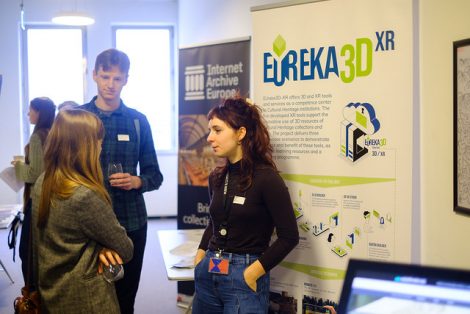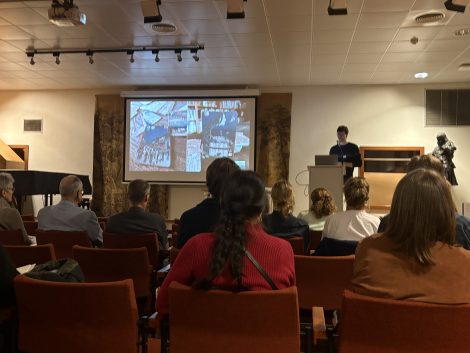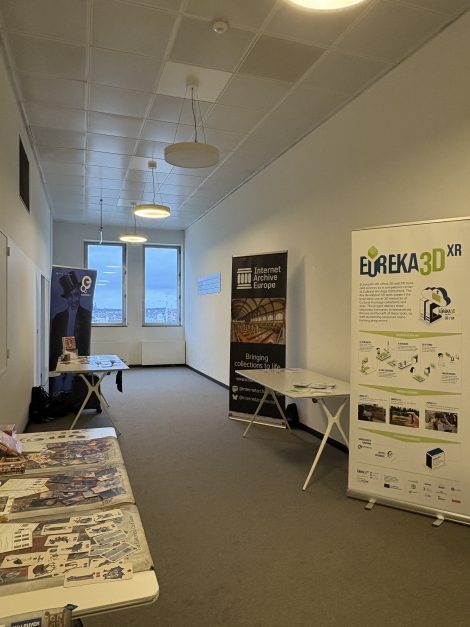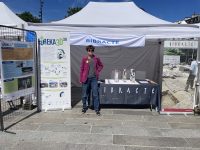


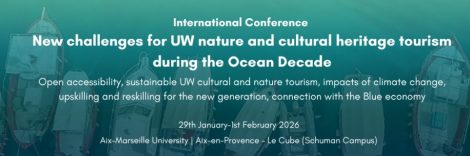
In the occasion of the international conference organised by TOURAL project, SECreTOUR, CROCUS and CULTURALITY, the projects that participate in the cluster of cultural tourism actions supported bhttps://toural-project.eu/y the EU under the Horizon Europe Programme, presented their initiatives in a dedicated corner of the conference’s poster session.
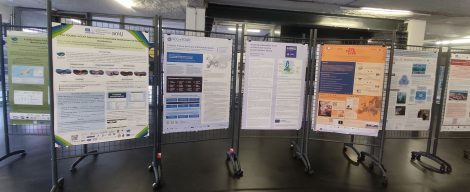
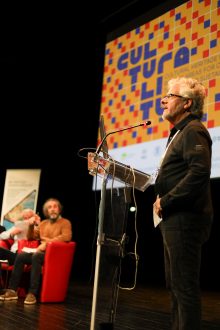
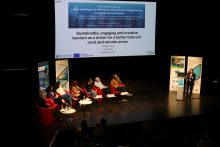
Furthermore, SECreTOUR and CULTURALITY had the opportunity to participate, together with TOURAL, in the special session held on 31/1/2026, to present their actions addressing various aspects of promoting cultural tourism in remote and rural destinations.
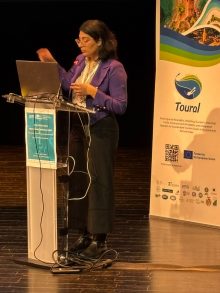
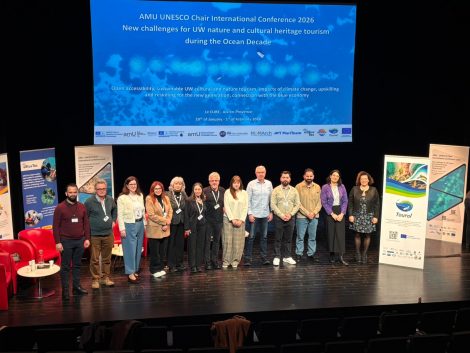
Posters and presentations delivered by Cluster projects are available for here below for free download:
Further information about the conference and the Cluster’s special session is available in the TOURAL newspost.
Follow SECreTour online also on the SECreTour project’s website.
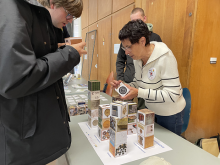
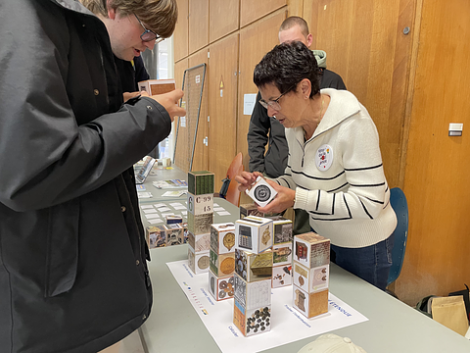
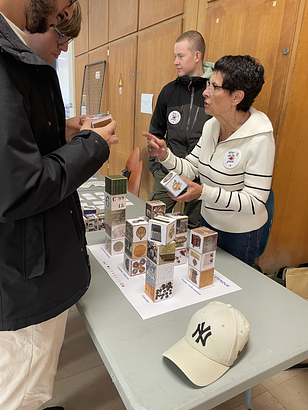
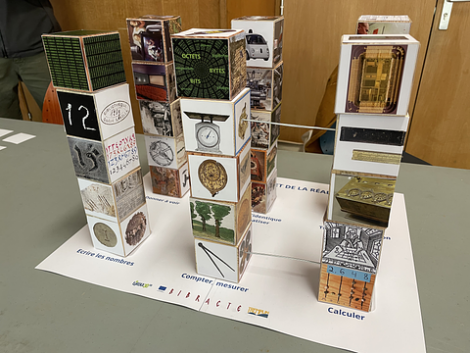 The goal of the game is to identify the theme and period of each of the 36 wooden cubes to stack them on the bases corresponding to six main themes: Writing numbers, Counting and measuring, Calculating, Producing identical copies and automating, Processing information and Visualising. The 216 illustrations (one on each face of the cubes) are drawn from the collections of Bibracte, Europeana and Wikimedia Commons. Some illustrations appear identically on several cubes to highlight transversal links between themes, using a system of magnets and small steel rods. These links emphasise major inventions that have benefited a wide range of fields, such as the printing press, both for the reproduction of identical copies and for the dissemination of information.