

From Roman Castulo to the Alhambra

© Factum Foundation

Factum Foundation for Digital Technology in Preservation, a not-for-profit organisation based in Madrid, collaborated on the PhD thesis carried out by Ana Carrasco Huertas at the University of Granada, co-supervised by Víctor Medina (University of Granada) and Carlos Bayod Lucini (Factum Foundation). The research was defended on 30 January 2026 and focuses on the study, digitisation, and virtual reconstruction of three groups of decorative architectural surfaces from different contexts and periods: fragments of Roman cornices made in lime mortar from the archaeological site of Castulo (1st–2nd centuries AD); decorative reliefs carved in bone discovered in the ancient city of Isturgi (1st–3rd centuries AD); and a 14th-century façade of plasterwork and wood in the Islamic tradition, located within the Alhambra Monumental Complex. In all three cases, these decorative surfaces have been heavily affected by the passage of time, which makes them difficult to read, understand, and interpret.

As part of the project, Ana completed a training and research placement at Factum Foundation in Madrid (May–July 2022), followed by work with the ARCHiOx project at the Bodleian Library, University of Oxford (June–September 2023). The aim of both stays was to learn and apply high-resolution 3D recording methods and the associated workflows used to support the virtual reconstruction of cultural heritage.

For the study and digitisation of the material, Factum’s Lucida 3D Scanner and Selene PSS were used. This made it possible to capture the micro-topography of the Roman reliefs (both lime-mortar elements and carved bone) and the plasterwork with great precision, enabling detailed analysis of the manufacturing marks and tools involved (such as moulds, profiling tools, lathes, and carving gouges). The work also produced highly accurate digital twins suitable for material and technical study, which will serve as the foundation for the subsequent virtual restitution.

© Factum Foundation; Read the original post.


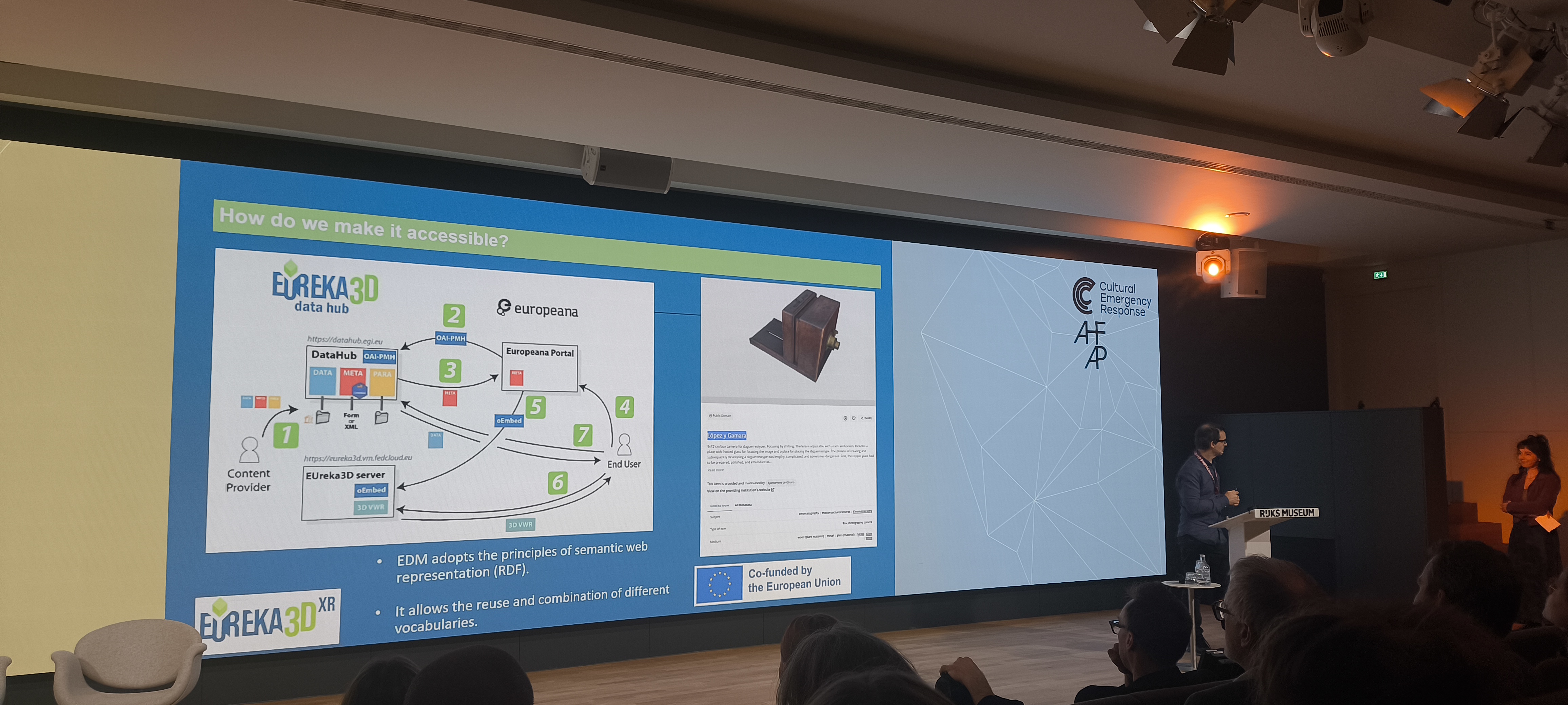
EUreka3D at the Dijon Fête de la Science

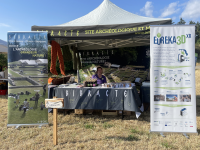
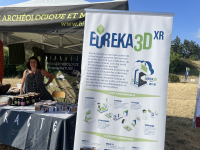
On 11 and 12 October 2025, Bibracte hosted a stand in Dijon during the Fête de la Science. On this occasion, a construction game entitled “The Ancestors of Digital Technology and Extended Reality” was presented, along with the EUreka3D-XR project, to an audience of around one hundred people, mostly families.

The aim of this game is to explain the principles of digital technology and extended reality to the public, and to young people, by placing them within the long history of knowledge and techniques, in line with the idea that we are “standing on the shoulders of giants”. This approach takes the form of a construction game made up of cubes to be stacked chronologically, from Antiquity to the digital age.

The goal of the game is to identify the theme and period of each of the 36 wooden cubes to stack them on the bases corresponding to six main themes: Writing numbers, Counting and measuring, Calculating, Producing identical copies and automating, Processing information and Visualising. The 216 illustrations (one on each face of the cubes) are drawn from the collections of Bibracte, Europeana and Wikimedia Commons. Some illustrations appear identically on several cubes to highlight transversal links between themes, using a system of magnets and small steel rods. These links emphasise major inventions that have benefited a wide range of fields, such as the printing press, both for the reproduction of identical copies and for the dissemination of information.

This game will lead to the production of an Open Educational Resource, included among the project deliverables, enabling cultural institutions to reproduce it and adapt it to their own context.


eu emblemEUreka3D-XR project is co-financed by the Digital Europe Programme of the European Union.


EUreka3D-XR Demonstration Event & Workshop

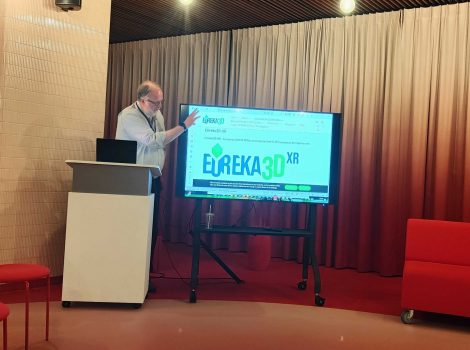
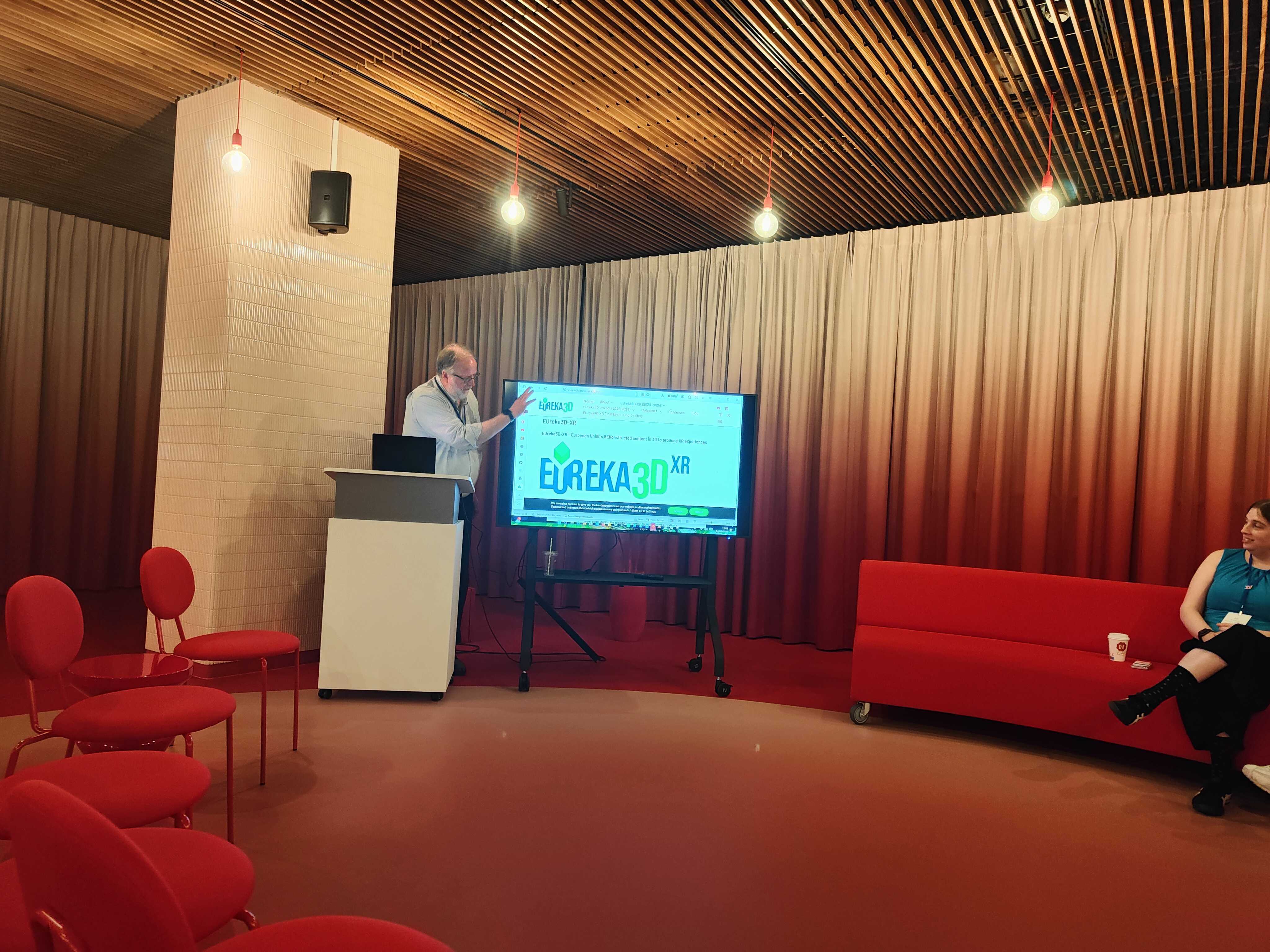
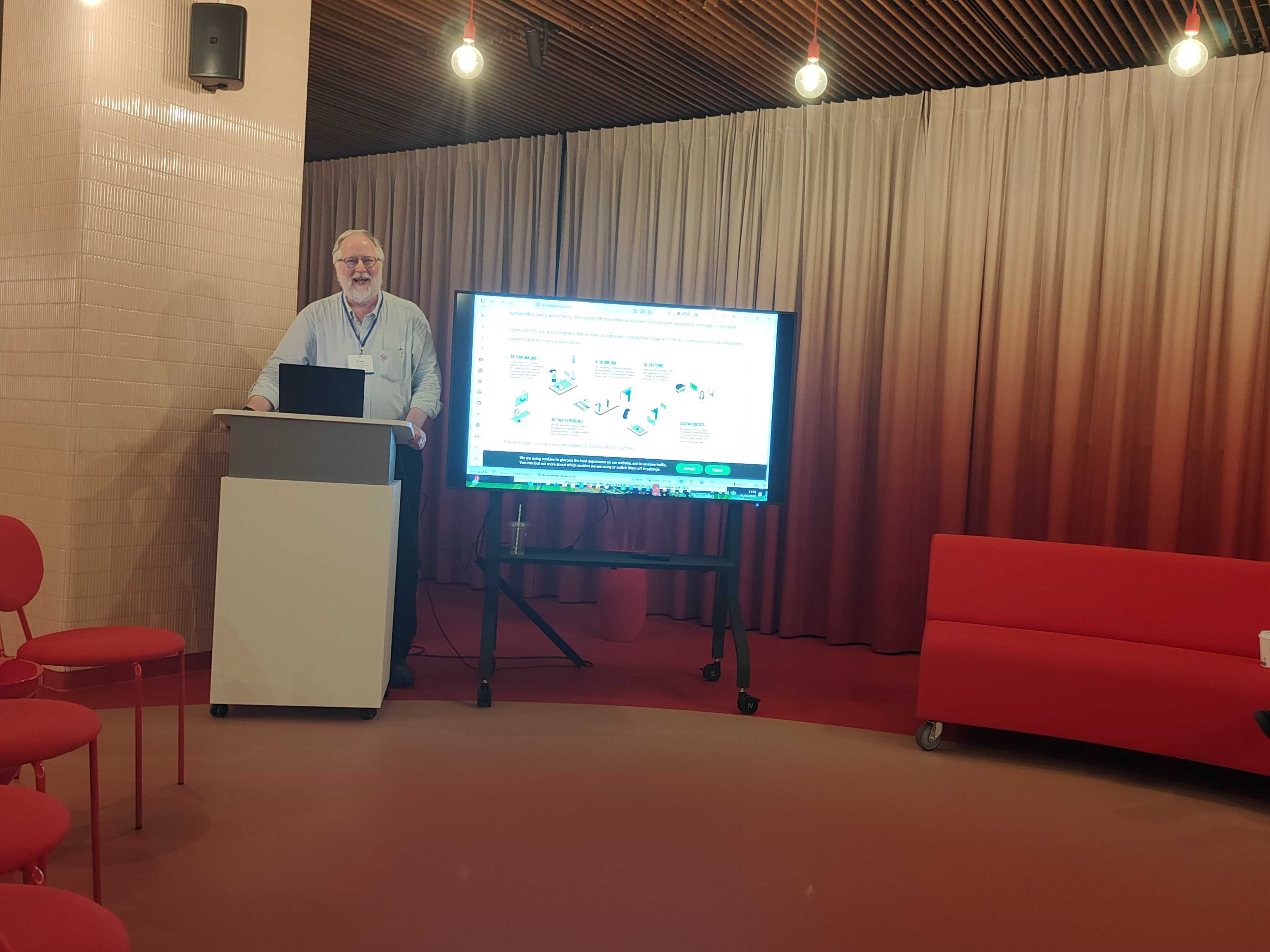
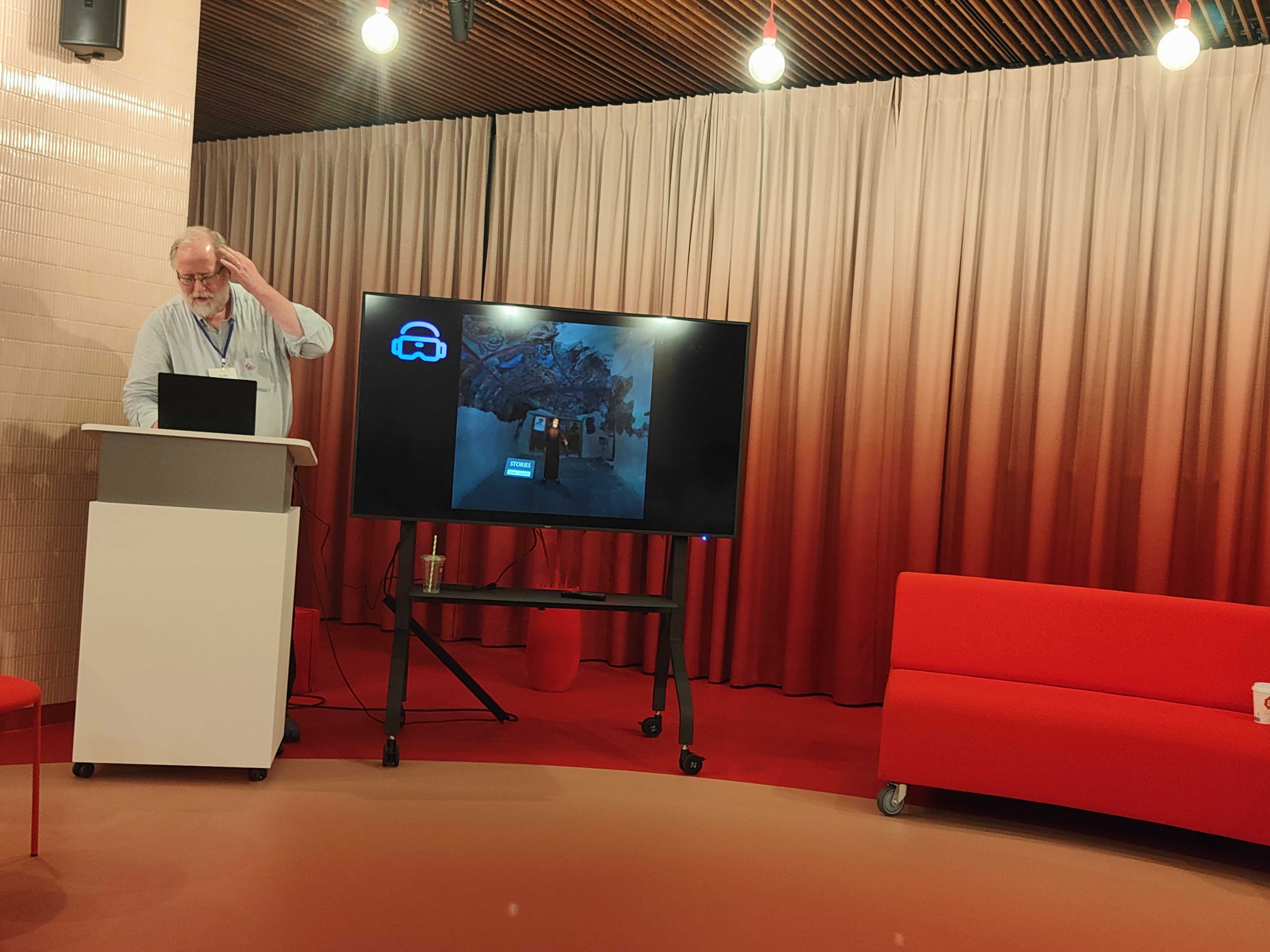
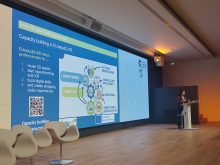
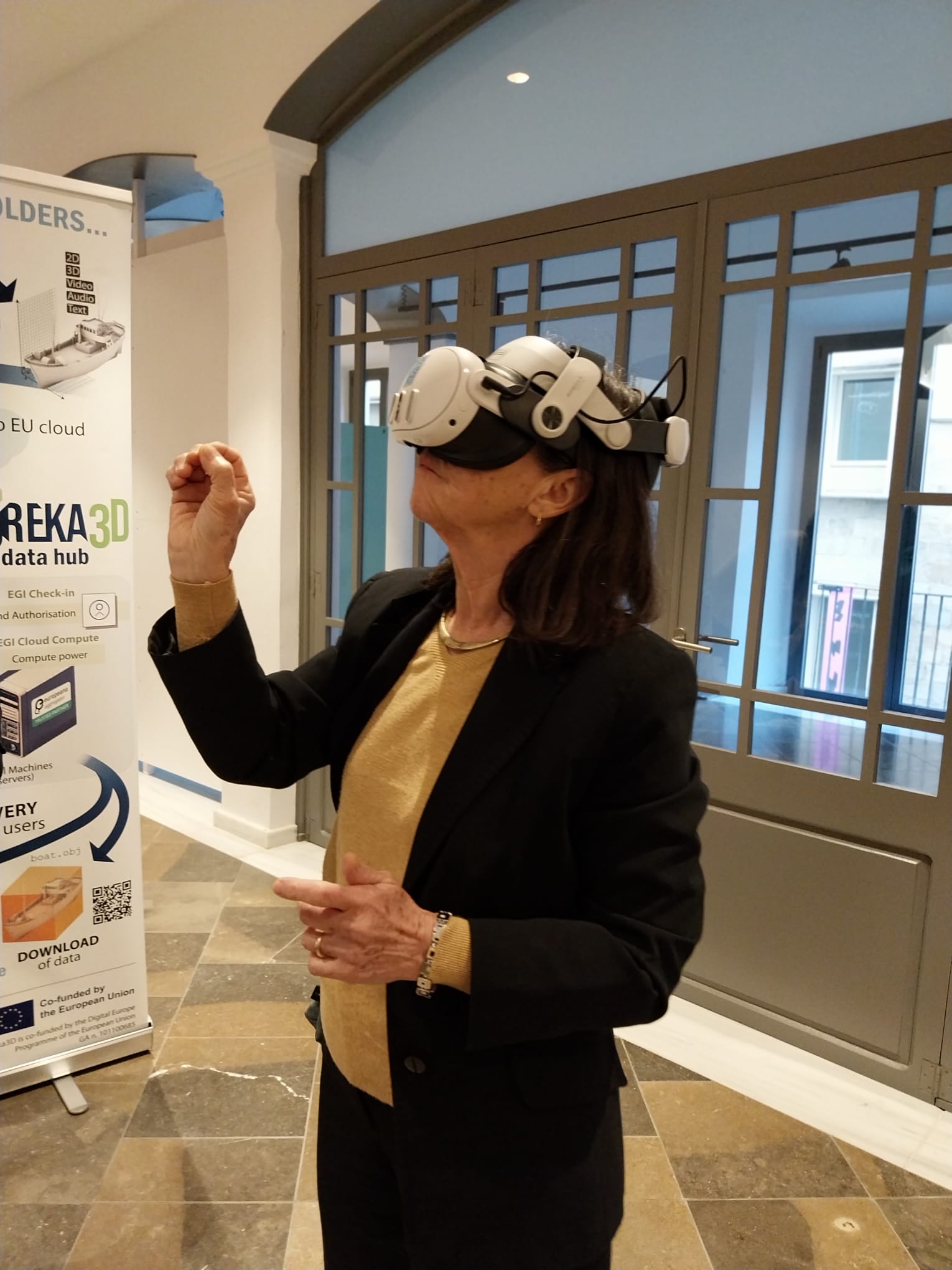
With over 50 participants on site and a equal number of attendees online, EUreka3D-XR organized a Capacity Building and demonstration event. The demonstration comes at a moment when the project’s progress in the development of tools and pilot scenarios has become both visible and significant, offering tangible insights into how 3D and XR technologies can serve the cultural heritage sector.

Recordings are available on the project website.

29 January 2026, 9.30 – 18.00h (CET)
In Girona and Online
Venue: El Modern, Girona

Cultural Heritage professionals, archivists, researchers, and students of these fields were invited to an open event showcasing the outcomes of the project and mainly focusing on the innovative tools developed to enhance access and engagement with digital cultural heritage through 3D and Extended Reality (XR) technologies.

The day was divided into two parts: a morning hybrid session, focused on demonstrations of the EUreka3D-XR tools and discussion on pilot scenarios; and an afternoon on-site workshop, dedicated to archivists and focused on hands-on experimentation with one of the project’s tools.

Programme

Morning session h. 9-13

  • 9.00h – Welcome coffee
  • 9.30h – Welcome message by Lluís-Esteve Casellas (Head of Department of Records Management, Archives and Publications at Girona City Council) and David Iglésias (Head of Department of Photography and Audiovisual Records at Girona City Council)
  • 9.35h – Introduction by Antonella Fresa, EUreka3D-XR Project Coordinator
  • 9.45h – EUreka3D-XR toolbox demonstration, by Angelo Belfiore, Francesco Generali (Swing:It), Leonidas Mavrotas (NTUA), Nedjma Cadi (MIRALab)
  • 10.45 – The common European data space for cultural heritage: 3D and XR, by Albert Verhaar (Europeana)
  • 10.55h – Q&A
  • 11.10h – Round table The potential of 3D for Cultural Heritage, by David Iglésias (CRDI – Ajuntament de Girona), Vincent Guichard (Bibracte), Maria Paphiti, Drew Baker (CUT), Albert Sierra (Agència Catalana del Patrimoni Cultural)
  • 12.10h – The Augmented Reality experience in the Iberian City of Ullastret, by Laura Romero (Museum of Archaeology of Catalonia), Miquel Lleixà (Digital Policies Department – Generalitat de Catalunya)
  • 12.30h – Q&A and end of morning session
  • 12.45–14.00h – Lunch break


14-18h – Afternoon on-site workshop (English and Catalan): Archives in 3D. From Records to Objects

More information: https://eureka3d.eu/demonstration-event-workshop/


eu emblemEUreka3D-XR project is co-financed by the Digital Europe Programme of the European Union.


International conference on cross-border cooperation

The international conference “Cross-border cooperation in the era of challenges and transformation – space, energy, climate, culture” will be held on 4 March 2026 at the Wrocław University of Environmental and Life Sciences, in Wrocław, Poland.

The conference will explore key issues facing border regions, from EU cohesion policy to energy transition, climate action and cultural cooperation.

Key thematic areas include EU cohesion policy, energy and climate transition, integrated territorial planning, culture and identity, innovation and smart specialisation, and socio-economic resilience in border regions.

Participation is free, but registration is required.
https://www.interreg-central.eu/event/save-the-date-international-conference-on-cross-border-cooperation/

The conference is supported by Interreg CENTRAL EUROPE, European Union funding programme that supports transnational cooperation.


Follow SECreTour online also on the SECreTour project’s website.


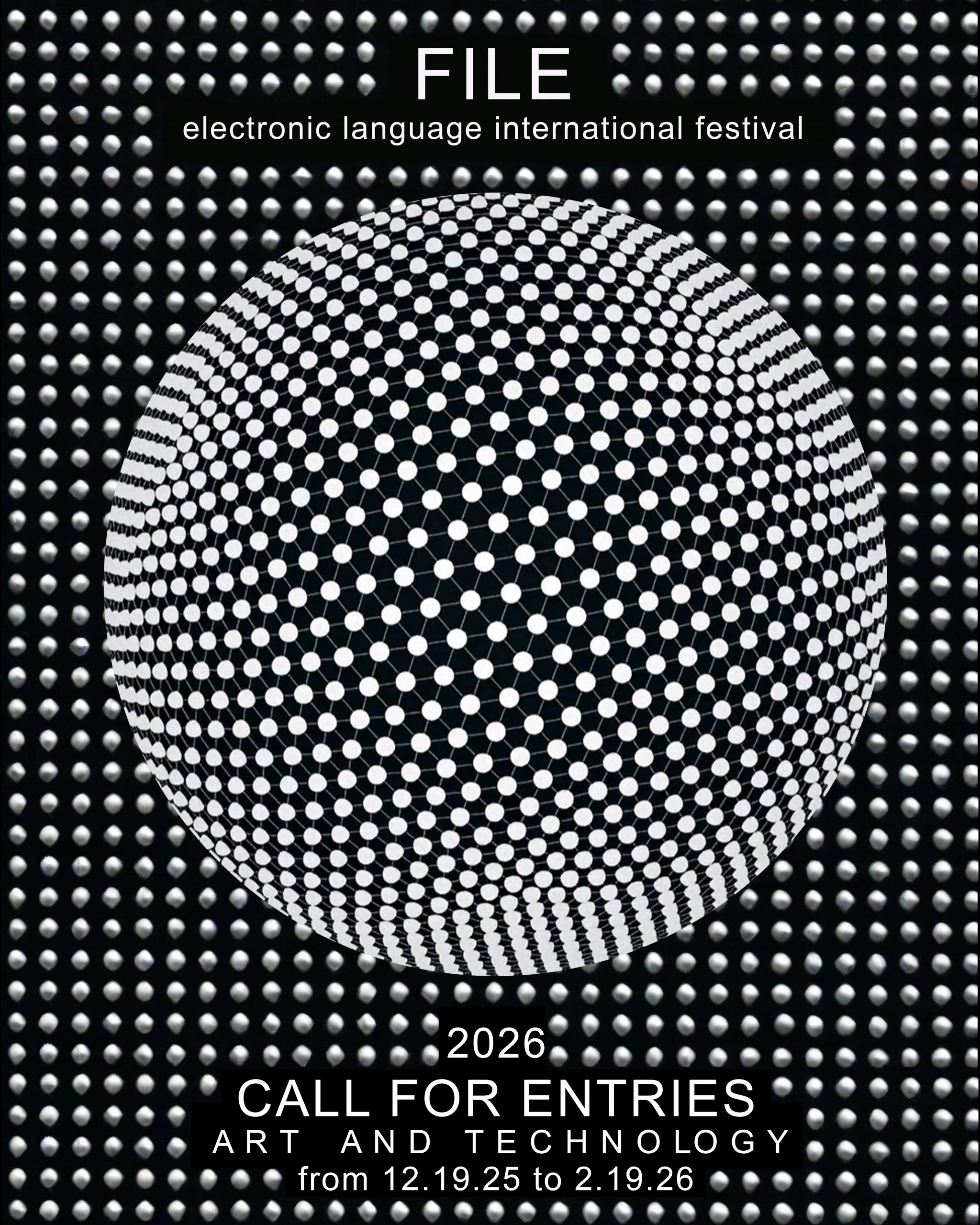
FILE – Electronic Language International Festival 2026

FILE – Electronic Language International Festival is now accepting project submissions and invites artists, researchers, creators, and developers to participate in its next edition.

An international reference in the fields of art, technology, and innovation, FILE will take place in São Paulo from August 18 to October 11, 2026 at the FIESP Cultural Center, bringing together artworks, experiences, and research that investigate contemporary transformations of artistic languages mediated by technology.

In this new edition, FILE expands and reconfigures its curatorial structure, organizing itself into multiple axes and festivals dedicated to the diverse areas of contemporary Art and Technology. This expansion seeks to encompass both constantly evolving media and languages, as well as the incorporation of Artificial Intelligence into already established categories within the field.

Submissions are open until February 19, 2026, read the full regulations here<<<<

The call is open and free of charge, welcoming national and international projects that explore the relationships between Art, Technology, and Artificial Intelligence, including but not limited to: Robotic Art and AI, Augmented and Virtual Reality, Games and Digital Games with AI, Digital Animation and AI, Digital Cinema and AI, Electronic Music and AI, LED Shows, Digital Video and AI, and Digital Architecture and AI.


Develop new skills and build capacity for 3D in 2026 with EUreka3D-XR

Discover the many upcoming events and exciting initiatives organized in the context of EUreka3D-XR project, as the project enters its final year:

  • EUreka3D-XR at Public Domain Day in Europe 2026 (15 January)
  • 3D-4CH Winter School (21 – 23 January)
  • EUreka3D-XR Demonstration Event and Workshop (29 January)
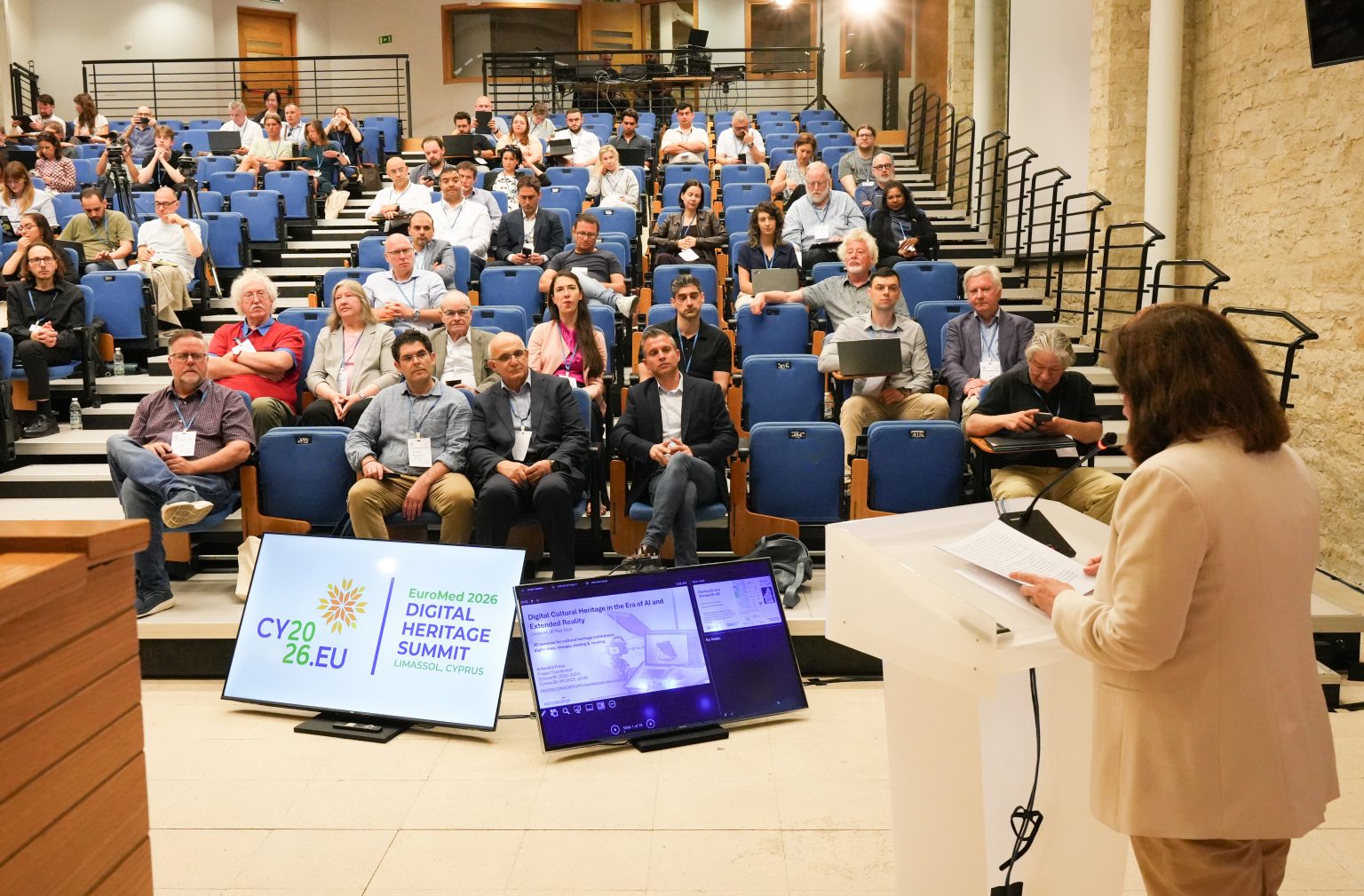
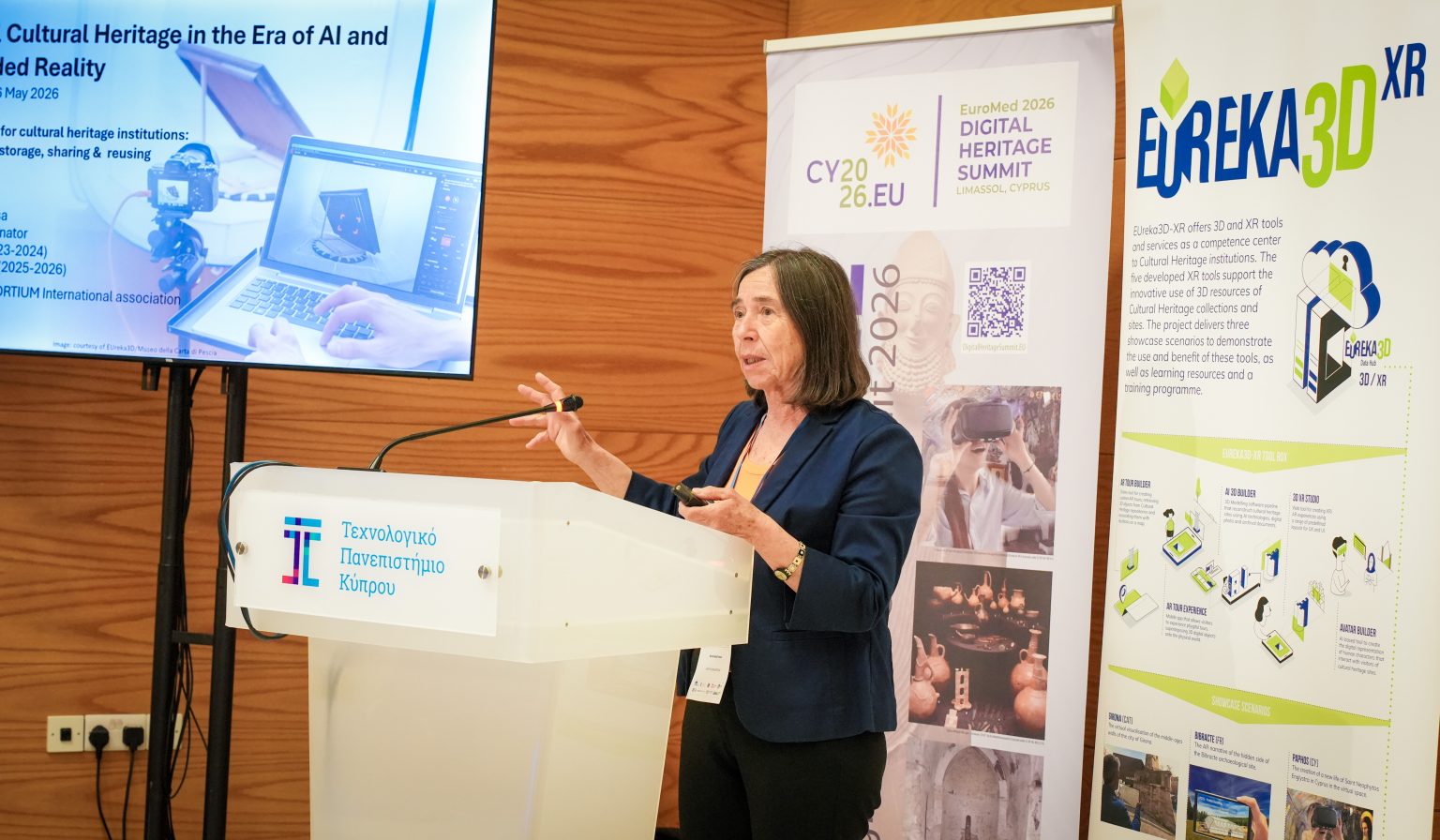
  • Digital Cultural Heritage in the Era of AI and Extended Reality (26 May)

Learn more about these events and how to participate through a new blogpost published on Europeana Pro, where you can find all the informations to catch up.


eu emblemEUreka3D-XR project is co-financed by the Digital Europe Programme of the European Union.


EUreka3D featured at Public Domain Day in Europe 2026

CC BY 4.0 – Sebastiaan ter Burg

Co-organized by EUreka3D-XR project partner’s meemoo, this year’s annual Public Domain Day drew attention to the barriers that often still stand in the way of opening up these materials through a two session one-day event offering insights, plenaries and specialised workshops. Public Domain Day welcomed anyone who might be interested in engaging with public domain collections – from collection managers and service providers to researchers and policymakers.

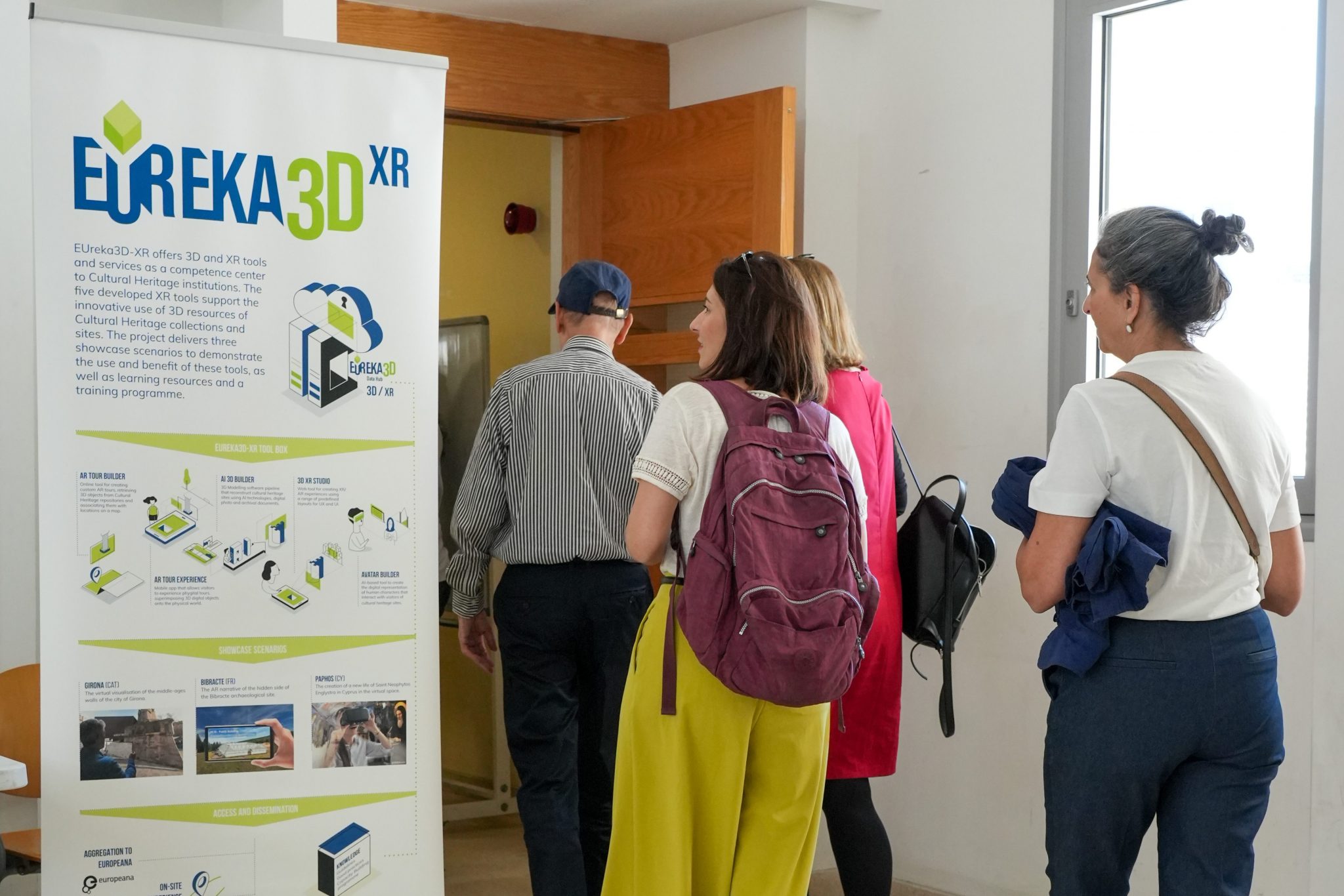
On the occasion,  the project EUreka3D-XR was showcased through a dedicated booth featuring dissemination materials, hosted by Axelle Vanmaele (meemoo), with many people taking interest in the initiative. The project’s presence at the event is aligned with the values of the public domain and open cultural data: EUreka3D-XR makes available to cultural heritage professionals five open-source digital tools, including online services and mobile apps, designed to support the innovative reuse and exploitation of cultural resources, with a particular focus on 3D content. By promoting open access, open data, and open licensing, and through the EUreka3D Data Hub, the project directly contributes to the vision of the common European data space for cultural heritage.


eu emblemEUreka3D-XR project is co-financed by the Digital Europe Programme of the European Union.


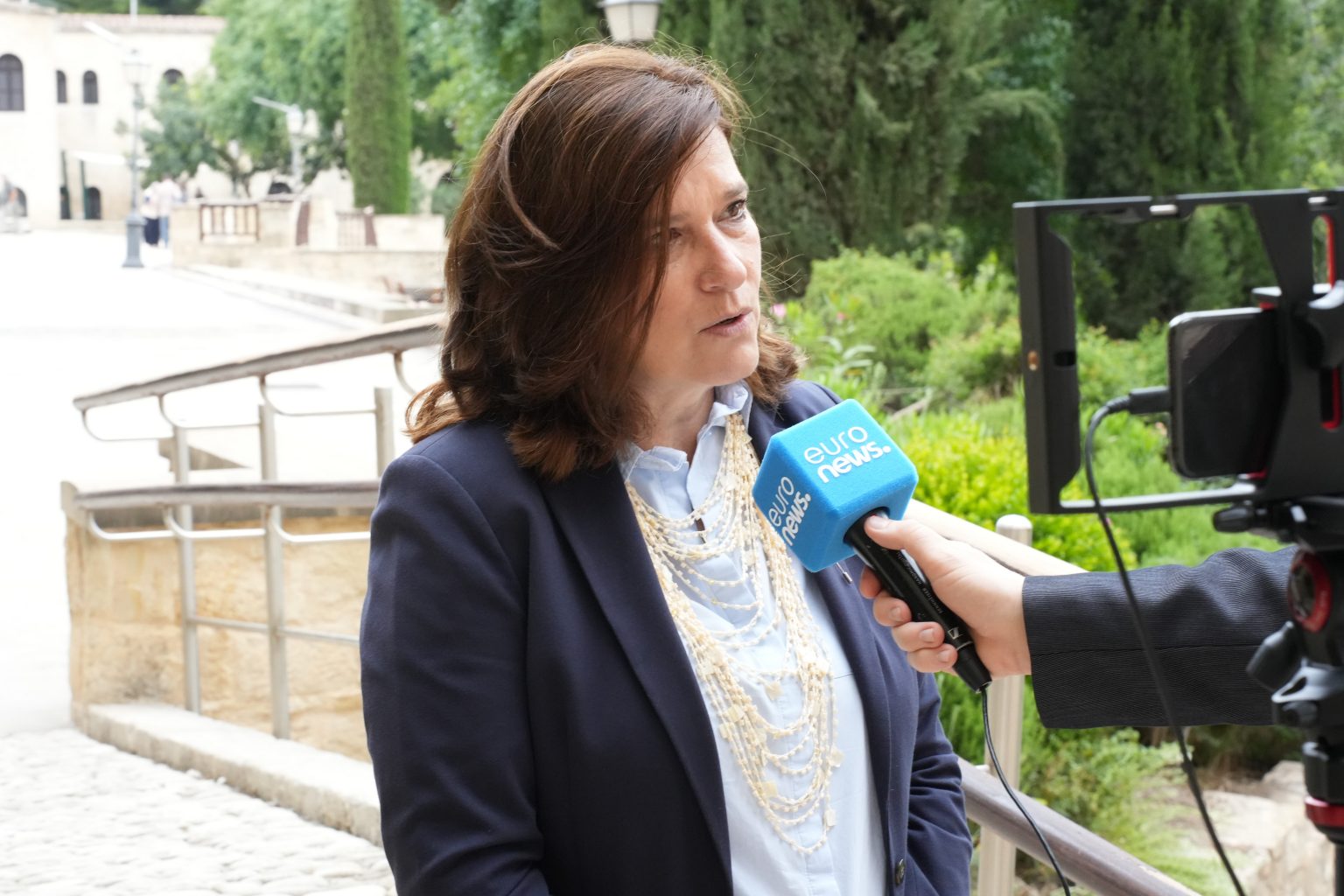
Lambousa fishing trawler featured in Euronews

The Greek edition of Euronews, the pan-European television news network, recently featured the story of the Lambousa boat.

The Lambousa is fishing trawler built in Piraeus in 1955 and for half a century it plowed the Cypriot seas. After years of neglect, the Limassol Municipality decided to preserve it and make it a floating museum of fishing tradition.

In collaboration with Cyprus University of Technology, the Limassol municipality organized its complete repair and holistic digitization, recording and documentation through photogrammetry and scanning, and now the historic vessel is open to visitors again in Limassol.

The 3D model of the boat was made available as open access resource for use and reuse by the Cyprus University of Technology in the context of EUreka3D project and is accessible in Europeana: https://www.europeana.eu/en/item/1268/21_15123_DKf8oUnT

More information about Lambousa: https://elambousa.eu/


eu emblemEUreka3D-XR project is co-financed by the Digital Europe Programme of the European Union.


Webinar on the state of 3D Digitisation in Cultural Heritage


Organized by Heritage Malta and the UNESCO Chair on Digital Cultural Heritage at the Cyprus University of Technology, the Digitisation of Cultural Heritage: Methodologies, Technologies & Best Practices webinar is dedicated to presenting the results of a groundbreaking global survey carried out in the context of Heritalise project to exame the current state of the art in 3D digitisation of cultural heritage.

The survey explored key questions, including:

  • Who is digitising cultural heritage, what is being digitised, and how and why these activities are undertaken
  • The complexity of data acquisition processes and the quality of resulting datasets
  • The role of paradata, metadata, and data management practices
  • Technologies, tools, and standards currently in use
  • 3D Digital Twin technologies
  • The MemoryTwin approach
  • Challenges and limitations faced by professionals across disciplines
  • Long-term data preservation
  • Applications to both tangible and intangible heritage
  • Practical, ethical, and technical gaps shaping future strategies

The answers to the survey captures how digital data acquisition is being approached across diverse disciplines, institutions, and geographic contexts, highlighting the diversity of practices, priorities, and workflows shaping the digitisation of cultural heritage in its current status.

The webinar will take place online, on the 22nd of January 2026, online, from 13:30 to 14:30 CET. Register for free at this link<<<<


PREAC training – Archaeology and young people: how do you show the invisible?

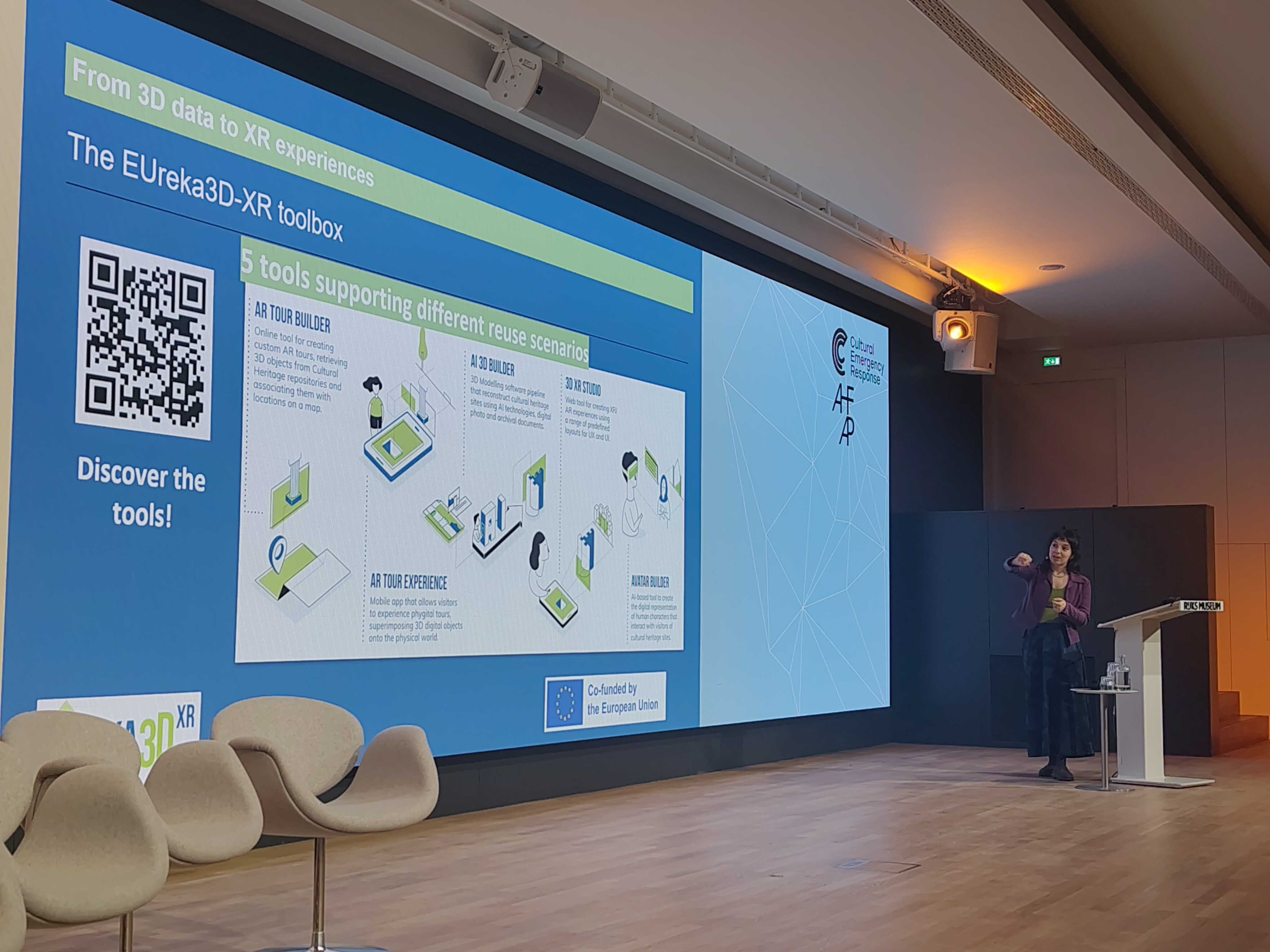
From 1 to 3 December 2025, Bibracte, in partnership with the Musée départemental Arles antique, organised the national training course “Archaeology and Young Audiences: How to show the invisible?”, aimed at professionals working in arts and cultural education.

On the morning of 2 December, the Forum of Archaeology Professions gave participants the opportunity to engage in discussions with specialists about the invisible or less visible aspects of archaeology, as well as the methods and tools used to understand and communicate them to the public.

On this occasion, Agathe Le Riche-Maugis presented the five open-source tools developed within the EUreka3D-XR project at the stand entitled “Visual Mediation Technologies: Bringing the Real and the Virtual into Dialogue to Better Tell the Story of Archaeology”. Forty people took part in the event: 13 education professionals (regional pedagogical inspectors, regional advisers for arts and cultural education, and teachers responsible for museum partnerships) and 27 cultural heritage professionals (heads of mediation, mediators and archaeologists). Among them, around fifteen expressed a strong interest in the project and its future outcomes

Video capsules featuring the Forum speakers were also produced at the Musée d’Arles, with the aim of creating resources for future regional training initiatives connected to the same theme. Agathe Le Riche-Maugis’s video will be available on this blog soon.


eu emblemEUreka3D-XR project is co-financed by the Digital Europe Programme of the European Union.