

Text by Caterina Sbrana.
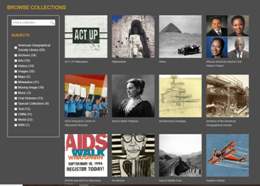
The Home page of Digital Collection from which the thematic search can start
The University of Wisconsin-Milwaukee (UWM) Libraries established a digitization program since 2001. The objective of the program was providing remote access to unique library resources to the UWM academic community and the general public. Currently, UWM Libraries Digital Collections contain over 170,000 digital objects including photographic images, maps, and books drawn from the holdings of the American Geographical Society Library, the Archives, Special Collections, the Music Library, and the Curriculum Collection. Over sixty digital collections have been created from the beginning of the program. This way it was possible to enable remote access to visual resources on global issues as well as treasures of local cultural heritage.
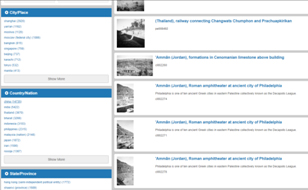
Search & Retrieval page
The site is very intuitive and searches can take place in different ways by inserting filters to the search or by writing directly the topic on the search bar. On the Home page of Digital collections we can improve our search by clicking, on the left bar, the status or topic you want. In the section of the Digital Photo Archive, there are thousands photographs related to everyday activities and also to landscapes. Each photograph can be selected for further information: Title, Date of Photograph, Photographer’s Note, Subject, Continent, General Region, State/Province, Type of Image and Original Item Medium, Digital Format, Original Collection, Provenance, Rights etc.
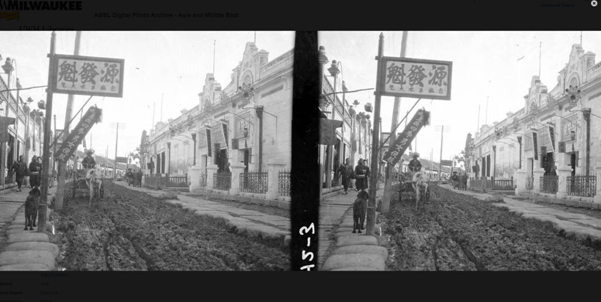
Acheng (China), muddy city street; Photographer: Pendleton, Robert Larimore, 1890-1957; date of photograph: between 1931 and 1932; Original collection: Robert L. Pendleton Collection
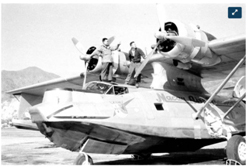
Photographer’s Note: Macau: Gold runners; Photographer: Forman, Harrison, 1904-1978; date of photograph: 1950;
As we read in the presentation of the archive “There are no restrictions on access, except for one section called Peck School of the Arts Slide Collection. That collection is limited to UWM students, faculty, and staff”. However in the copyright section it is clearly stated that “over 140,000 digital materials drawn from the collections of the Archives, Special Collections, the Curriculum Collection, Music Library, and the American Geographical Society Library. We make these materials available in order to facilitate their use for non-commercial and educational purposes, and to advance the mission of the Libraries and the University of Wisconsin-Milwaukee”.
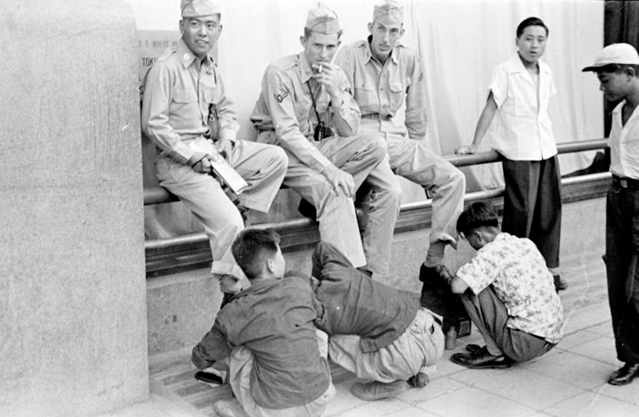
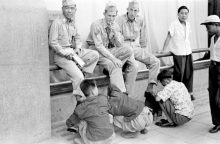
Title: Japan, American GI’s getting their shoes shined in Tokyo; date of photograph ca. 1950s; Photographer: Forman, Harrison, 1904-1978
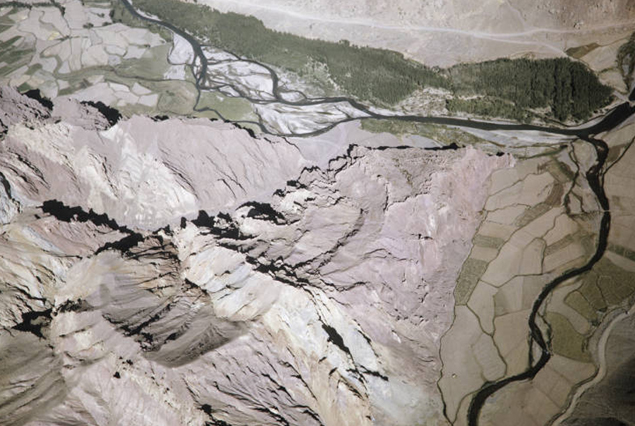
Afghanistan, aerial view of Bamiyan Valley; Photographer: Forman, Harrison, 1904-1978; date of photograph ca. 1969
Among the project information we can read that “Materials for approved projects are carefully selected by collection curators and subject specialists in the libraries and departments housing the source collections. UWM Libraries Department of Digital Collections and Initiatives is responsible for digitizing the selected materials according to established digitization standards and best practices. CONTENTdm digital media management software is used to build online collections. We retain digital master files in a separate storage infrastructure to ensure their integrity and accessibility in the future. High resolution digital images can be ordered using the online Order Images form.”
The digital collections are also selectively available through the World Digital Library, The Digital Public Library of America (DPLA), Recollection Wisconsin, Umbra: African American History, the Civil Rights Digital Library, and the Digital Transgender Archive.
For example in the World Digital Library it’s possible to find other collections, interactive maps, timelines etc. An example of this is given by the following photograph:
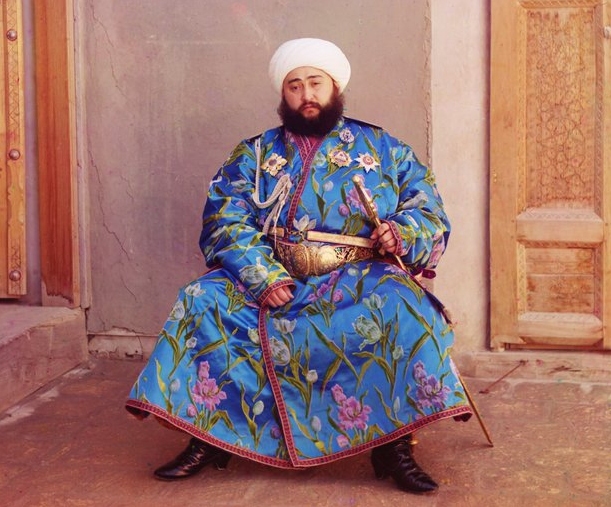
Uzbekistan, Bukhara, Prokudin-Gorskii, Sergei Mikhailovich, 1911. Prokudin-Gorskii visited on a number of occasions the recently acquired territories of the Russian Empire such as Turkestan (present-day Uzbekistan and neighboring states). He made trips in January 1907 and 1911 to the ancient cities of Bukhara and Samarkand. Prokudin-Gorskii made this and a number of other portraits of Said Mir Mohammed Alim Khan in 1911.
As we might imagine, the photographs come from collections acquired over many decades and the digital collection is under continuing development.
The biggest problem in these cases is related to copyright. On the subject of copyright the information provided by the staff is very comprehensive: “We make every effort to provide factual information about copyright ownership where possible. When rights information is available, we include it in the “Rights” field of the metadata record for an item. Due to the nature of historical collections, it may not be possible to fully determine the copyright ownership of a particular item. The UWM Libraries endeavor to provide as complete a record of the legal status and rights holder as possible. Any copyright owners who are not properly identified on this website should contact UWM Libraries so that we can make any necessary corrections. Upon request, we will remove material from our online collections while we review a copyright claim”. Given the importance of some sections of the archive, we will continue to update you on the interesting historical content.
The collections are available to the public at: https://uwm.edu/lib-collections.
https://collections.lib.uwm.edu/digital/collection/agsphoto/id/9035/rec/3
https://collections.lib.uwm.edu/digital/collection/agsphoto/id/28137/rec/9996
https://collections.lib.uwm.edu/digital/collection/agsphoto/id/24590/rec/44
https://collections.lib.uwm.edu/digital/collection/af/id/1134/rec/8
https://www.wdl.org/en/item/5869/
https://uwm.edu/lib-collections/about/
https://uwm.edu/libraries/digital-collections/copyright-digcoll

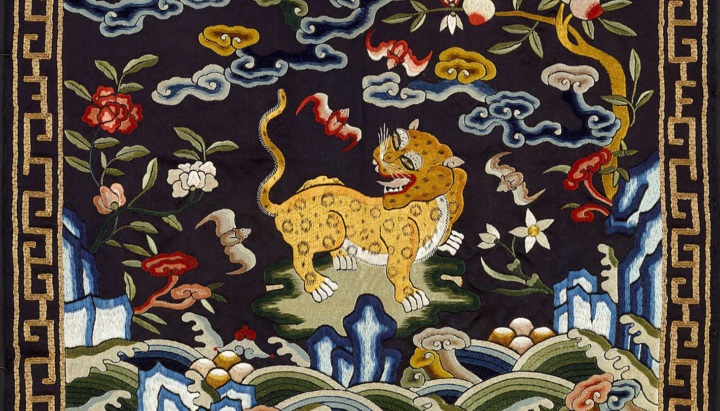
 “What is the social value of culture? While culture is increasingly being viewed from an economic perspective, there is much more at stake. Focusing on the valuation practices developed by different actors involved in the cultural sector, the EU-funded UNCHARTED project will identify Europe’s plurality of cultural values attached to specific cultural products, productions, services, activities and sites. It will consider the multiplicity of agents and the diversity of evaluation practices. Led by the University of Barcelona and involving 10 research partners based in France, Hungary, Italy, Norway, Portugal, Spain and the United Kingdom, the project will focus on the valuation practices of the various actors involved in cultural life, from the audience and visitors to the artists to experts and politicians.”
 Irrespectively of the associated rights, however, there is always a problem of possible misuse for this content that is available online and easily downloadable. And while in our minds there is this idea of the “evil” user who breaks copyright on purpose, and stoles the images to e.g. make unlawful money out of them, the problem on the control of what happens to the online content is much deeper.
 The
The  Every year it is held at the
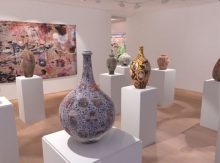
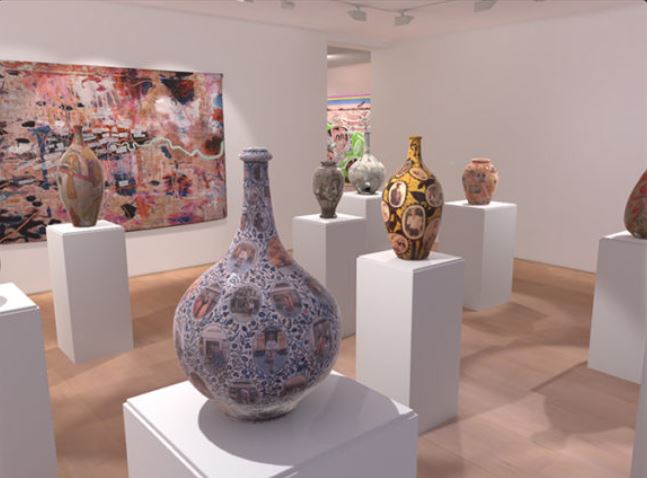 The entrepreneur Oliver Miro, with decades of sales experience in the family art gallery, has launched an extended reality platform that offers to private galleries the opportunity to virtually reproduce their spaces, adapting the artworks here displayed. This new tool not only allows galleries to be visited virtually, but represents a new way of conceiving the art market. In fact, collectors can use virtual reality to simulate the effect that the artwork they intend to buy produces inside their own homes. The collector is then able to decide whether to buy or not the artwork without moving it from the art gallery.
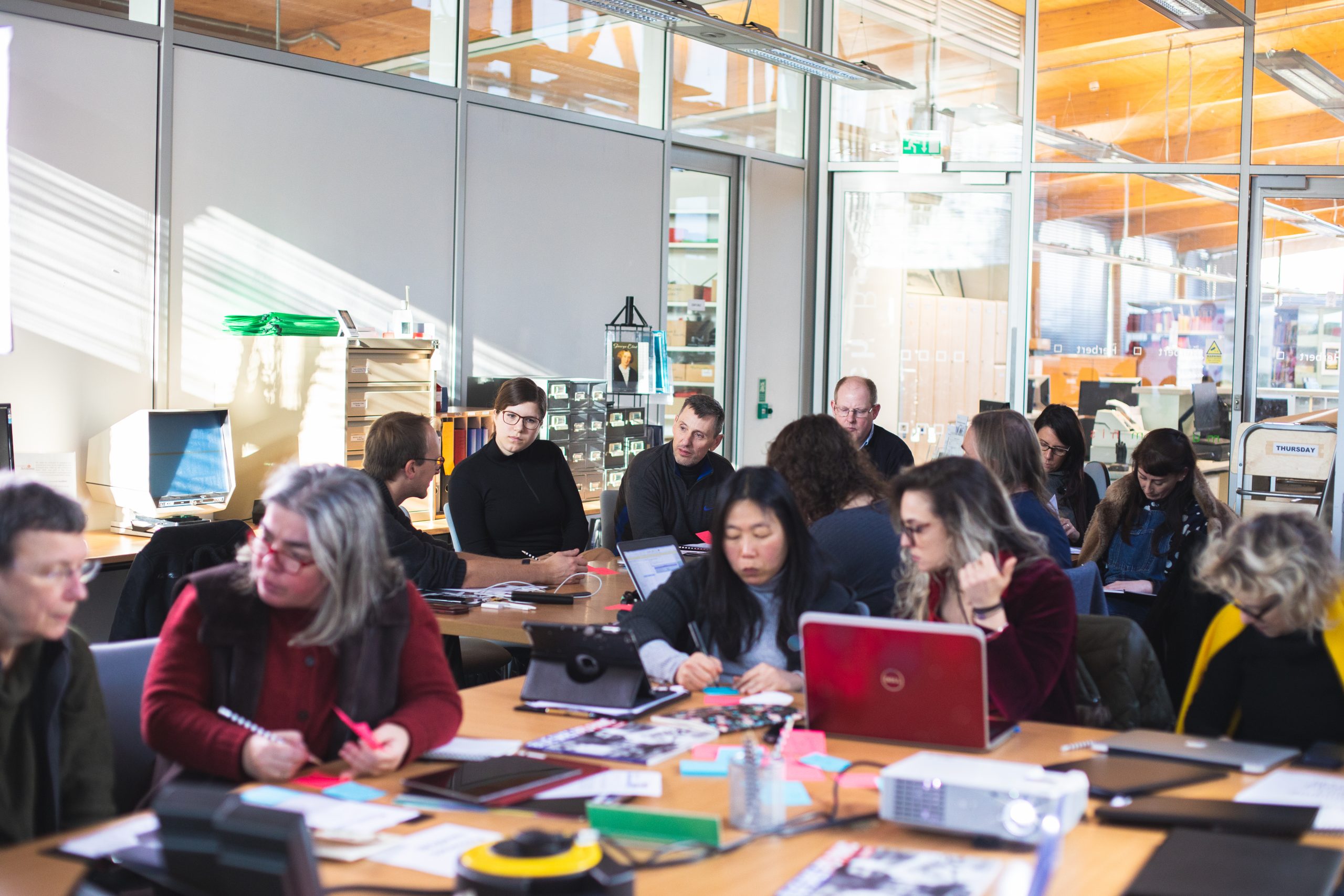 The project
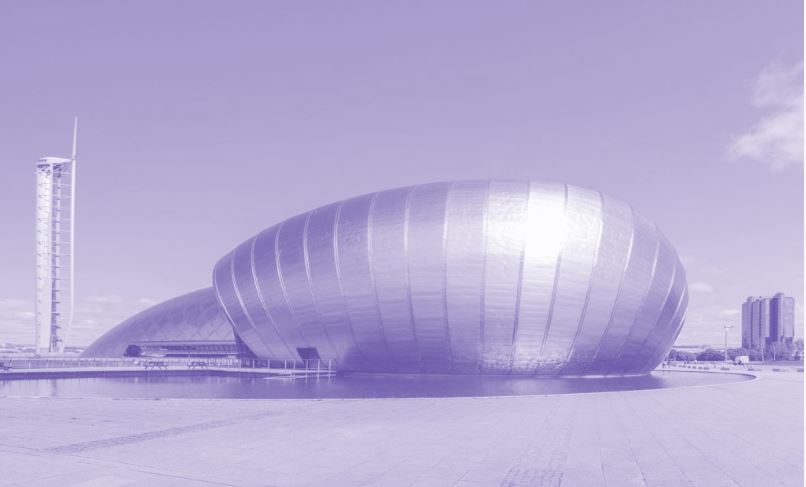 Reimagining Museums for Climate Action asks designers, architects, academics, artists, poets, philosophers, museum professionals and the public at large to radically (re)imagine and (re)design the museum as an institution, to help bring about more equitable and sustainable futures in the climate change era. The competition aims to explore how museums can help society transform to a low carbon future, adapt to the impacts of climate change, and safeguard ecosystems.