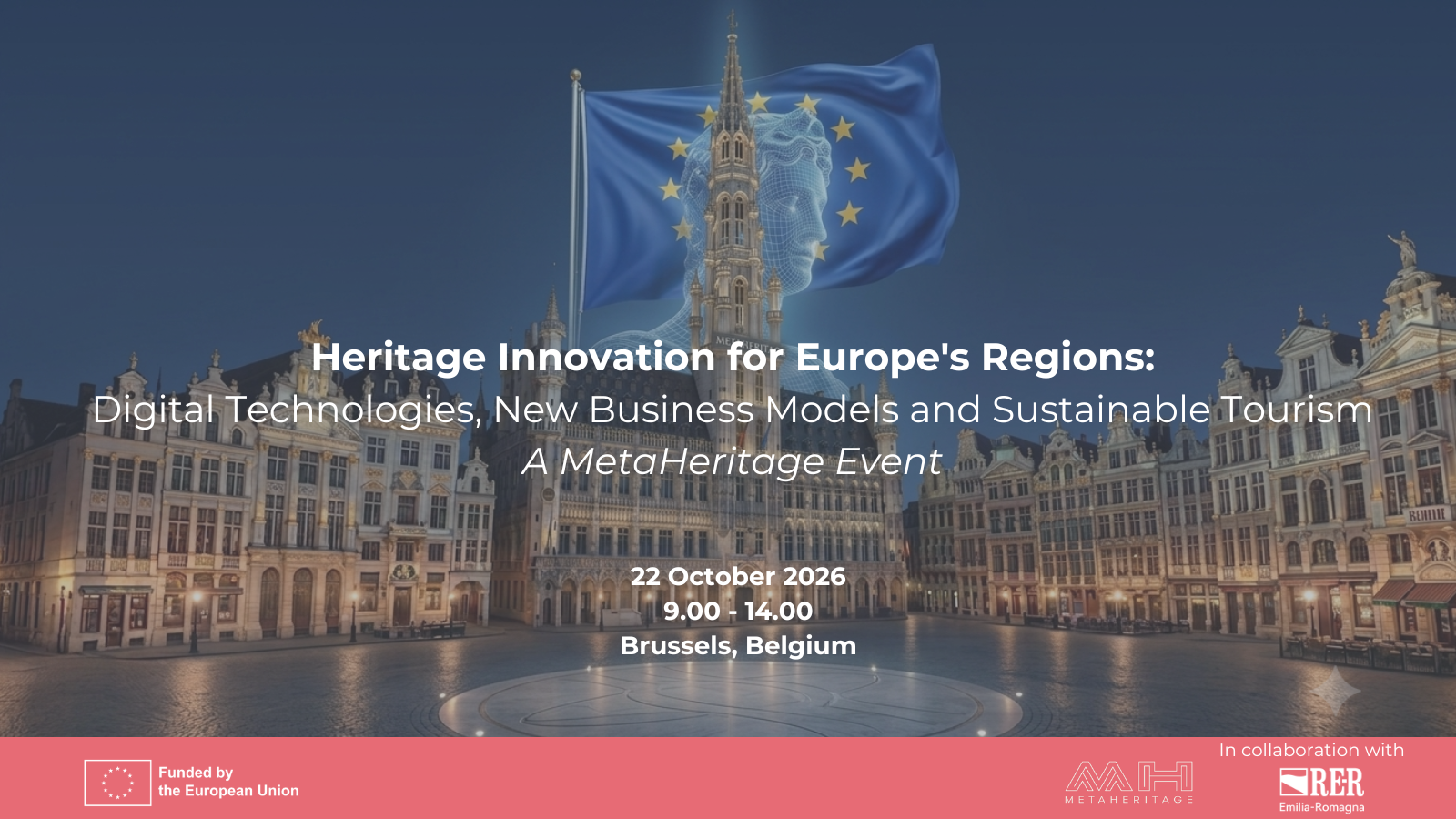

Join the European Heritage Hub to its upcoming Policy Talk, ‘INNOVATE. PROTECT. EMPOWER. How cultural heritage can make Public AI a reality’, taking place online on 29 September, from 16:00 to 18:00 CET. The Policy Talk will explore the vision … Continue reading
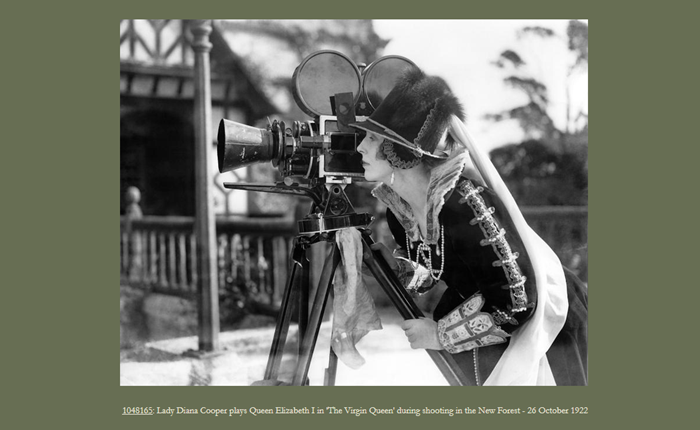
As cultural heritage increasingly moves into digital environments, professionals and organisations working with images and photographic collections face a range of challenges — from digitisation and data management to interoperability, access, reuse and the adoption of new technologies. In the context … Continue reading
Topic: museum & library information systems
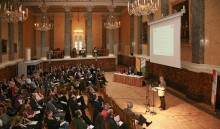
This year’s MUZEUM@DIGIT will be special as we celebrate the 5th conference since the start in 2013. The conference has become an important event in the Hungarian and international museum sector, hundreds of museum professionals have participated so far. All of … Continue reading
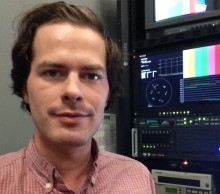
This is the seventh in a series of interviews with people using MediaConch within their institutions. Brendan is AudioVisual Digitization Technician at the University of California. He is using MediaConch both on the raw XDCAM captures, to make sure that they’re appropriate inputs to the ingest script, and on the outputs, to make sure the script is functioning correctly. Continue reading
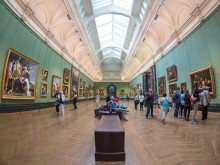
August 16 2017 The National Gallery, London, is working in collaboration with museum analytics firm, Dexibit, to use big data for predictive analytics. For decades, directors at the helms of the world’s cultural institutions have faced the challenge of balancing … Continue reading
The fourth edition of the TECHNOLOGYforALL Forum will be held in Rome from 17 to 19 October 2017. Italy’s role in the development and conservation of the world Heritage is a framework where we will try to analyse the weighted … Continue reading
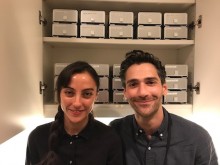
This is the sixth in a series of interviews with people using MediaConch within their institutions. Ben and Geneve work in the Audio and Moving Image Preservation Unit at at New York Public Library. MediaConch is an integral part of the Quality Control workflow to reformat audio and moving image research collections and specific policies have been created to this purpose. Continue reading

Emotive is an EU-funded heritage project that aims to use emotional storytelling to dramatically change how we experience heritage sites. For heritage professionals, the Emotive application will provide a powerful storytelling engine and a set of rich digital media assets … Continue reading

The PREFORMA project that commissioned and funded the development of veraPDF draws to an end this year. Recent activity has been focused on PREFORMA acceptance testing, formalising the decisions of the PDF Association’s Technical Working Group and fixing issues reported by the community. In this webinar, the veraPDF Consortium will present the results of recent development and the plans for life after PREFORMA. Continue reading
FICC 2018 provided a forum for researchers from both academia and industry to share their latest research contributions, future vision in the field and potential impact across industries. FICC2018 allowed attendees to exchange knowledge with the common goal of shaping … Continue reading

Julia Kim is the Digital Assets Specialist at the American Folklife Center at the Library of Congress. So far, she has primarily used MediaConch to create reports for new and incoming born-digital video from the Civil Rights History Project and the DPX files from digitizing celluloid film. Continue reading
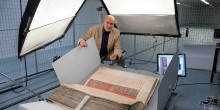
Digital preservation means taking precautions to ensure long-term access to digital content. It mitigates the risk of files becoming obsolete or unusable in the future. The PREFORMA tools help you validate incoming file formats and codecs against their standard specification, define custom acceptance criteria, and build an efficient ingest workflow. Download and try them from the PREFORMA Open Source Portal! Continue reading