

-
Join the
Digital Meets Culture
Open Newsroom! If you have interesting news and events to point out in the field of digital cultural heritage, we are waiting for your contribution.

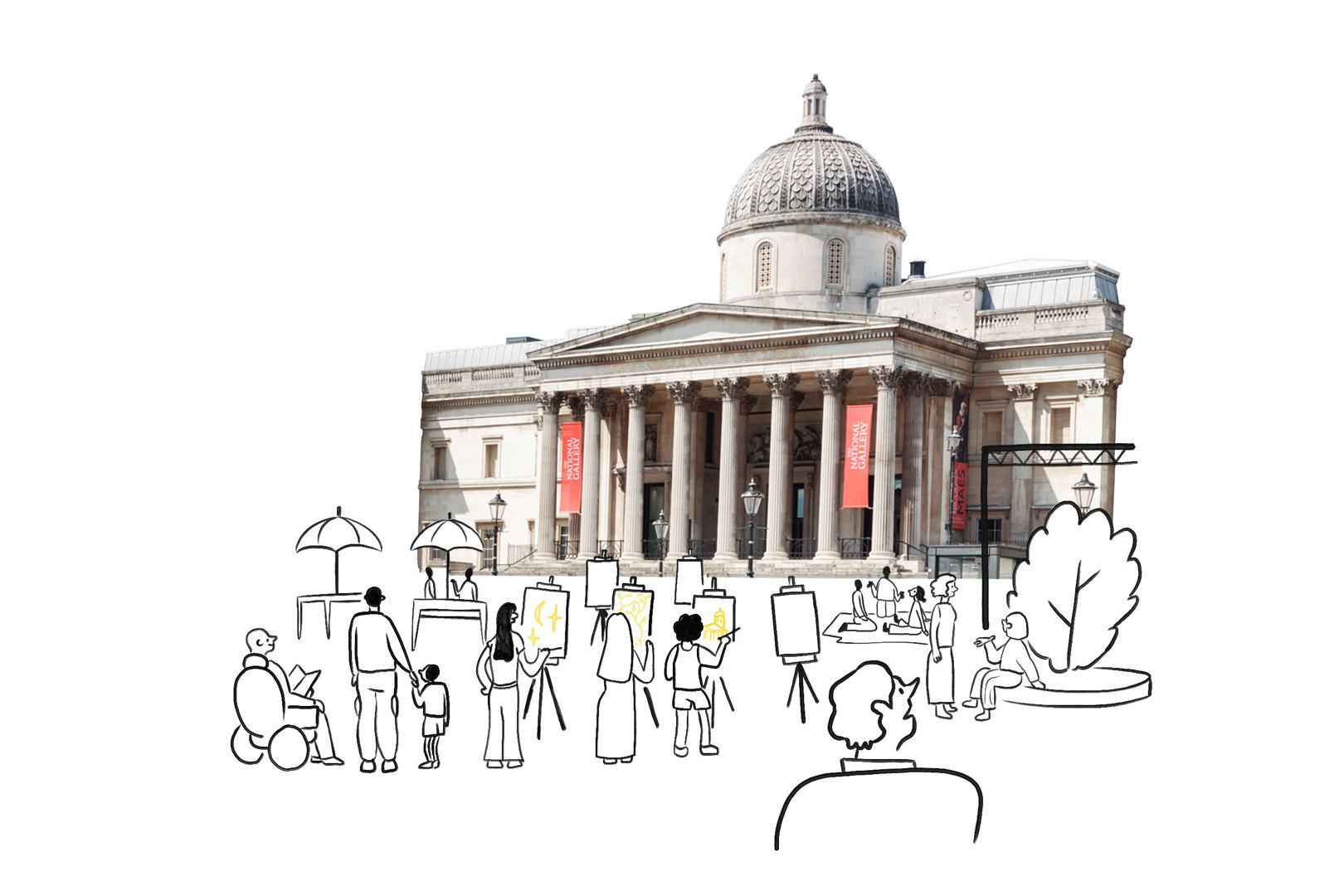
On May 10, 2024, the National Gallery will start its celebration of the Bicentenary – marking 200 years of bringing people and paintings together. Throughout the entire year, it will celebrate its past and look forward to its future … Continue reading

The festival of contemporary electronic music and transitory art SONICA, which will take place in Ljubljana between 18 and 20 April, has finalised its 2024 lineup. SONICA is a Ljubljana-based festival that champions diverse niche trajectories in contemporary music … Continue reading
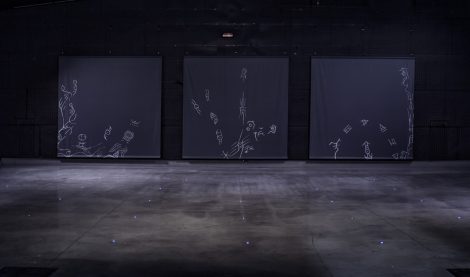
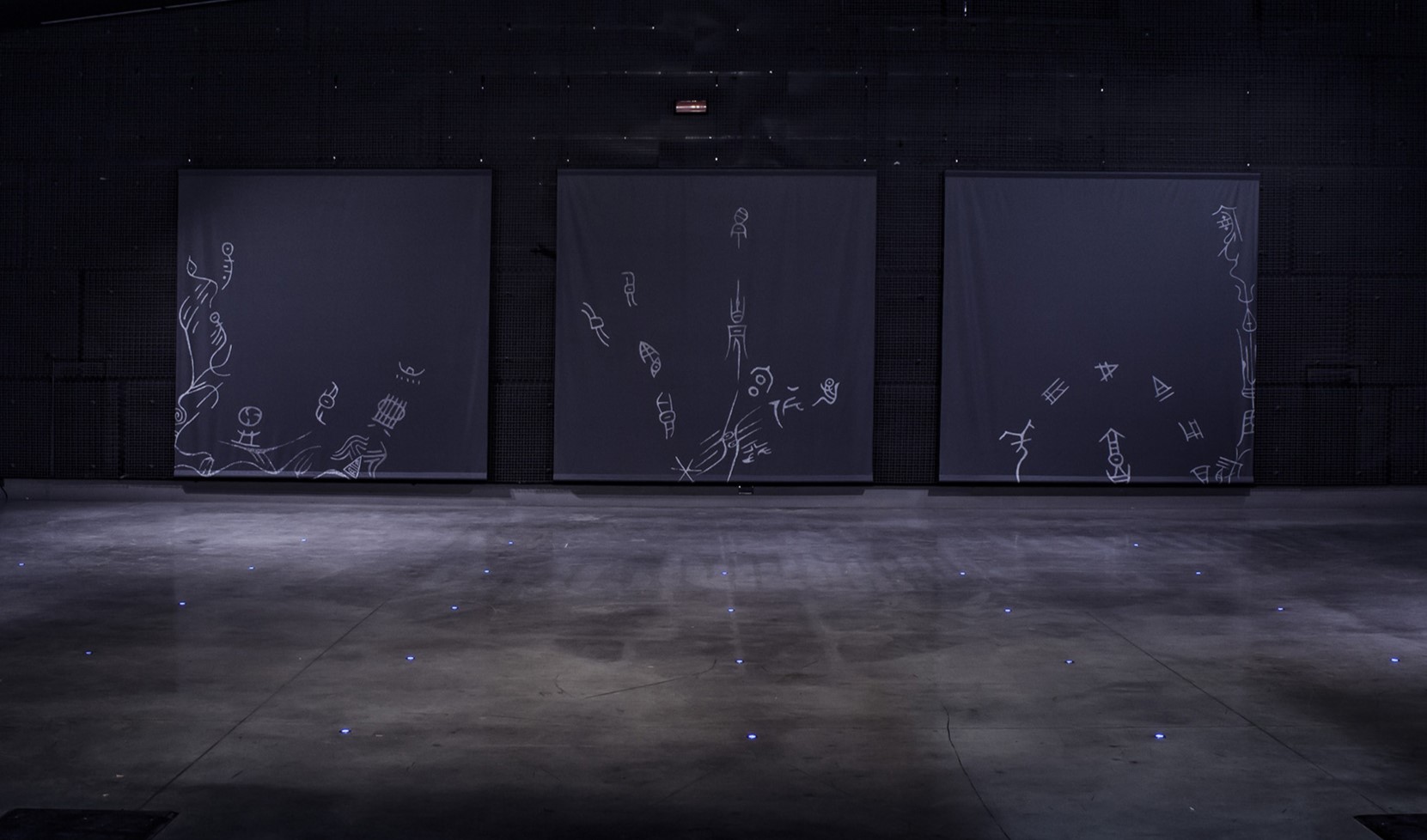
Graphiae, the digital artist Gianluca Cingolani’s new project, was unveiled at Porta di Milano, Terminal 1 of Milan Malpensa International Airport. Graphiae takes us back to thousands of years ago, when one of the greatest inventions was made. It … Continue reading
EUreka3D project was presented at the Spanish Presidency Europeana Conference back in October the 17th 2023, by project coordinator Antonella Fresa. The conference fostered a multidisciplinary dialogue on 3D capacity building for the cultural heritage sector, in order to promote … Continue reading
The new edition of the Image and Research Conference (18th Antoni Varés Conference) will be held in Girona from November 20th to 23rd, 2024. The event is organized by one of the founding members of PHOTOCONSORTIUM, Ajuntament de Girona, which has … Continue reading
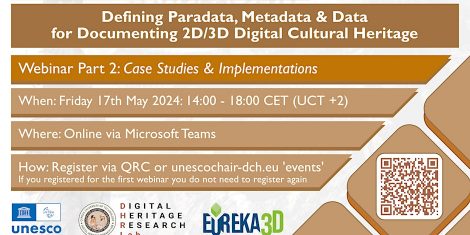
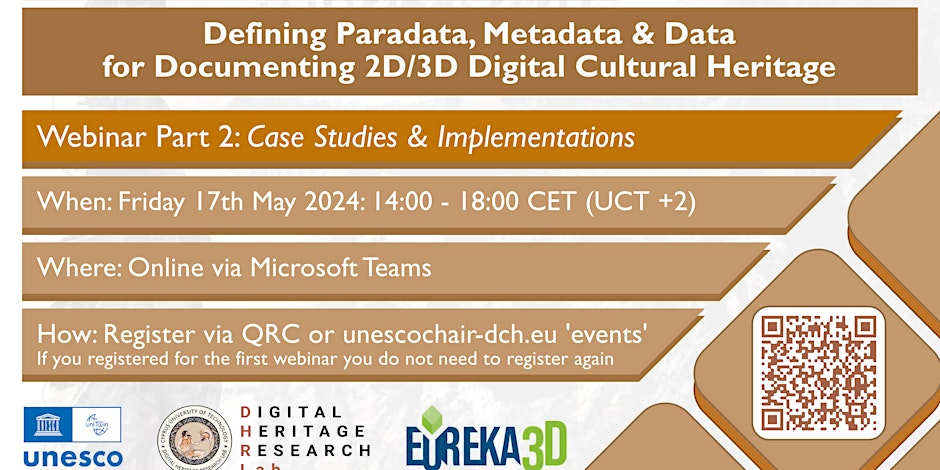
This webinar in two parts will bring together professionals from the spectrum of Digital Cultural Heritage practice to share their experiences of using and working with paradata seeking to lay down a common understanding of paradata as a first step … Continue reading

Thinking Faro Forum is organised by the municipality of Faro in Algarve, and is attended by various stakeholders, university students and citizens. The representative of the INCULTUM pilot on the Campina de Faro will present the results of the activity … Continue reading
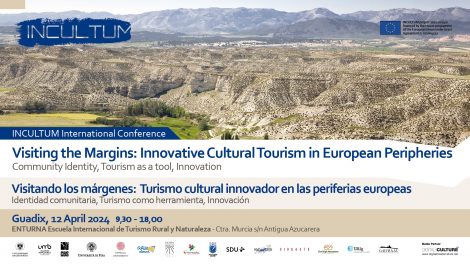
Everything is ready for the final conference of the INCULTUM project. The international event will take place in Guadix on 12 April 2024 with a program of very interesting speeches from the project’s partners and invited scholars and researchers. The … Continue reading

The 1st Workshop on Serious Games in Well-being, Environment, Digital Heritage and Other Applications will be held in conjunction with SYNASC 2024 on September 16-19 2024, in Timisoara, Romania. Serious games address practical problems by using games as a backbone … Continue reading
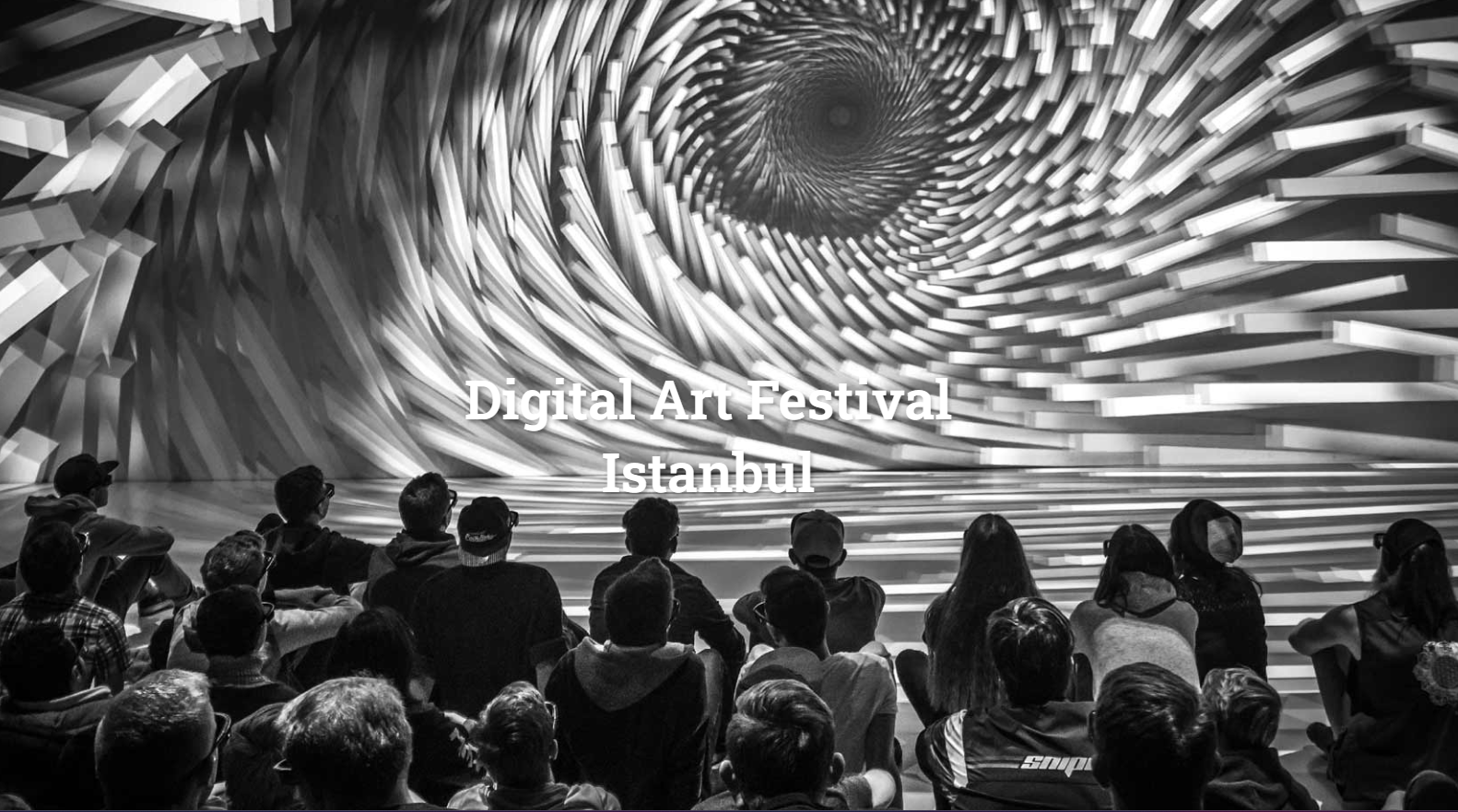
The BOBCATSSS conference is an international annual academic event focusing on library and information science. It is primarily organized by and from students from various universities across Europe. BOBCATSSS 2025 will take place on 21-23 January 2025, in Istanbul, under … Continue reading
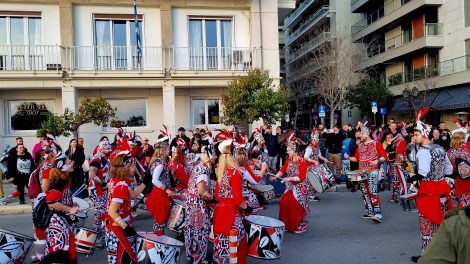
In Thessaloniki, Greece, the Transnational Project Meeting titled “RE-CULTURAL HERITAGE: Reviving of Cultural Heritage: Social and Economic Empowerment of Rural Areas” held on March 11-12, 2024. Kamila Borseková (Matej Bel University) delivered presentation on “Empowering Heritage Communities: Participatory and Digital … Continue reading
A new and promising editorial project titled “Endangered Heritage Sites: From eidotypes to enriched representations and design solutions” is launched and the call for book chapters is now open. The book delves into the potential of digital surveying methodologies … Continue reading