EUDAT Conference and EUDAT Training Session at ISC Big Data 2014
A common vision of sustainability for research and e-infrastructures…
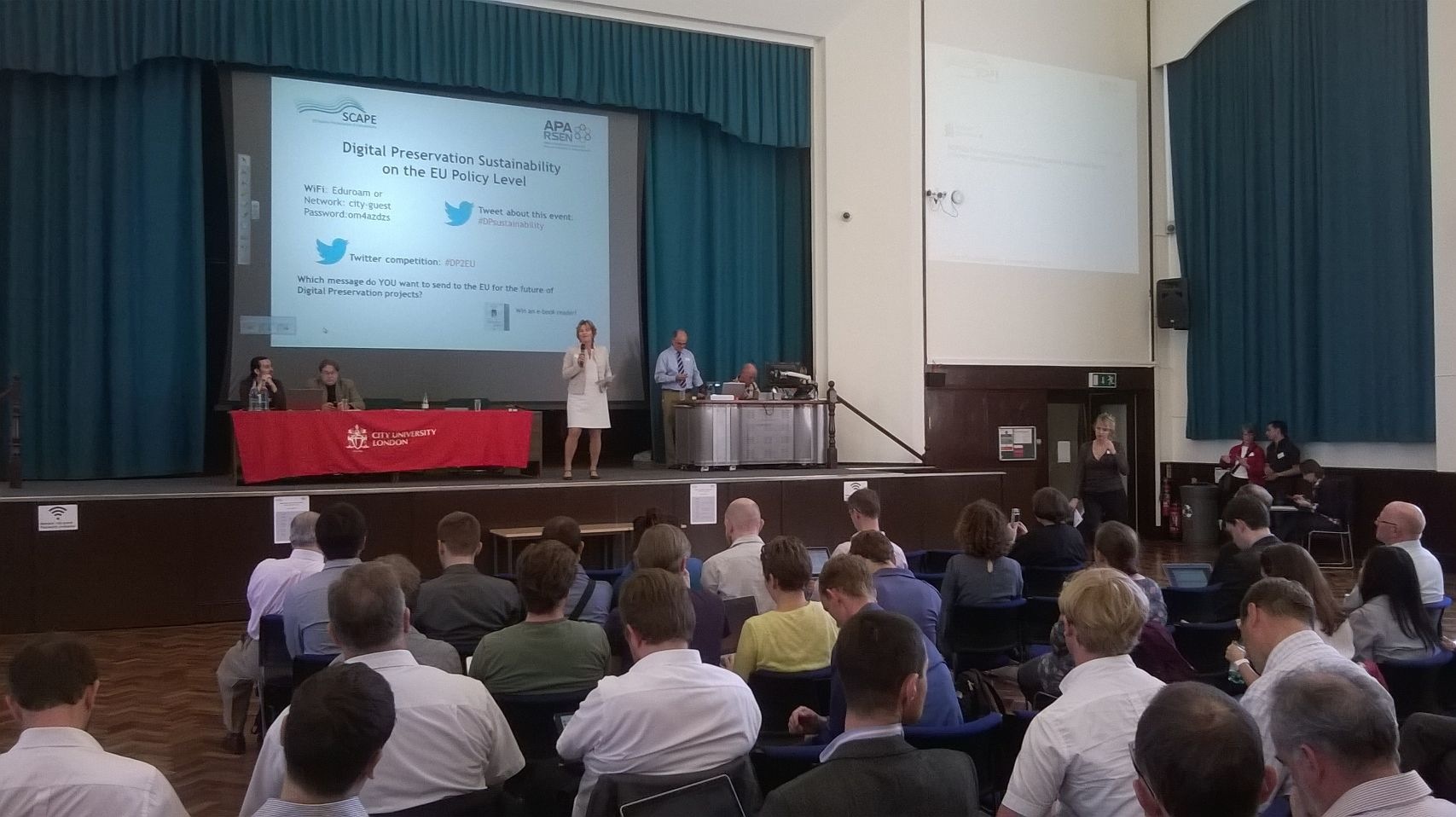
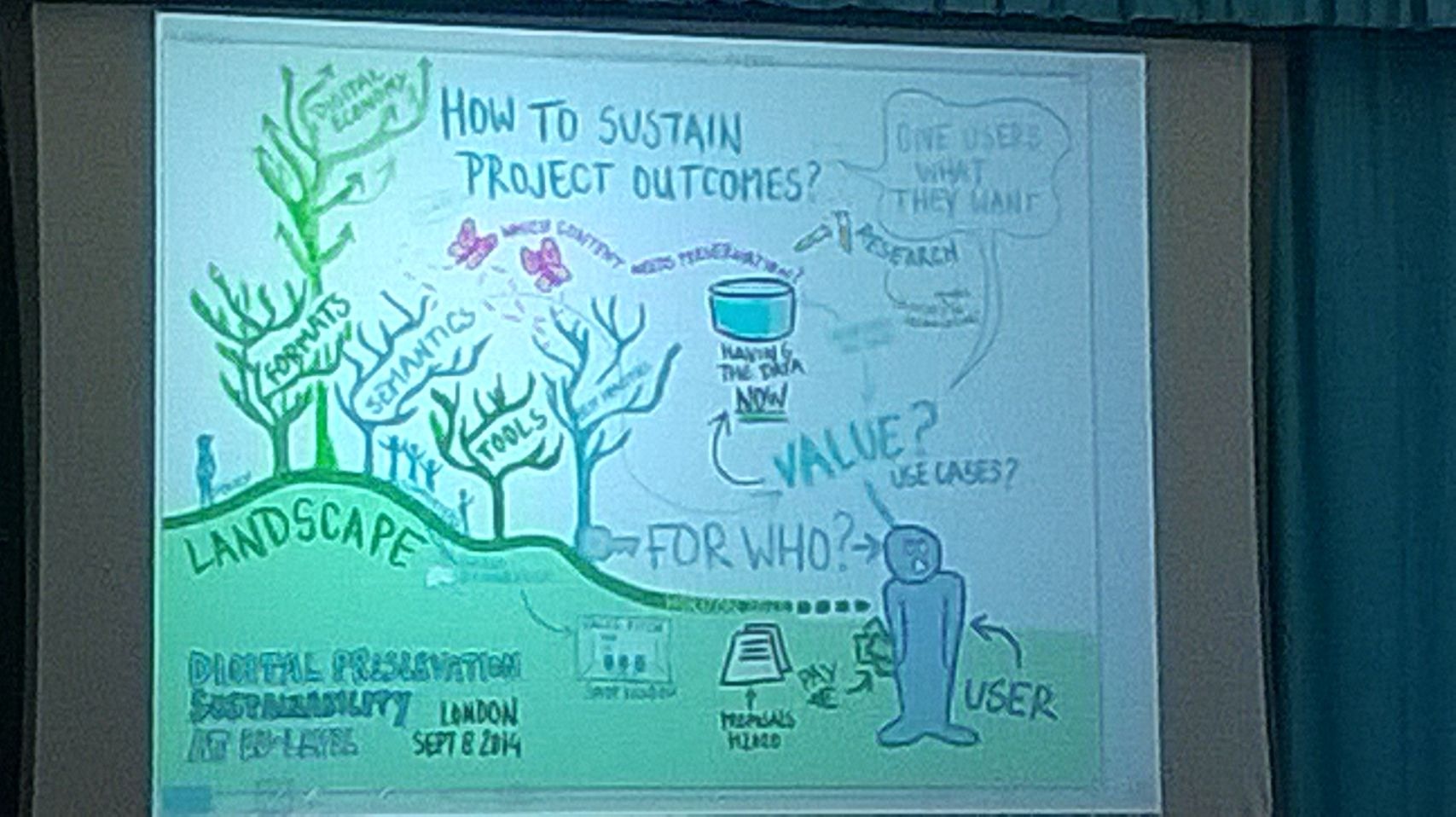
Sustainability lies at the heart of EUDAT’s mission of designing, implementing and offering common data services and infrastructures. However, to date, there is no common vision of what sustainability for research and e-infrastructures should encompass. The topic of sustainability will be framed in the overall context of the conference theme, ‘Bringing data infrastructures to Horizon 2020’.
The Opening Plenary at the 3rd Conference (Amsterdam, 24-25 September 2014) sets the scene and outlines the policy perspectives on bridging national, European and international solutions in the area of data infrastructures and data management, with a focus on EU-US cooperation. Presentations from Ed Seidel, Director, US National Center for Supercomputing Applications, Carl Christian Buhr, Member of the Cabinet of Ms Neelie Kroes, Vice-President for Digital Agenda, European Commission, and Kimmo Koski, Managing Director, CSC – IT Center for Science, Finland, and EUDAT Coordinator, will address the data infrastructure divide between disciplines, communities and countries, and explore how European cohesion can be fostered as we go forward.
Sustainability has many strands, ranging from ensuring funding for the maintenance and upgrading of the physical networks and servers, to data storage and curation, and the development of ontologies for annotating data and enabling the integration of data sets – both within and across academic disciplines. It is also necessary to scope future timeframes – does sustainability mean keeping data secure and available for five years, or ten, or longer?
In his presentation entitled “What could possibly go wrong?”, David Rosenthal, leader of the LOCKSS (Lots Of Copies Keep Stuff Safe) Program at the Stanford University Libraries, will outline their intense work to preserve web-published academic literature and other types of digital content for more than 15 years. What lessons have they learned that apply to the preservation of scientific data?
The success of Europe’s €77 billion science programme, Horizon2020 (which runs from 2014-2020), hangs not only on the quality of the research and the depth of collaboration, but also on adequate curation and management of the outputs, to make the results widely available and support the creation of new knowledge from existing data. Since most R&D funding in the EU occurs at member state level, this is obviously a topic of broader significance.
A panel discussion with representatives from BioMedBridges, CRISP, DASISH, ENVRI, EUDAT and iMarine will debate the road ahead, in particular looking at how they see the landscape evolving and what sustainability plans and models they envisage will be needed. The era of big data, the Internet of Things, the digitisation of biology and the increasing number of large scientific infrastructures in Europe are generating volumes of data that are moving beyond the capacity of physical storage systems. All of this i s transforming the discipline of data management.
In the face of this disruptive change, current approaches to sustainability are fragmented. Worse, the topic of curation and preservation of digital archives (to conserve the data generated by publicly-funded research) is frequently overlooked and ignored when grants are awarded. Policies need to be consistent from the bottom up – from individual institutions through to the national research level and also at a pan-European level.
The parallel sessions continue the theme of policy and sustainability of data infrastructures, as well as detailing how EUDAT is rising to the challenges faced by researchers who still lack a comprehensive data infrastructure allowing them to share raw data and research findings. Working closely with researchers, the project has created a suite of data services – the B2 family – which enables European researchers and practitioners from any research discipline to find, store, share, replicate, compute, preserve and process data, thus making it possible for them to carry out research effectively. The involvement of research communities from the early stages has led to user-friendly services that meet real-life needs.
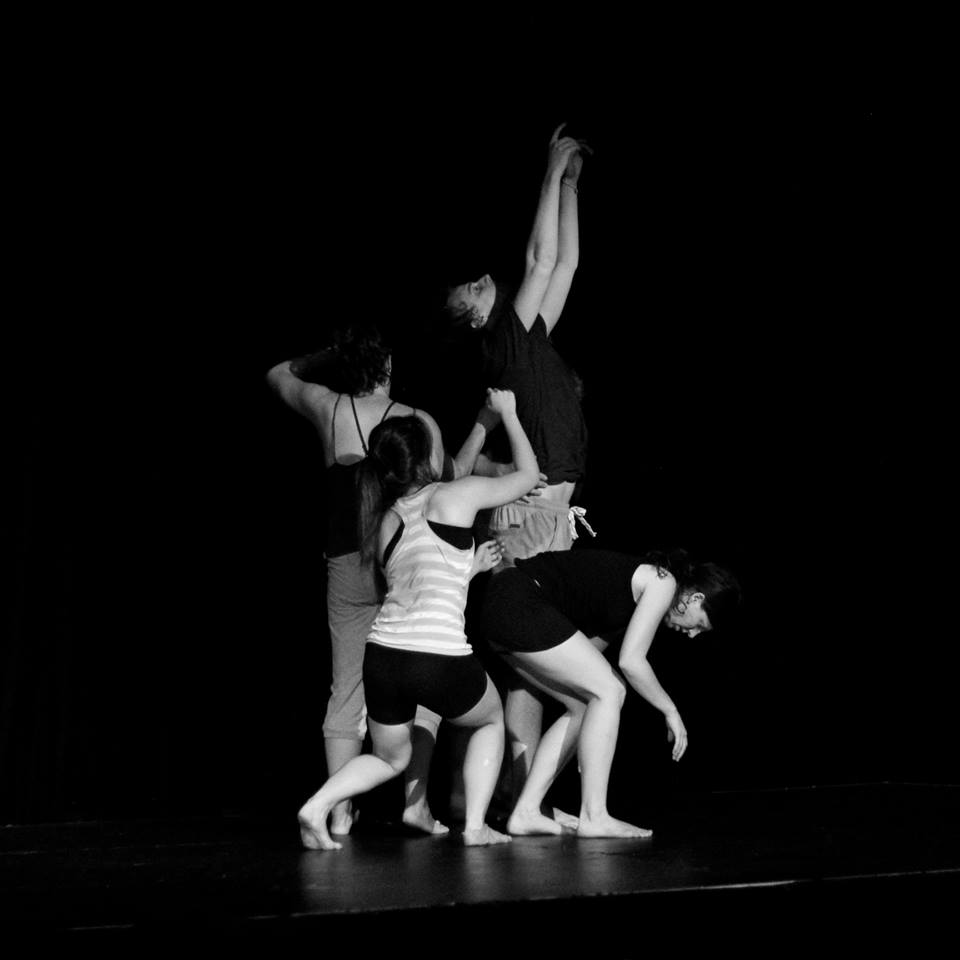
Not all business takes place in the boardroom: the conference offers two special networking opportunities for participants to continue discussions in an informal atmosphere: the networking cocktail and poster session on Wednesday 24 September (with over 300 participants) – an ideal setting to showcase your initiative, and Come Dancing on Thursday 25 September – a chance to relax after the event.
We invite you to join us at the EUDAT Conference on 24-25 September 2014 in Amsterdam. Participation is free of charge, but you will need to register on the EUDAT website.
Have a look at the posters submitted so far for the poster session and submit your own poster via the EUDAT website until 15 September.
Prepare yourself for the challenges of big data – attend our exclusive EUDAT training session at ISC Big Data 2014
The programme for the EUDAT data-infrastructure training on 30 September, co-located with ISC Big Data 2014, is now available on the EUDAT website. Join us in Heidelberg to find out what EUDAT is working on described in the context of the three Vs of Big Data (volume, velocity and variety). You can find out what our services have to offer you and how they can help you to do research in new ways, as well as learning about the crucially imp ortant legal aspects of data sharing. Attendance is completely free of charge, but registration is necessary – register via the event web page today.
We’ll also be at the annual supercomputing conference SC14 in New Orleans, so if you’re attending, make sure you drop by to find out more about what EUDAT can do for you.





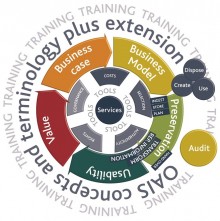
 The 2014 APA conference launches the APA Centre of Excellence (CoE).