

FICC 2019 aims to provide a forum for researchers from both academia and industry to share their latest research contributions, future vision in the field and potential impact across industries, with the common goal of shaping the future of Information and Communication.
We’d like to invite you to submit your papers/posters/demo proposals for the Future of Information and Communication Conference (FICC) 2019 to be held from 14-15 March 2019 in San Francisco. The conference is technically co-sponsored by IEEE.
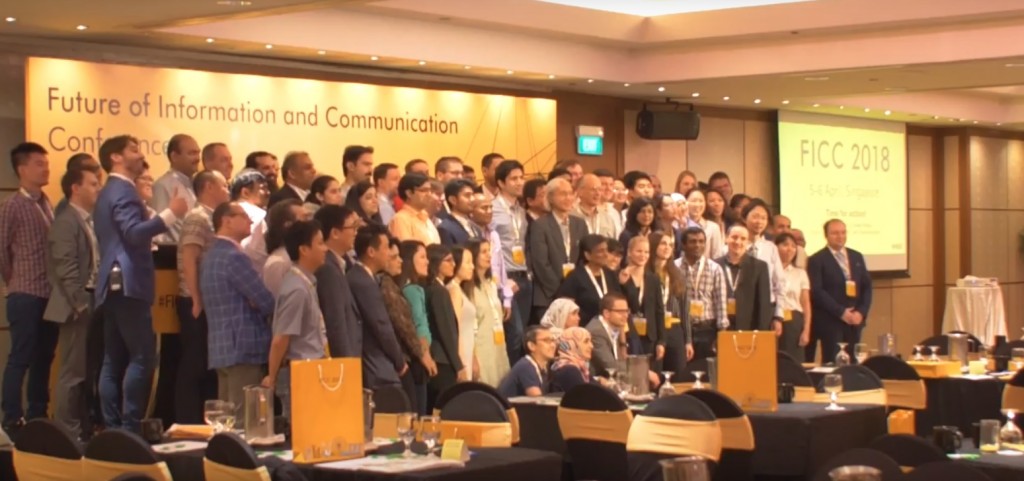
FICC 2019 aims to provide a forum for researchers from both academia and industry to share their latest research contributions and exchange knowledge with the common goal of shaping the future of Information and Communication.
The conference programme will include paper presentations, poster sessions and project demonstrations, along with prominent keynote speakers and industrial workshops.
Important Dates
Paper Submission Due : 15 June 2018
Acceptance Notification : 15 July 2018
Author Registration : 15 August 2018
Camera Ready Submission : 15 September 2018
Conference Dates : 14-15 March 2019
Complete details are available on the conference website : http://saiconference.com/FICC
All FICC 2019 presented papers will be published in the conference proceedings and submitted for indexing to IEEE Xplore, Scopus, Inspec, Google Scholar and more.
 EUCIDA is a EU Creative Europe project led by South Dublin Arts Centre Company Ireland, in partnership with Le Département du Territoire de Belfort (France) and Rezeknes Novada Pasvaldiba (Lativa). It is an interactive and innovative community of digital, media and technology artists, curators, researchers and cultural workers, connecting to imagine new ways of artistic mobility, to use technologies as a vector and to augment the sharing of experience, creative practice and opportunities transnationally both for artists and new audiences in reality and virtually.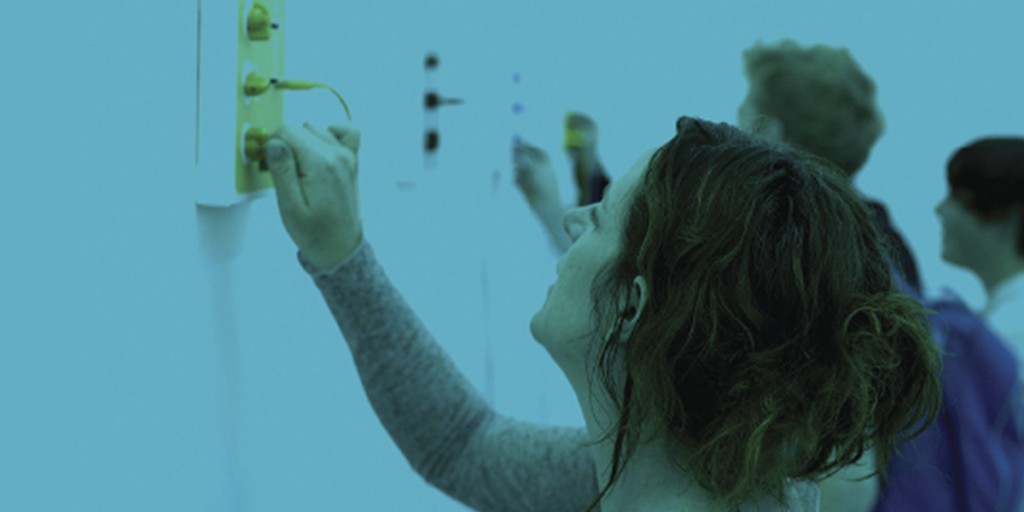

 The workshop intends to produce a self- consciously work about social awareness and to engage a debate about the way we organize society and our lives, focus on our personal choices and their influence in our relationships, social and political life.
 Time: 12 hours divided into 3 days.