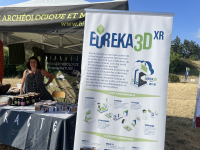

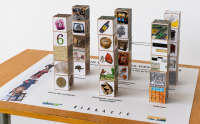
Developed by project partner Bibracte in the context of EUreka3D-XR, two Open Educational Resources (OER) on XR technologies and cultural heritage: “On the Shoulders of the Celts – How yesterday’s inventions have made today’s digital world possible“, a step-by-step guidance … Continue reading

Paper for the 19th Image and Research Conference in Girona, 19-20 November 2026. Abstract Historical photographic archives contain considerably more information than the comparatively small number of images traditionally selected for digitisation and publication. United Archives is therefore developing a … Continue reading
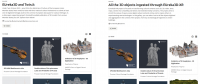
Starting today, it is possible to explore every single object that has been ingested on Europeana through EUreka3D-XR project. Produced by project coordinator Photoconsortium, two new galleries are now available on Europeana: one where all the 3D digitised, reconstructed and … Continue reading
Area: digital heritage
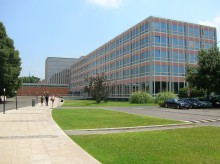
PREFORMA project has been presented during a workshop organised by DCH-RP (Digital Cultural Heritage – Roadmap for Preservation) on 22 September 2014 at the National Central Library of Rome, under the umbrella of the Italian EU Presidency. Continue reading
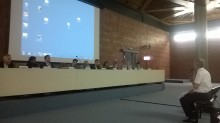
The main objective of the workshop, organised at the National Central Library of Rome under the umbrella of the Italian EU Presidency, has been to provide an overview of the main outcomes achieved by the DCH-RP project, focusing on the Roadmap for Preservation of Digital Cultural Heritage and on the potential role of e-infrastructure in the preservation of DCH. Continue reading

The digitization activity of libraries focuses on text, rather than on images, and makes the book pages available as PDF or text searchable works, while the illustrations are difficult to be search and found. This project recovers those parts of the page which include images: the images are cropped, cleaned up, and uploaded to Flickr along with the text that appears next to them, detailed description and searchable tags. Continue reading
There are other advantages in having only ebooks. The archive consists of about 135,000 ebooks, and funds are available for acquiring, on demand, new e-texts that are not present yet in the library; in a physical library with shelves and pyles of volumes, to have such a richness and amount of books would not be possible – and next to that, search and retrieval of information would be certainly more difficult than within the digital library. Continue reading
A joint Preservation Workshop at the RDA Plenary where attendees can provide their views and requirements to four major initiatives, APARSEN, SCIDIP-ES, EUDAT and DPHEP, which are evolving beyond the end of their respective EU-funded projects, and will continue to help organisations to manage and preserve research data. Continue reading
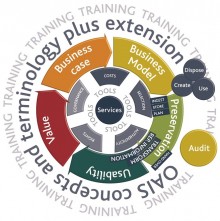
The 2014 APA conference launches the APA Centre of Excellence (CoE). The conference is organised around examples from members showing how they have tackled and overcome their preservation problems. The examples are further grouped around the integrated view of digital preservation which APARSEN has brought together. Continue reading

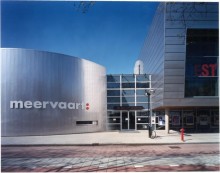
In this issue of the EUDAT news bulletin we bring you the latest updates about the EUDAT conference, which takes place at De Meervaart Conference Centre, Amsterdam from 24-25 September, as well as information about an exclusive EUDAT training session on 30 September, co-located with ISC Big Data 2014. Continue reading
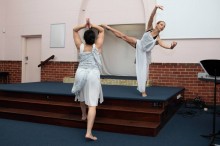
image: ‘The Greeting’ choreographed by Lucinda Coleman. Remnant Dance is a Perth-‐based collective of performing artists with a vision to “create, make, connect” through creative practice and professional arts performance. Continue reading
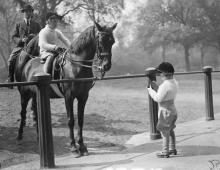
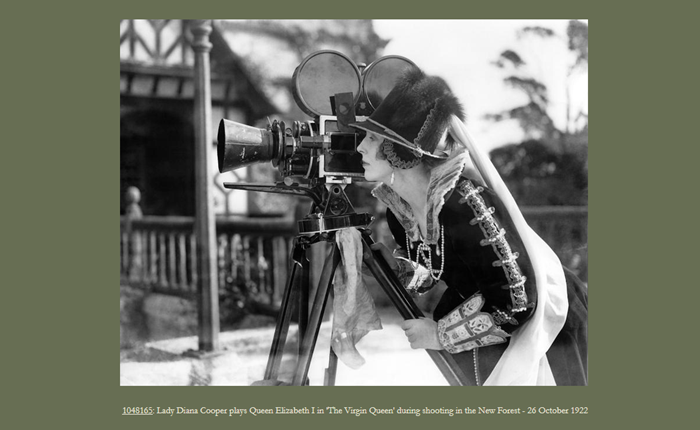
Photography is both a means of personal expression and a witness of present and past days: therefore it’s about cultural heritage and about creativity, and it is a wealth of possibilities for experimentations. Europeana Photography and Europeana Space are two projects strictly linked one to the other on this topic. Continue reading
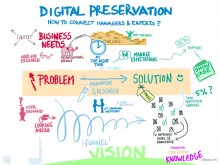
PREFORMA project has been hosted in the DCH-RP stall at the workshop on digital preservation sustainability on the EU policy level organised in London in the frame of the JCLD/TPDL 2014 Conference. Continue reading