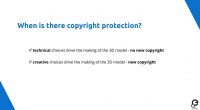



Copyright is the right for an author to control the reproduction and dissemination of literary and artistic works that he/she creates (authorial works). Also protected are the media through which authorial works are made available including sound recordings, films and broadcasts. These rights are called either copyright or neighbouring rights. The rights give to the owner exclusive economic rights for a set period of time to copy the work, issue copies of the work to the public, rent or lend the work to the public, perform, show or play the work in public, communicate the work to the public, and to make an adaptation of the work. The author also has moral rights in the works with the right of integrity and the right of attribution being the most common.