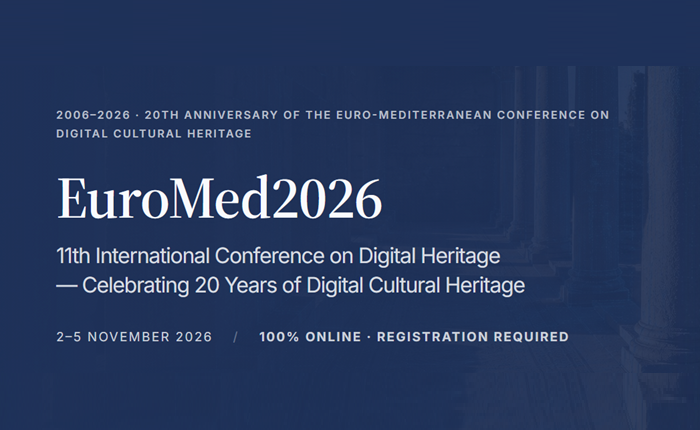

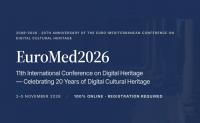
For two decades, EuroMed has provided an international forum where researchers, cultural heritage professionals, museums and memory institutions, technology experts, industry, educators and policymakers come together to exchange knowledge and shape the future of Digital Cultural Heritage. EuroMed2026 continues the … Continue reading
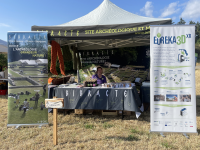
EUreka3D-XR was back in Burgundy for the Roman Days in Autun, where the construction game once again attracted several hundred visitors to the Bibracte stand. This time, there was no demonstration of the application, differently from the event in Arverniales: … Continue reading
The Image and Research Conference aims to foster reflection and the exchange of knowledge on various aspects related to the management of photographic and audiovisual heritage. This year’s edition (19th Antoni Varés Conference) will be held in Girona on 19 and 20 November … Continue reading
Area: digital heritage
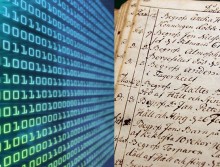
We are pleased to announce that The PREFORMA Handbook is now available to download. This publication is intended as a practical guidebook to be offered as a critical instrument to decision-makers in cultural heritage institutions, to support them in the analysis of problems and the identification of viable solutions, and as a technical reference to managers of digital archives and developers, to offer them guidance on how to use the PREFORMA tools. Continue reading
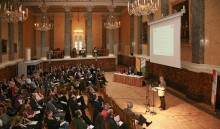
This year’s MUZEUM@DIGIT will be special as we celebrate the 5th conference since the start in 2013. The conference has become an important event in the Hungarian and international museum sector, hundreds of museum professionals have participated so far. All of … Continue reading
4th Council of Europe Platform Exchange on Culture and Digitisation The 4th Platform Exchange on Culture and Digitisation, being organised by the Council of Europe in cooperation with ZKM at the ZKM headquarters in Karlsruhe, from 19-20 October, will try … Continue reading
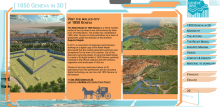
The Relief Model of 1850 Geneva is a 30sm metallic model of the city when it was still enclosed by three rows of fortifications. The model was completed in 1896, after 18 years of study and labour, by a team … Continue reading
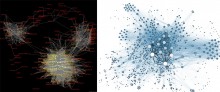
The Collecting Social Photo project is happy to invite creative participants for a workshop in Helsinki, in November 2017, where we will develop prototype interfaces for social digital photography collections. The purpose of the workshop is to ideate together around … Continue reading
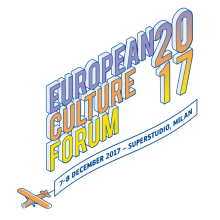
The European Culture Forum is a biennial flagship event organised by the European Commission to raise the profile of European cultural cooperation, to bring together cultural sectors’ key players and to debate on EU culture policy and initiatives. Its 2017 … Continue reading
After the success of the previous EUDAT conference in Amsterdam which brought together more than 300 participants, we are ready to kick-off 2018 with the EUDAT conference “Putting the EOSC vision into practice“. The conference takes place in the stunning … Continue reading
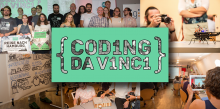
Invitation: First meet-up of European GLAM Hackathon organisers in Berlin Date: 04th of December 2017 from 10 to 15 Venue: Wikimedia Deutschland e.V. Tempelhofer Ufer 23-24 in 10963 Berlin, Germany Host: the organisers of Coding da Vinci (DDB, digiS and … Continue reading
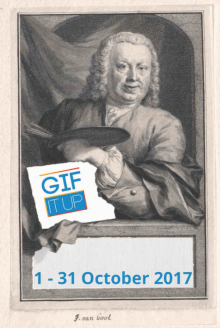
The competition encourages people to create new, fun and unique artworks from digitized cultural heritage material. A GIF is an image, video or text that has been digitally manipulated to become animated. Throughout the month, they can create and submit … Continue reading
Europeana Research is delighted to be launching the second Europeana Research Grants Programme. Applicants are encouraged to come up with individual research projects which make use of Europeana Collections content to showcase and explore the theme of intercultural dialogue. Applicants … Continue reading