

Europeana is Europe’s platform for digital cultural heritage, empowering cultural heritage institutions to share their collections with the world. Through the Europeana website, millions of cultural heritage items from around 4,000 institutions across Europe are available online. We work to share and promote this heritage so that it can be used and enjoyed by people across the world. Our work contributes to an open, knowledgeable and creative society.
The Europeana Foundation is the organisation tasked by the European Commission with developing a digital cultural heritage platform for Europe. It is an independent, non-profit organisation that operates the Europeana platform and contributes to other digital initiatives that put cultural heritage to good use in the world.
Europeana DSI is co-financed by the European Union’s Connecting Europe Facility.
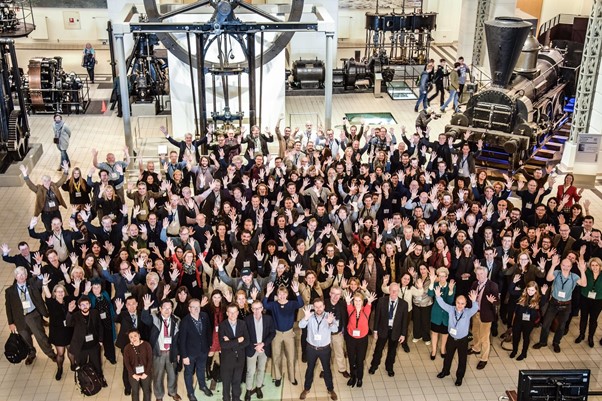
Photo: Gina van der Linden, 2018, CC0
Within WEAVE, Europeana Foundation has several roles. First, to support new content aggregation and offer technical expertise, leading a task on toolkit validation, integration and compliance with the Europeana Core Service Platform. Europeana Foundation is also supports the project’s capacity building activities. It worked with COVUNI and KU Leuven on a series of capacity-building events for cultural heritage professionals on diversity and inclusion, helping them gain a better understanding on how cultural institutions can support a more diverse and inclusive sector (https://weave-culture.eu/capacity-building/europeana-events/). Finally, within WEAVE, Europeana Foundation is working on communication, dissemination and community engagement activities through new Europeana blogs, editorials and a new virtual exhibition developing from the project.
The team involved in the WEAVE project include a number of team members. Michelle Lewis is the Project & Business Development Coordinator in the Programme and Business Development team. She oversees the coordination of Europeana’s generic services projects. Sebastiaan ter Burg, Gina van der Linden and Tamara van Hulst are from the Community & Partner Engagement team. Sebastiaan works on Digital Capacity building for the Cultural Heritage sector. Gina van der Linden manages and coordinates the many events Europeana organises. Tamara van Hulst hosts Europeana’s online meetings and supports the Community & Partner Engagement team activities.