



Destinations are increasingly focusing on fashion to enhance the tourism experiences and empower local communities, especially among indigenous populations, as well as small-scale creators and businesses. A new report from UN Tourism and Università della Svizzera Italiana (USI) makes clear that tourists themselves still need to have a greater awareness of responsible behaviour and deeper appreciation for specific cultural contexts, through education and engagement.
Despite the growth of globalization and e-commerce, fashion-related products such as textiles, jewellery, perfumes, and accessories, still hold the greatest value when purchased at their destinations of origin. These items are more than souvenirs—they are powerful storytellers that connect travellers to the culture, history, and identity of places they visit.
Drawing on case studies from 11 countries (Indonesia, Italy, Lebanon, Mexico, Nigeria, Peru, Republic of Korea, Saudi Arabia, Spain, Switzerland, and Tanzania), the report:
- Shows how fashion and tourism are interwoven to uplift local creators and attract diverse audiences.
- Suggests recommendations on how to create win-win synergies between fashion and tourism key players.
- Promotes tools that create an enabling environment for these stakeholders to co-create new products, while also addressing marketing strategies, branding and sustainability principles.
- Makes clear the need to raise awareness among tourists, encouraging responsible behaviour and deeper appreciation for specific cultural contexts.
By blending traditional fashion expressions with innovation, these examples show different ways the creative industries can serve as a tool for trade opportunities, inclusive growth and cultural exchange, across the globe.
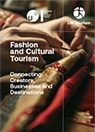 The report Fashion and Cultural Tourism – Connecting Creators, Businesses and Destinations offers an overview of the key concepts and definitions related to creative industries, fashion, and cultural tourism, highlighting how destinations can leverage this synergy to attract visitors while preserving their cultural heritage.
The report is available for free download.
Università della Svizzera italiana (USI) is partner of SECreTour. In addition to coordinate the SECreTour pilot on Monte San Giorgio, it is also home to a UNESCO Chair in ICT to develop and promote sustainable tourism in World Heritage Sites.
Follow SECreTour online also on the SECreTour project’s website.