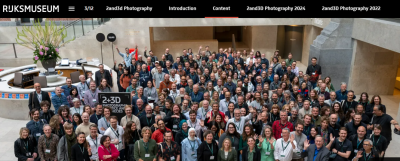


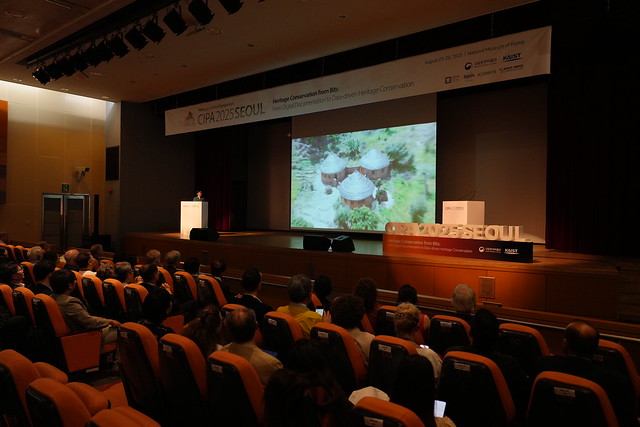
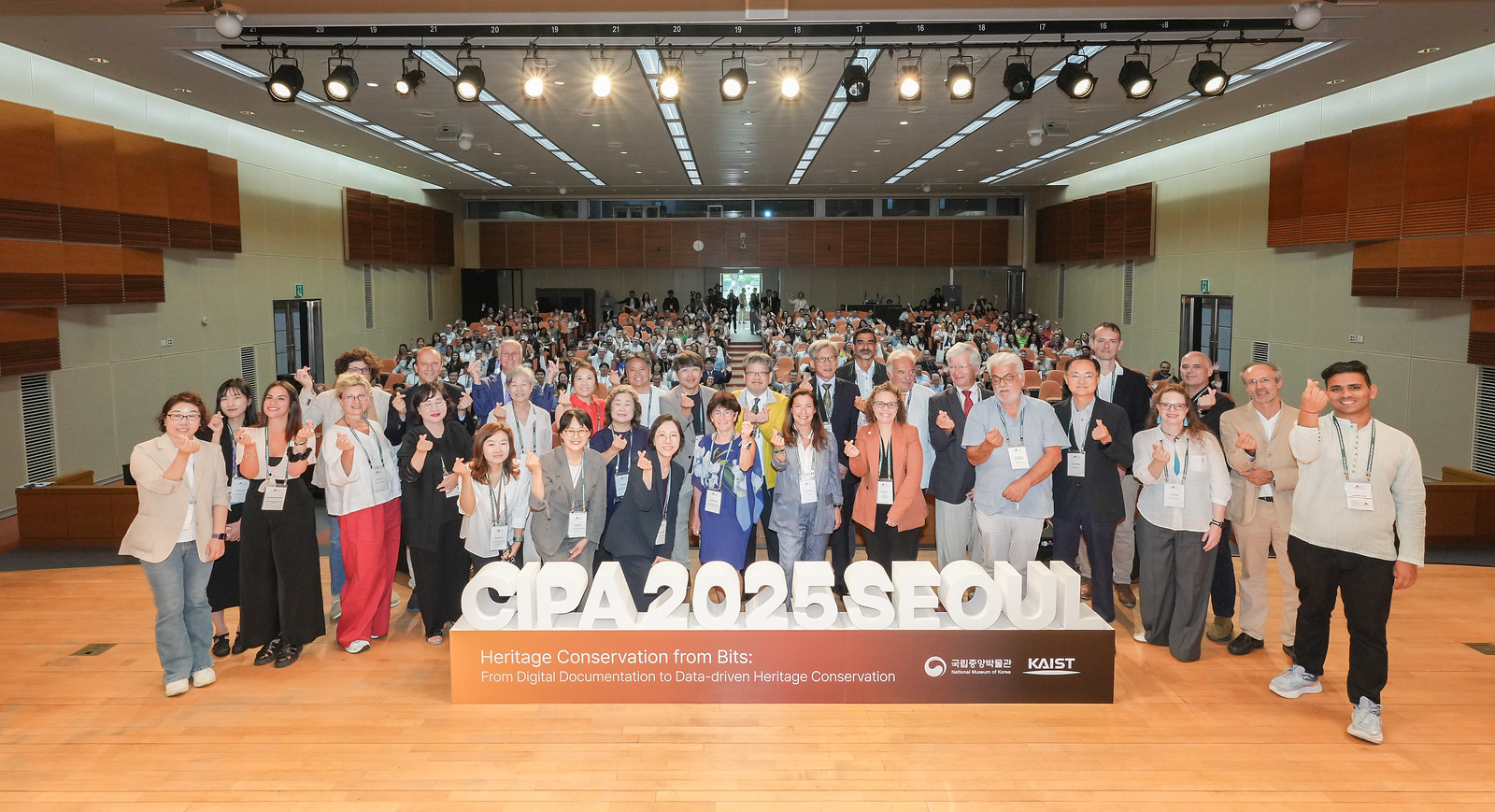
From August 25–29, 2025, Seoul hosted the 30th CIPA Heritage Documentation International Symposium under the theme “Heritage Conservation from Bits: From Digital Documentation to Data‑driven Heritage Conservation.” Organized by CIPA—a longstanding international committee established in 1968 by ICOMOS (International Council on Monuments and Sites) and ISPRS (International Society for Photogrammetry and Remote Sensing)—this biennial event is a cornerstone gathering for professionals in cultural heritage documentation.
We are proud that EUreka3D-XR was prominently represented at this prestigious symposium through e insightful presentation delivered by M. Ioannides from the UNESCO Chair on the CUT partner organization, highlighting the project’s interdisciplinary and innovative strengths.
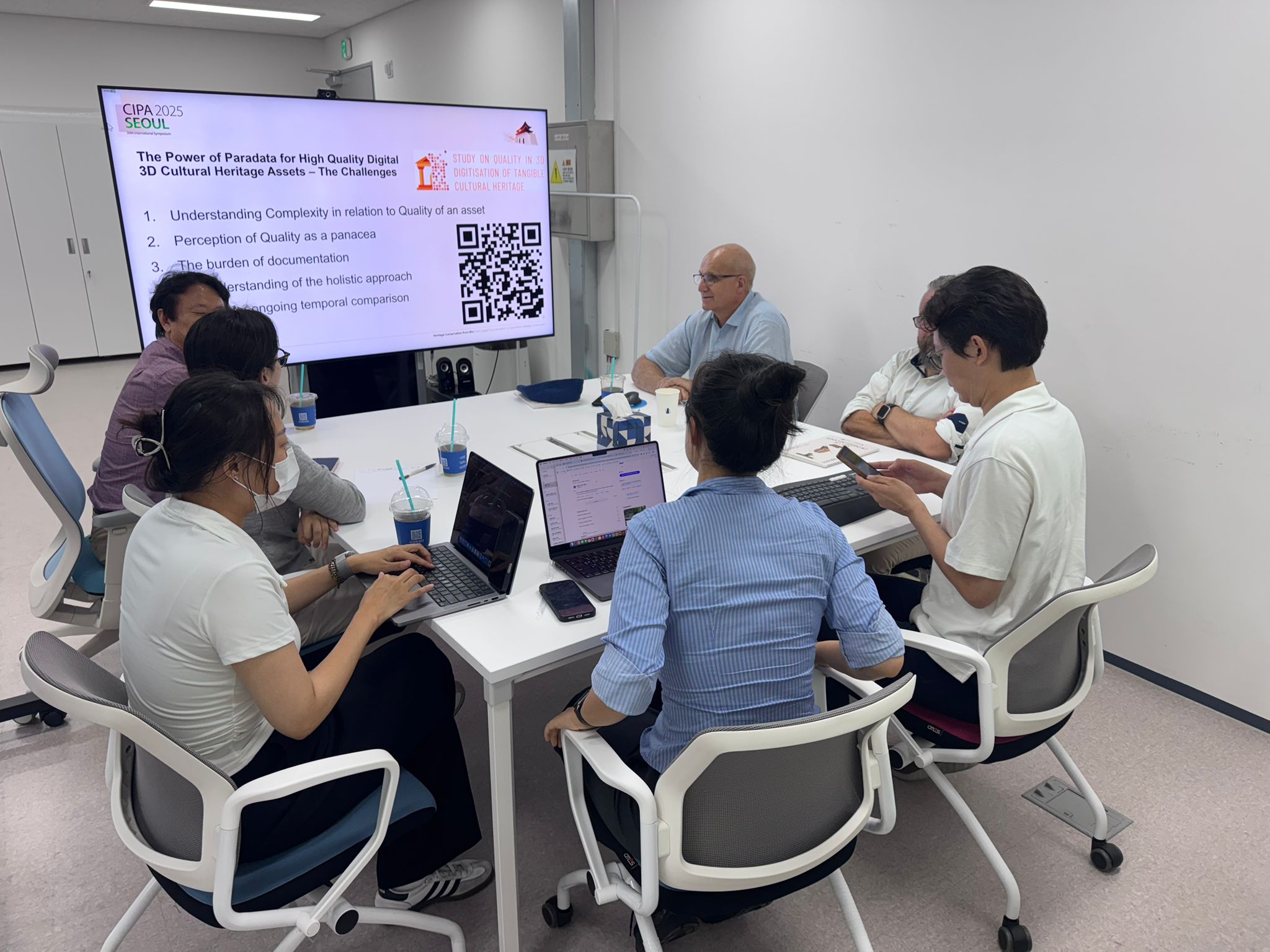
Prof. Marinos Ioannides (Research Center on Digital Cultural Heritage MNEMOSYNE / UNESCO Chair on Digital Cultural Heritage) emphasized the urgent need for quality certification in heritage data acquisition. He argued that without adherence to certified standards, digital heritage risks losing its long-term value. His presentation also underscored the importance of paradata recording—transparent documentation of data capture processes and long-term preservation —to foster trust and accountability. His case study focused in all the three case studies of our projects.
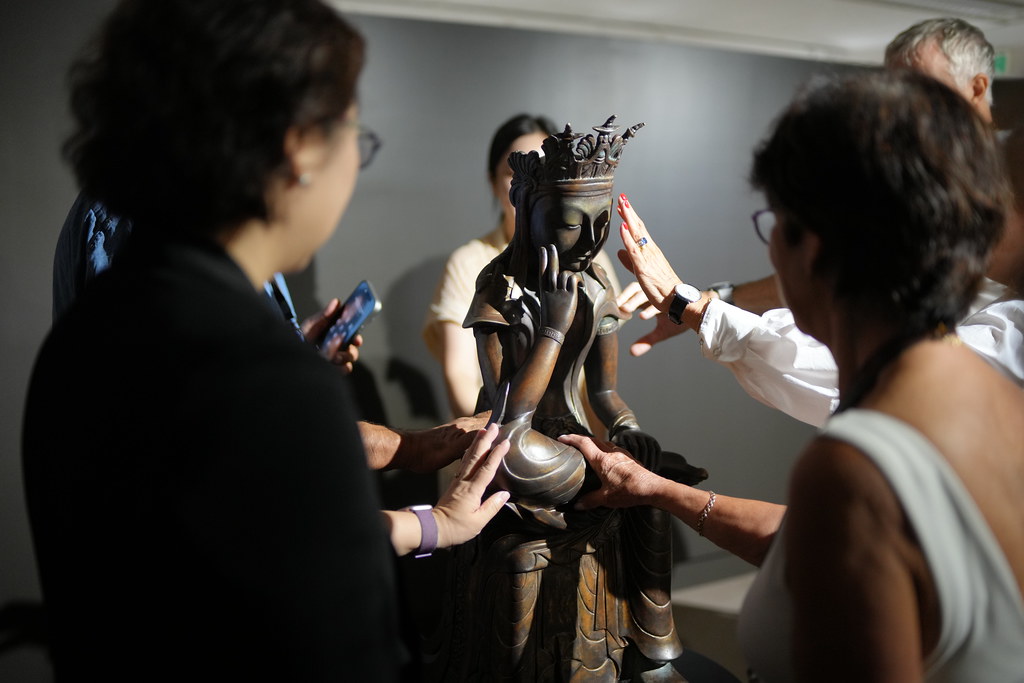
Beyond the formal presentations, EUreka3D-XR project representative actively participated in numerous related sessions, roundtable discussions, and networking opportunities throughout the week. These engagements allowed us to share the # EUreka3D-Hub & #MemoryTwin approach with a broader professional audience, fostering new collaborations and reinforcing the cooperation with other EU projects such as HE-HERITALISE in shaping the future of digital heritage documentation in Europe and beyond.
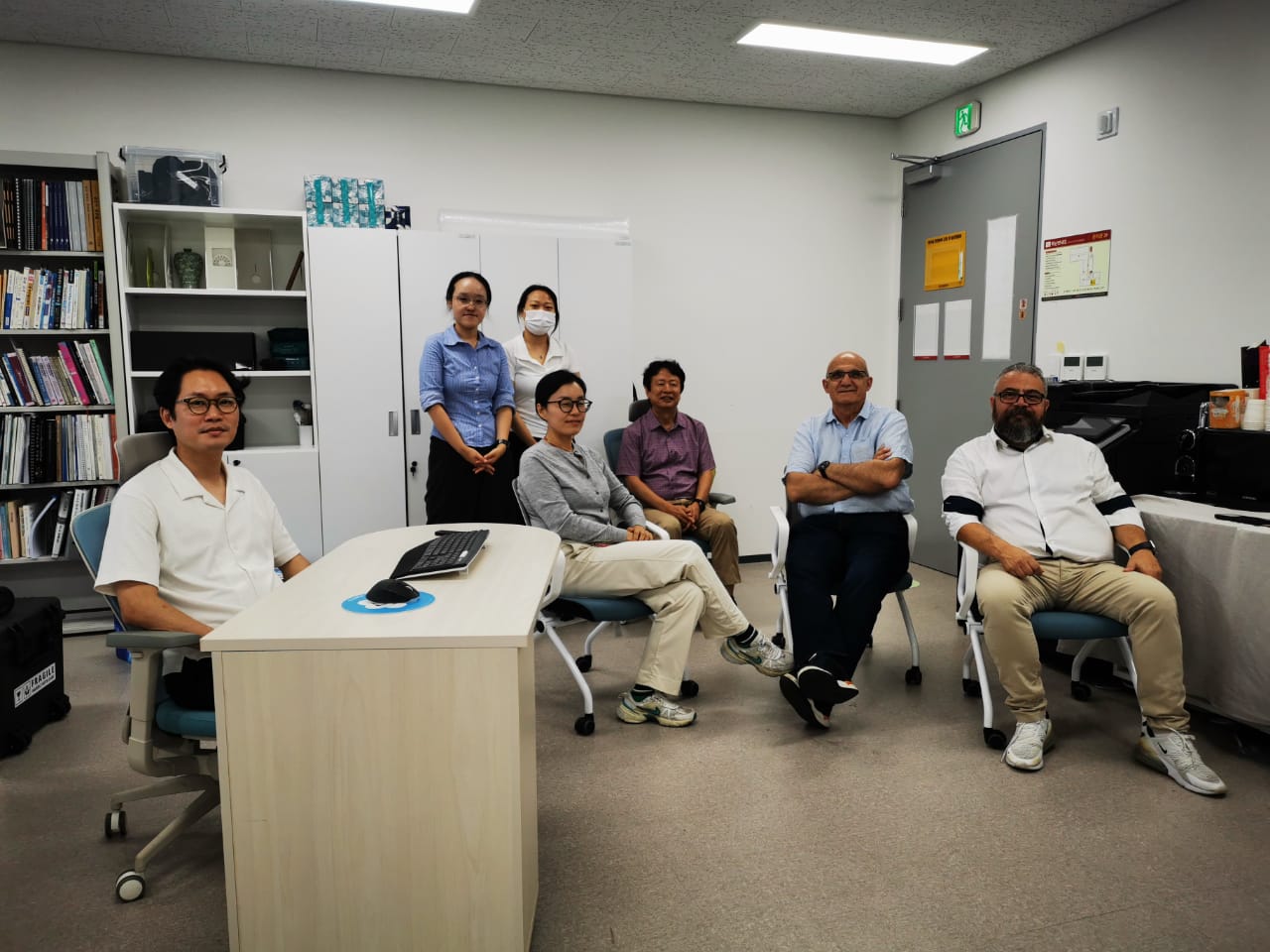
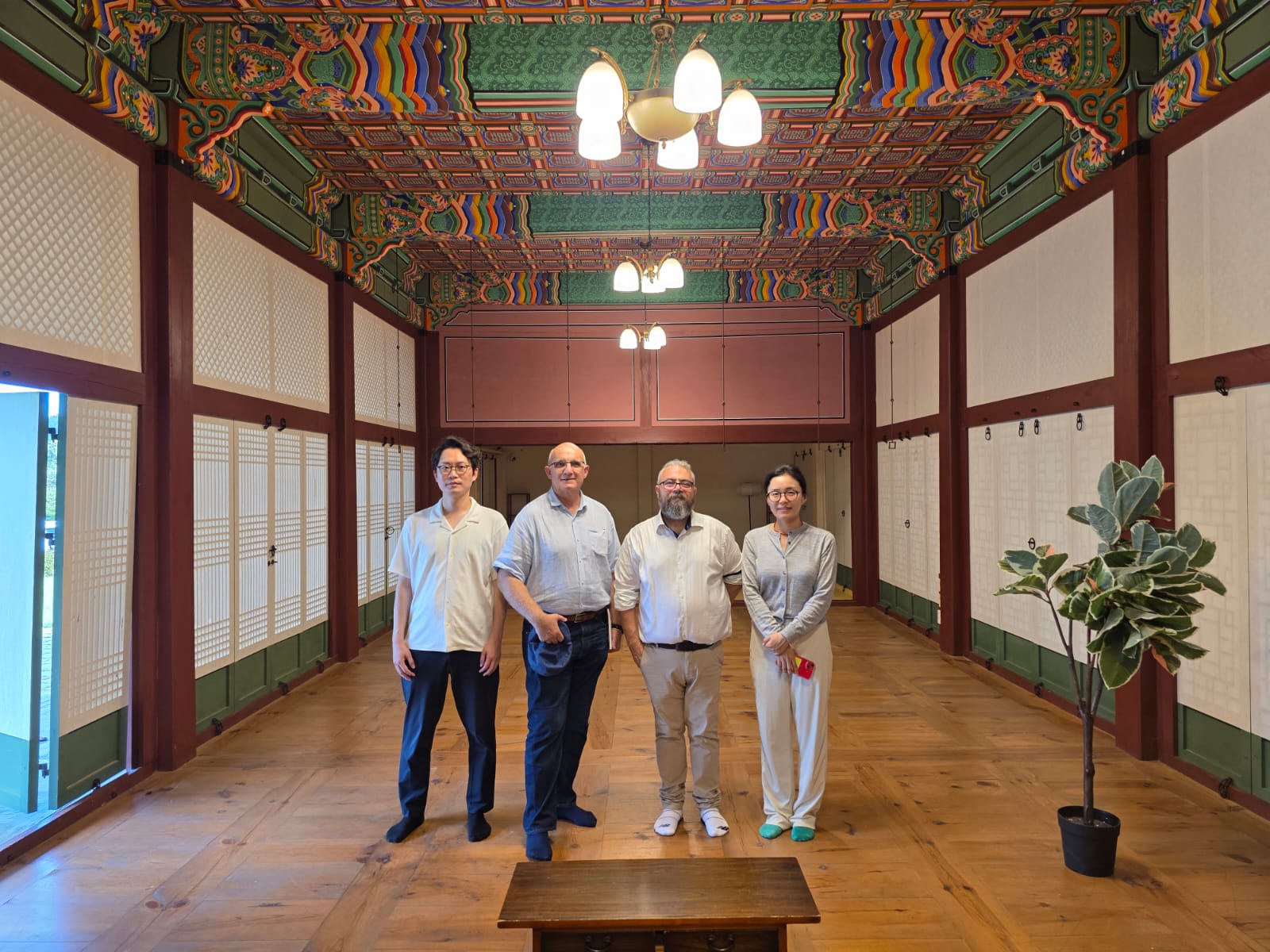
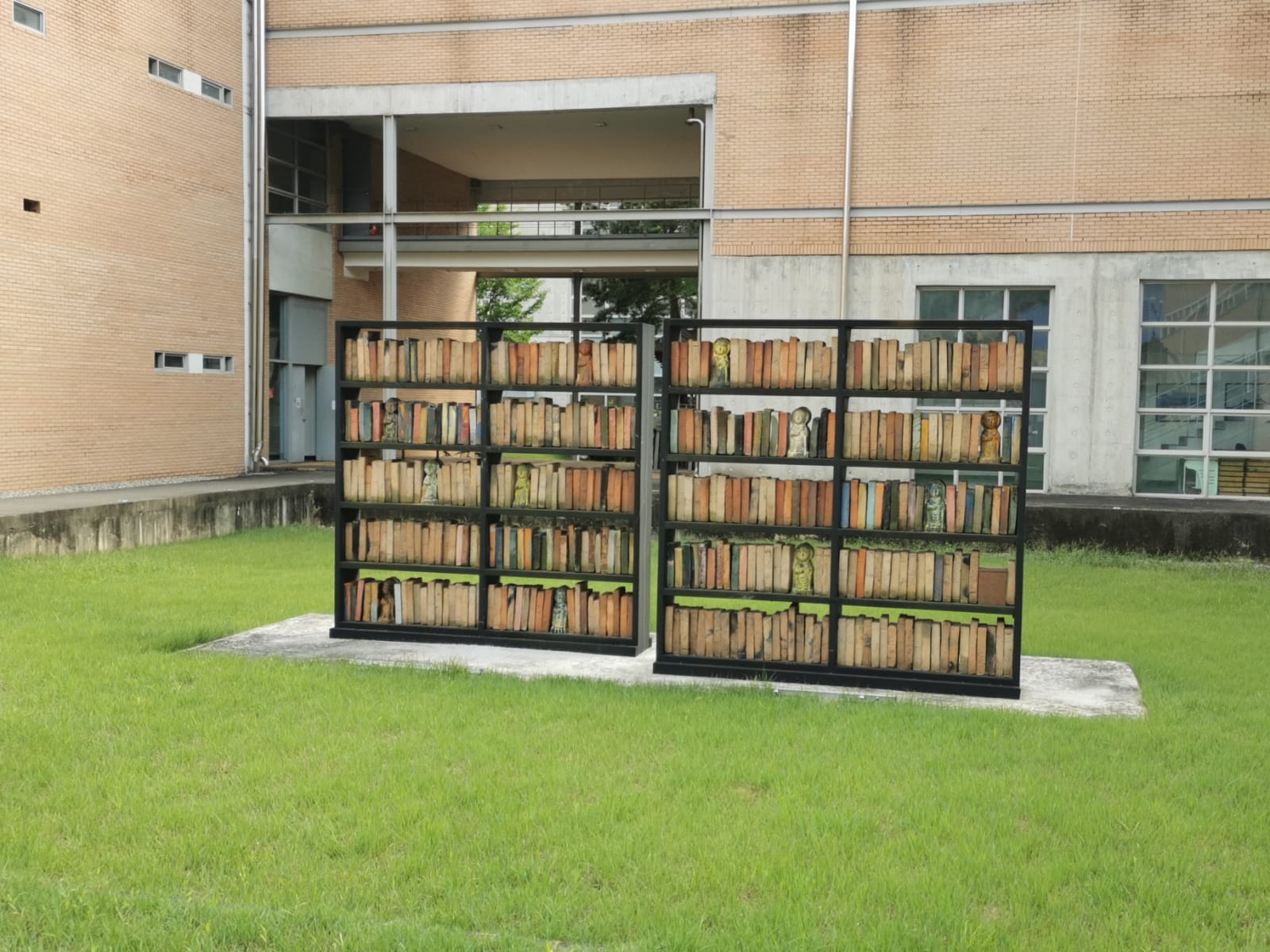
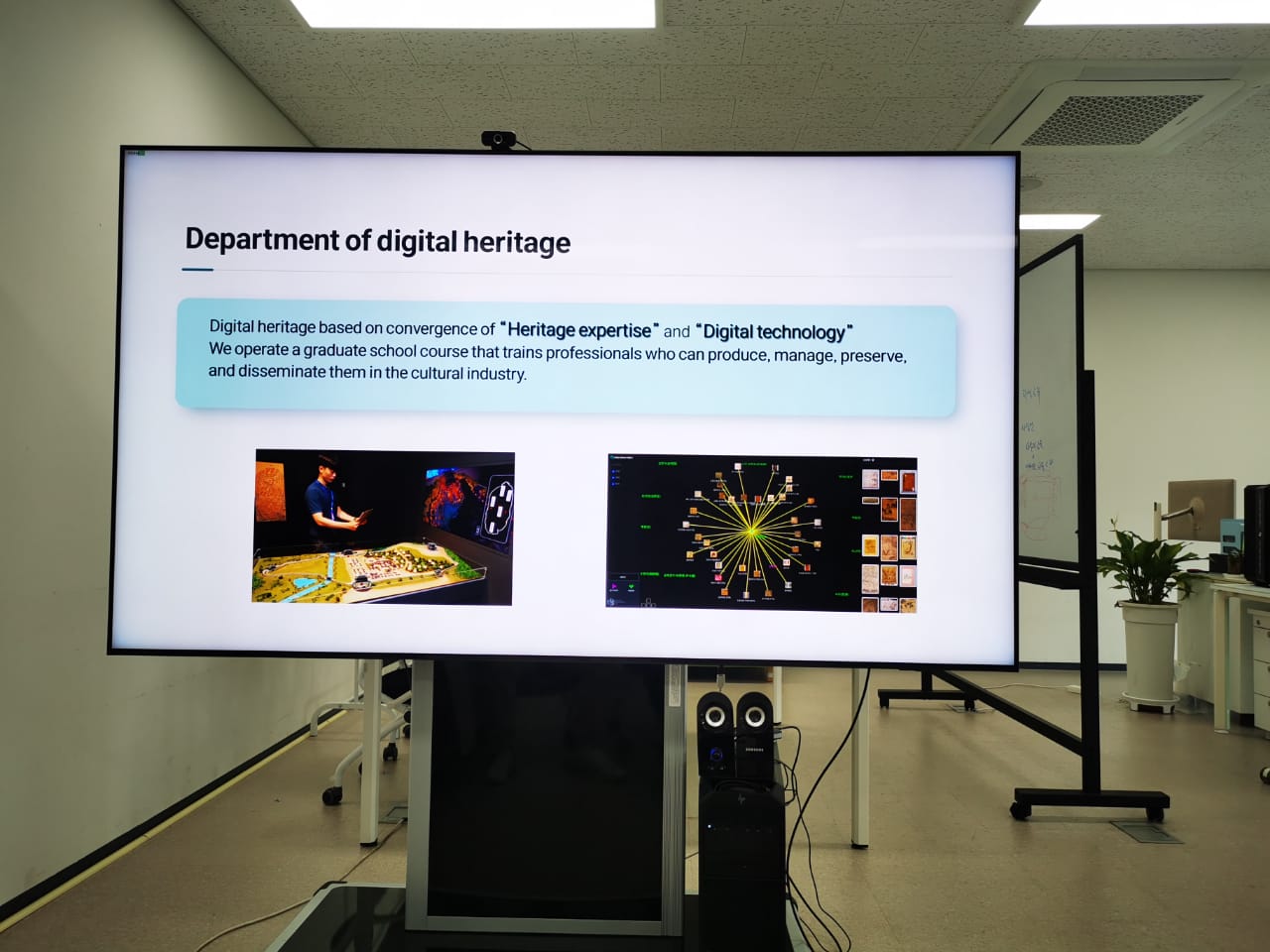
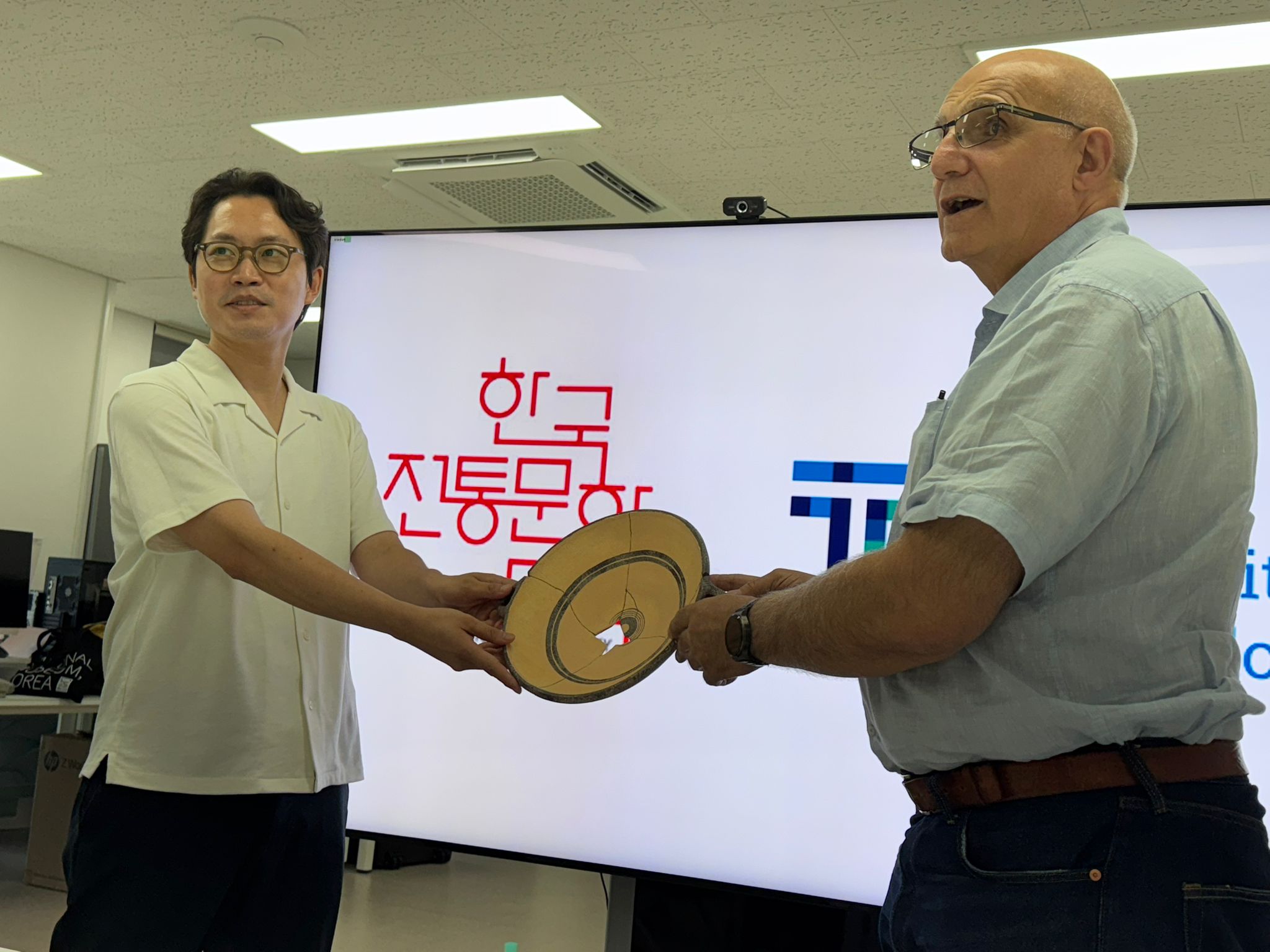
A particularly meaningful moment came on Friday, August 29, when Prof. Ioannides and Anthony Cassar visited the conservation laboratories at the National University of Cultural Heritage (한국전통문화대학교). There, they witnessed the dedication of scholars and students practicing traditional arts and techniques—from textile and painting conservation to loom weaving and architectural heritage painting. This visit underscored a profound truth: preserving cultural heritage is not only about safeguarding physical artifacts, but also about sustaining the intangible knowledge, skills, and traditions that give them life—the very layers of meaning that form their Memory Twin.
Photo gallery:
© All Rights Reserved