

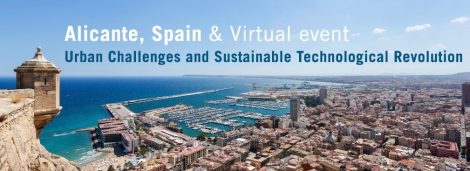
 The proposal of the INCULTUM project was approved by the prestigious ERSA 2023 Congress that took place in Alicante from 28 October to 1 September 2023.
A Special Session of the Congress was organised by INCULTUM to explore and debate on the themes of cultural tourism and participatory approaches.
The Alicante-S69 Special Session, titled “The role of participatory approaches in tourism and sustainable development,” held on August 31, 2023, brought together experts from around the world to discuss innovative strategies in sustainable tourism.
Chaired by Kamila Borsekova from Matej Bel University, Slovakia, and Marina Toger from Uppsala University, Sweden, the session featured presentations from six different countries, offering insights into the intersection of participatory methods and sustainable tourism practices.
The INCULTUM Session offered a rich and diverse array of insights into the role of participatory approaches in sustainable tourism and development. Presenters from and beyond INCULTUM project members, demonstrated how participatory methods, data collection, and community engagement are essential for shaping the future of responsible and sustainable tourism.
The presentations featured in Alicante align closely with the goals of the INCULTUM project, emphasizing the significance of local community involvement and participatory approaches in managing marginal and peripheral places, cultural heritage, and resources. By showcasing successful case studies and innovative participatory models, the session provides inspiration and practical tools for empowering local communities and stakeholders to harness the untapped potential of their cultural heritage and resources.
Information sheet of the INCULTUM Special Session is available here for download.
Complementary to the presentations of the Special Session, the work of INCULTUM pilot in Portugal was also presented by Prof. Desidério Batista of the University of Algarve.
Presenters and Topics:
Marina Toger (Sweden): Developing Participatory Engagement in a Rural Destination
-
- In her presentation, Marina Toger emphasized the challenges of developing sustainable tourism while balancing the needs of inhabitants, tourists, and businesses. She highlighted findings from a project that leveraged digitalization to promote sustainable visitor experiences in rural and peri-urban areas. The presentation showcased a methodology that emphasized stakeholder engagement and knowledge co-creation for policy and strategy formulation.
Tiina Rinne (Finland): Intertwining User-Generated Geographical Data for Outdoor Recreation Planning
-
- Tiina Rinne’s presentation explored the changing landscape of outdoor recreation and the challenges faced by planners and managers in meeting visitor demands. She discussed the potential of geospatial big data, such as mobile phone data and social media data, in monitoring and managing outdoor recreational areas. Additionally, Dr. Rinne highlighted the significance of active sensing methods like digital participatory mapping in understanding visitor motivations and preferences.
Caudan Paul (France): Participatory Sciences to Measure Tourist Flows
-
- Paul’s presentation focused on the importance of objective and quantified data for visitor flow management, especially in small island territories. He shared insights from a project that involved islanders and visitors in creating digital counting solutions for tourism data collection. This participatory approach aimed to provide real-time, updated data for decision-making.
Kamila Borsekova (Slovakia): How Participation and Building a Hiking Community Shape Sustainable Tourism
-
- Borsekova’s presentation delved into the relationship between sustainable tourism and participation, with a specific focus on hiking communities. She analyzed the activities of “hikemates” and their impact on sustainable tourism. The presentation explored concepts such as community building, social capital, crowdfunding, and volunteering in the context of tourism sustainability.
Viktor Smith (Denmark): Naming and Framing a Marginal Tourism Destination
-
- Smith’s presentation examined the case of Campina de Faro in Portugal and the challenges of creating a place-brand image for a relatively unknown location. He discussed the importance of the name of a destination in shaping perceptions and attracting visitors. The presentation emphasized a participatory, bottom-up approach to brand development, involving local communities in the process.
Darius Liutikas (Lithuania): Post-COVID-19 Era: Possibilities for Sustainable Tourism
-
- Liutikas explored the transformative impact of the COVID-19 pandemic on tourism behavior and opportunities for responsible tourism. His presentation highlighted the adoption of new technologies and innovations in the tourism sector during the pandemic. Dr. Liutikas emphasized the importance of sustainability and community-based tourism development in the post-COVID era.
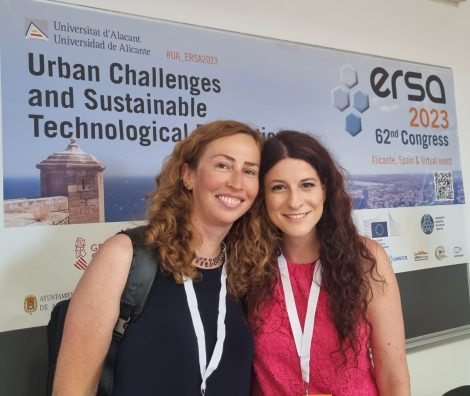
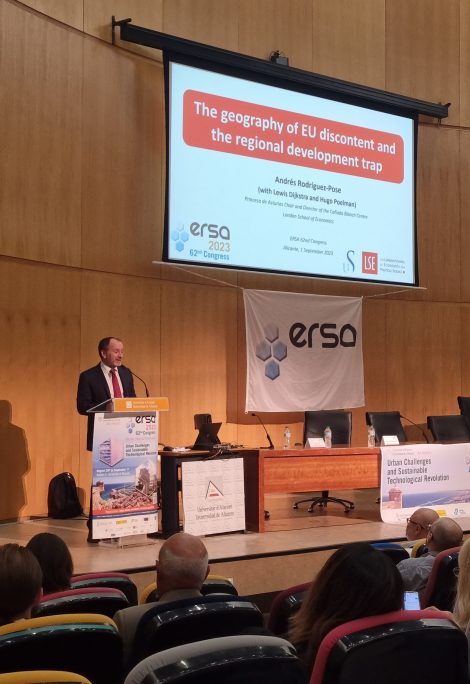
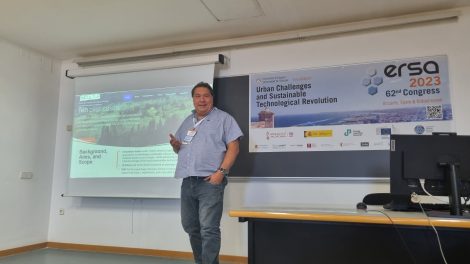
Some pictures of the presenters at the Special Session.