|
Digital meets Culture https://www.digitalmeetsculture.net/article/digicher-project-october-26/ Export date: Thu Oct 22 22:13:31 2026 / +0000 GMT |
DIGICHer Project Highlights Community-Centered Heritage Digitisation, Linguistic Diversity, and Inclusive Policy Frameworks Across Europe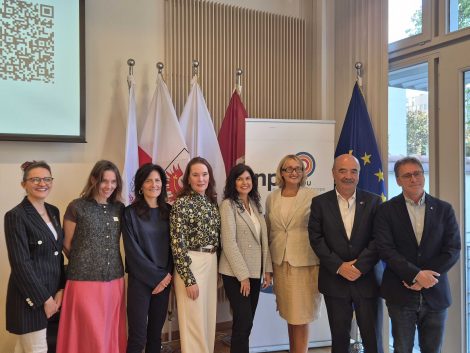 Image from NPLD and DIGICHer networking breakfast, Brussels 23 September 2026, DIGICHer, CC-BY-SA. DIGICHer (Digitisation of the cultural heritage of minority communities for equity and renewed engagement), is an ambitious project funded by the European Union's Horizon Europe programme. Running from February 2024 through to January 2027, DIGICHer focuses on the legal, political, socio-economic and technological factors that shape how minority cultural heritage is digitised and presented online, and aims to place minority groups at the centre of cultural heritage digitalisation efforts. Representatives, researchers, and partners from the DIGICHer project recently convened at the Network to Promote Linguistic Diversity (NPLD) in Brussels to showcase project insights, community case studies, and strategic policy recommendations aimed at supporting, preserving, and promoting Europe's rich language and cultural heritage. 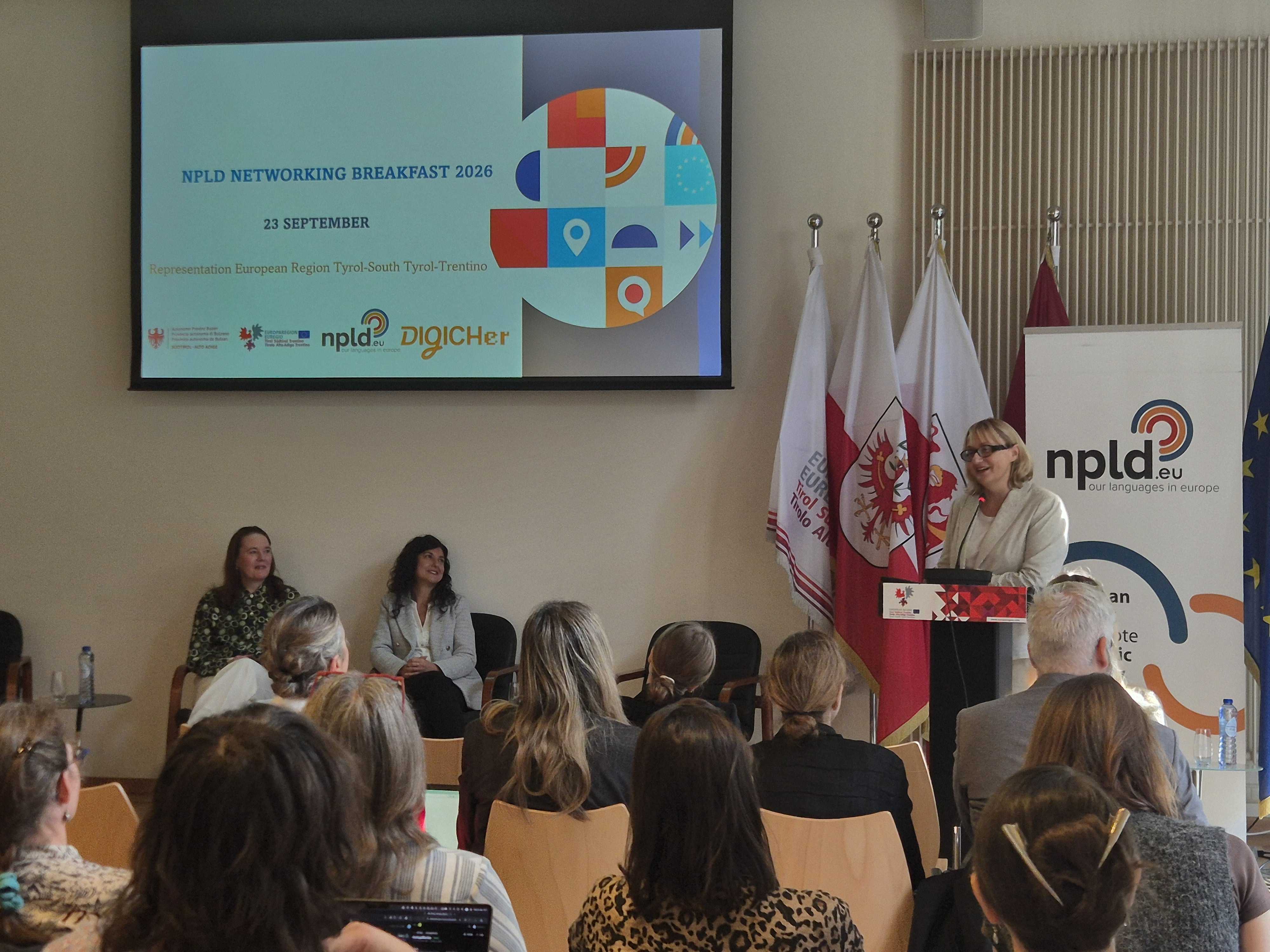
Emphasising Literacy and Language DiversityThe initiative opened with welcome addresses from:
The opening addresses focused on the importance of literacy, language diversity, and the necessity in supporting, preserving and promoting the richness of language and cultural heritage across Europe. Reimagining Heritage Digitisation: Communities at the CenterPartners presented the DIGICHer project from various angles, detailing its goals to understand the opportunities, barriers, and risks of digitising heritage. The project aims to make recommendations on setting priorities, maintaining context for digital objects, ensuring long-term preservation, validating frameworks for digital asset use, and building capacity for digitally adept heritage institutions - with three communities at front and center. Monika Mačiulienė, Senior Researcher at Vilnius Gediminas Technical University, provided background on the call by asking who controls memory digitisation, framing, and profiting from heritage assets. She noted that communities are typically brought in at the end of the chain—if at all—whereas DIGICHer starts with the community at the center of decision-making. This approach is guided by the CARE Principles:
Three Communities, Three Unique QuestionsThe project centers on three specific communities, each addressing distinct challenges:
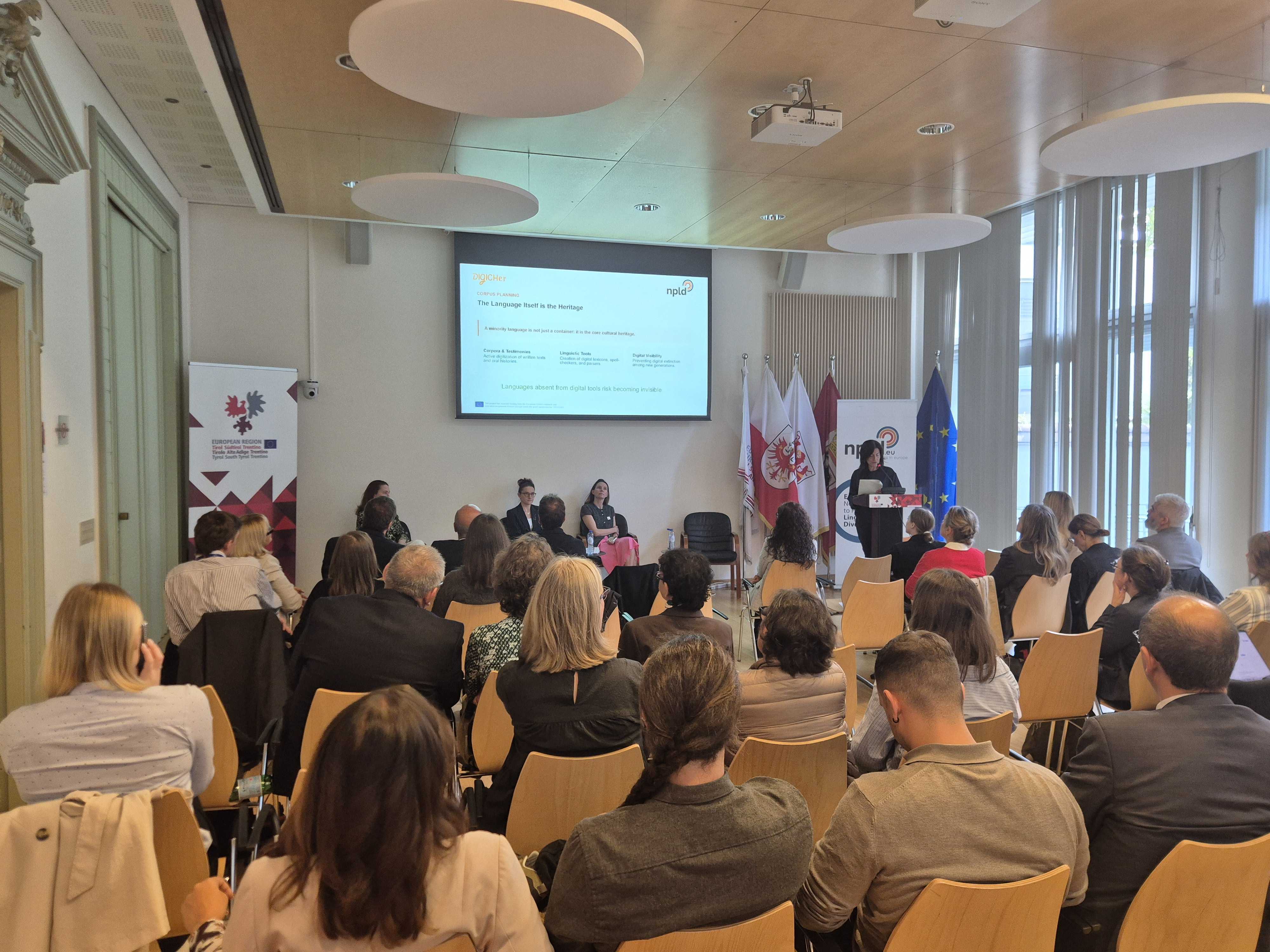
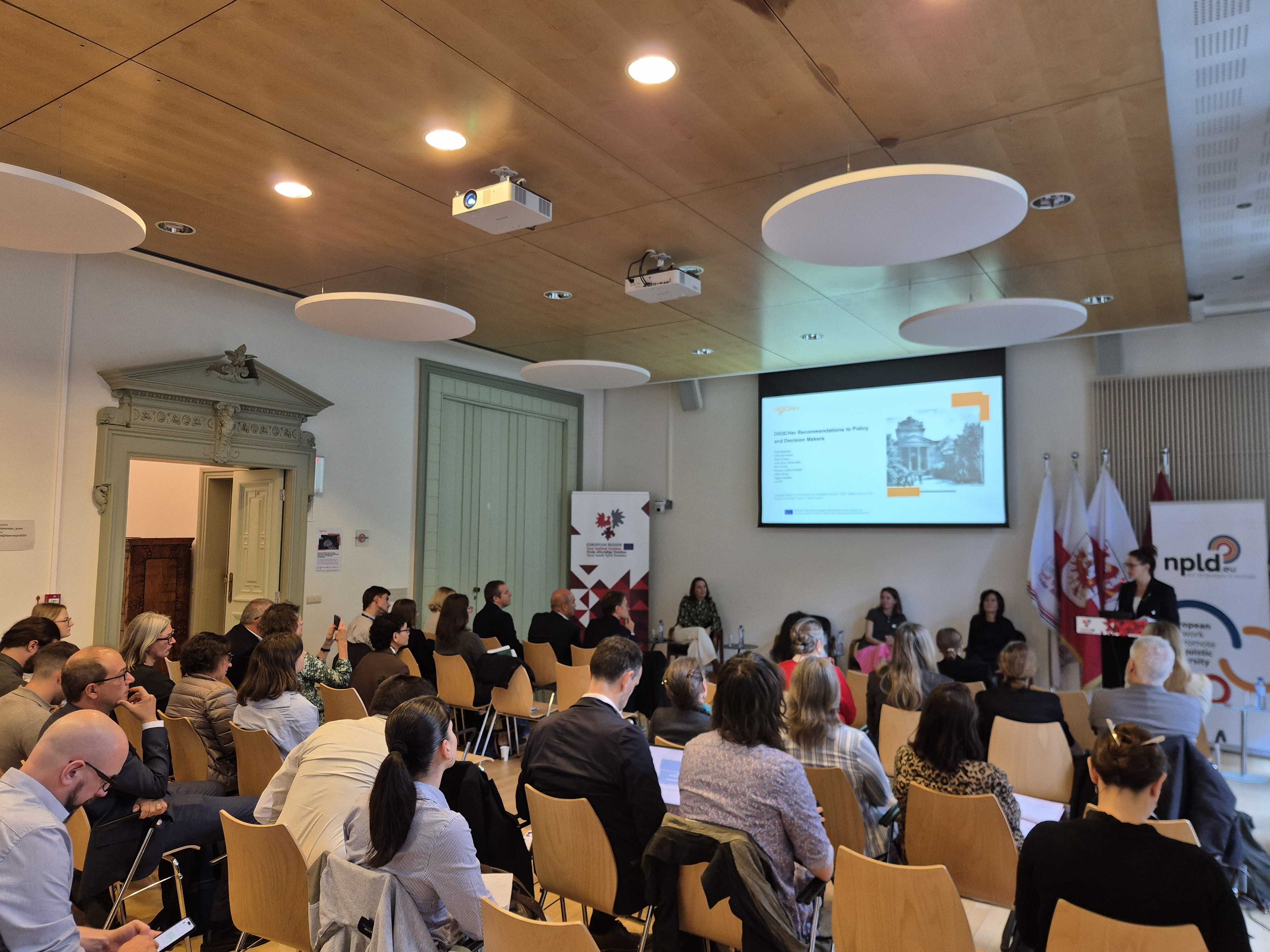
Regional Languages and Co-CreationSabrina Rasom, Director of Istitut Cultural ladin ‘Majon di Fascegn', explored opportunities and challenges for regional and minority language communities with digital heritage and linguistic diversity through the lens of the project. Drawing on learnings from the Ladin community, she highlighted how digitisation acts as a mirror, building awareness of community evolution over time. Rasom stressed that initiatives like DIGICHer help bridge the gap between everyday community life and academic research, and highlighted how the Ladin Cultural Institute "Majon di Fascegn" formally adopting the CARE principles in practice demonstrates that communities must serve as active co-creators rather than passive recipients of support. Policy Recommendations and Implementation StrategiesRosa Ballardini, Professor of Intellectual Property Law and Vice Dean (Research) at the University of Lapland, presented the project's recommendations and implementation strategies tailored for three key audiences: minority communities, cultural heritage institutions, and policy and decision-makers. Ballardini focused on the recommendations for Policy and Decision-Makers which provide legislative, governance, and funding guidance to enable equitable and participatory digitisation. These are accompanied by practical implementation steps, supported by DIGICHer tools, and a tailored CARE Principles Checklist to assess whether policy frameworks properly address collective benefit, authority to control, responsibility, and ethics. Upcoming Next Steps and EventsAs the framework enters its testing and expansion phase with additional communities, several upcoming events and workshops are scheduled:
Learn more about DIGICHer, read some quotes and learn more about DIGICHer by reading the full press release (PDF): DOWNLOAD<<<< |
