
-
Join the
Digital Meets Culture
Open Newsroom! If you have interesting news and events to point out in the field of digital cultural heritage, we are waiting for your contribution.

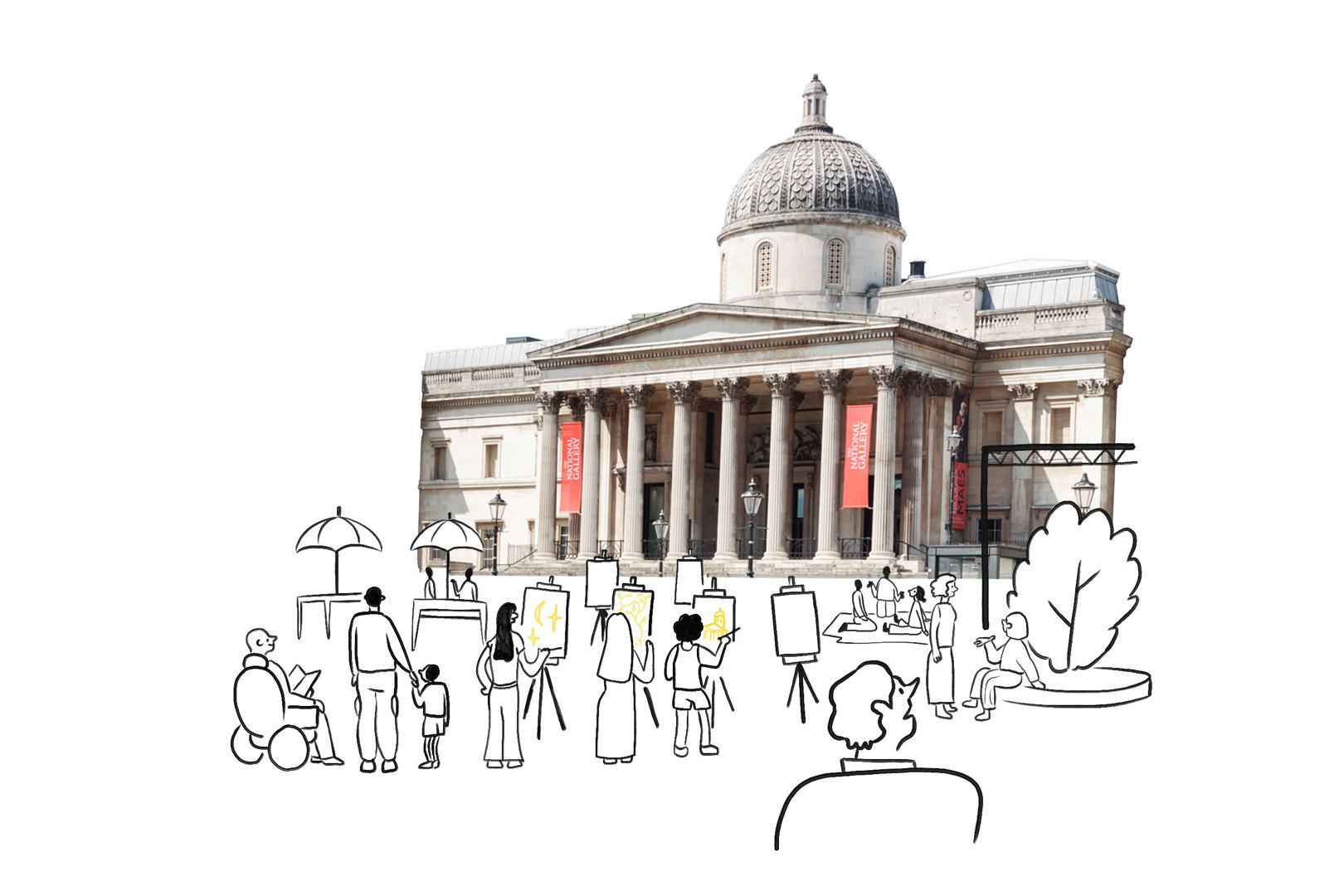
On May 10, 2024, the National Gallery will start its celebration of the Bicentenary – marking 200 years of bringing people and paintings together. Throughout the entire year, it will celebrate its past and look forward to its future … Continue reading

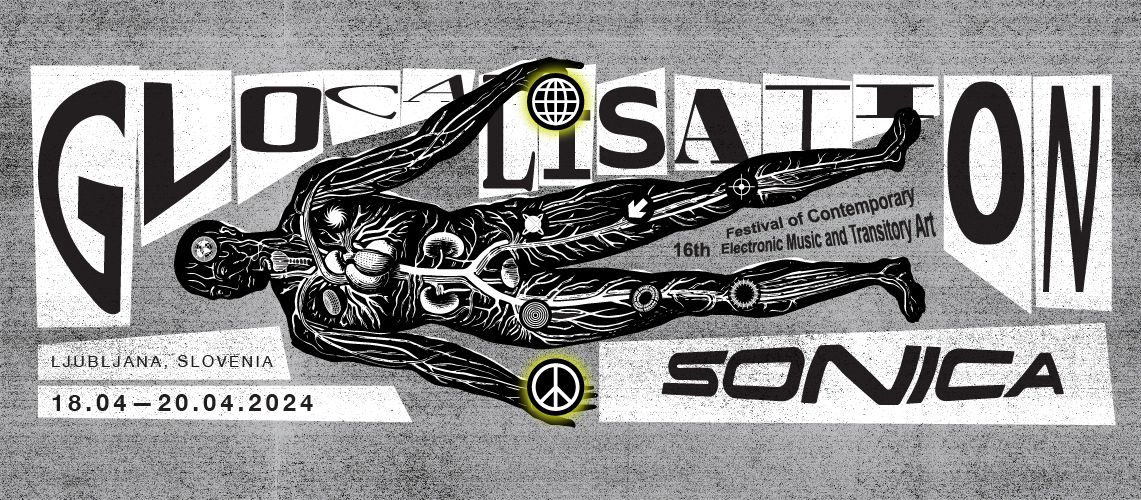
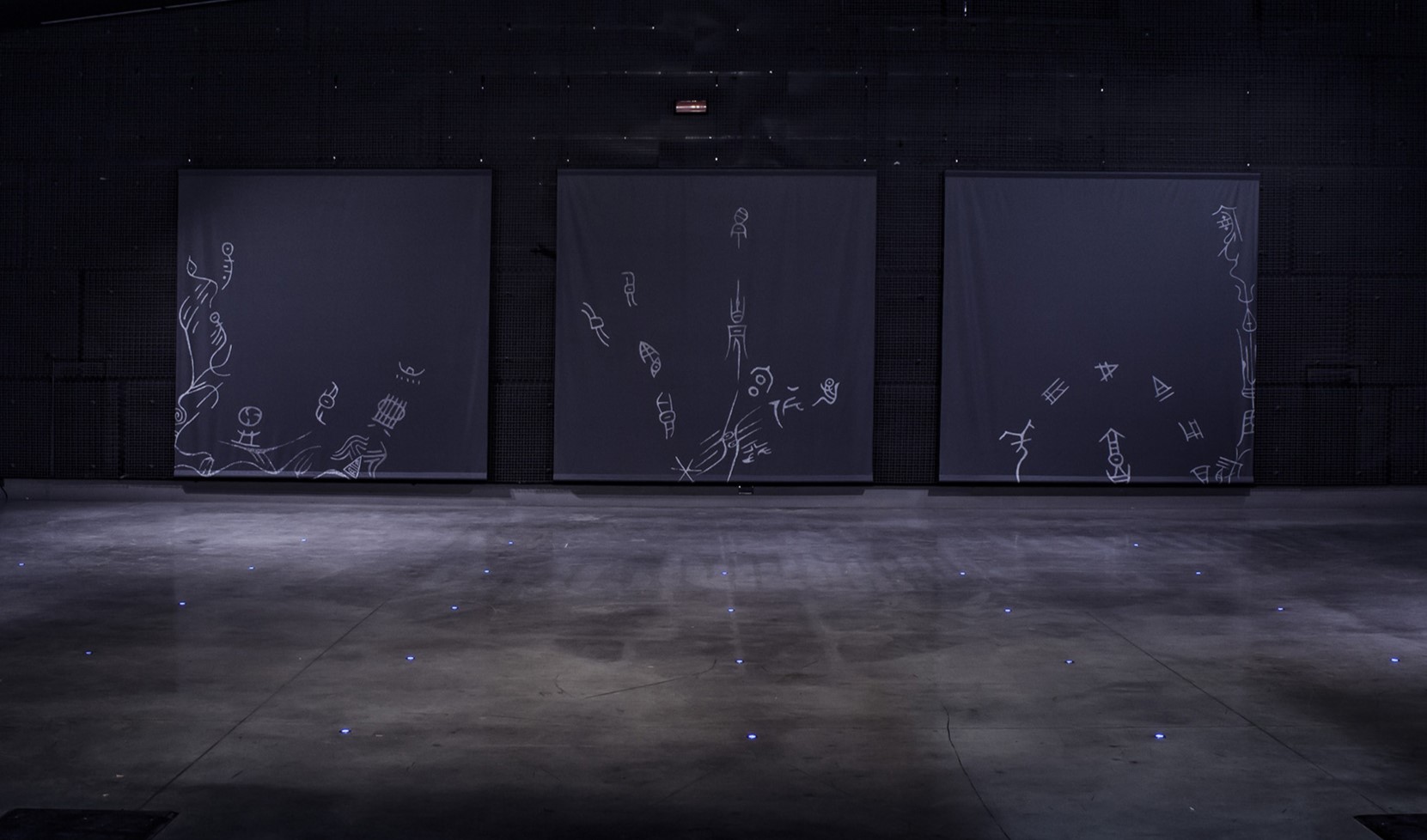
The festival of contemporary electronic music and transitory art SONICA, which will take place in Ljubljana between 18 and 20 April, has finalised its 2024 lineup. SONICA is a Ljubljana-based festival that champions diverse niche trajectories in contemporary music … Continue reading
Topic: EU projects
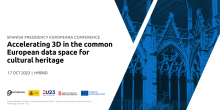
EUreka3D project was presented at the Spanish Presidency Europeana Conference back in October the 17th 2023, by project coordinator Antonella Fresa. The conference fostered a multidisciplinary dialogue on 3D capacity building for the cultural heritage sector, in order to promote … Continue reading
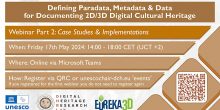
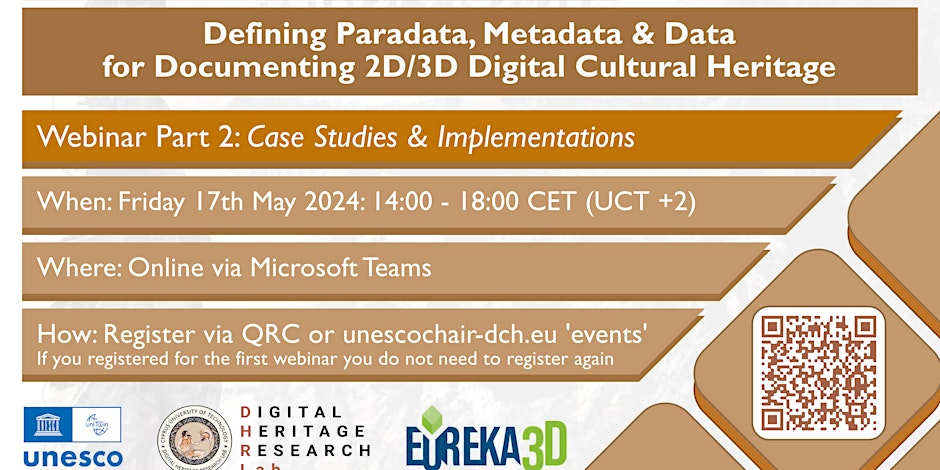
This webinar in two parts will bring together professionals from the spectrum of Digital Cultural Heritage practice to share their experiences of using and working with paradata seeking to lay down a common understanding of paradata as a first step … Continue reading

Thinking Faro Forum is organised by the municipality of Faro in Algarve, and is attended by various stakeholders, university students and citizens. The representative of the INCULTUM pilot on the Campina de Faro will present the results of the activity … Continue reading
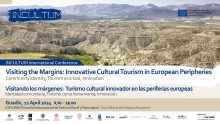
Everything is ready for the final conference of the INCULTUM project. The international event will take place in Guadix on 12 April 2024 with a program of very interesting speeches from the project’s partners and invited scholars and researchers. The … Continue reading
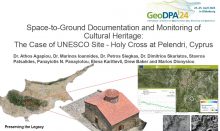
image courtesy of CUT. EUreka3D will be presented with a Poster at the GeoDPA2024 Conference in Germany organised by DLR Germany 24-25th of April 2024. In this conference, partner CUT Cyprus University of Technology is presenting the results of a cooperation … Continue reading

In Thessaloniki, Greece, the Transnational Project Meeting titled “RE-CULTURAL HERITAGE: Reviving of Cultural Heritage: Social and Economic Empowerment of Rural Areas” held on March 11-12, 2024. Kamila Borseková (Matej Bel University) delivered presentation on “Empowering Heritage Communities: Participatory and Digital … Continue reading
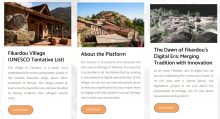
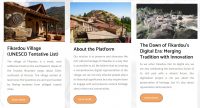
The UNESCO Chair on Digital Cultural Heritage at Cyprus University of Technology, one of the key partners the EUreka3D project, has officially handed over an online platform dedicated to the holistic digitisation of Fikardou village to its community. A post … Continue reading
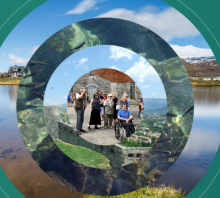
The IN SITU project that participates in the INCULTUM network of common interest launched a survey investigating the innovation potential of cultural and creative industries (CCI) in non-urban areas. Focusing on IN SITU’s six Lab regions, the survey aims to … Continue reading
The Mining Treasures of Central Slovakia conference will take place on April 25, 2024 at the Radnica – Town Hall in Banská Bystrica. This is event is organised by Matej Bell University in the frame of the pilot of the INCULTUM … Continue reading
CORDIS is the service of the European Commission to discover the results of the research and innovation initiatives in Europe. It provides information on projects, topics, and publications funded by the EU’s research programs, in multiple languages. A new ‘Results … Continue reading