
-
Join the
Digital Meets Culture
Open Newsroom! If you have interesting news and events to point out in the field of digital cultural heritage, we are waiting for your contribution.

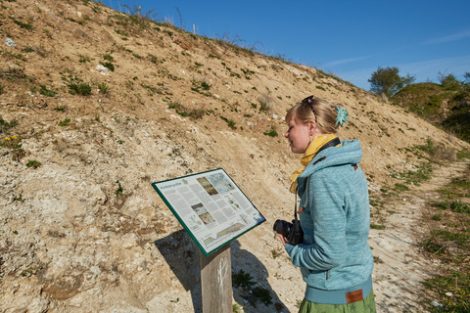
The Mining Treasures of Central Slovakia conference will take place on April 25, 2024 at the Radnica – Town Hall in Banská Bystrica. This is event is organised by Matej Bell University in the frame of the pilot of the INCULTUM … Continue reading
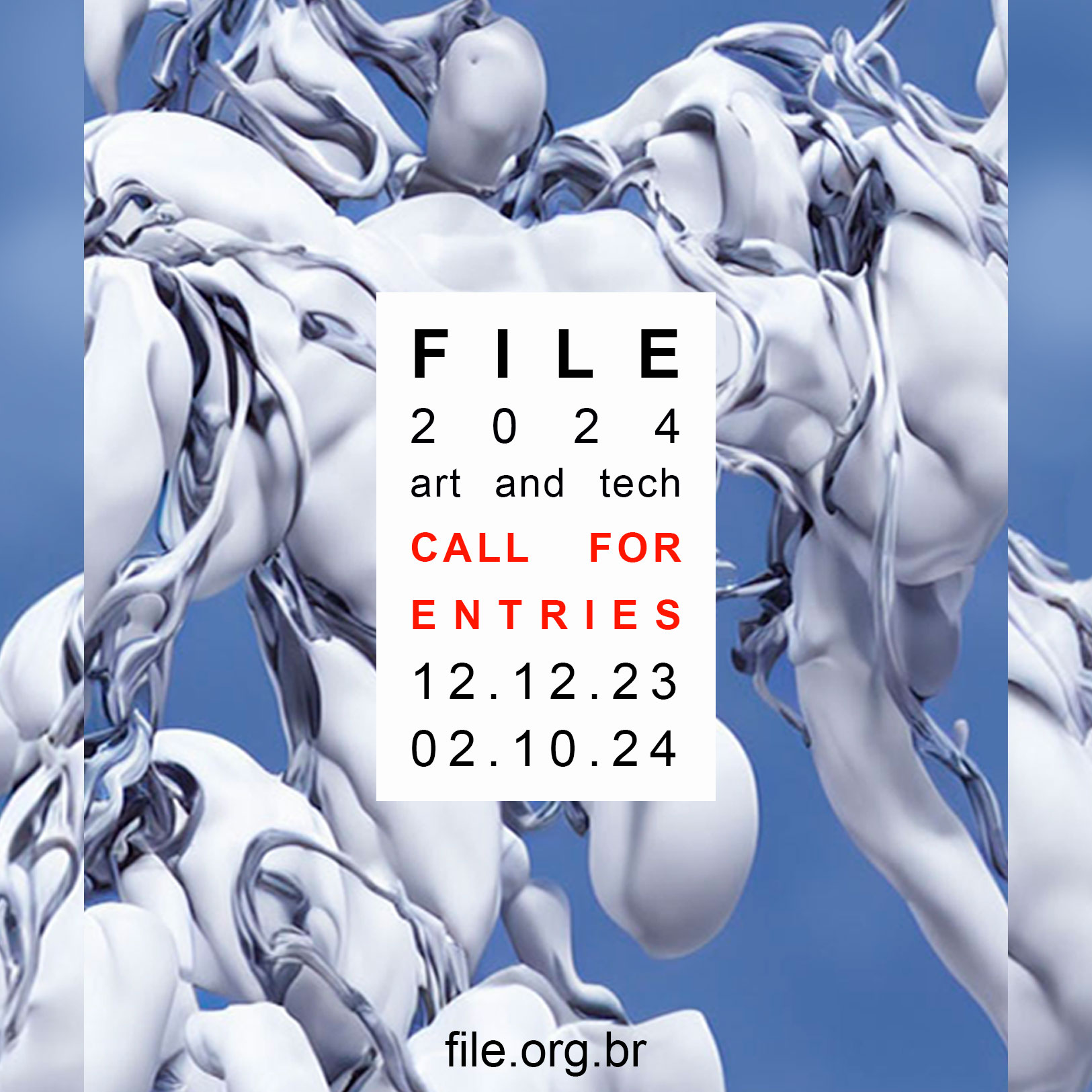
Digital Art Week is a week-long city-wide takeover of the world’s leading cultural capitals for digital artists, tech innovators, and digital fashion pioneers to collaborate and push the boundaries of what’s possible in the fusion of art and technology. … Continue reading
Topic: architecture
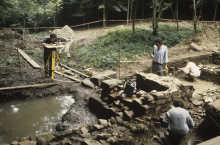
As part of the EUreka3D project, a blogpost authored by Agathe Le Riche-Maugis and collegues from Bibracte was recently published on Europeana. The blogpost shocases the history of Bibracte, an archaeological site in the French region discovered in the 19th century and brought back … Continue reading

In November 2023, as part of the training “Raw materials to sources, from the archaeological object” organized by the Resource Center for Artistic and Cultural Education (Préac) Archaeological heritage, Bibracte hosted a workshop on digitisation and aggregation to Europeana. Within the context of … Continue reading
This webinar explored some of the ways that 3D reconstructions are being used for story telling and to aid understanding. Two speakers gave short presentations: Catherine Anne Cassidy, Open Virtual Worlds team, University of St Andrews, ‘Dissemination methods for 3D … Continue reading
Tourer.it is based on an interactive map of the Emilia-Romagna region, which localizes precisely architectural heritage and landscapes in the area, offering significant information on the sites that have been searched and pinpointed on the map. Thanks to the collaboration … Continue reading
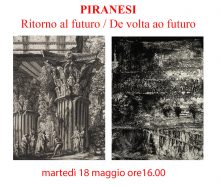
PIRANESI RITORNO AL FUTURO / DE VOLTA AO FUTURO The Museo della Grafica in Pisa and the Faculdade de Arquitetura e Urbanismo di São Paulo organize a live event to discover the art of venetian engraver Giovanni Battista Piranesi (1720-1778). … Continue reading
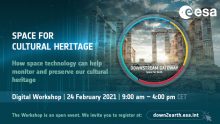
Several factors, both natural and anthropic ones, endanger nowadays our cultural heritage: subsidence, ground motion, pollution, looting, collateral damages and intentional attacks. Data provided by the European Space Agency Copernicus fleet of satellites and other cutting edge technologies leveraging on … Continue reading
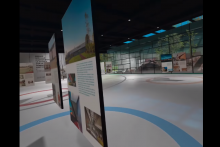
A virtual museum was recently presented by the Italian Council of Architects CNAPPC – Consiglio Nazionale Architetti Pianificatori Paesaggisti e Conservatori. The museum is named #MuVArch, and will allow to virtually walk into exhibition rooms supported with an interactive audioguide. … Continue reading

Project ROCK – Regeneration and Optimization of Cultural heritage in creative and Knowledge cities invites you to join the session ‘Re-Inventing Heritage for Sustainable Urban Regeneration’ taking place on 2 October as part of Mannheim2020. Mannheim2020, the 9th edition of … Continue reading
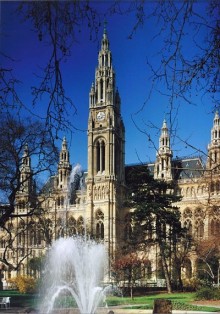
The International Conference on Cultural Heritage and New Technologies in Vienna now approaches its 24th edition. This year’s theme is Monumental Computations. A rich programme of keynotes speeches, thematic sessions, round tables and a poster session will tackle this year … Continue reading
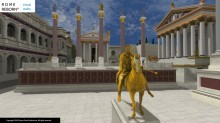
Rome Reborn Project was an international initiative launched in 1996 with the goal of creating 3D digital models to illustrate the urban development of ancient Rome. According to the advice of the project’s advisory committee, the work of modeling begun … Continue reading